
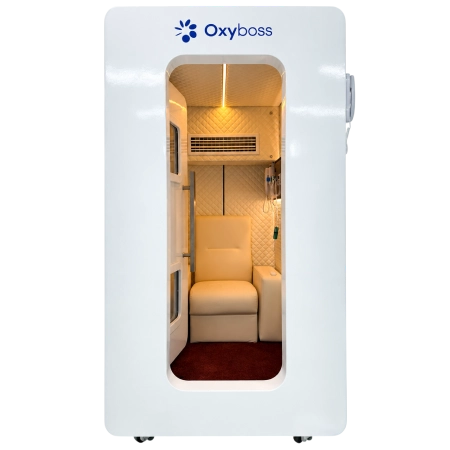
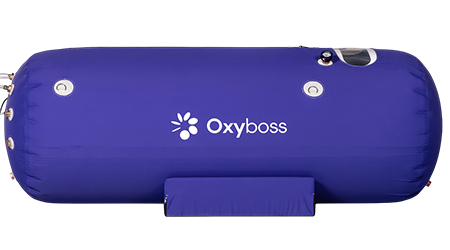
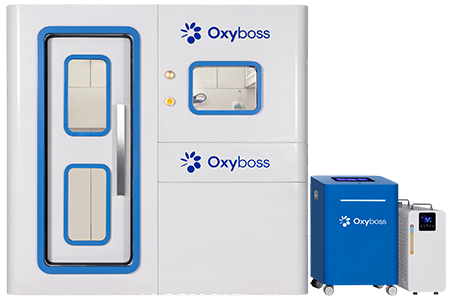
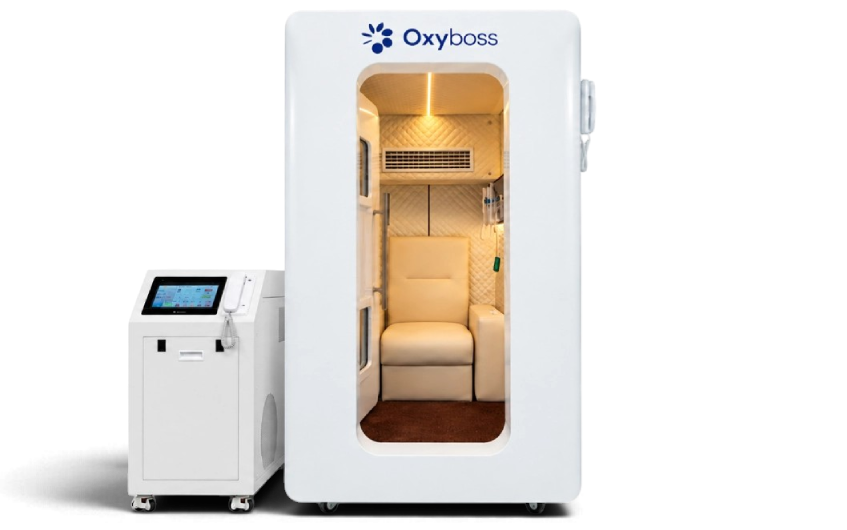
A 2.0 ATA hard-shell sitting chamber built for one person. The OT-H301 combines a real Q235 carbon steel pressure vessel with an integrated 3-in-1 oxygen system, dual touch screens, and a footprint small enough to fit a treatment room, an apartment, or a wellness studio. It arrives factory-tested, plugs into a standard wall outlet, and is ready to run.
Maximum Operating Pressure
Inhaled Oxygen Concentration
Plasma Dissolved Oxygen Increase
Plasma dissolved oxygen: approx. 3.8–4.1 mL O₂/dL, compared with approx. 0.3 mL O₂/dL under normal air environment.
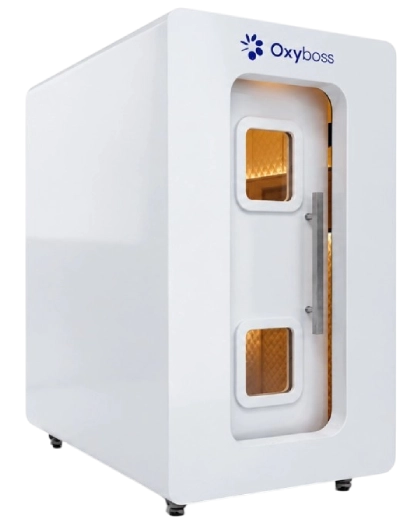
Adjustable from 1.1 to 2.0 ATA — the high end of the "mini" category.
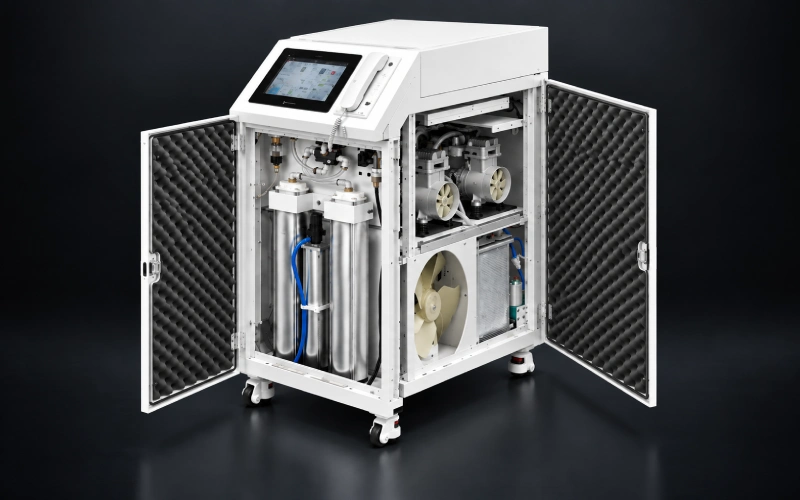
Concentrator + compressor + air conditioner in one unit. No separate oxygen tanks, no extra modules.
Full control from inside the chamber. Run it yourself, shut it down yourself.
EU Pressure Equipment Directive 2014/68/EU, Notified Body EUROCERT S.A. (NB 1128), ISO 9001 + ISO 13485 held.
Most hyperbaric chambers ship with the oxygen concentrator, the air compressor, and the air conditioner as separate pieces of equipment. The buyer wires them together, troubleshoots the connections, and learns which one is making the noise. The OT-H301 collapses all three into one integrated unit — and that single design choice changes what it feels like to own and run the chamber.
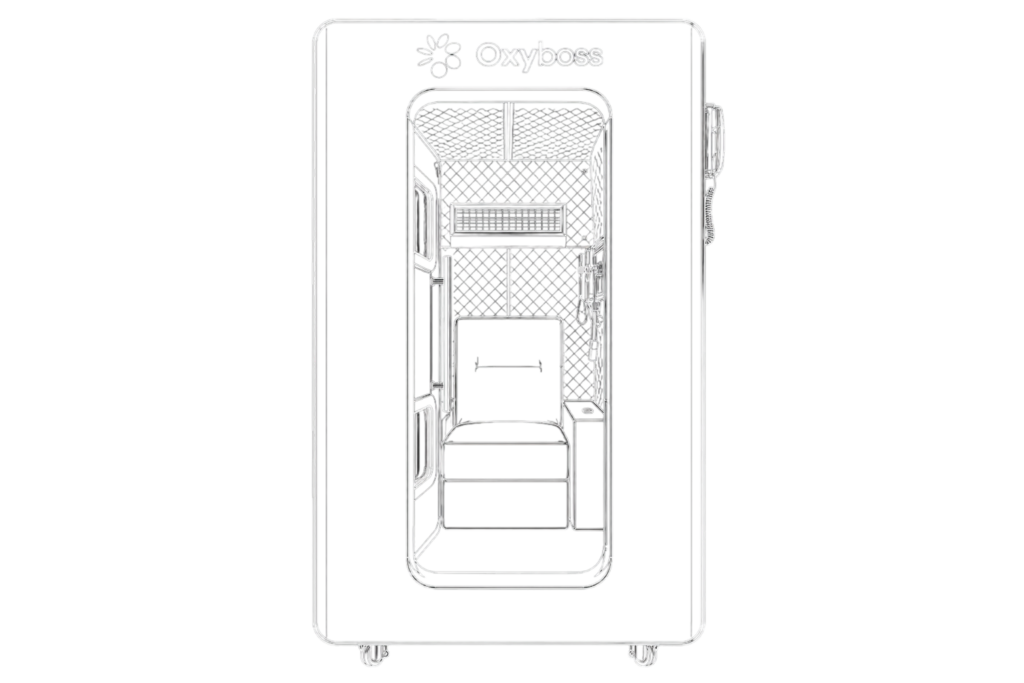
The OT-H301 is built around the experience of being inside it. Once the door closes and compression starts, every control and comfort feature is within reach.
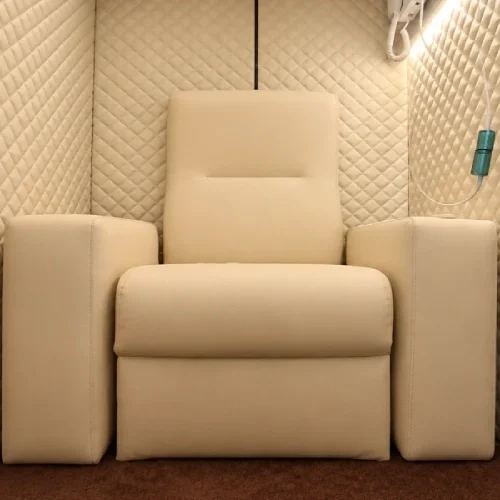
A PA sofa with a 150 kg load rating. You sit upright during the session, which makes it easy to read, work on a laptop, or talk to someone on the intercom. After the session ends, the chamber auto-decompresses and the door cracks open to bring in outside air — comfortable enough to nap if you want to.
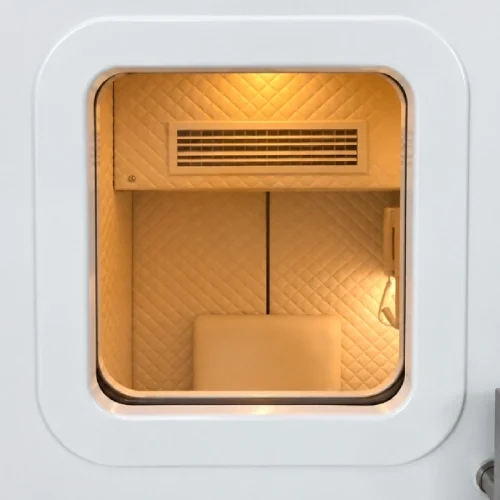
A large acrylic observation window gives you a clear view of the room around you. For anyone nervous about enclosed spaces, that visual contact with the outside is the biggest reassurance.
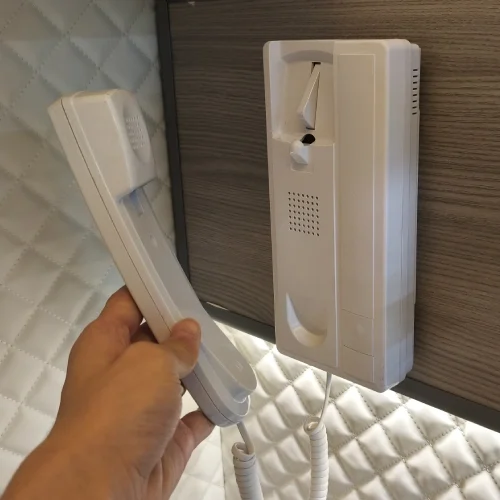
A communication phone is mounted right next to the seat. You can talk to someone outside the chamber at any time without raising your voice.
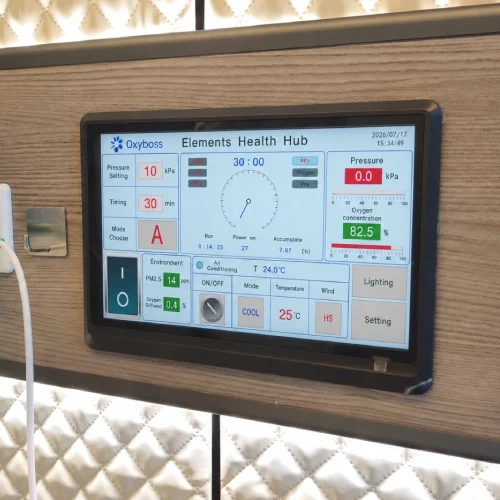
Two synchronized 10-inch touch screens — one inside, one outside. From the inside screen, you can adjust pressure, monitor session time, check oxygen concentration, or shut the whole system down yourself. You’re never dependent on an outside operator.
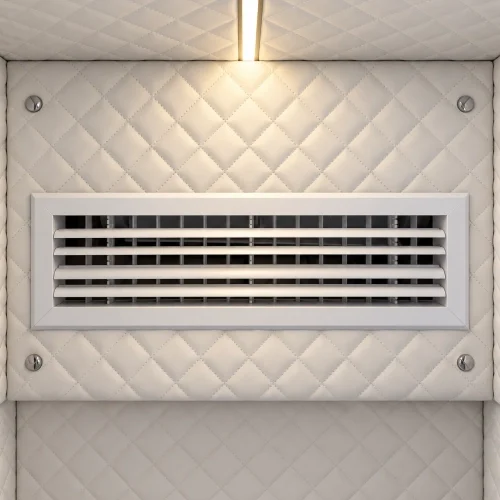
Integrated air conditioning keeps the interior comfortable. Internal CO₂ stays well below the 2,500–5,000 ppm ceiling referenced in NFPA 99 / ASME-PVHO.
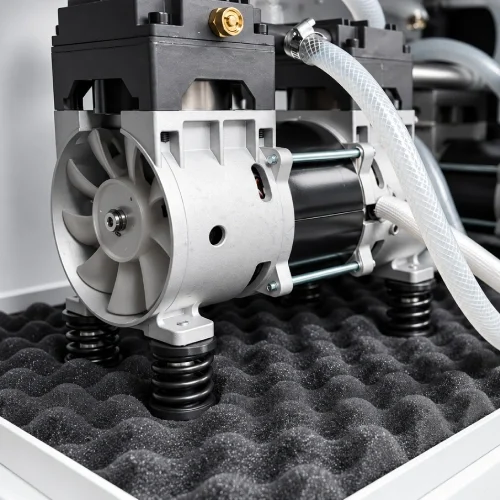
Noise inside the chamber during operation runs 45–48 dB(A). At the 3-in-1 unit, one meter away, it’s ≤ 60 dB(A). Quiet enough to take a phone call.
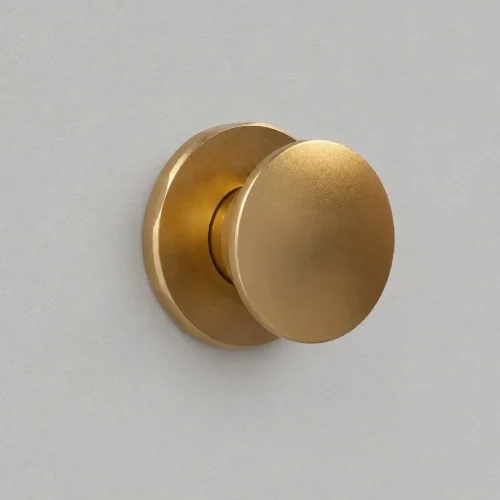
A pure-mechanical pressure release valve lives on both the inside and outside of the chamber. It works even with no power. Once decompressed, the door opens manually from either side.
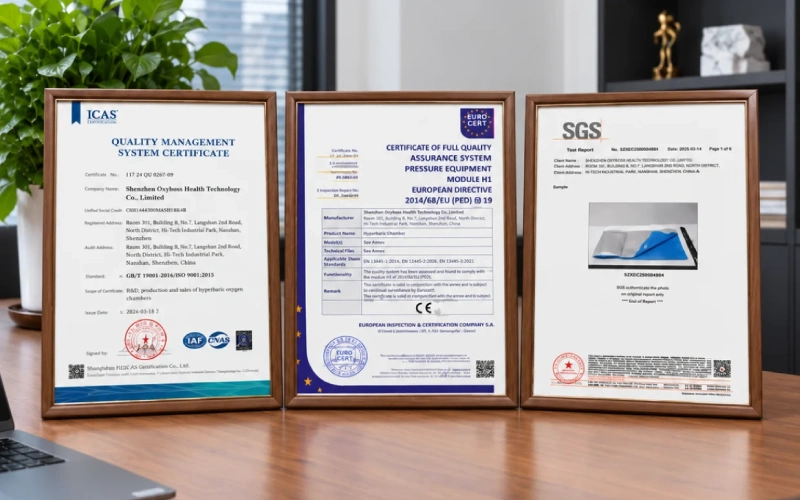
Certificate #10.07.12722, Category III, Annex III (Module H). Notified Body: EUROCERT S.A., NB 1128. Validity: 2026-08-10 to 2029-08-09.
#11726Q2286R002, Shanghai ICAS Certification-Assessment Co., Ltd. (CNAS-accredited)
Held
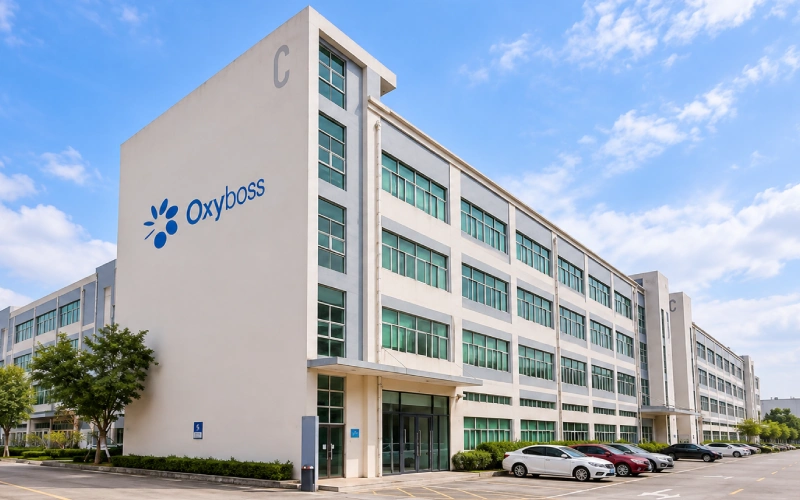
Oxyboss has been building hyperbaric chambers since 2006. The company ships globally from Shenzhen, China, and holds the PED, ISO 9001, and ISO 13485 certifications listed above.
Warranty. Three years on hard chambers. During the warranty period, non-consumable faulty parts are replaced free of charge and air freight is covered by Oxyboss. Consumables and normal-wear items are excluded. Replacement parts inherit the remaining warranty period — no impact on overall coverage. Post-warranty, replacement parts are available at factory cost, and technical support continues.
Support. 24/7 online technical support. Tickets are confirmed within 48 hours, and replacement parts typically ship within 3–5 days of fault confirmation. Free 1-on-1 online video training, operating videos, user manual, and a training certificate are included with every unit.
Shipping. DDP door-to-door from Shenzhen. Oxyboss handles customs clearance and import duties; the buyer typically pays nothing extra on arrival.
In-person viewing. Available at our Shenzhen facility for customers in China; video walkthrough for overseas.
Read this section before use. The FDA’s Hyperbaric Oxygen Therapy: Get the Facts (nofollow) page notes that serious adverse events from HBOT devices are rare but real, including fire-related fatalities.
Middle-ear barotrauma is the most common. UHMS cites a retrospective clinical series at ~2% — see UHMS Side Effects (nofollow). Other risks include pulmonary barotrauma, sinus injury, claustrophobia, oxygen toxicity (seizure rate ~0.03% in large exposure series), temporary myopia, and hypoglycemia for users on insulin or glucose-lowering medication. Cleveland Clinic’s HBOT page (nofollow) and NCBI StatPearls’ Hyperbaric Complications (nofollow) chapter cover these in detail.
Join Oxyboss and experience the surprises and changes that a hyperbaric oxygen chamber can bring!

ATA means "atmospheres absolute." Different brands' numbers aren't directly comparable — you also need to confirm pressure units (ATA vs psia vs psig) and how oxygen is delivered (compressed-air chamber with mask vs whole-chamber oxygen).
This configuration keeps fire risk dramatically lower than "whole-chamber oxygen" designs, and is why the OT-H301 can be safely operated from inside. The chamber interior stays close to normal air composition; the user breathes 90% ± 3% oxygen through a mask or nasal cannula.
Recommended ≤ 2 hours per session, with a 20–30 minute break between sessions.
Yes, with conditions: child must not have a cold or stuffy nose, must understand swallow-equalization for ear pressure, and must have an adult present at all times. Home use should start at low pressure (within 1.3 ATA) for slow adaptation.
Start at ~1.2 ATA and try the Valsalva maneuver (pinch nose, close mouth, exhale gently against the closed airway). Swallowing, chewing, or yawning also helps. If you have a history of ear barotrauma, consult an ENT before use.
In the EU it sells under general wellness / leisure positioning, not as an EU MDR Class IIb medical device. PED certification is held under EUROCERT S.A. (NB 1128), so it meets EU pressure-vessel safety standards. It does not hold FDA 510(k) clearance in the US.
Yes. Logo and color customization is included at no extra charge. Custom dimensions, exterior, seat, or UI is quoted separately.
Built-In Breathing System with separate inhale/exhale lines. Exhaled air vents directly outside the chamber. Add-on ~USD 880 (single-person chamber ships with 1 mask, two-person with 2).
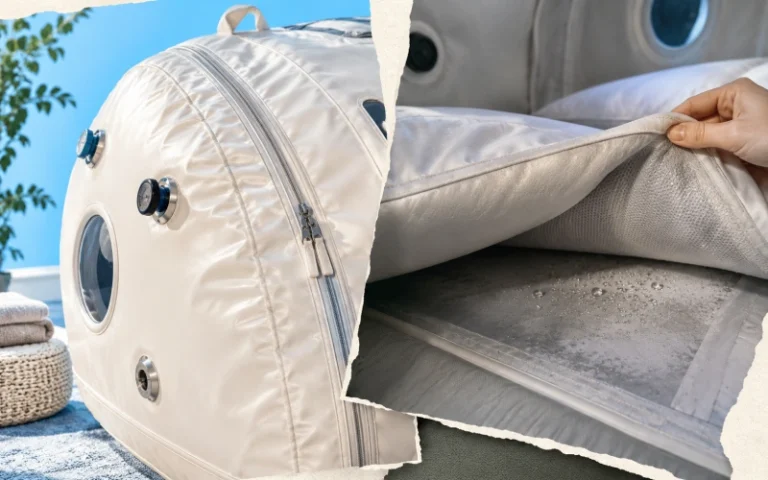
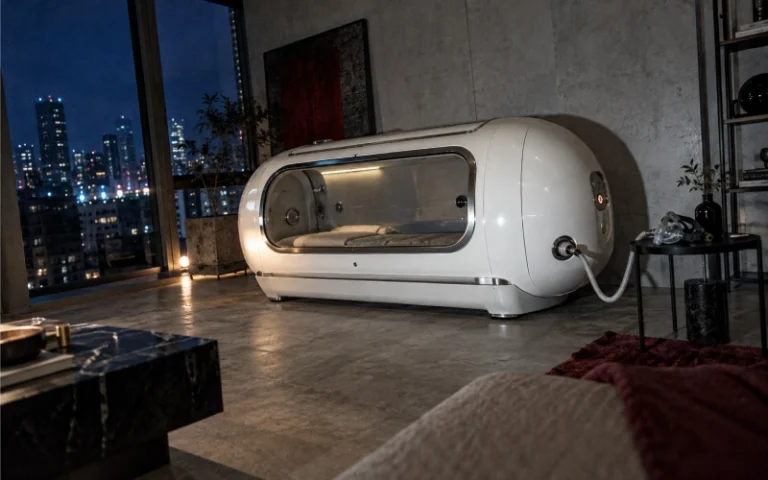

A mini hyperbaric chamber should do more than sit in your facility — it should earn its place on your service menu. Oxyboss units are engineered around three commercial priorities: consistent session quality, high daily throughput and long operational life. Backed by in-house R&D, strict QC and dedicated OEM capability, every chamber leaves our factory ready to support premium positioning, repeatable client experiences and long-term business growth.
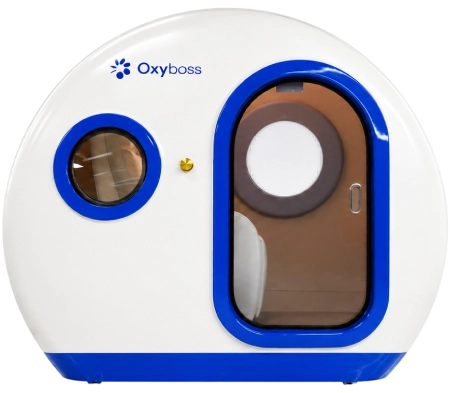
Room Chamber
Maximum air pressure
Hyperbaric oxygen chamber type
Hyperbaric oxygen chamber material
Hyperbaric chamber dimensions and weight
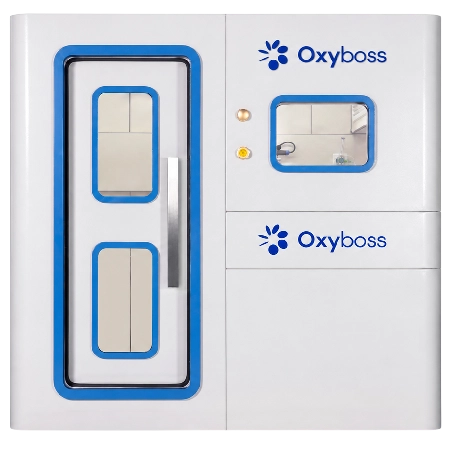
Room Chamber
Maximum air pressure
Hyperbaric oxygen chamber type
Hyperbaric oxygen chamber material
Hyperbaric chamber dimensions and weight
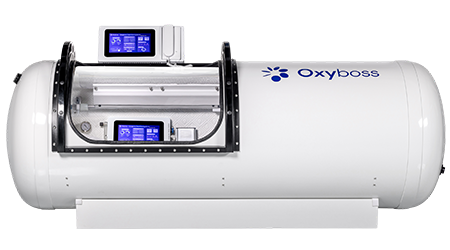
Capsule Chamber
Maximum air pressure
Hyperbaric oxygen chamber type
Hyperbaric oxygen chamber material
Hyperbaric chamber dimensions and weight
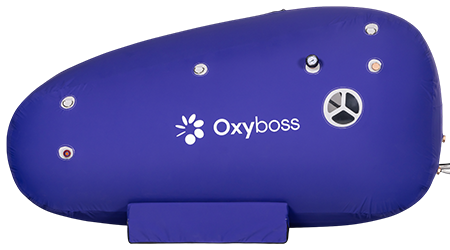
Triangular Chamber
Maximum air pressure
Hyperbaric oxygen chamber type
Hyperbaric oxygen chamber material
Hyperbaric chamber dimensions and weight
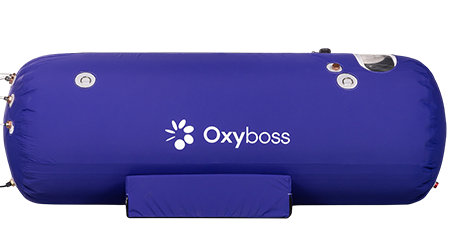
Lying-Type Chamber
Maximum air pressure
Hyperbaric oxygen chamber type
Hyperbaric oxygen chamber material
Hyperbaric chamber dimensions and weight
Height
Length
Width
Weight
Type
Shell-style Mini Hard Sitting Hyperbaric Chamber
Pressure
1.1 – 2.0 ATA
Material
Q235 Carbon Steel
Default color
White & Blue
Interior
PU sofa / seat load 150 kg

The oxygen system plays a central role in the operation of a hyperbaric chamber. A reliable, high-quality system can help reduce maintenance costs and minimize unnecessary operational issues.
At Oxyboss, we have developed an integrated 3-in-1 oxygen system that combines the oxygen concentrator, air compressor, and cooling system into a single unit. Compared with conventional designs commonly used by other brands, our current system represents a more advanced approach to integration, maintenance, and servicing.
The entire system is built around a modular structure, allowing each major component to be removed and replaced independently when needed. We have also optimized the internal wiring by combining multiple cable connections into a single plug, making installation as simple as plugging in a USB device.
These improvements are designed to significantly reduce potential failure points. Compared with traditional system layouts, this design can reduce maintenance-related issues by more than 90%, helping users avoid many of the problems caused by complicated wiring, difficult servicing, and tightly integrated components.
And even if a problem does occur, there is usually no need to dismantle or replace the entire system. The affected module can simply be removed and replaced, making repairs faster, easier, and more cost-efficient.
The result is a compact system that not only saves space, but also simplifies installation, daily operation, maintenance, and after-sales servicing. Most routine operations can be completed by just one person.
Dimensions
930*450*920 mm
Weight
130 kg / 140 kg
Total Air Flow
205 L/min
Rated Power
2200 W / 2900 W
Oxygen Concentration
93% ±3%
Air Flow Rate
120 L/min
Oxygen Flow Rate
10 L/min or 20 L/min
Therapy Pressure
1.1 ~ 2.0 ATA (Adjustable)
Product Features
Dual 10-inch Color Screens
Current
10 A / 15 A
Voltage
110V / 220V / 240V
Input Power
≤ 670 W
Rated Operating Current
≤ 3.20 A
Rated Working Pressure
200 kPa
Rated Air Flow
≥ 120 L/min
Maximum Instantaneous Pressure
250 kPa
Rated Speed
1390 ± 30 RPM
Noise Level
≤ 60 dB
Restart Pressure
0 kPa
Operating Ambient Temperature
5°C–40°C
Dielectric Strength
1800 V AC / 50 Hz / 1 min / 2 mA
Thermal Protector
Automatic Reset, 145 ± 5°C
Insulation Resistance (Cold State)
≥ 500 MΩ
Capacitor
25 μF ±5%, 450 V
Net Weight
10 kg
Type
Water-Cooled Air Conditioner
Air Conditioner Capacity
1.5 HP
Cooling Capacity
3.5 kW
Designed Service Life
15 Years
Tell us your preferred model, usage scenario, and customization needs. The Oxyboss team will provide product details, technical specifications, and a tailored quotation.