At Oxyboss, hyperbaric chamber design is part of our daily manufacturing work. We control the design, material selection, production process, and quality validation under one roof. This page explains how we think about chamber design — and why those decisions matter to anyone sourcing non-medical hyperbaric chambers.
Chamber Structure: Where Every Design Decision Begins
The structural type of a hyperbaric chamber determines its pressure capability, weight, portability, interior volume, user experience, and manufacturing complexity. There is no universally “best” chamber type — but there are clear engineering tradeoffs that buyers should understand before choosing a product.
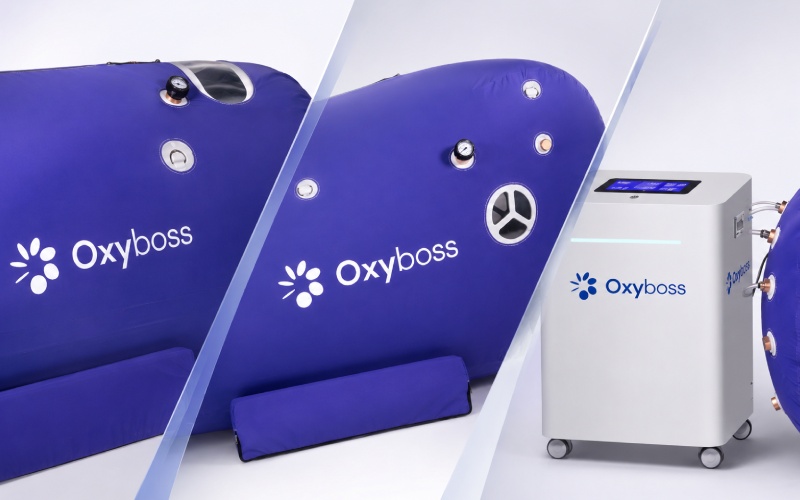
Soft Chambers
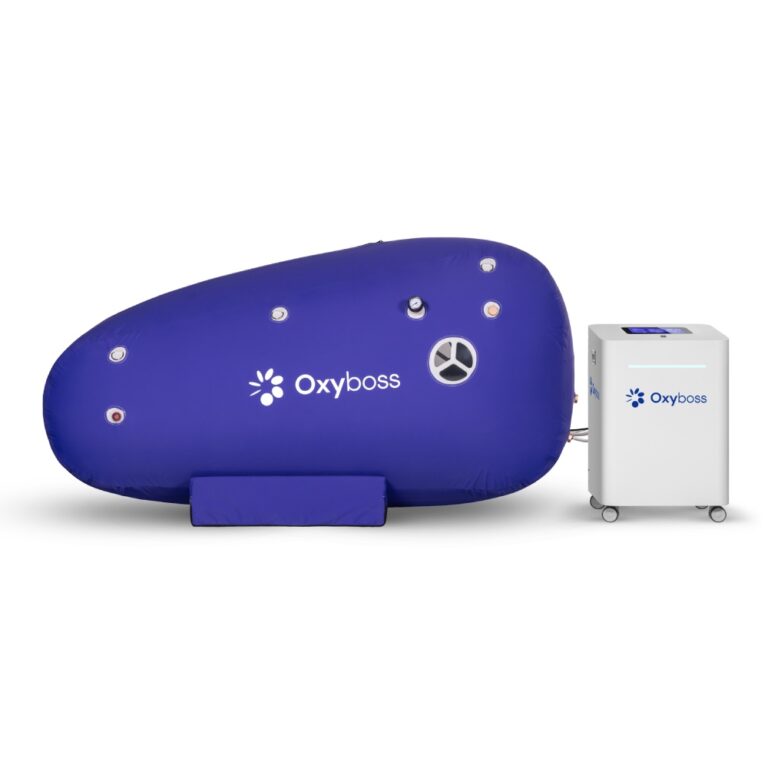
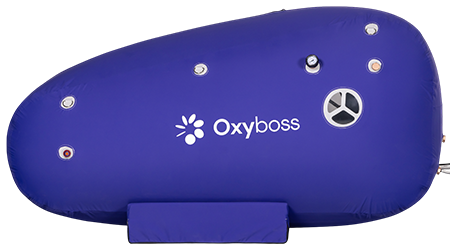
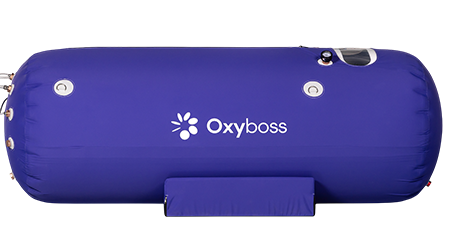
Soft chambers are inflatable chambers constructed from flexible TPU fabric and supported by internal air pressure. They are lighter, easier to move, and more practical for users who need portability or lower logistics cost. Oxyboss soft chambers are designed for working pressures up to 1.5 ATA.
The Oxyboss difference: Our soft chamber design uses high-frequency heat-welded seams instead of glue bonding. This improves sealing consistency and helps the chamber maintain airtight performance through repeated use. The chamber layout, zipper position, air ports, and internal space are all designed to balance portability, comfort, and pressure stability.
Hard-Shell Chambers
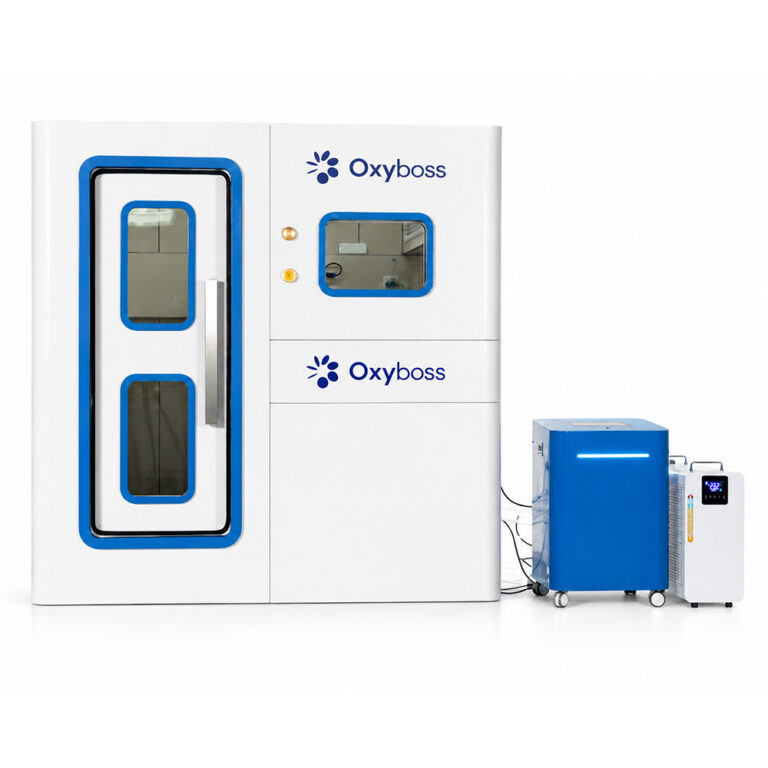
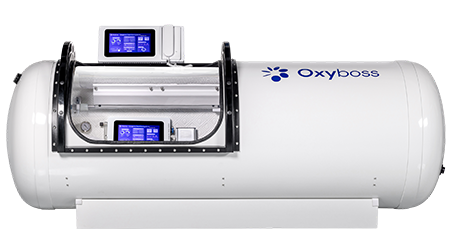
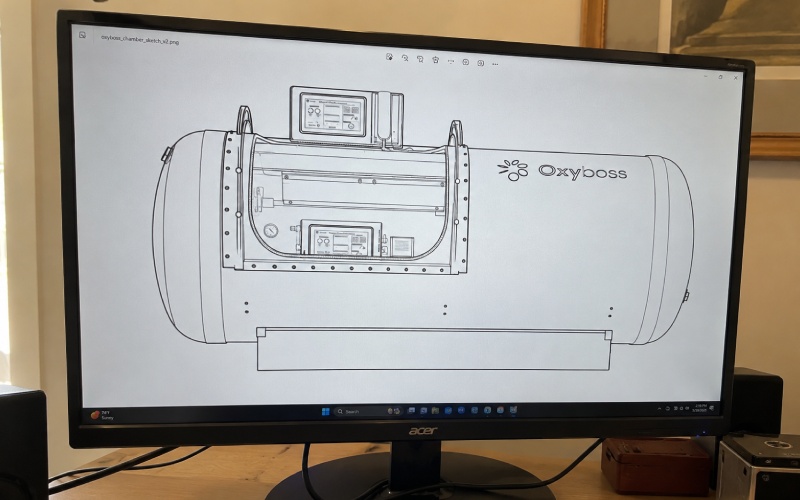
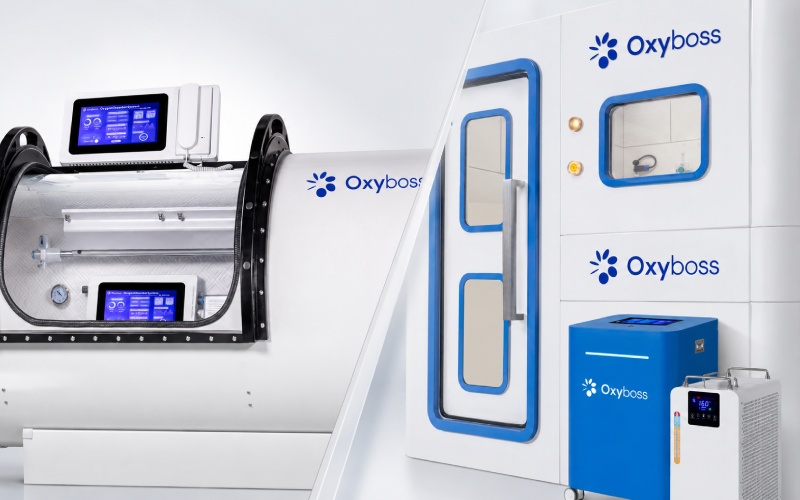
Hard-shell chambers use a rigid structure that maintains its shape independent of internal pressure. They are better suited for commercial environments where durability, premium appearance, and frequent daily use are important. Oxyboss hard-shell chambers are designed for working pressures up to 2.0 ATA.
The Oxyboss difference: Our hard-shell chamber design focuses on structural rigidity, precision door alignment, gasket compression, viewport placement, and easy operator access. The goal is not only to reach higher pressure, but to create a stable, comfortable, and serviceable chamber for long-term use.
Pressure Control & Sealing Integrity
Reaching a target pressure is simple. Reaching it smoothly, holding it stably, and releasing it gradually — session after session — is where design quality becomes visible.
Pressurization Experience
The rate of pressure increase affects user comfort, especially during ear and sinus equalization. A well-designed chamber should not feel abrupt or unstable during pressurization. Oxyboss designs the compressor, valve, air path, and control system as one integrated pressure system so the chamber can build pressure in a smooth and predictable way.
Pressure Stability
Once the chamber reaches operating pressure, the system needs to maintain a stable internal environment. This depends on the balance between air intake, exhaust, sealing performance, and control logic. A powerful compressor alone does not create a good pressure experience; the entire air and pressure system must be matched correctly.
Sealing System
Soft and hard-shell chambers require different sealing strategies. Soft chambers rely on welded seams, zipper structure, and fabric tension. Hard-shell chambers rely on door alignment, gasket compression, and frame precision. In both cases, the design goal is the same: the chamber should maintain pressure reliably while remaining practical for daily use and maintenance.
Airflow, Oxygen, and Cooling: The Cabin Environment Layer
A pressurized chamber is not a static sealed box. It is a continuously ventilated environment. The airflow design determines whether the user experiences a fresh, comfortable cabin — or stuffiness, heat buildup, and uneven air movement.
Fresh Air Circulation
Oxyboss chambers are designed to maintain continuous airflow during operation. Intake and exhaust positions are arranged to support even air distribution inside the cabin and reduce areas where stale air may collect. Good airflow design also supports pressure stability, because ventilation and pressure control must work together rather than against each other.
Poor airflow design can create turbulence, whistling, or uncomfortable air movement. Oxyboss focuses on smoother air paths and practical port placement so that airflow supports comfort without adding unnecessary noise.
Cooling & Temperature Management
Heat is a natural concern in hyperbaric chamber use. Pressurization, compressor operation, enclosed space, and user body heat can all affect the cabin environment. For this reason, cooling and ventilation should be considered during the design stage, not treated as an afterthought.
Oxyboss chamber design takes heat management into account through airflow layout, compressor placement, and cooling system integration. This helps support a more comfortable session experience, especially in commercial environments where chambers may be used multiple times per day.
Operational Noise
Noise is part of the user experience. In a spa, wellness center, or recovery studio, the chamber should support a calm environment rather than disturb it.
Oxyboss designs its chamber system around low-noise operation. Current Oxyboss systems operate at approximately 50 dB, making the chamber quiet enough for users to rest, read, or relax during a session.
Safety-Focused Design Philosophy
Safety in a non-medical hyperbaric chamber is not one feature. It is a design philosophy that affects pressure control, emergency release, material selection, user instructions, and daily operation.
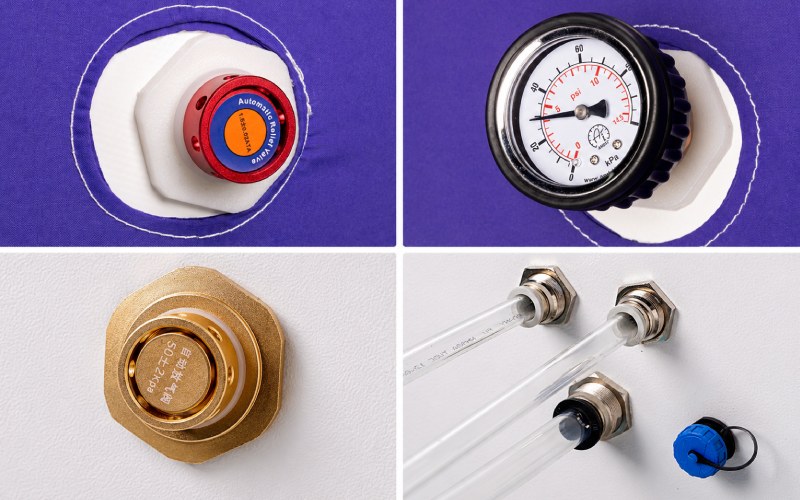
Pressure Relief
A chamber should be designed with pressure relief protection so that internal pressure does not exceed the intended working range of the model. This kind of mechanical safety design is important because it does not depend entirely on software or operator action.
Emergency Exit
Users should be able to exit the chamber from inside, and operators should be able to assist from outside. Entry, exit, release mechanisms, and control accessibility are all part of safety-focused chamber design.
Materials for Oxygen-Rich Environments
Elevated oxygen concentration requires careful attention to material selection and user guidance. Oxyboss considers oxygen compatibility, interior layout, exposed components, corrosion resistance, and user documentation during the design process. Clear instructions are also important so users understand what should never be brought into the chamber.
→ Safe operation guidelines: Hyperbaric Chamber Precautions
User Comfort & Daily Operation
A chamber designed only for pressure performance — but not for daily use — creates friction for operators and dissatisfaction for users. A good hyperbaric chamber design should consider both the person inside the chamber and the team operating it.
Interior Comfort
Interior space, mattress or seat design, viewport placement, lighting, and communication access all affect the user experience. A chamber may have strong technical specifications, but if it feels cramped, hot, noisy, or difficult to enter, the overall experience will suffer.
Oxyboss designs the cabin layout with attention to practical comfort: enough room for the intended posture, visible surroundings through viewports, accessible controls, and interior surfaces that are easier to clean in commercial use.
Operator Workflow
For wellness studios and recovery centers, daily operation matters. The chamber should be easy to prepare, easy to clean, easy to inspect, and easy to reset between sessions. Filters, seals, interior covers, control indicators, and access points should be designed with real operating conditions in mind.
A busy recovery studio running multiple sessions per day cannot afford a chamber that is difficult to clean, slow to reset, or confusing to operate. We design for that reality.
Design Validation Before Shipment
Design intent means nothing without manufacturing consistency. Before shipment, Oxyboss validates each chamber through material checks, assembly inspection, pressure-hold validation, airflow and cooling checks, emergency release checks, and final visual inspection.
This validation process helps confirm that the design is not only correct on paper, but also reliable as a finished product. Every chamber is individually checked before it leaves the factory.
→ Full testing methodology: Hyperbaric Chamber Test
Non-Medical Disclaimer
Oxyboss manufactures non-medical hyperbaric chambers designed for wellness and recovery environments. Our products are not medical devices and are not intended to diagnose, treat, cure, or prevent any disease or medical condition. Users should consult a qualified healthcare professional before beginning any new wellness routine.
Frequently Asked Questions
What makes a hyperbaric chamber well designed?
A well-designed hyperbaric chamber should balance structure, pressure control, sealing, airflow, cooling, comfort, safety, and daily usability. Good design is not only about appearance. It is about how the chamber performs during repeated use and how comfortable and practical it is for both users and operators.
What chamber type is best for a commercial wellness center?
It depends on your available space, expected usage frequency, target clients, and budget. Hard-shell chambers are often preferred for commercial environments that need durability and a premium look. Soft chambers are lighter, more portable, and easier to place in flexible spaces. Oxyboss can help buyers compare chamber types based on actual usage needs.
What is the typical working pressure of an Oxyboss non-medical hyperbaric chamber?
Oxyboss soft chambers are designed for working pressures up to 1.5 ATA. Oxyboss hard-shell chambers are designed for working pressures up to 2.0 ATA. The suitable chamber type depends on your intended use, target market, and local regulatory requirements.
How quiet are Oxyboss chambers during operation?
Oxyboss chamber systems operate at approximately 50 dB under standard operating conditions. This supports a quieter wellness or recovery environment and allows users to rest, read, or relax more comfortably during sessions.
Can Oxyboss support customization?
Yes, Oxyboss can support selected customization. For most buyers, we recommend starting from an existing chamber model and adjusting details only where necessary.
What maintenance should be considered in chamber design?
Routine maintenance may include filter replacement, seal inspection, interior cleaning, and compressor care. From a design perspective, maintenance-related parts should be accessible, replaceable, and easy to inspect. This is especially important for commercial spaces where the chamber may be used repeatedly throughout the day.
Start Your Chamber Project With a Real Manufacturer
Whether you need to choose the right model for a wellness studio, compare chamber structures for distribution, or source reliable non-medical hyperbaric chambers for your business, Oxyboss can help you understand the design differences that matter.
Send us your requirements, target use scenario, or model preferences. Our team will review your needs and recommend a suitable chamber direction.