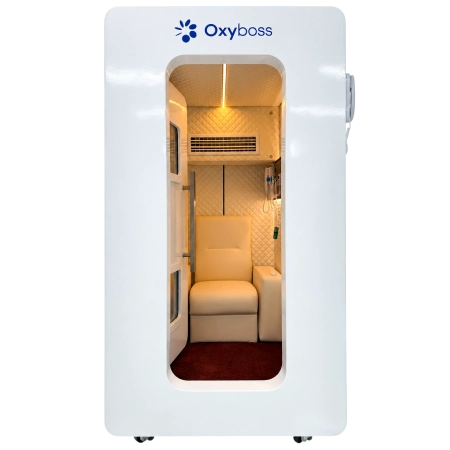
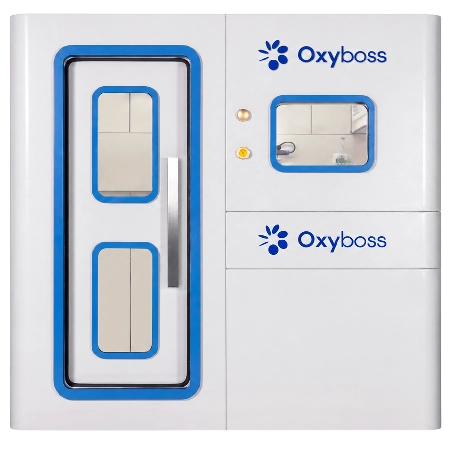
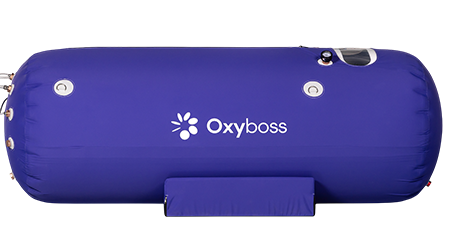
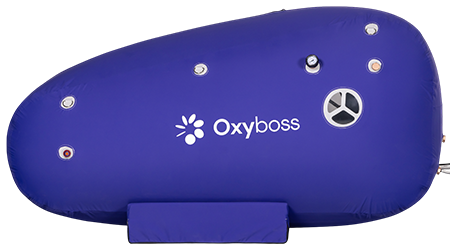
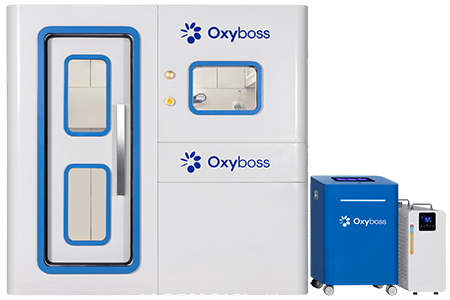
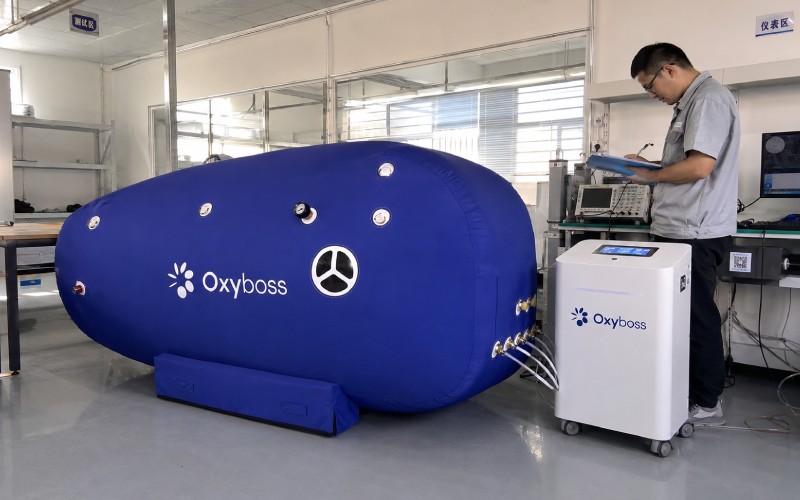
Every hyperbaric chamber that leaves our factory goes through a structured testing and inspection sequence. This is not a courtesy step — it is embedded in our production process.
A hyperbaric chamber is a pressure-based equipment system. It manages internal pressure, airflow, sealing integrity, and occupant comfort throughout each session. If any component in that system underperforms — a connector that weeps air, a relief valve that sticks, a control display that misreads pressure — the entire product fails its purpose.
That is why a thorough hyperbaric chamber test process matters, and why it should influence every buyer’s decision when evaluating suppliers.
This page explains what our factory testing and inspection looks like in practice, what specific checks we perform, and how you can verify quality before accepting shipment.
Why Testing Should Be Part of Your Supplier Evaluation
When you compare manufacturers, discussions usually start with price, chamber dimensions, and pressure specifications. Those details matter — but they reveal nothing about what happens between final assembly and the moment a chamber reaches your facility.
A manufacturer that cannot describe its testing process in concrete terms is asking you to accept quality on faith. A manufacturer that documents its hyperbaric chamber factory test results and shares them with buyers provides something far more useful: verifiable evidence.
Proper pre-shipment testing helps confirm that the chamber can reach and hold its designed pressure, maintain sealing integrity, operate as a complete system, and arrive ready for use. For distributors, wellness centers, and OEM buyers, this matters because a preventable defect can lead to downtime, client complaints, and additional service cost.
Factory testing cannot predict every issue across a product’s full service life, but it helps prevent avoidable defects from reaching buyers. In a commercial environment where equipment reliability affects both revenue and client trust, that reduction is worth demanding from any supplier.
The Oxyboss Inspection & Test Process: Stage by Stage
Our hyperbaric chamber quality control process is not a single checkpoint. It is a series of inspections and functional verifications spanning the full production cycle, with the most intensive phase occurring once a chamber is fully assembled and ready for system-level testing.
1. Chamber Body & Structural Inspection
Before pressurization begins, we inspect the physical build of the chamber.
- TPU fabric surface: consistency, color accuracy, absence of impurities or thin spots
- Seam quality: uniformity, bond strength, no puckering or separation at high-frequency welded or hot-air sealed areas
- Reinforcement patches at stress concentration points
- Zipper or closure system: smooth operation, straight alignment, secure end-stops
- Window panels: optical clarity, bonding integrity, correct placement

- Shell surface: uniform finish, no dents, cracks, or warping
- Door seal and locking mechanism: even compression, smooth engagement
- Structural joints, welds, and fastener points: soundness and alignment
- Viewport assemblies: proper seating and continuous seal
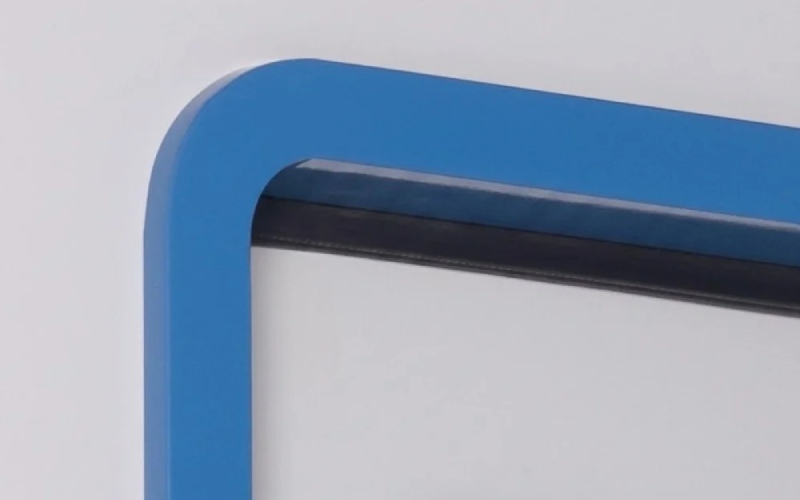
This step establishes that the chamber has been built correctly before any pressure is applied.
2. Pressure Test
The hyperbaric chamber pressure test is the most fundamental performance verification.
The chamber is pressurized to its model-specific designed working pressure — typically 1.5 ATA for soft-shell chambers and 2.0 ATA for hard-shell chambers — using the compressor and control unit that will ship with that specific chamber. We do not test with generic bench equipment; we test the actual system the buyer will receive.
During pressurization, we monitor:
- Pressure buildup curve: smooth, consistent rise without stalling or irregular fluctuation
- Compressor behavior: operating within normal noise, temperature, and vibration parameters
- Gauge and display accuracy: readings on the control panel correspond to verified reference instruments
The chamber must reach its rated pressure within the design-specified timeframe. If the pressurization profile deviates from expected behavior, the unit is flagged for investigation before proceeding.
3. Sustained Pressure Hold
Once target pressure is reached, the chamber enters a pressure holding test phase.
The system is sealed — compressor off, all valves closed — and held at working pressure for at least 30 minutes, or longer when required by the order or inspection plan. During this window, the pressure gauge is monitored at defined intervals to detect any drop indicating a leak or seal degradation.
Acceptance criteria: Acceptance criteria: Pressure must remain within the model-defined acceptable range of the initial sealed value throughout the entire hold period. Any measurable decline beyond this threshold triggers a leak investigation.
This test is essential because a chamber that pressurizes quickly but bleeds pressure during use is not fit for service. Pressure stability over a sustained period separates reliable manufacturing from assembly that looks complete but performs poorly under real conditions.
4. Leak Detection & Sealing Verification
The hyperbaric chamber leak test specifically targets identification and elimination of air escape points.
While the chamber is pressurized, technicians systematically inspect all common leakage zones:
- Zipper track and end-stops, for soft-shell chambers
- Door seal contact surfaces and frame, for hard-shell chambers
- Valve mounting points and threaded connections
- Hose barb fittings and quick-connect couplings
- Window bonding perimeters
- Body seams, weld lines, and reinforcement edges
- Pass-through ports for electrical or accessory connections
Detection methods include visual inspection, tactile assessment, auditory monitoring, and bubble testing, where detection fluid is applied to suspected areas under pressure to locate accessible leak points.
Any confirmed leak point is documented, corrected by the production team, and the unit is re-pressurized and re-tested. A chamber does not advance to the next stage with a known sealing deficiency.
5. Valve & Safety Relief Verification
Valves are safety-critical. This stage tests every valve in the system across its full operating range:
- Inlet valve — Fully opens for pressurization, closes securely, no bypass leakage when shut
- Exhaust valve — Provides controlled, adjustable depressurization across its full range
- Pressure relief valve — Activates at the designed threshold to prevent over-pressurization; reseats cleanly after activation
- Emergency release — Functions immediately when engaged, providing rapid depressurization without delay or sticking
Each valve is cycled multiple times to confirm repeatable, consistent response. Connection points are verified for tightness and absence of air leakage at their mounting interfaces.
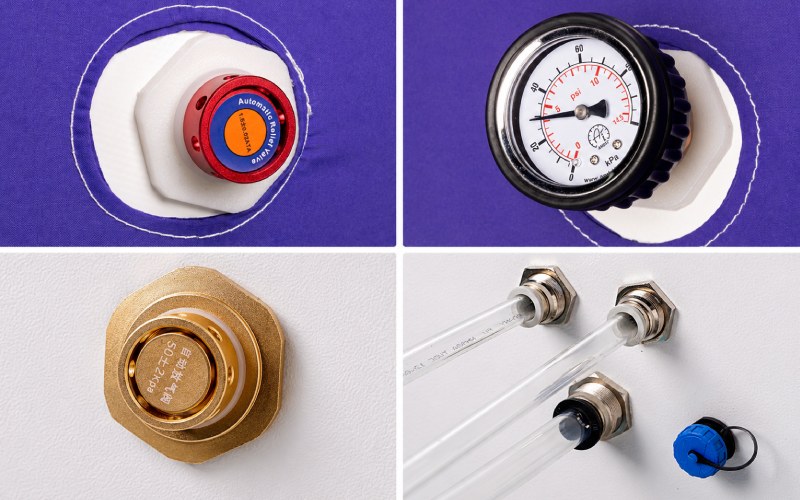
This is non-negotiable. A pressure relief valve that activates late — or not at all — represents a fundamental safety failure. We verify this on every unit.
6. Airflow & Ventilation Performance
The hyperbaric chamber airflow test evaluates whether ventilation delivers adequate fresh air exchange during operation:
- Inlet provides steady, consistent flow at the designed rate
- Exhaust allows proper air release without destabilizing chamber pressure
- Internal airflow reaches the occupant zone effectively
- Cooling fans or active ventilation, where equipped, operate without abnormal noise, vibration, or obstruction
Adequate airflow is a comfort and breathability requirement for any pressurized enclosure intended for extended sessions.
7. Oxygen System Verification
For chambers equipped with oxygen delivery accessories, the oxygen system test covers:
- Concentrator powers on, reaches stable output, and operates within specified parameters
- Tubing, connectors, mask/cannula fittings are secure, unobstructed, and free from kinks
- Oxygen-side connections are tight and do not introduce leaks into the chamber pressure envelope
- Accessories match the chamber model and are properly labeled
Oxyboss non-medical hyperbaric chambers are designed for wellness, recovery, and relaxation applications. Oxygen accessories should be used only according to the included instructions and applicable local regulations.
8. Control Panel & Electrical System
The control panel is the end-user’s primary interface. We verify:
- Power connection and startup sequence complete without fault
- All buttons, switches, and touch controls respond correctly
- Display readouts — pressure, timer, status indicators — are accurate and legible
- Preset programs and mode selection function as designed
- Auto-shutoff and timer countdown trigger depressurization correctly at session end
- Grounding and electrical continuity meet product safety requirements
9. Cabin Environment Management, Where Equipped
Chambers with environment management features receive dedicated testing to confirm stable airflow, ventilation comfort, and normal component operation during pressurized use.
We verify:
- Air circulation and airflow coverage inside the chamber
- Air inlet and outlet performance during operation
- Ventilation consistency and overall interior comfort including noise level
- Secure mounting of related components — no rattle, abnormal vibration, or mechanical interference
10. Final Visual & Accessory Audit
Before packing, every unit undergoes a complete visual inspection and inventory check:
- Appearance — Surface finish, color uniformity, print quality, logo placement, label legibility, absence of cosmetic defects
- Accessories — Hoses, connectors, masks/cannulas, pressure gauges, spare parts, remote controls, comfort items, and any custom components specified in the order
- Documentation — User manual, safety precaution sheet, quick-start guide, warranty card
- Labels — Model number, serial number, safety warnings, voltage specification, manufacturing date, batch identification
11. Packaging & Shipment Verification
The final stage of hyperbaric chamber inspection before the unit enters the logistics chain:
- Chamber is properly folded, for soft-shell models, or secured with protective fixturing, for hard-shell models
- All accessories are individually wrapped and positioned to prevent movement damage
- Carton weight, dimensions, and shipping marks match logistics documentation
- Order number, batch code, destination, and quantity are verified against the purchase order
- Outer carton condition is confirmed — no pre-existing damage, tape integrity sound
A quality product that arrives damaged due to negligent packing is still a quality failure from the buyer’s perspective. We treat packaging inspection as the last gate before transfer of custody.
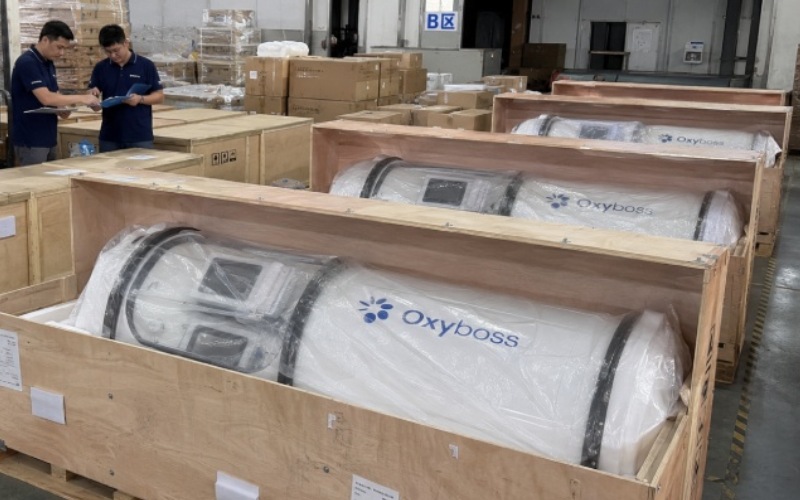
What Makes Oxyboss Testing Different
Several aspects of our inspection approach are designed to give professional buyers clearer evidence before shipment:
- Full-unit testing, not batch sampling. We perform functional testing — including pressurization, hold, and system checks — on every finished chamber. We do not rely on statistical sampling to extrapolate batch quality.
- Integrated system testing. The compressor, control panel, and chamber body are tested together as a complete system — the same system the buyer will receive. Components are not validated in isolation and assumed to work together.
- Individual unit traceability. Each chamber carries a unique serial number linked to its production and test records.
- Pre-shipment documentation on request. Buyers can request test reports, photos, and video evidence specific to their order before authorizing shipment release.
What Buyers Can Request Before Shipment
Oxyboss supports buyers who want to verify product quality before authorizing dispatch.
Depending on your order terms and requirements, you may request:
| Documentation Type | What It Includes |
| Hyperbaric chamber test report | Summary of key inspection results for your specific unit(s) — pressure hold data, leak test status, system verification checklist |
| Pre-shipment photos | Chamber under pressure, gauge readings, accessories, labels, packaging condition |
| Pre-shipment video | Pressurization cycle, control panel operation, valve function, or other specific checks you nominate |
| Custom QC documentation | Tailored to your company’s internal quality format or compliance requirements |
For distributors and OEM buyers, this documentation provides evidence before shipment — not just reassurance.
What Testing Does Not Mean
We are transparent about the scope and purpose of our testing:
- Testing confirms that the product functions according to its design specifications and meets our internal manufacturing quality standards.
- Testing does not classify the chamber as a medical device, clinical equipment, or regulated therapeutic apparatus.
- Oxyboss non-medical hyperbaric chambers are designed for wellness, relaxation, recovery, and general wellbeing applications.
- Our chambers are not intended to diagnose, treat, cure, or prevent any disease.
- Users must always follow the instruction manual, observe all safety precautions, and comply with local regulations and applicable standards in their jurisdiction.
Testing is a manufacturing quality process. It is not a clinical validation or regulatory certification procedure.
Frequently Asked Questions
What does a hyperbaric chamber test include?
It typically includes pressure testing, sustained pressure holding, leak detection, valve and safety relief verification, airflow checks, control panel inspection, oxygen system inspection where applicable, accessory audit, and packaging verification. The exact checklist depends on the chamber model and order requirements.
How long is the pressure holding test?
The chamber is held at its model-specific working pressure for at least 30 minutes with the system sealed. Exact parameters may vary by model, order requirements, and inspection plan. For Oxyboss chambers, this is typically 1.5 ATA for soft-shell models and 2.0 ATA for hard-shell models. Exact parameters are model-dependent and defined according to the product’s testing requirements.
Do you test every unit or sample from each batch?
Yes. Every finished chamber is functionally tested before shipment. We do not rely only on batch sampling for final QC.
Can I get a test report for my order?
Yes. Buyers may request a hyperbaric chamber test report for their specific units. Photo and video evidence can also be provided when required.
Does factory testing mean this is a medical device?
No. Factory testing is a manufacturing QC process. It is not medical device certification or clinical validation. Oxyboss chambers are non-medical wellness equipment.
What if a unit fails during testing?
The unit is removed from the shipment queue, the issue is diagnosed and corrected by our production team, and the chamber is re-tested before shipment.
Can I send a third-party inspector to your factory?
Yes. We accommodate third-party inspection visits. If you work with an independent QC agency, coordinate timing with our sales team when placing your order.
Are OEM/ODM orders tested to the same standard?
Yes. Custom and white-label orders go through the same testing sequence as our standard product line. Additional testing requirements can be discussed during the order phase.
Can I visit the factory to observe testing in person?
We welcome factory visits from serious buyers. Contact our team to schedule a visit that includes a walkthrough of our production line and testing area.
Next Step: Talk to Oxyboss
Whether you are a distributor placing a bulk order, a wellness studio selecting a long-term equipment partner, or an OEM client developing a custom chamber product — the reliability of what you receive depends on what happens inside the factory before shipment.
Here is what you can do right now:
- Request a quote for the chamber model that fits your project
- Ask for a sample test report to see how we document our QC process
- Request a pre-shipment test video for your specific order
- Schedule a factory visit to observe production and testing firsthand
- Discuss OEM/ODM requirements with our product and engineering team
We build hyperbaric chambers. We test them. And we give you the documentation to prove it.
Oxyboss manufactures non-medical hyperbaric chambers for wellness, recovery, spa, and home wellness environments. Products are not medical devices and are not intended to diagnose, treat, cure, or prevent disease. Users should follow all product instructions, safety guidelines, and applicable local regulations.