Few topics in modern longevity research generate as much interest as telomere biology. The relationship between telomere length and how our cells age has become one of the most closely studied areas in biomedical science. More recently, researchers have begun exploring whether repeated exposure to pressurized oxygen — known as hyperbaric oxygen therapy, or HBOT — may influence telomere dynamics in measurable ways.
The connection between hyperbaric chamber use and telomere length is still an emerging area of study. But the biological principles underlying the research are well-established, and the early findings have been specific enough to attract serious scientific attention. This article explores what telomeres are, why researchers measure them, the cellular mechanisms that may link intermittent hyperoxia to telomere biology, and what the published research has actually observed.
What Are Telomeres, and Why Do They Matter?
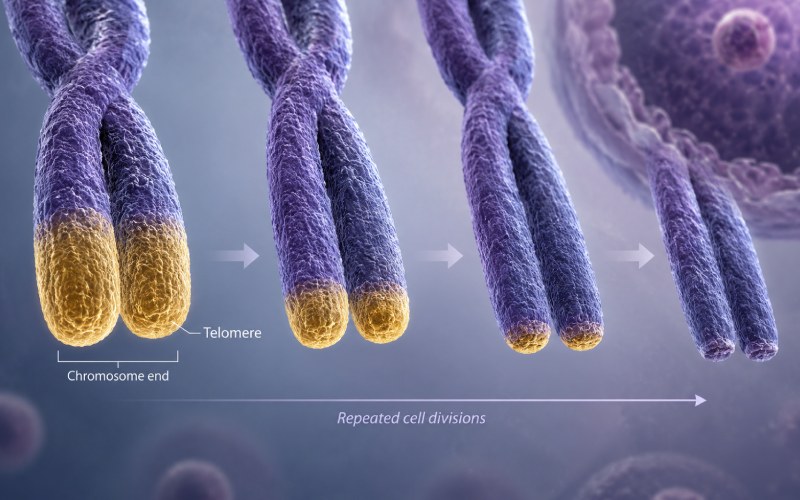
Telomeres are repetitive sequences of non-coding DNA located at the tips of every chromosome. Often compared to the plastic caps on shoelaces, they serve a protective function: they prevent chromosomes from fraying, fusing with neighboring chromosomes, or losing essential genetic information during cell division.
Each time a human cell divides, the DNA replication machinery is unable to fully copy the very end of a chromosome. As a result, telomeres shorten slightly with every division. This is sometimes referred to as the “end-replication problem.” After many rounds of division, telomeres may become critically short, at which point the cell typically enters a state called replicative senescence — it stops dividing and begins to function differently.
An enzyme called telomerase can add nucleotide sequences back onto telomere ends, partially counteracting this shortening process. However, most adult somatic cells express telomerase at very low levels or not at all, which means telomere attrition tends to accumulate over a lifetime.
Researchers study telomere length because it serves as one measurable indicator of cellular aging. Shorter average telomere length in white blood cells, for example, has been associated in population studies with increased biological age and various markers of age-related decline. While telomere length is not the sole determinant of how a cell or organism ages, it is considered one of the recognized hallmarks of the aging process at the cellular level.
What Influences Telomere Length?
Telomere shortening is not a purely mechanical process driven only by cell division. Several biological factors may accelerate or modulate the rate at which telomeres shorten over time.
Oxidative Stress
Telomeric DNA is particularly vulnerable to damage from reactive oxygen species (ROS). The guanine-rich sequences that make up telomeric repeats are more susceptible to oxidative modification than most other regions of the genome. Chronic, unregulated oxidative stress has been associated with accelerated telomere attrition in multiple studies.
Chronic Inflammation
Persistent low-grade inflammation — sometimes described as “inflammaging” — drives increased immune cell turnover. As immune cells divide more frequently to respond to inflammatory signals, their telomeres shorten more rapidly. This creates a feedback loop in which shortened telomeres in immune cells may further impair immune surveillance.
DNA Repair Capacity
Cells have sophisticated repair mechanisms to fix damaged DNA, including damage at telomeric regions. The efficiency of these repair pathways varies between individuals and tends to decline with age. When DNA repair is impaired, telomeric damage accumulates more quickly.
Cellular Senescence
When cells become senescent — alive but no longer dividing — they release a characteristic mix of inflammatory signaling molecules known as the senescence-associated secretory phenotype (SASP). This secretory profile may contribute to tissue-level inflammation and may affect the telomere dynamics of neighboring cells. The accumulation of senescent cells is itself considered a hallmark of aging.
Mitochondrial Function
Mitochondria, the organelles responsible for cellular energy production, are both a primary source of intracellular ROS and a key regulator of cellular metabolism. Declining mitochondrial function with age may contribute to increased oxidative burden and reduced capacity for cellular maintenance, both of which are relevant to telomere biology.
How Hyperbaric Oxygen Exposure May Relate to Telomere Biology
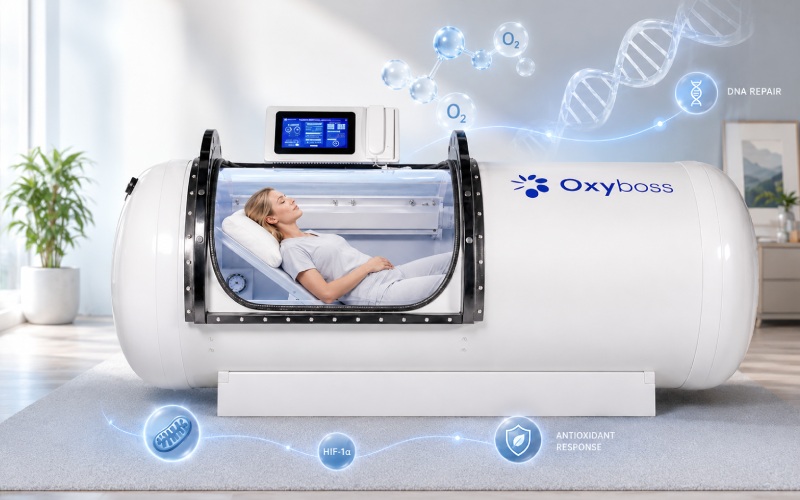
In clinical research, HBOT commonly refers to breathing high-concentration or 100% oxygen inside a pressurized chamber. The pressure level, oxygen concentration, session duration, and oxygen-cycling structure can vary depending on the protocol and intended setting. Under increased pressure, more oxygen can dissolve into blood plasma than is possible under normal atmospheric conditions, increasing oxygen availability to tissues throughout the body.
At first glance, increasing oxygen levels might seem counterproductive to telomere preservation — after all, oxidative stress is known to damage telomeres. However, the relationship between oxygen, oxidative stress, and biological adaptation is more nuanced than it appears. Researchers have identified several interconnected mechanisms through which repeated, controlled hyperbaric oxygen exposure may influence pathways relevant to telomere maintenance.
The Hyperoxic-Hypoxic Paradox
One of the central concepts in understanding how HBOT may relate to cellular aging is known as the hyperoxic-hypoxic paradox. This phenomenon, described in detail by researchers at Tel Aviv University, refers to the observation that repeated cycles of high oxygen exposure followed by a return to normal atmospheric conditions may trigger some of the same adaptive responses the body uses during low-oxygen, or hypoxic, conditions.
During a hyperbaric session, tissues experience a significant rise in dissolved oxygen. When the session ends and the person returns to normal air, there is a relative drop in tissue oxygen levels. The body may interpret this fluctuation as a form of intermittent hypoxia, activating regenerative signaling cascades that would not normally occur at rest under stable conditions. This intermittent hyperoxic stimulus, repeated over many sessions, is thought to be key to the biological responses observed in research settings.
HIF-1α Signaling
One of the primary pathways activated during hypoxic or pseudohypoxic signaling is the hypoxia-inducible factor (HIF) pathway. HIF-1α is a transcription factor that, when stabilized, triggers the expression of genes involved in angiogenesis, metabolic adaptation, stem cell activity, and tissue repair. Research has observed that repeated HBOT exposures may induce increased HIF expression, which then gradually normalizes after therapy ends. This intermittent activation pattern — rather than chronic elevation — appears to be an important aspect of the adaptive response.
Controlled Oxidative Stress and Antioxidant Adaptation
A single hyperbaric oxygen exposure does increase the generation of reactive oxygen species within cells. However, this acute oxidative signal also triggers upregulation of endogenous antioxidant defense systems, including increased expression of antioxidant genes and production of scavenging molecules.
With repeated sessions, research suggests that this response may become progressively more robust. Notably, the biological half-life of antioxidant and scavenger molecules tends to be longer than the half-life of the ROS they neutralize. This means that upon returning to normal oxygen levels after repeated hyperbaric exposures, the ratio of protective scavengers to damaging ROS may shift in favor of cellular protection. This concept parallels the hormesis model seen in exercise physiology and caloric restriction, where controlled, intermittent stress generates a net adaptive benefit over time.
For telomere biology specifically, this antioxidant adaptation is potentially significant, given that telomeric DNA is especially vulnerable to oxidative damage.
DNA Repair and Cellular Maintenance
The signaling cascades triggered by intermittent hyperoxia may also support DNA repair mechanisms. Research into HBOT’s broader cellular effects has noted changes in gene expression patterns related to cellular maintenance, including pathways involved in managing DNA damage. While the direct measurement of telomeric DNA repair under HBOT conditions remains an area for further study, the activation of these broader repair systems may contribute to the telomere-related observations reported in research.
SIRT1 and Metabolic Regulation
Sirtuin proteins, particularly SIRT1, are NAD+-dependent enzymes involved in metabolic regulation, stress response, and genomic stability. SIRT1 activity has been linked to telomere maintenance and has been discussed as one of the downstream pathways potentially influenced by HBOT-induced signaling cascades. Increased SIRT1 activity may support cellular resilience through multiple mechanisms, including improved mitochondrial function and enhanced DNA repair capacity.
Mitochondrial Biogenesis
Repeated hyperbaric oxygen sessions have been associated with signals that may promote mitochondrial biogenesis — the generation of new, functional mitochondria within cells. Healthier mitochondrial populations may reduce the baseline oxidative burden on cells, which could indirectly support telomere preservation by reducing the chronic oxidative damage that telomeric DNA is particularly susceptible to.
VEGF, Angiogenesis, and Stem Cell Mobilization
In certain research contexts, HBOT-related signaling has been associated with increased expression of vascular endothelial growth factor (VEGF) and angiogenesis-related pathways — the formation of new blood vessels. Additionally, research has noted that HBOT protocols may stimulate stem cell proliferation and mobilization. These processes are part of the body’s tissue repair and regeneration systems, and while their direct link to telomere length is still being studied, they form part of the broader regenerative signaling environment that intermittent hyperoxia may support.
What Has Research Observed?
The most widely cited study on hyperbaric chamber exposure and telomere length was published in the journal Aging in 2020 by a research team affiliated with Tel Aviv University. The prospective trial enrolled 35 healthy adults aged 64 and older who received 60 hyperbaric oxygen sessions over approximately three months. Each session lasted 90 minutes at 2.0 ATA, breathing 100% oxygen with intermittent air breaks every 20 minutes. No changes to participants’ diet, lifestyle, or medications were permitted during the trial.
Blood samples were collected at baseline, after 30 sessions, after 60 sessions, and one to two weeks following the final session. The researchers measured telomere length and senescent cell concentrations in peripheral blood mononuclear cells (PBMCs), including T helper cells, T cytotoxic cells, natural killer cells, and B cells.
The study reported that telomere length increased by over 20% across the immune cell types measured. B cells showed the largest observed change, with an increase of approximately 37.63% post-HBOT. The study also reported a decrease in the percentage of senescent T helper cells by approximately 37.30% and senescent T cytotoxic cells by approximately 10.96% following the protocol.
The authors described these findings as potentially reflecting senolytic effects — meaning a reduction in the burden of non-dividing senescent cells within immune cell populations. They noted that the repeated intermittent hyperoxic protocol, rather than continuous oxygen exposure, appeared to be central to the observed outcomes.
A 2024 review published in Frontiers in Aging also summarized research suggesting that HBOT may influence gene expression, cellular senescence, and telomere-related pathways. While this does not replace large controlled human trials, it supports the view that HBOT belongs in the broader scientific conversation around regenerative biology and aging.
It is important to note that these findings represent observed associations in specific research protocols. They do not guarantee that every individual will experience similar changes, and the research is still in relatively early stages. Telomere length measurement in blood cells reflects the specific populations of immune cells circulating at the time of sampling, and changes in cell populations — such as a reduction in older senescent cells and an increase in newer cells with longer telomeres — may itself contribute to the measured differences. This is an active area of scientific discussion.
Placing These Findings in Context
The relationship between hyperbaric chamber use and telomere length is part of a broader and growing body of research exploring how environmental and physiological interventions may influence the biology of cellular aging. HBOT is not the only intervention being studied in this context — exercise, nutrition, sleep optimization, and various pharmacological approaches are all being investigated for their effects on telomere dynamics and senescent cell accumulation.
What makes the HBOT research notable is the specificity of the mechanisms proposed and the measurability of the outcomes reported. The hyperoxic-hypoxic paradox provides a coherent physiological framework for understanding how increased oxygen exposure might activate regenerative and protective pathways rather than simply increasing oxidative damage. The involvement of well-characterized signaling molecules — HIF-1α, VEGF, SIRT1 — connects the observations to established areas of cellular biology.
As research continues, larger and longer-term studies will help clarify the durability of the observed changes, the optimal protocols for different populations, and the degree to which changes in blood-based telomere measurements reflect broader systemic effects.
About OxyBoss
The research around HBOT and telomere biology points to one practical truth: pressure, oxygen exposure, session structure, and consistency all matter.
That is exactly where chamber design becomes important.
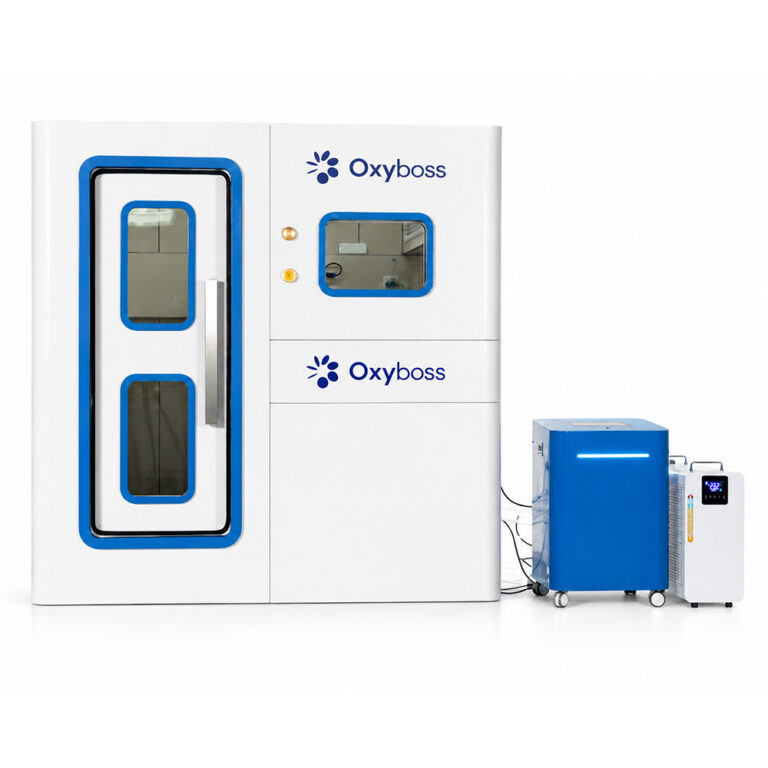
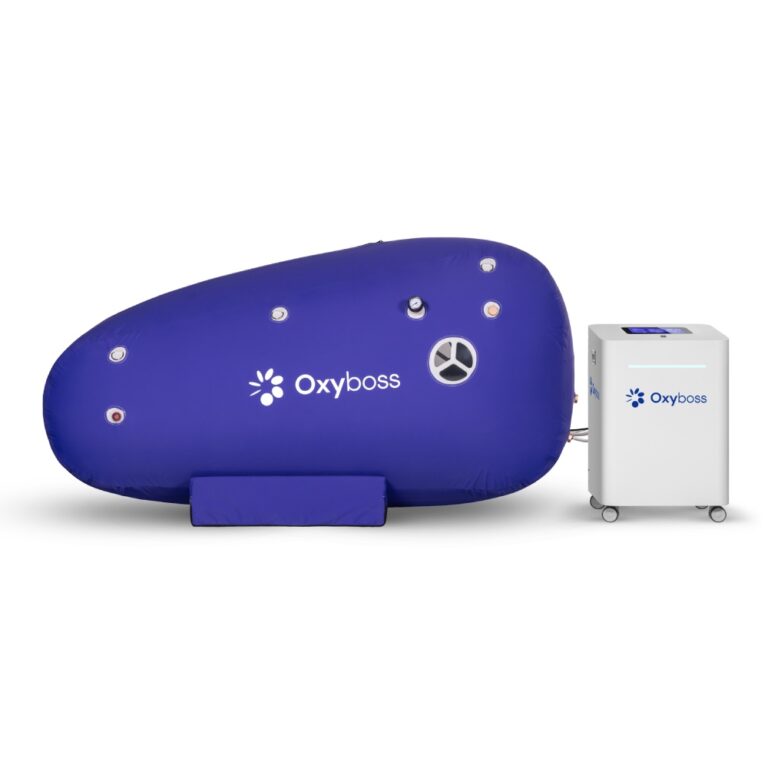
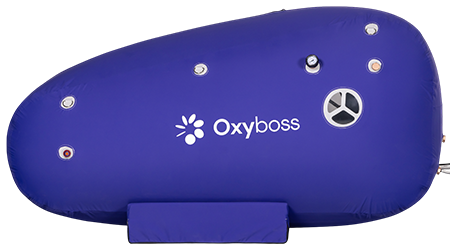
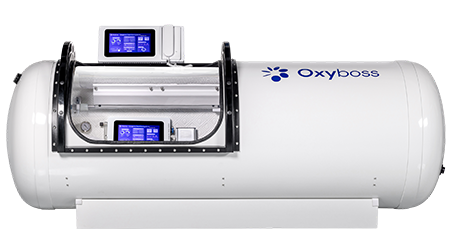
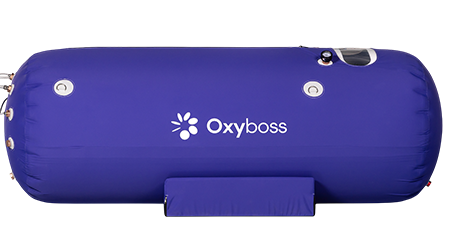
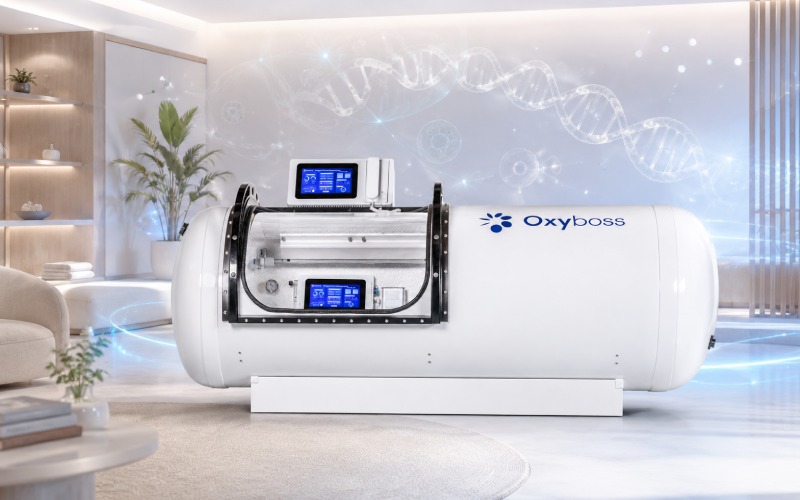
OxyBoss designs and manufactures hyperbaric chamber solutions for users who want to bring controlled oxygen-pressure environments into home wellness, recovery studios, spas, fitness centers, and professional wellness settings. OxyBoss chambers are built with an emphasis on quality engineering, user comfort, accessibility, and repeatable use — making hyperbaric environments available for both home and professional applications.
OxyBoss does not turn early cellular-aging research into exaggerated promises. Instead, we focus on building chambers that make repeated, comfortable, and responsible hyperbaric oxygen exposure possible in real-world environments.
Frequently Asked Questions
What is the connection between hyperbaric chamber use and telomere length? Research has observed that repeated hyperbaric oxygen sessions, using specific protocols involving intermittent hyperoxia, may be associated with increases in measured telomere length in certain immune cell populations. The proposed mechanisms involve adaptive responses to cycling oxygen levels, including antioxidant upregulation, HIF-1α signaling, and possible changes in senescent cell populations.
Does HBOT guarantee telomere lengthening? No. The findings reported in published research reflect observed associations under controlled conditions in specific study populations. Individual responses may vary, and telomere lengthening is not a guaranteed outcome of hyperbaric oxygen exposure.
Is HBOT considered an anti-aging treatment? HBOT is being studied in the context of cellular aging and longevity research, but it is not classified or approved as an anti-aging treatment. The research is promising and ongoing, and users should follow appropriate operating guidance and consult a qualified healthcare professional when medical concerns are present.
What is the hyperoxic-hypoxic paradox? It is a concept describing how repeated cycles of high oxygen exposure followed by a return to normal oxygen levels may trigger adaptive biological responses similar to those normally activated during low-oxygen conditions. This paradox is considered a possible mechanism behind some of the regenerative effects observed in HBOT research.
This article is for educational purposes only and does not constitute medical advice. The content is based on published scientific research and is intended to inform general readers about an emerging area of study. Users should follow the operating instructions provided with their chamber and consult a qualified healthcare professional before beginning any hyperbaric oxygen routine, particularly if they have existing medical conditions.
References
[1] Hachmo, Y., Hadanny, A., Abu Hamed, R., et al. “Hyperbaric oxygen therapy increases telomere length and decreases immunosenescence in isolated blood cells: a prospective trial.” Aging, 2020. https://pmc.ncbi.nlm.nih.gov/articles/PMC7746357/
[2] Tel Aviv University Research Portal. “Hyperbaric oxygen therapy increases telomere length and decreases immunosenescence in isolated blood cells: a prospective trial.” https://cris.tau.ac.il/en/publications/hyperbaric-oxygen-therapy-increases-telomere-length-and-decreases/
[3] Gkotzamanis, S., et al. “Hyperbaric oxygen therapy as a potential treatment for aging and age-related diseases.” Frontiers in Aging, 2024. https://www.frontiersin.org/journals/aging/articles/10.3389/fragi.2024.1368982/full