Disclaimer: This article is for general informational and educational purposes only. It does not constitute medical advice. Hyperbaric chambers are regulated devices in many jurisdictions. Always consult a qualified professional before use. Nothing on this page is intended to diagnose, treat, cure, or prevent any disease or condition.
Key Takeaways
- Main benefit: Increased atmospheric pressure helps your body absorb more oxygen, which users commonly associate with faster recovery and better energy.
- Main drawback: Significant upfront cost ($4,000–$200,000+), ongoing expenses, and ear discomfort during initial sessions.
- Bottom line: A hyperbaric chamber is a long-term wellness investment that rewards consistency — but it’s not for everyone, and safety rules are non-negotiable.
What a Hyperbaric Chamber Actually Does
A hyperbaric chamber is a sealed enclosure that raises the air pressure around you above normal atmospheric levels. We normally breathe air at 1.0 ATA (atmospheres absolute) with roughly 21% oxygen. Inside a chamber, the pressure climbs to somewhere between 1.3 and 3.0 ATA, depending on the type.
That extra pressure allows your lungs to pull in more oxygen per breath. Your bloodstream then carries this increased oxygen throughout your body. That’s the core mechanism. More pressure, more oxygen uptake, deeper distribution.
Sessions usually last 60 to 90 minutes. You lie down or recline, the chamber pressurizes, and you breathe. Some people read, some nap. It is genuinely that simple — once you get used to the ear pressure.
The Pros
1. Enhanced Oxygen Delivery
This is the reason the whole category exists. Under increased atmospheric pressure, significantly more oxygen dissolves into your blood plasma and reaches areas that normally receive limited supply. For people who exercise intensely or just feel run-down, the logic is straightforward.
2. Post-Workout Recovery Support
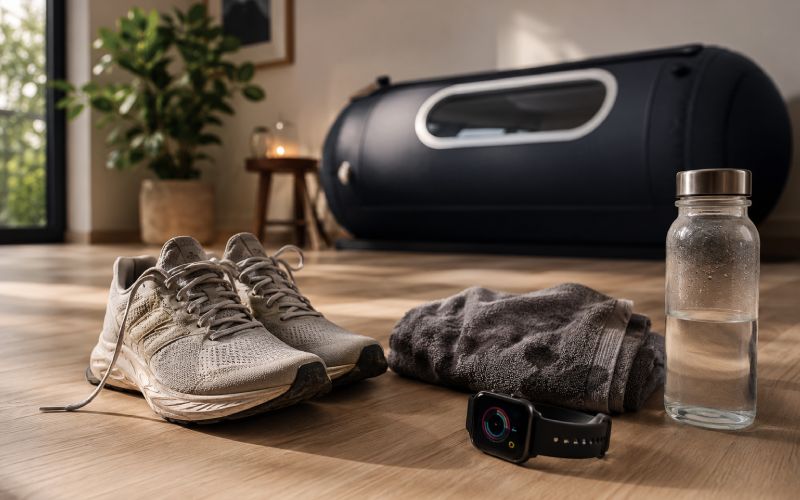
Athletes across multiple sports use hyperbaric chambers after intense training. Users frequently report reduced muscle soreness and shorter bounce-back times. Individual results vary — bodies are unpredictable — but the pattern in user feedback is consistent enough to notice.
3. General Wellness Benefits
Improved energy, better sleep quality, sharper mental clarity. These show up repeatedly in user reports. They’re subjective and hard to quantify, but when the same feedback surfaces across thousands of users independently, it’s not nothing.
4. Home Convenience
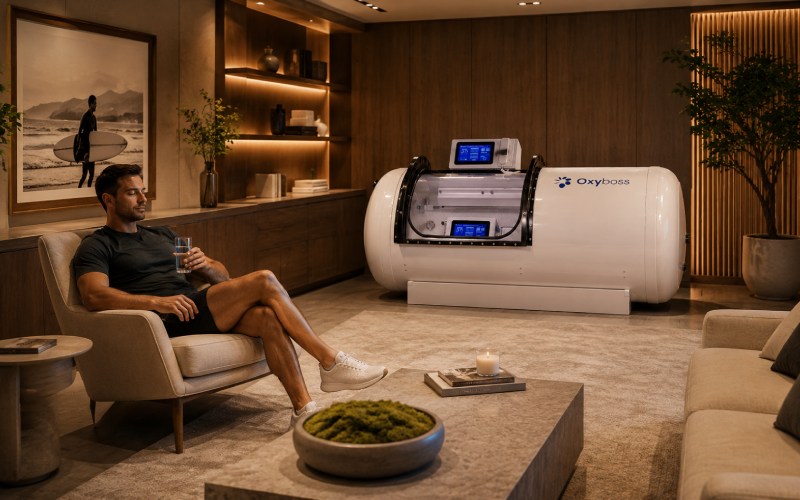
Owning a home unit means you control the schedule. No commuting to a facility, no booking appointments, no per-session fees stacking up. Consistency is easier to maintain when the chamber is ten steps from your bedroom.
5. Mostly Passive Experience
You lie down and breathe. No needles, no machines strapped to you, no physical exertion. The first few sessions might require some active ear-clearing (swallowing, yawning — similar to what you do on an airplane), but once your body adjusts, sessions become genuinely relaxing.
6. Portable Options Exist
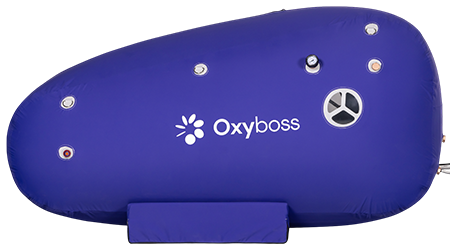
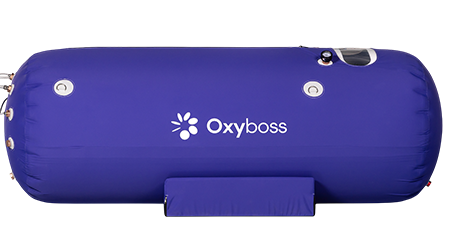
Soft-shell chambers designed for home use are lightweight, foldable, and can be stored in a closet when not in use. Setup typically takes minutes and plugs into a standard household outlet.
The Cons
1. Ear and Sinus Discomfort
The most commonly reported downside. As pressure changes, you’ll feel fullness or popping in your ears — identical to the sensation during airplane takeoff and landing. Swallowing and yawning help equalize, and most users say this fades after the first handful of sessions. But for some people it stays annoying.
2. Claustrophobia
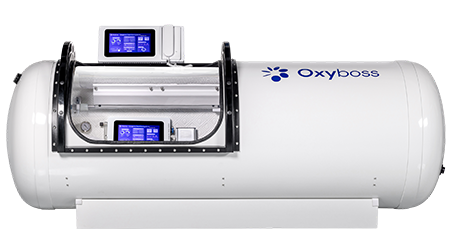
Smaller enclosed chambers can trigger anxiety, sweating, and general discomfort for anyone sensitive to tight spaces. Newer models often include larger transparent windows to help, but they won’t solve the problem for everyone. If confined spaces are a known issue for you, test a session at a local facility before buying.
3. Temporary Vision Shifts
Some users report mild, short-lived changes in near or distance vision during a period of frequent sessions. These typically resolve within days to weeks after stopping. Not permanent based on reported experiences — but worth knowing about.
4. High Upfront and Ongoing Cost
This is where a lot of people tap out. Here’s what the real numbers look like:
| Expense | Estimated Cost |
| Soft-shell chamber (1.3–1.5 ATA) | $4,000–$15,000 |
| Hard-shell chamber (up to 3.0 ATA) | $15,000–$200,000+ |
| Oxygen concentrator | $300–$2,500 |
| Electricity per session (~1–2 kWh) | $0.15–$0.40 |
| Replacement seals/zippers (soft-shell) | $200–$500 every 1–2 years |
| Professional maintenance (hard-shell) | $500–$2,000/year |
The sticker price is only the beginning. Budget the full picture before committing.
5. Oxygen Sensitivity (Rare)
In uncommon cases, extended exposure to concentrated oxygen at higher pressures can cause discomfort such as headaches, lightheadedness, or muscle twitching. This risk is minimal at the mild pressures used in home soft-shell chambers (1.3–1.5 ATA) and is primarily associated with higher-pressure hard-shell environments. Short air breaks during longer sessions help manage this.
6. Fire Safety Considerations
This one needs context. Hard-shell chambers that deliver 100% pure oxygen carry a genuine fire hazard — pure oxygen makes materials ignite more easily and burn faster. Petroleum-based products, electronics, and friction-generating items must never enter these chambers.
Soft-shell chambers are a different story. They use ambient air enriched by a concentrator to roughly 24%–30% oxygen — only marginally above normal room air. The fire risk with soft-shell units is substantially lower. Still follow all manufacturer safety guidelines, but don’t let hard-shell warnings scare you away from an entirely different product category.
7. Not Suitable for Everyone
People with certain ear or sinus conditions, respiratory sensitivities, or those who cannot equalize pressure should not use a hyperbaric chamber. Anyone with existing health concerns should consult a qualified professional before starting. This is a wellness tool, not something to experiment with blindly.
Pros vs. Cons at a Glance
| Pros | Cons |
| Increased oxygen delivery to tissues | Ear and sinus discomfort (especially early on) |
| May support post-workout recovery | Claustrophobia in enclosed chambers |
| Users report improved energy and sleep | Temporary vision shifts possible |
| Convenient home use with soft-shell units | High upfront + ongoing costs |
| Mostly passive, relaxing sessions | Rare oxygen sensitivity at higher pressures |
| Portable, foldable options available | Fire safety rules critical for hard-shell units |
| Standard household power (110–120V) | Not suitable for all individuals |
Soft-Shell vs. Hard-Shell: Which Makes Sense?
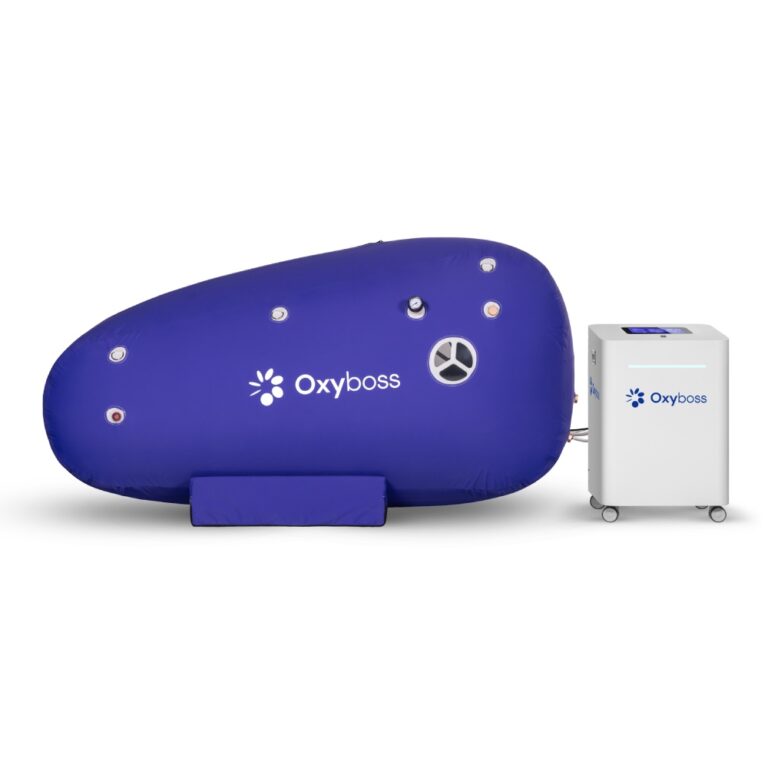
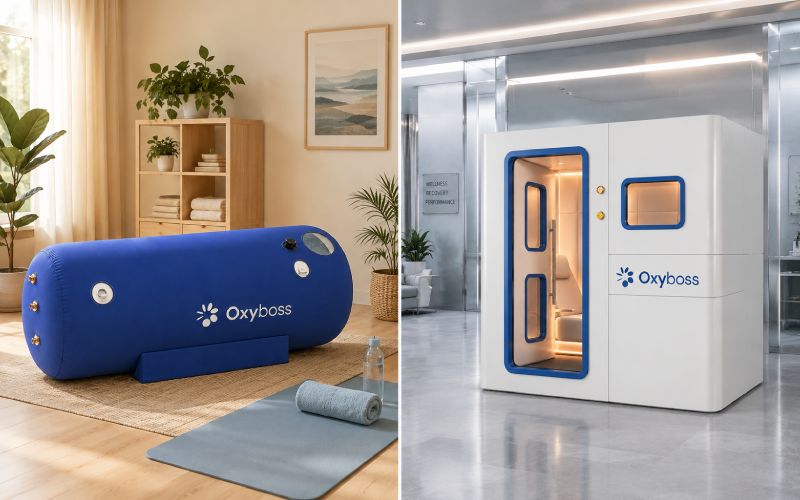
Soft-shell chambers are the more practical option for most home users. They typically operate at 1.3–1.5 ATA, use enriched air at roughly 24%–30% oxygen, and are lightweight, foldable, and easier to set up. They also cost far less than hard-shell models, usually around $4,000–$15,000, making them a better fit for general wellness, recovery, and consistent home use.
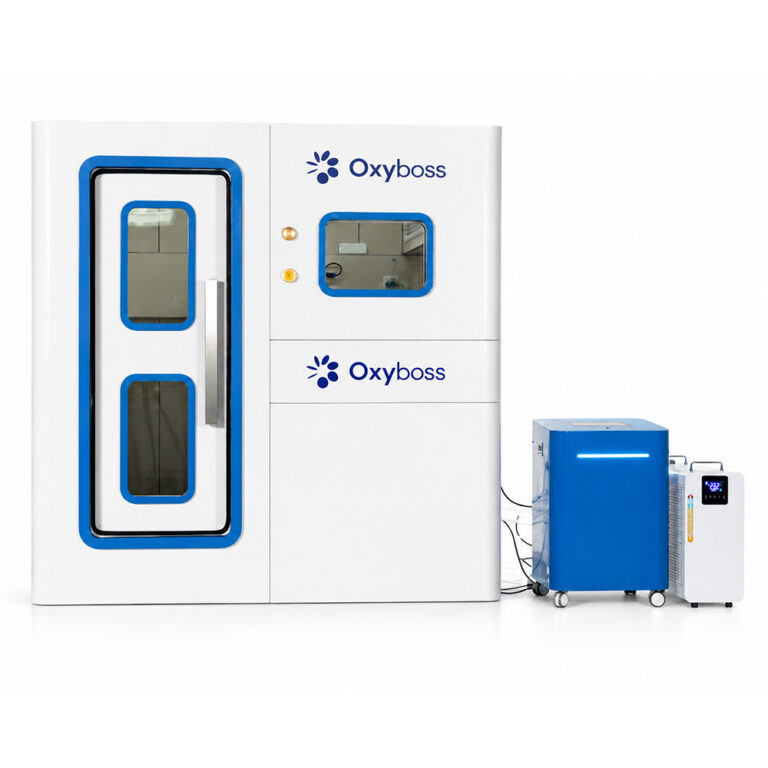
Hard-shell chambers operate at higher pressures, often up to 2.0–3.0 ATA, and may deliver up to 100% pure oxygen. They are more expensive, heavier, require professional installation, and come with stricter safety protocols — especially around fire risk. For that reason, hard-shell units are usually better suited to professional facilities with trained operators, while soft-shell chambers make more sense for everyday home wellness use.
What to Think About Before You Buy
Space. Even soft chambers need floor space when inflated. Measure your room before you browse models.
Power. Most home units run on standard 110–120V outlets. Check the spec sheet — some larger compressors draw more current.
Consistency matters. Occasional use rarely produces noticeable results. The users who report the strongest benefits tend to maintain a regular schedule over weeks or months.
Regulatory status. Hyperbaric chambers are classified as regulated devices in many countries including the United States. Research the specific regulations in your jurisdiction and work with a qualified professional to ensure proper use.
Professional guidance. Always consult a qualified professional before beginning use, especially if you have any pre-existing health concerns.
FAQ
Q: How long does a typical session last? Most sessions run 60 to 90 minutes. Longer sessions should include short air breaks and be guided by the manufacturer’s instructions.
Q: Can anyone use a hyperbaric chamber? Not everyone. People who cannot equalize ear pressure, those with certain respiratory sensitivities, or anyone with specific health concerns should consult a professional first. Always follow the manufacturer’s usage guidelines.
Q: How much does a home setup actually cost? Expect $4,000–$15,000 for a soft-shell chamber, plus $300–$2,500 for an oxygen concentrator. Add $200–$500 every one to two years for replacement seals, plus modest electricity costs. Total first-year investment: roughly $5,000–$18,000 depending on the model.
Q: Will I feel anything during a session? Ear pressure or popping is common, especially in early sessions. Many people feel relaxed or sleepy afterward. Minor fatigue or lightheadedness is less common but occasionally reported.
Q: How soon will I notice results? This varies widely. Some users report feeling different after a few sessions. Others notice gradual shifts over weeks of consistent use. There’s no universal timeline.
Q: Is there a fire risk with home chambers? Soft-shell home chambers use enriched air at roughly 24%–30% oxygen — close to normal room air — so fire risk is low. Follow manufacturer safety guidelines and keep prohibited items out of the chamber. The serious fire hazard applies primarily to hard-shell chambers using 100% pure oxygen.
Final Word — Is It Worth It?
A hyperbaric chamber isn’t a casual purchase. The cost is real. The ear pressure is annoying at first. And if tight spaces stress you out, this may never feel comfortable.
But for people who commit to regular sessions and follow the rules, the pattern in user feedback points consistently toward better recovery, more energy, and improved well-being. It does exactly what the physics say it should: deliver more oxygen, under pressure, to your body.
Do your research. Consult a professional. Start with realistic expectations. And if you go for it, follow every safety guideline as written. No exceptions.