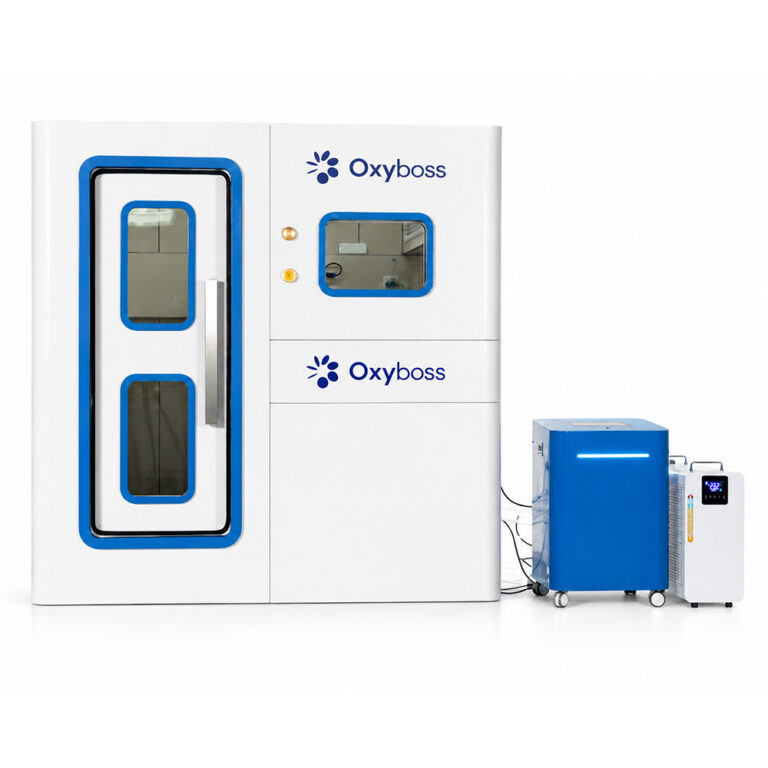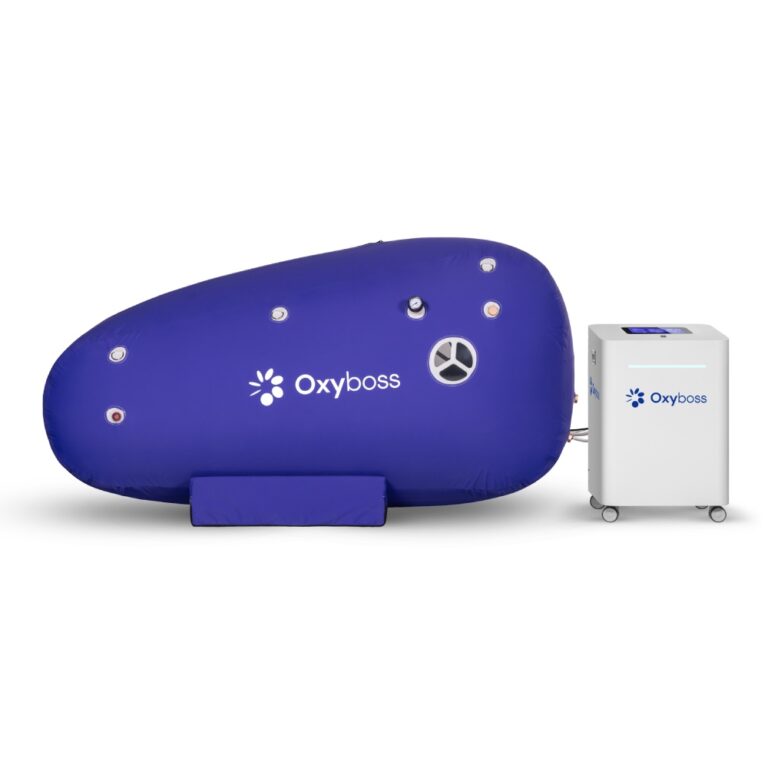
Yes. When the chamber is built right, and when daily use is controlled right.
That sounds too simple. Still true. Most safety problems do not begin with the idea of a hyperbaric chamber. They begin with shortcuts around pressure control, oxygen handling, grounding, prohibited items, supervision, or maintenance. Serious incidents are not the norm, but the safety margin gets smaller fast when design and routine are weak.
If you are asking whether hyperbaric chambers are safe, what you probably mean is something a little different: Can I trust this system in real use, day after day, without depending on luck or perfect operator behavior? That is the better question. And the answer depends more on engineering.
A well-designed chamber should follow one basic rule: safety should not rely on memory alone. It should be built into the closure system, pressure logic, relief protection, gas path, room rules, and maintenance access. If those parts are solid, the chamber becomes predictable. If they are vague, polished branding does not solve the problem.
Safety starts before the first session
A chamber is not “safe” because it looks calm, quiet, or comfortable. It is safe when the system makes wrong actions harder to take.
That means the closure must stay secure under pressure. Pressure must stay inside the tested range. Relief protection must be designed for real use, not brochure use. Gas flow must be clean and controlled. The room must treat oxygen-rich operation with respect, especially when it comes to ignition sources, static, fabrics, and personal items brought inside. Current safety guidance continues to focus on those points: fire prevention, grounding, prohibited items, supervision, and regular maintenance.
What actually makes a hyperbaric chamber safe
1. Stable pressure control
Pressure should feel controlled, not dramatic. The chamber should pressurize and depressurize in a way that avoids sudden stress on the user and unnecessary strain on the vessel. You are not looking for the highest number on a spec sheet. You are looking for a system that stays inside its intended operating range and behaves the same way every session. Ear and sinus discomfort during pressure change remains one of the most common user complaints when pressure change is not handled well.
What to look for: Pressure behavior should be steady, readable, and repeatable. That matters more than inflated claims.
2. A closure system that reduces operator error
Closures are not a styling feature. They are a safety decision.
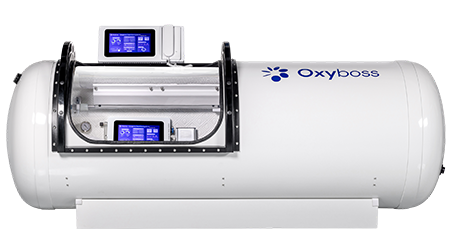
Whether the chamber uses a rigid door system or another pressure-rated closure method, the principle is the same: it should be difficult to misuse, easy to verify, and consistent under repeated use. The safest chamber is the one that does not ask the operator to “remember one more thing” every time.
What to look for: A closure should leave little room for ambiguity. If it can be misread, skipped, or only partly checked during a busy day, that risk should be addressed in the design.
3. Real fire prevention, not a warning sticker
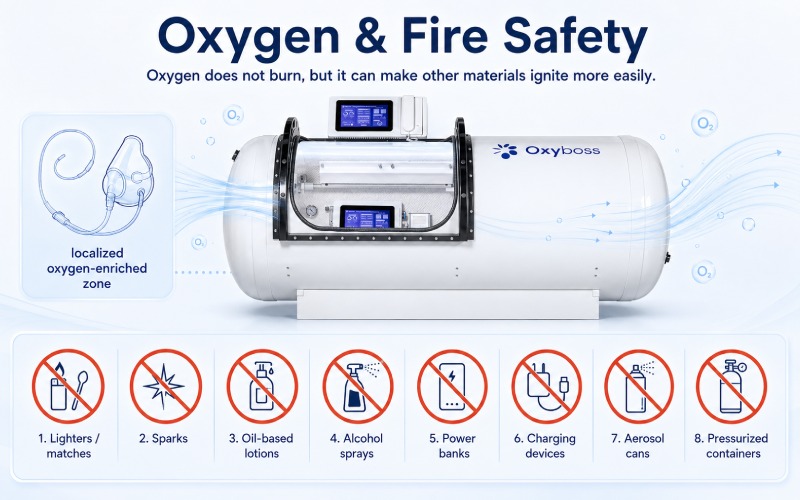
In oxygen-rich operation, fire risk is the sharpest safety issue. That is why safe chamber use depends on strict control of ignition sources and static buildup. Electronics, battery-powered items, heat-producing devices, oil-based personal products, and unsuitable fabrics are all part of the risk picture. Safety guidance continues to emphasize grounding, prohibited items, and compatible clothing as core controls, not optional extras.
What to look for: Chamber safety includes both hardware and daily procedures. Entry routine, room setup, material choice, and a clear list of prohibited items should all be defined in advance, not improvised later.
4. Clean gas handling
A lot of buyers focus on the shell and ignore the gas path. That misses an important part of the safety picture.
Gas quality, hose condition, venting, filtration, oxygen handling, and compatibility between connected devices all affect real-world safety. This point becomes even more important in portable or fabric systems, where poor pairings and casual add-ons can create unnecessary risk. Common safety concerns include questionable gas purity, improper use of oxygen concentrators with certain chamber types, missing grounding, and consumer electronics used inside the chamber.
What to look for: The gas path should be treated as part of the safety system, not as an accessory.
5. A routine that stays safe when people get comfortable
This part matters more than most buyers expect. The first week of ownership is rarely the problem. The twentieth week is the problem.
That is when people start skipping the pre-use check. Or using the chamber when pressure equalization is already difficult. Or bringing in a phone “just this once.” Or delaying service because everything seems fine. Pressure-related discomfort and other avoidable issues become more likely when basic precautions are ignored, and fire risk rises when room discipline becomes casual.
What to look for: The best daily routine is clear, consistent, and easy to follow. Safe operation should not depend on guesswork.

The safety checklist to use when evaluating any chamber
| Safety Area | What You Should Check | Practical Standard |
| Pressure control | Smooth pressurization, readable monitoring, defined operating range | Stable control matters more than exaggerated specs |
| Closure system | Secure sealing, easy verification, low chance of operator error | Daily use should be repeatable, not dependent on one-time setup |
| Relief protection | Reliable over-pressure protection and emergency response logic | Safety backup should be built into the hardware |
| Fire prevention | Grounding, restricted-item policy, compatible clothing and materials | Room discipline should be clearly defined, not treated as an afterthought |
| Gas path | Clean air source, controlled oxygen use, safe device pairing, proper venting | The full breathing and venting chain should be evaluated, not only the chamber shell |
| Daily workflow | Clear pre-use checks, supervision method, consistent routine | Routine should be simple enough to follow consistently |
| Maintenance | Service intervals, inspection access, documented checks | Long-term reliability depends on regular inspection and service |
For commercial owners: safety has to survive repetition
If your chamber will be used in a wellness room, athletic recovery space, or other shared setting, the main safety issue is not one dramatic failure. It is routine drift.
Different staff members start doing things slightly differently. Turnover gets faster. Laundry changes. Logs get skipped. Restricted items slip through. Maintenance gets postponed because the chamber is still running. That is how reliable equipment ends up in unreliable operation. Safety guidance keeps returning to training, supervision, cleaning procedures, and maintenance for exactly this reason.
So for high-use environments, you should ask different questions:
How easy is the chamber to check before each session? How clearly are prohibited items controlled? How simple is the operating routine for staff? How quickly can key wear items be inspected? How visible are pressure readings and status points? How much of safety depends on a skilled operator, and how much is built into the system?
Repetition is the real test. A chamber that performs well in a showroom but becomes messy in week twelve is not a strong long-term safety choice.
For home users: safety should feel simple, not fragile
Home users usually worry about the wrong thing first. They worry about whether the chamber looks intimidating.
The better question is whether the chamber asks too much from you. Too many steps. Too much improvisation. Too much dependence on add-on devices and unwritten rules.
A home hyperbaric chamber should have a routine that is easy to keep clean: a short pre-use check, a clear setup area, controlled accessories, no casual electronics inside, and operating guidance that does not change from one day to the next. Home use does not remove the same basic risks around pressure discomfort, prohibited items, or oxygen-rich fire hazards. It simply means those controls need to be presented in a practical way.
For home use, one priority matters most: reduce opportunities for mistakes. Convenience matters. But convenience without control still creates risk.
So, are hyperbaric chambers safe?
Yes. When the chamber is engineered as a system, not sold as a shell.
That is the distinction that matters. A safe hyperbaric chamber is not defined by looks, branding, or a single spec. It is defined by pressure stability, closure security, relief protection, fire prevention, controlled gas handling, and a routine that stays safe even after the chamber becomes familiar. Those are the things that hold up in real ownership.
If you are comparing options now, ask for the details that actually decide safety: operating range, closure logic, relief protection, grounding method, restricted-item rules, gas path design, and maintenance schedule. A reliable supplier should be able to explain those points clearly before you make a decision.
FAQ
Are home hyperbaric chambers safe?
Yes, they can be safe when the chamber is properly engineered and daily use stays controlled. Home use still requires attention to pressure comfort, prohibited items, grounding, gas handling, and routine checks.
Are soft hyperbaric chambers safe?
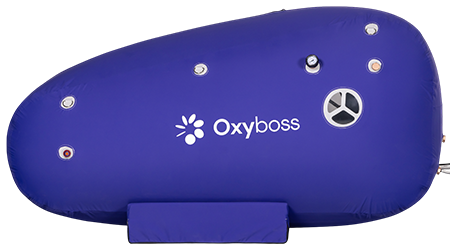
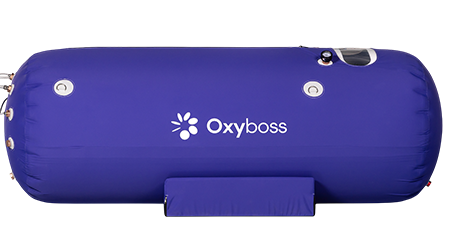
Some low-pressure portable systems are used for home and wellness settings, but safety depends heavily on how the chamber is built, what devices are connected to it, and whether the operator controls ignition sources, grounding, and gas quality properly. Common safety concerns tend to appear at exactly those points.
What is the biggest safety risk in a hyperbaric chamber?
The biggest equipment-level concern is fire risk in an oxygen-rich environment, especially when prohibited items, static, poor grounding, or unsuitable products are involved. In daily use, ear and sinus pressure discomfort are also common issues when pressure change is not managed well.
Can I bring my phone into a hyperbaric chamber?
You should generally assume no. Safety guidance warns against electrical and static-producing items in chamber use, and phones, tablets, and similar devices should not be treated as routine exceptions unless the setup clearly addresses that risk.
Is a higher pressure chamber safer or better?
Not by itself. A chamber becomes safer through controlled design and stable operation, not through a larger number on a brochure. The safer choice is the one with predictable pressure logic and complete safety support around it.
What should I ask before buying a hyperbaric chamber?
Ask about the operating range, closure system, relief protection, grounding, restricted-item policy, gas path design, maintenance schedule, and what the daily pre-use routine looks like. Those answers tell you more than sales language ever will.