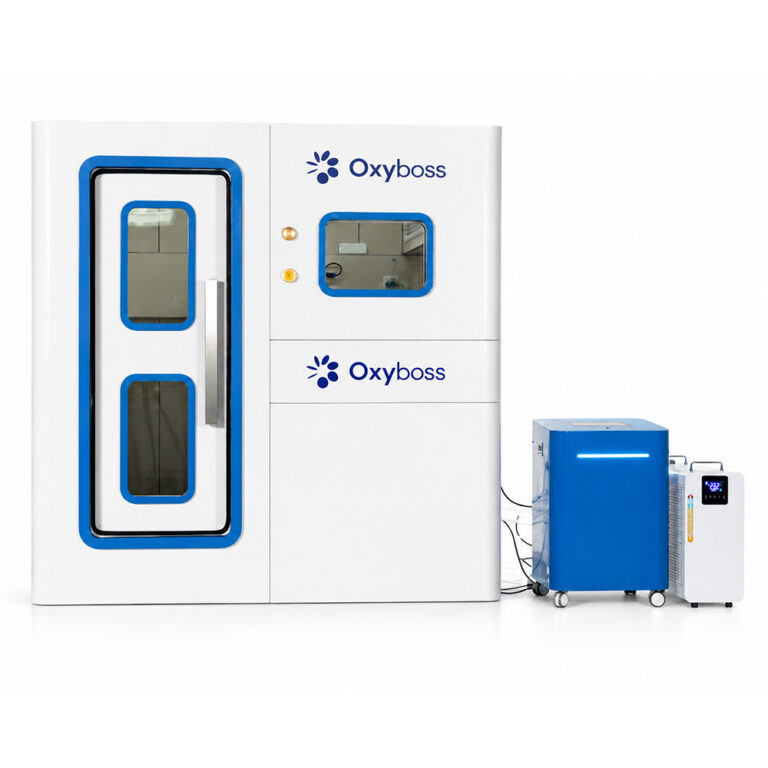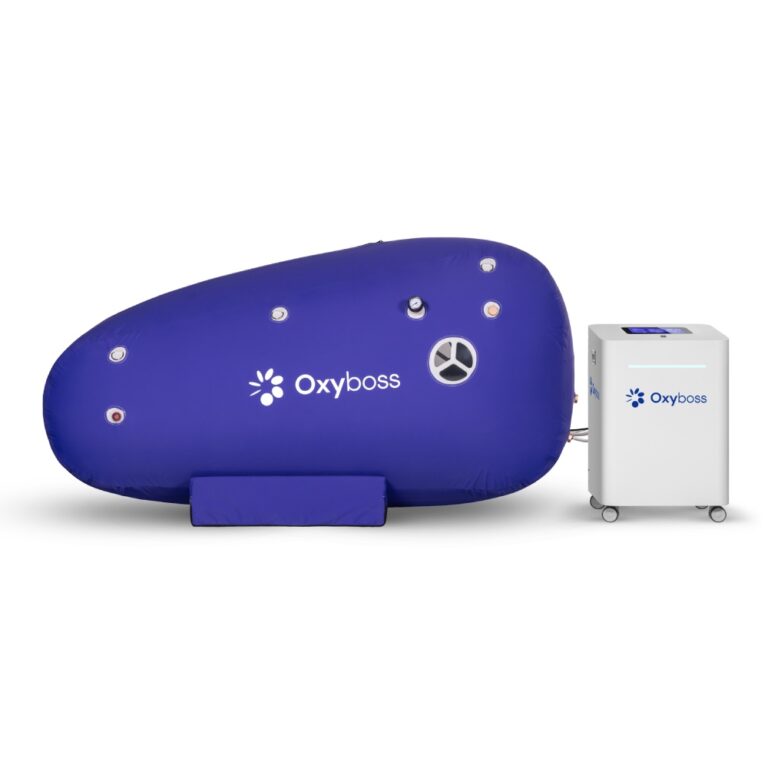
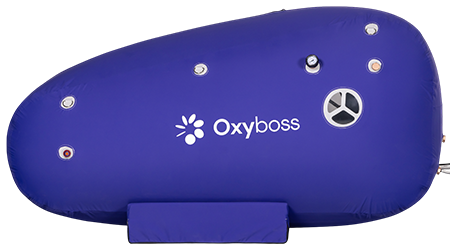
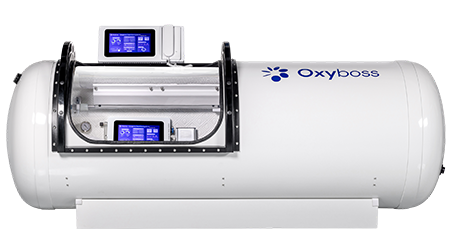
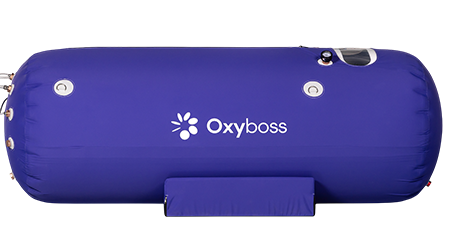
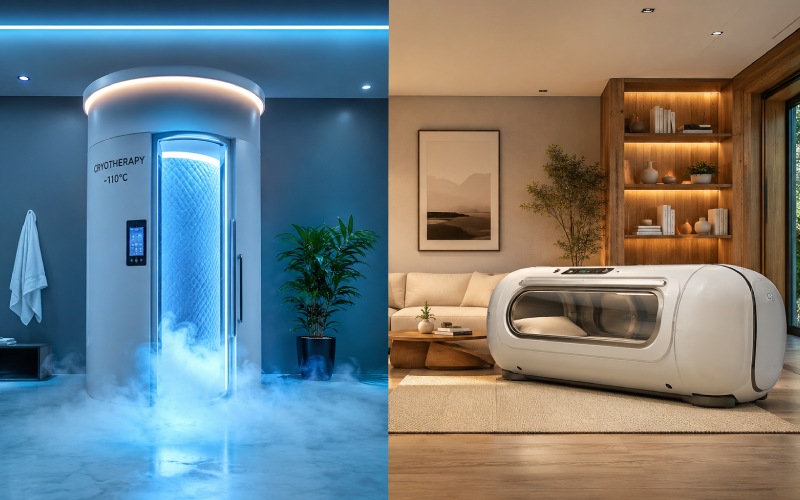
Cryotherapy is a short cold hit. A mild, consumer-facing hyperbaric chamber is a longer pressure session. One asks almost nothing from your calendar and a lot from your nerves. The other does the reverse. For this page, “hyperbaric chamber” means the lower-pressure format commonly used in home or private wellness setups, not the higher-pressure format used in regulated care environments.
That distinction matters because people do not buy these two options for the same reason. Not really. They buy them because a certain kind of routine feels possible. Or does not.
Quick answer
If you want a sharp, fast add-on to a post-exercise protocol, cryotherapy usually makes more sense.
If you want something you can fold into a home wellness setup, especially in the evening or on slower days, a hyperbaric chamber usually makes more sense.
If you hate severe cold, the answer gets easier.
If you dislike enclosed spaces, staying still, or pressure changes in the ears, that answer also gets easier.
Hyperbaric Chamber vs Cryotherapy at a glance
| Factor | Hyperbaric chamber | Cryotherapy |
| Session style | Long, quiet, low-motion | Short, abrupt, high-contrast |
| Typical time block | Around an hour or a bit more | Around a few minutes |
| Best fit | Routine wellness, evening use, home setups | Fast post-workout reset, tight schedules |
| Sensory profile | Gradual pressure change | Immediate cold shock |
| Main friction | Time, stillness, ear pressure | Cold tolerance, operator quality |
| Repeatability question | Can you make space for it? | Can you make yourself do it again? |
| Common buying mistake | Buying for hype, then skipping sessions | Buying for speed, then avoiding the cold |
The time gap is not small. Whole-body cryotherapy sessions are commonly described around two to three minutes, while mild consumer-facing chamber sessions are often described around sixty to ninety minutes. That one difference shapes almost everything else.
They do not compete on the same axis
Cryotherapy is a punctuation mark. In, out, done.
A hyperbaric chamber is more like blocking off a chapter of the day. You stop. You lie back. You read. Or do nothing. Which, for some people, is the whole point.
So the real split is not cold versus pressure. It is speed versus dwell time.
That sounds obvious. Still gets ignored.
What cryotherapy is actually good at
Cryotherapy fits the person who wants a strong sensory contrast and does not want to surrender much time. It works well inside a tight weekly schedule, especially when the goal is to keep moving and not build a ritual around the session.
It also suits people who like hard edges. Short exposure. Strong sensation. Clear start and stop.
In a biohacking routine, cryotherapy often acts like a quick switch. You use it, then get on with the day. No nap energy. No long block. No drift.
That is why it tends to appeal to people who think in short windows.

What a hyperbaric chamber is actually good at
A hyperbaric chamber fits the person who wants a slower format and can make room for it. Not because longer is automatically better. Because longer changes behavior.
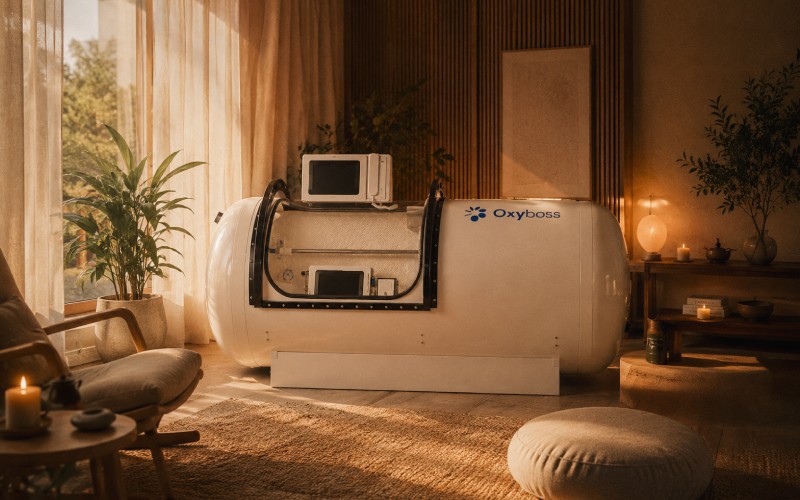
A mild chamber session can sit inside an evening routine, a post-work block, a low-noise weekend ritual, or a home wellness setup where convenience matters more than intensity. Many consumer-facing pages describing mild chamber use frame sessions around sixty or ninety minutes, with the chamber itself positioned for home or private-space use.
That creates a different kind of value. Less jolt. More continuity.
Not dramatic. Useful.
Don’t buy on intensity. Buy on repeatability
This is the part people skip.
A three-minute session is not always the easier one. Not once you add getting there, changing, waiting, bracing for the cold, and doing the mental countdown before you step in.
An hour in a chamber is not always the harder one either. Not if it sits ten steps away in your own space and you can stack it with reading, breathwork, or shutting down screens for the day.
So the better question is not, “Which one sounds stronger?”
It is, “Which one still makes sense in week six?”
That is the cleaner question. Also the more expensive one if you get it wrong.
The hidden cost is mode-switching
Cryotherapy lets you keep the day moving. That is its edge.
A hyperbaric chamber asks you to stop the day. That is its edge too.
Some people need momentum. They should not pretend to be ritual people.
Some people need a forced slowdown. They should not pretend they want another fast hit.
That mismatch ruins more routines than price does.
Sensory load matters
Cryotherapy feels immediate. You know what you signed up for in the first seconds.
A chamber session is slower. The pressure change builds more gradually, and mild chamber descriptions often note ear-pressure sensations similar to altitude change. That will bother some people more than cold ever would. On the cryotherapy side, published safety material keeps stressing the same thing: keep exposure brief, keep the setup controlled, and keep skin protection tight, because extreme cold can injure skin when handled badly.
Which one fits which buyer?
The “I train, then I need to move on” buyer
Cryotherapy usually fits better.
The short format works when the session has to sit between work, commuting, lifting, and whatever else is already competing for time.
The “I want a home wellness setup” buyer
A hyperbaric chamber usually fits better.
Not because it is magically more advanced. Because it behaves more like furniture than an event. That changes usage.
The “I like strong sensation” buyer
Cryotherapy.
Simple enough.
The “I want a lower-drama routine I can repeat” buyer
Hyperbaric chamber.
Again, not because it wins on paper. Because it may win in real life.
Should you use both?
You can. But there is no prize for stacking too early.
Start with one. Run it long enough to see whether it survives your calendar, not just your first week of motivation. Then add the second only if it solves a different problem.
A good split looks like this: one option for speed, one option for longer shutdown time.
A bad split looks like this: buying both because comparison content made restraint sound boring.
Simple decision filter
Ask yourself four things:
- Do I want a fast post-workout reset or a longer session I can build into the day?
- Am I more likely to avoid extreme cold or avoid staying still for an hour?
- Do I want this inside a home wellness setup?
- Which one can I see myself repeating when the novelty is gone?
That is enough. You do not need a grand theory.
FAQ
Is a hyperbaric chamber better than cryotherapy for post-workout use?
Not by default. Cryotherapy usually fits better when the priority is speed and you want a short add-on to an already busy day. A hyperbaric chamber fits better when you want a longer session and have room for it in the schedule.
Which one is easier to keep up every week?
Usually the one that creates less friction for your actual life. Cryotherapy takes less session time. A hyperbaric chamber can be easier to repeat when it is already part of a home setup and does not require a separate trip.
Why are hyperbaric chamber sessions longer?
Because the format is different. Mild consumer-facing chamber sessions are commonly described around sixty to ninety minutes, while cryotherapy is usually kept very short. The routines are built around different time logic from the start.
Which one feels more intense?
Usually cryotherapy. The cold announces itself fast. A chamber session is slower and quieter, though some people find pressure changes in the ears more annoying than the cold itself.
Which one fits a home wellness setup better?
A mild hyperbaric chamber usually fits that idea more naturally because the consumer-facing format is commonly positioned for home or private-space use. Cryotherapy can also be installed privately, but it still behaves more like a short dedicated event than a long-form wind-down block.
Can you alternate both in one routine?
Yes. Keep the reason clear. Use cryotherapy when you want speed. Use a hyperbaric chamber when you want a longer, quieter session. If both end up solving the same problem for you, one of them will probably stop getting used.
Final word
Cryotherapy is not the “light” version of a hyperbaric chamber.
A hyperbaric chamber is not the “deeper” version of cryotherapy.
They are different tools with different costs. One costs you cold. One costs you time.
That is usually where the decision lands. Not in theory. In practice.
If you want, I can turn this into a fuller SEO package next: intro variants, title tag alternatives, FAQ schema, and on-page keyword placements.