Yes. Sometimes.
A chamber can live inside a house. That part is easy. The harder part is whether the room, power, airflow, and operating routine can live with it. Most failed home installs do not fail because the vessel was defective. They fail because the house was treated like neutral space. It is not neutral space.
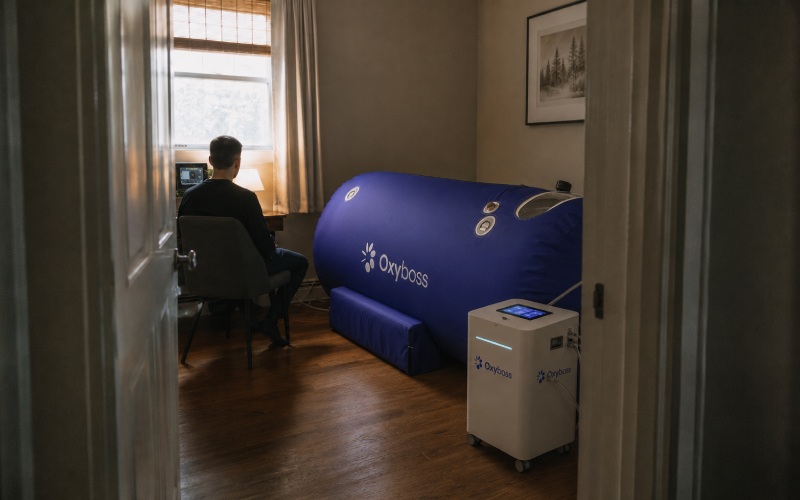
Once a hyperbaric oxygen chamber moves indoors, the room becomes part of the system. The outlet matters. The floor matters. The clearance around the compressor matters. The person outside the chamber matters even more.
So the real answer is this: you can do hyperbaric oxygen therapy at home if the setup is engineered as a home installation, not improvised as a bedroom accessory.
Start With the Room, Not the Chamber
Most buyers do it backward.
They shop chamber size first. Then windows. Then price. Then maybe zipper design. Only later do they ask where the machine stack goes, how much clearance is needed, whether the floor is appropriate, whether the circuit is shared, whether the room runs hot, whether anyone will actually be outside during every occupied run.
Wrong order.
A chamber that fits the room on paper can still fail the install. The doorway is too tight. The support equipment has no breathing space. The outlet is already feeding cooling equipment. The room is used for storage. Someone assumes an extension cord will be fine. It won’t be fine.
For residential use, the room should be boring. Clean floor. Clear access. Dedicated operating area. No mixed-use logic. Not half gym, half laundry, half chamber room. That kind of room collects bad decisions.
Soft Chamber vs Hard Chamber for Home Use
This is the first real split.
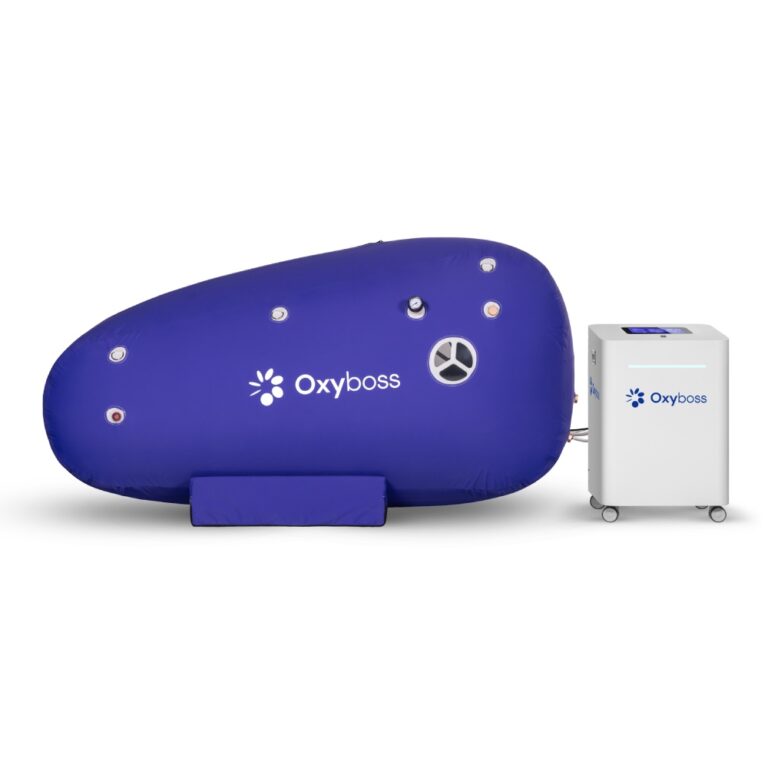
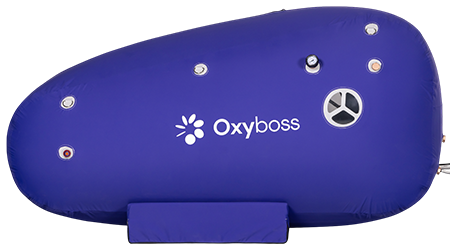
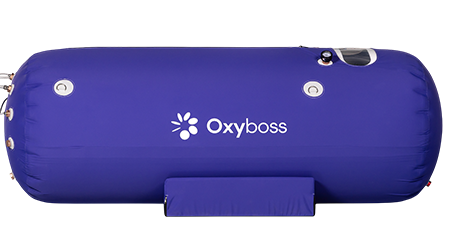
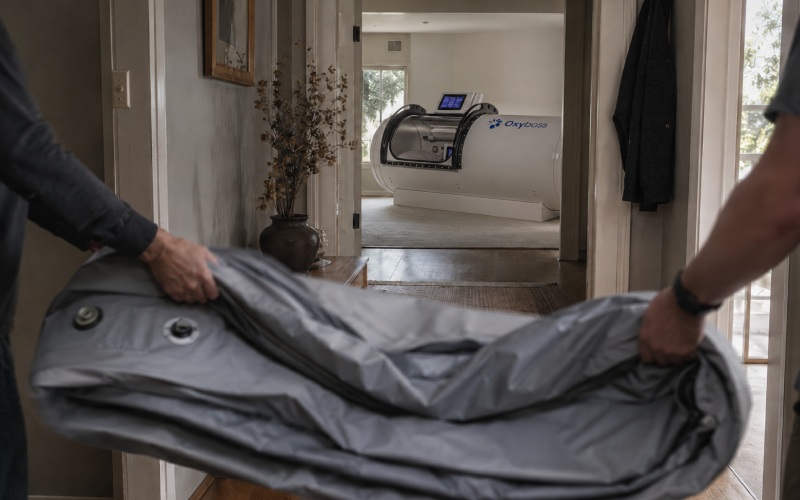
A soft chamber is usually easier to place in a normal house. Lower empty weight. Less structural demand. Easier entry path through hallways and doors. In many homes, that alone decides the format. It is not glamorous. It is practical.
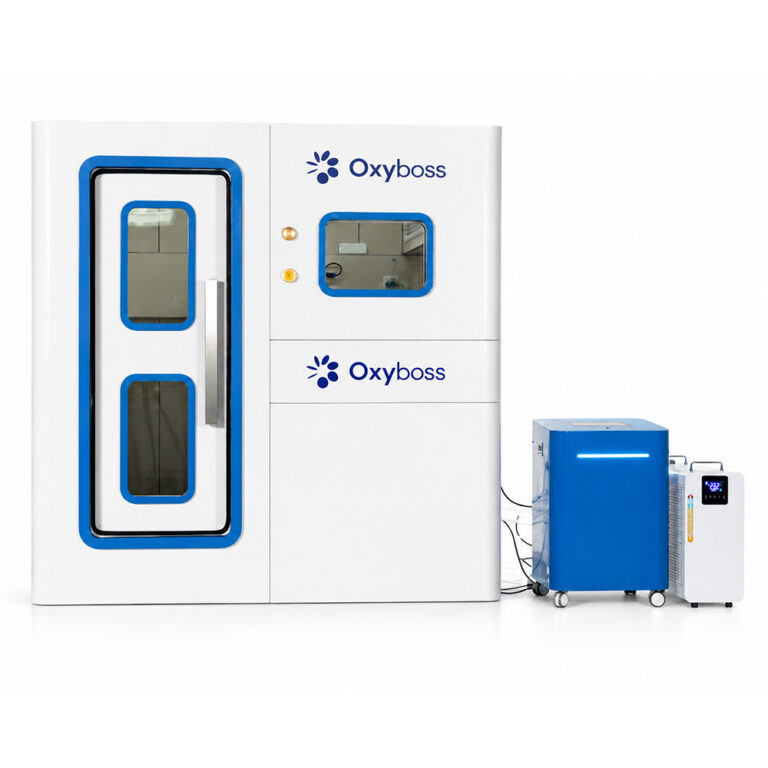
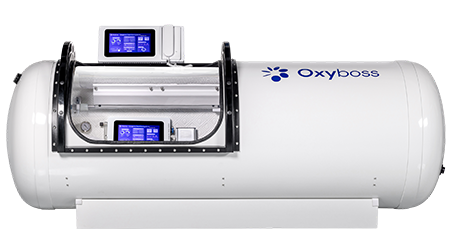
A rigid chamber is different. More structure. More mass. More installation friction. The chamber itself may fit, but the route into the house may not. The floor may not. The service access around it may not. A rigid vessel belongs on a stable ground-floor surface. Not on optimism.
People like to reduce this choice to comfort or budget. That misses the engineering. Soft and rigid systems create different demands on the house. They are not the same machine in two shells.
Pressure Changes the Whole Setup
This gets blurred in sales copy. It should not.
Lower-pressure residential systems and more rigid, higher-pressure configurations do not ask the same things from the support stack. Pressure affects structural design, sealing load, airflow behavior, compressor sizing, oxygen delivery logic, and heat management. A spec sheet may show one number. The room feels the consequences of that number everywhere else.
The mistake is thinking the chamber is the main machine and everything around it is support. Not really. In home use, the vessel, compressor, oxygen source, valves, exhaust path, and room conditions behave like one system. One weak point is enough.
That is why pressure class should be decided before purchase. Not after the chamber arrives.
Power Draw Is Where Many Home Installs Get Sloppy
A home hyperbaric chamber is not just one plug.
In most residential setups, you are running multiple loads at once. Air compression. Oxygen generation or oxygen feed support. Sometimes thermal control. Sometimes additional circulation hardware. Startup draw matters. Continuous draw matters too.
Here is the version we use at the factory when reviewing a house layout: if the install depends on a shared bedroom outlet and a casual power strip, the install is already wrong.
Typical home-oriented support stacks often land in this range:
| Component | Typical Demand | What Usually Gets Missed |
| Air compressor | 500–800 W | Startup surge and floor vibration |
| Oxygen source / concentrator | 400–600 W | Backpressure capability and heat buildup |
| Cooling or thermal support | 200–400 W | Shared circuit overload |
| Total running stack | 1200–1800 W | The room’s wiring reality, not the brochure |
A dedicated 15A or 20A grounded circuit is the safer path for most home installs. Shared circuits create nuisance trips, unstable starts, and bad habits. Then the user starts moving plugs around. Then the room becomes experimental. That is how small electrical issues turn into operating problems.
Backpressure Is Not a Small Detail
This is one of the quiet reasons home systems perform badly when the setup is mismatched.
Once the chamber is pressurized, the oxygen side is no longer feeding into open room air. It is feeding into a pressurized environment. If the oxygen source cannot maintain flow against that backpressure, delivery becomes unstable. The system may still look operational. It is not working the way the buyer thinks it is working.
This is where numbers matter more than marketing language. Flow rating alone is not enough. Outlet pressure capability matters. Chamber pressure matters. Hose routing matters. Valve resistance matters. A clean-looking install can still be mechanically underbuilt.
The average buyer does not ask this question. They should.
Heat and Airflow Decide Whether the Room Stays Usable
Compression creates heat. Always.
That heat goes somewhere. In a bad room, it stays in the room. The chamber warms. The support stack warms. The compressor runs harder. The oxygen equipment runs warmer. The whole install becomes less stable over time, especially in smaller enclosed rooms with poor airflow.
This is why chamber placement cannot be reduced to floor space alone. A machine that physically fits in a room may still be badly installed because the room cannot shed heat. Curtains too close to equipment. Wall clearance too tight. Door closed all day. No airflow path. Support hardware boxed in by furniture. Common problem. Very common.
For home use, leave real breathing room around support equipment. Not visual breathing room. Real clearance.
Noise Is Part of the Buying Decision
People often ask this late. They should ask it early.
Residential chamber systems are not silent. The air side creates the most obvious sound, but the full setup matters more than one component. Compressor hum. Vibration through the floor. Concentrator fan noise. Cooling equipment. Valve sound during pressure changes. It adds up.
A quiet machine on paper can still feel loud in a small reflective room. A moderate machine can feel acceptable if the layout is right and the floor vibration is controlled. So yes, look at dB numbers. But also look at the room surfaces, the floor, the mounting method, and whether the install sits under a bedroom.
Noise is not just comfort. It affects whether the system actually gets used as intended in a home environment.
You Do Not Run an Occupied Chamber as a Solo Activity
This point should be plain.
A chamber with someone inside is not a walk-away appliance. It is not a set-it-and-forget-it device. An occupied run requires another trained adult outside the chamber, present for the full session, able to monitor the system and respond immediately if something behaves wrong.
That is the standard we design around.
The person outside is not optional overhead. That person is part of the operating system. When buyers ignore this, they are not simplifying the setup. They are removing one of the few layers that still matters when something small becomes something fast.

Home-Ready vs Home-Looking
A lot of home chamber setups look clean in photos. That does not mean they are ready.
| Decision Area | Home-Ready | Home-Looking |
| Room use | Dedicated operating space | Spare room with mixed storage |
| Power | Grounded dedicated circuit | Shared outlet, strip, or extension logic |
| Chamber format | Chosen for floor, access, and service space | Chosen for price or appearance first |
| Equipment airflow | Open clearance on all sides | Hardware pushed against walls or fabric |
| Operating routine | Another adult present outside every occupied run | Solo-use mindset |
| Items in chamber area | Controlled, approved, repeatable | Phones, chargers, blankets, random accessories |
| Maintenance | Scheduled seal, valve, filter, and hose checks | “We’ll inspect it if something feels off” |
That table is not dramatic. It is ordinary factory thinking. Ordinary is what keeps residential equipment stable.
What Buyers Usually Underestimate
Three things.
First, service clearance. A machine you can barely walk around is a machine that will not get inspected properly. Seals, hose connections, valves, viewports, compressor mounts, filters. They all need access.
Second, room discipline. Homes collect clutter by default. Chamber rooms cannot. Not if you want repeatable operation.
Third, the difference between “fits” and “works.” A chamber can fit through the door and still be the wrong unit for the house.
So, Can You Do Hyperbaric Oxygen Therapy at Home?
Yes. But not casually.
Home use works when the install is treated like a real equipment project: proper chamber format, proper room, proper power, proper airflow, proper supervision, proper maintenance. Not one of those. All of them.
A good home setup feels uneventful. No last-minute rearranging. No shared outlet games. No fabric piled near support equipment. No one trying to manage an occupied chamber alone. No “this should probably be okay.”
That is the standard.
And that is usually the dividing line between a chamber that belongs in a house and a chamber that only looked good in a quote.
FAQ
Can you really do hyperbaric oxygen therapy at home?
Yes, with a chamber and support stack designed for residential installation. The chamber alone is not the answer. The room, power supply, airflow, supervision, and service routine decide whether the setup is actually workable.
Can a home hyperbaric chamber run on a normal outlet?
Sometimes, but “normal outlet” is the wrong question. The real question is whether the setup has a grounded dedicated circuit with enough capacity for the full running stack and startup load. Many home installs need a dedicated 15A or 20A circuit.
Can you use a hyperbaric chamber at home by yourself?
No. An occupied chamber should not be run as a solo activity. One trained adult should remain outside the chamber for the full run.
Is a soft chamber better for home use?
For many homes, yes. Soft chambers are usually easier to place, easier to move into the house, and less demanding on the floor. That does not make them interchangeable with rigid systems. They solve a different residential install problem.
Can you put a hard chamber upstairs?
That is usually a poor idea. Rigid chambers bring higher static load and more demanding support requirements. Ground-floor placement on a stable surface is the safer approach.
How much space do you need around a home hyperbaric chamber?
Enough to access the vessel, hoses, valves, zippers or hatch points, and support equipment without moving furniture. If the equipment is boxed into a corner, the room is too tight.
How loud is a home hyperbaric chamber?
That depends on the compressor, oxygen hardware, thermal support, room surfaces, and floor structure. The sound profile of the full system matters more than one isolated dB figure.
Do you need oxygen tanks for home use?
Not always. Many residential systems use an oxygen source that generates supply from room air. The key issue is not tank versus non-tank by itself. It is whether the oxygen side is matched correctly to the chamber pressure and operating design.
What is the biggest mistake people make when buying a home chamber?
They buy the chamber before they design the room. That mistake creates most of the others.
What makes a chamber setup truly home-ready?
Dedicated room logic. Stable power. Real airflow. Service clearance. A non-solo operating routine. And a setup that stays the same every run, instead of changing with the room.