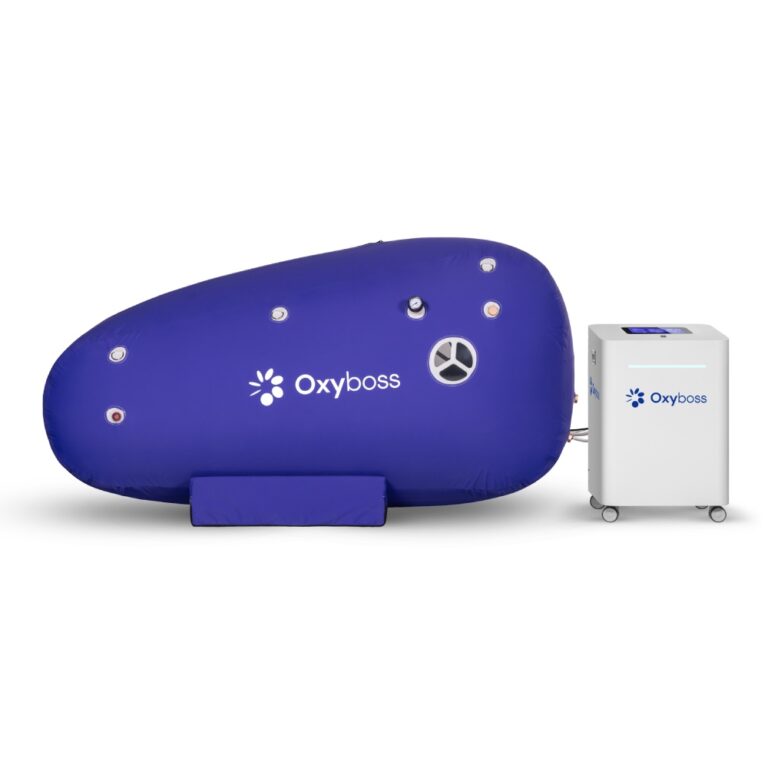
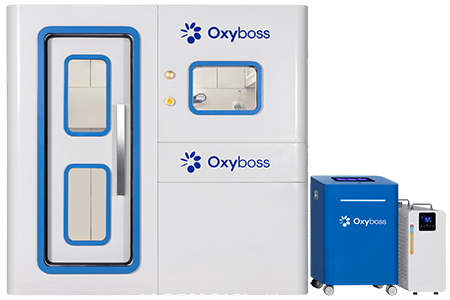
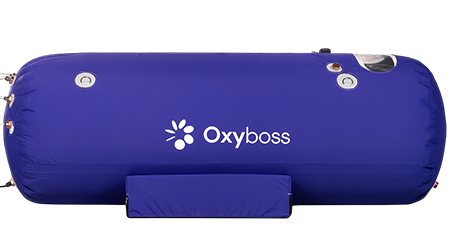
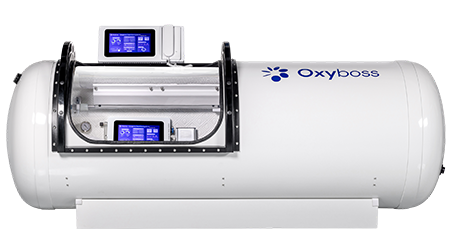
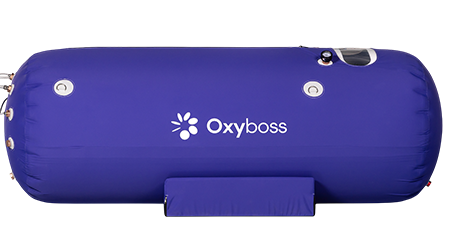
Usually between 3 and 10 minutes for non-medical wellness chambers. That range is intentionally broad, because the actual number depends on your chamber size, operating pressure, exhaust configuration, installation environment, and how conservative you want to be for user comfort.
If you’re running a soft-shell chamber at 1.3 ATA for personal wellness sessions, depressurization is often in the 4 to 6 minute range. Larger chambers, or systems operating at higher mild-pressure settings, may take longer.
The rest of this article explains what affects that timing, what can go wrong when operators rush the process, and why different chamber designs can depressurize differently in real-world use.
Scope note: This article is intended for non-medical wellness chambers and general operating guidance. Always follow your manufacturer’s instructions for your specific model.
Quick Reference: Depressurization Time by Chamber Type
Before we get into the why, here’s the practical overview. These ranges reflect common operating patterns for non-medical wellness chambers:
| Chamber Type | Typical Max Pressure | Internal Volume (approx.) | Recommended Depressurization Time | Minimum Controlled Depressurization Time |
| Portable Soft-Shell (27″) | 1.3 ATA | ~150 L | 4–6 minutes | 3 minutes |
| Mid-Size Soft-Shell (33–36″) | 1.3–1.5 ATA | ~250–350 L | 5–8 minutes | 4 minutes |
| Large Soft-Shell (40″) | 1.5 ATA | ~400–500 L | 6–10 minutes | 5 minutes |
“Recommended” and “minimum controlled” are not the same thing. The minimum is the fastest rate that may still be manageable under normal conditions. The recommended range is what most operators use in practice because it leaves more room for user variability and day-to-day conditions.
If you’re running back-to-back sessions, it can be tempting to shave time off depressurization. In most cases, a smoother exit is still the better choice.
Five Variables That Determine Your Actual Depressurization Time
We’ve seen this across many chamber sizes and operating conditions: depressurization time is not a fixed number. It changes with several interacting variables.
1. Chamber Volume
A 27-inch portable chamber holds much less pressurized air than a larger 40-inch model. Less air to release generally means a shorter depressurization time.
But faster is not automatically better. User comfort still matters, especially near the end of the cycle.
2. Operating Pressure
At 1.3 ATA, you’re only a few psi above atmospheric pressure. At higher mild-pressure settings, the pressure differential is greater, so the initial release can feel quicker.
As the chamber approaches atmospheric pressure, the rate naturally slows. Think of a tire losing air: the first part happens faster than the last part.
3. Exhaust Valve Sizing and Flow Path
A larger exhaust path can move air out more quickly, but sizing is only part of the story. Internal geometry, bends in the path, and the distance between the exhaust valve and the chamber wall can all affect real-world performance.
Two setups with similar nominal valve sizes can still behave differently depending on the overall exhaust design.
4. Ambient Temperature and Altitude
Warmer air is less dense, which can slightly affect airflow during depressurization. Altitude matters too: if you’re operating at elevation, ambient pressure is lower, which changes the pressure ratio across the full depressurization curve.
For that reason, chambers installed far above sea level may need setup adjustments based on local conditions.
5. The Depressurization Profile Itself
This is the factor that matters most for the person inside the chamber, and it is also one of the easiest things to get wrong.
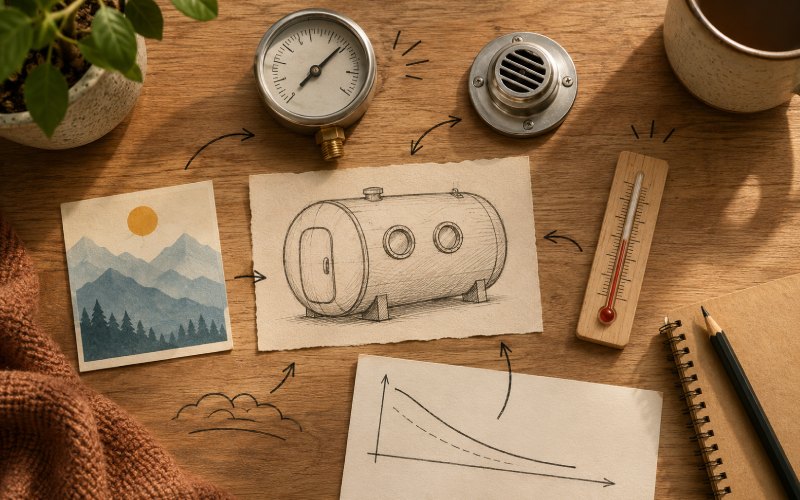
Why “Just Opening the Valve” Doesn’t Work
A common mistake is treating depressurization as an all-or-nothing step: pressure on, then pressure off. Open the valve and wait.
That may release the air mechanically, but it is not always the most comfortable experience for the person inside.
People equalize pressure at different speeds. Newer users, or anyone feeling congested that day, often do better with a more controlled release. A slower, staged depressurization usually gives users more time to swallow, yawn, and adjust gradually.
At 1.3 ATA, that often translates to roughly 4 to 5 minutes of controlled depressurization. Larger chambers or higher mild-pressure settings may take longer if comfort is the priority.
Graduated Exhaust: What Many Operators Prefer
Many chamber designs use a graduated exhaust profile — faster at the beginning when the pressure differential is larger, then slower as the chamber approaches atmospheric pressure.
This approach is not only more comfortable for many users; it also makes sense from a basic airflow standpoint. Early in the cycle, stored pressure helps move air out quickly. Near the end, the pressure differential is much smaller, so the release naturally tapers off.
For studios, a graduated profile can also help keep session flow efficient without making the final stage feel abrupt. On our systems, this staged approach is built into the depressurization sequence so operators do not have to manage it manually during every session.
What Actually Goes Wrong
Three issues show up more than most others:
Exhaust Path Partially Blocked
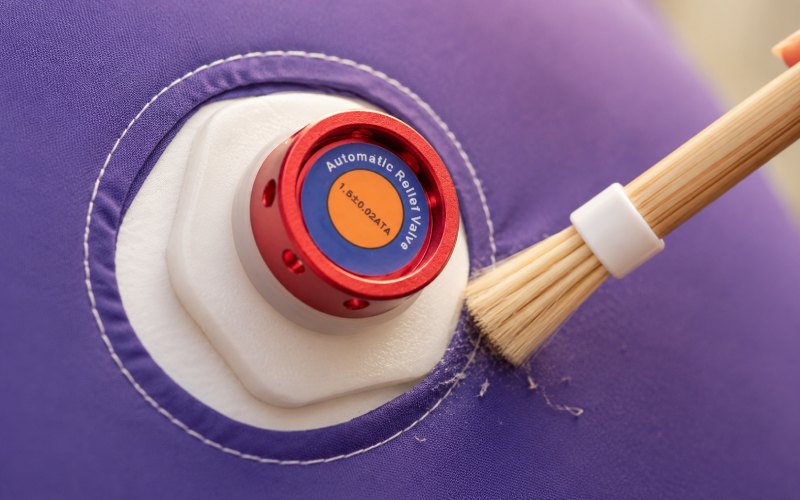
Soft-shell chambers with fabric-integrated exhaust ports can collect lint, dust, and moisture over time. Depressurization may gradually slow down until someone notices the chamber is taking longer than usual to return to zero.
The fix: Keep the exhaust path clean. Monthly cleaning is a good baseline for home use. More frequent checks make sense in heavier-use settings.
Our current soft-shell models use a detachable exhaust housing to make this maintenance simpler.
Operator Overrides the Automatic Profile
This usually happens when someone is trying to turn the room over quickly for the next session. On some systems, manual control allows the exhaust valve to be opened wider than the default profile.
That may speed things up, but it can also make the pressure drop feel too abrupt for the person inside. If manual control is available, it should be used carefully and in line with the manufacturer’s instructions.
Altitude-Related Setup Issues
If a chamber is configured at sea level and then installed at elevation, the pressure sensors and exhaust profile may need adjustment. Lower ambient pressure changes how the chamber behaves throughout the depressurization cycle.
That is not a defect. It is simply a setup issue that should be addressed during installation.
Home Users vs. Studio Operators: Different Priorities
If You’re Running a Chamber at Home
At home, depressurization is mostly a comfort and consistency question. You are not trying to turn the room for the next booking, so there is little reason to rush the last few minutes.
What matters most is a system that works the same way every time, without constant adjustment. Our home-use chambers use an automated depressurization sequence designed to keep operation simple.
If You’re Running a Wellness Studio
In a studio setting, depressurization also becomes a scheduling consideration. A few extra minutes per session can add up over the course of a day.
That is why larger chambers and higher-throughput setups benefit from well-designed exhaust routing and a smooth staged release profile. The goal is not to force the chamber down as fast as possible. The goal is to maintain a comfortable, predictable process while keeping session flow manageable.
If you’re comparing chamber options for home use versus studio use, this is one of the design differences worth paying attention to.
Technical Deep Dive: Why the Curve Changes Near the End
If you want the short version, here it is: airflow through an exhaust opening is not linear. When the pressure difference is larger, air exits faster. As internal pressure gets closer to ambient pressure, the driving force drops, so the last part of depressurization naturally slows down.
That is why the final portion often feels like it takes the longest. It does. By that point, the chamber is much closer to atmospheric pressure, so airflow through the valve is reduced.
You do not need to calculate that yourself, but understanding that the process is inherently non-linear helps explain why a “dump it fast” approach rarely gives the best user experience.
Practical Tips for Better Depressurization
Whether you’re using one chamber at home or managing several in a studio, these basics apply:
- Keep exhaust paths clean and unobstructed.
- Use a graduated profile rather than trying to vent everything at one speed.
- Encourage users to swallow or yawn during depressurization.
- Do not rush the final stage just to save a small amount of time.
- Check installation settings if the chamber is being used at elevation.
FAQ
How long does depressurization take in a soft-shell chamber at 1.3 ATA?
Typically 4 to 6 minutes with a controlled, staged release. Some setups can move faster, but many users find a slightly slower rate more comfortable.
Can I open the chamber door before depressurization is complete?
No. On a properly designed chamber, the door or zipper system should not be opened until the chamber has returned to atmospheric pressure and the manufacturer’s normal exit procedure has been completed.
Does depressurization take the same amount of time as pressurization?
Not exactly. In many systems, depressurization is somewhat quicker because stored pressure helps drive the air out. Actual timing still depends on chamber design and operating pressure.
Is rapid depressurization dangerous?
It can be uncomfortable and may lead to ear pressure issues or a poor session experience. Staying within the manufacturer’s recommended profile is the better approach.
What if someone feels ear discomfort during depressurization?
If your system allows a pause or hold function, use it according to the manufacturer’s instructions. Give the person time to swallow, yawn, and adjust before continuing. If the discomfort continues, stop and follow the guidance provided for your specific chamber.
Does altitude affect depressurization time?
Yes. At higher altitudes, ambient pressure is lower, which can slightly change the way the chamber depressurizes. The difference is often modest, but proper setup still matters.
How often should exhaust valves be serviced?
For home use, an annual inspection is a reasonable baseline. For heavier studio use, more frequent inspection and cleaning is a good idea, especially if sessions run daily.
Does your chamber handle depressurization automatically?
Yes. Our chambers use an automated depressurization sequence matched to the chamber’s operating range, which helps keep the process simple and consistent for everyday use.
Final Thoughts
Depressurization time is not just a number on a chart. It is the result of chamber size, operating pressure, exhaust design, installation conditions, and how conservatively you want to prioritize comfort.
For most non-medical wellness chambers, a controlled depressurization in the 4 to 10 minute range is typical. Trying to force that number lower is rarely worth it.
If you’re comparing chamber sizes or planning a setup for home or studio use, it helps to look beyond the published pressure rating and pay attention to how the chamber actually handles the full session cycle.
👉 Explore chamber models and specifications 👉 Contact our team