This content is for informational and educational purposes only. It does not constitute medical advice, diagnosis, treatment, or a recommendation to use any product for a medical purpose. If you have a medical condition, breathing concern, or question about oxygen use, consult a qualified healthcare professional and review the applicable product labeling and local regulatory requirements before purchase or use.
Quick Answer
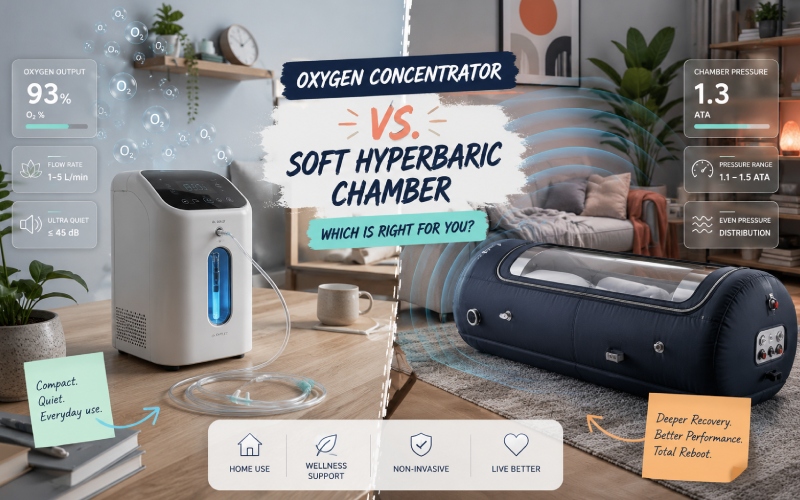
An oxygen concentrator increases the oxygen concentration of the air you breathe to about 90–95% O₂ at normal atmospheric pressure (1.0 ATA). A hyperbaric chamber changes the pressure of the environment around your body, typically to 1.3–2.0+ ATA depending on the model and setting.
These are not interchangeable products. One changes oxygen concentration. The other changes ambient pressure. That difference affects how each device is used, what setup it requires, how sessions are structured, and what type of buyer it may suit.
If you are comparing the two, the right question is not “Which one gives me more oxygen?” The right question is “What kind of device am I actually looking for?”
Look, these two devices get grouped together all the time. We hear it constantly. Someone has done a bit of research, knows they want “more oxygen,” and assumes these are interchangeable options sitting on the same shelf.
They are not.
One changes what you breathe. The other changes the environment you breathe in. That distinction is the starting point for every other decision around pricing, setup, maintenance, and intended use.
The Core Split — Pressure vs. Concentration
An oxygen concentrator pulls in room air — roughly 21% oxygen — runs it through molecular sieves, removes much of the nitrogen, and delivers concentrated oxygen through a cannula or mask. You are breathing oxygen-enriched air, but the atmospheric pressure around you remains at 1.0 ATA.
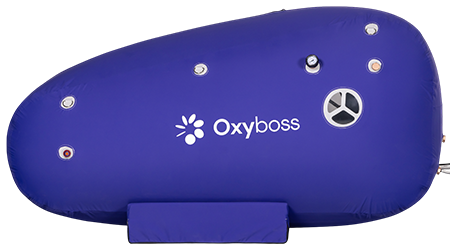
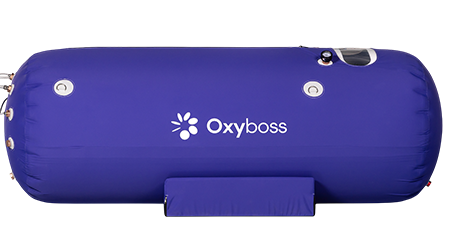
A hyperbaric chamber places the user in a pressurized enclosure. The ambient pressure rises — typically around 1.3 ATA in many soft-shell models and higher in some hard-shell systems — and that changes the physical conditions under which breathing takes place.
So a concentrator changes oxygen concentration. A chamber changes pressure. In some systems, those two variables can also be combined, but they are still not the same thing.
That is the clearest way to think about it:
- A concentrator changes the breathing gas.
- A chamber changes the environment.
Why This Confusion Keeps Happening
Part of the confusion comes from the fact that some hyperbaric setups use an oxygen concentrator as an accessory. In those configurations, concentrated oxygen is introduced into or used alongside the chamber system to change the oxygen percentage available during a session.
People see both devices in the same photo and assume they perform the same function. They do not. In that setup, the concentrator is a component of a broader system, not a substitute for the chamber itself.
Price also contributes to the confusion. A portable oxygen concentrator may cost far less than a hyperbaric chamber, so it is natural for buyers to ask whether the lower-cost device can serve the same role. In most cases, that depends entirely on what kind of product they are actually trying to buy and how they intend to use it.

Side-by-Side Comparison
| Hyperbaric Chamber | Oxygen Concentrator | |
| Operating Pressure | 1.3–2.0 ATA (home/wellness range in many models); higher in some facility-grade systems | 1.0 ATA (normal atmospheric pressure) |
| Oxygen Delivery | User is inside a pressurized enclosure | Oxygen delivered through nasal cannula or mask |
| Oxygen Purity | Depends on chamber configuration and whether supplemental oxygen is used | Typically 90–95% |
| Session Duration | Usually structured sessions of 60–120 minutes, depending on product and operator protocol | Can be used for longer periods depending on product design and applicable instructions |
| Typical Format | Session-based use in a dedicated setup | On-demand oxygen delivery through tubing and interface |
| Portability | Soft shells may fold down; hard shells are fixed installations | Some units are stationary; some are portable |
| Setup | Requires floor space; some models require electrical power and compressor support | Plug in, attach tubing, turn on |
| Price Range | 4,495–52,000+ | 800–3,500 |
| Maintenance | Compressor servicing, seal checks, zipper care on soft-shell models | Filter cleaning/replacement, sieve bed refurbishment |
| User Experience | Enclosed, pressurized session; ear pressure changes may occur | Breathing through a cannula or mask |
What Actually Changes Inside a Pressurized Chamber
At normal atmospheric pressure, oxygen is carried primarily by hemoglobin in red blood cells, with a smaller amount dissolved in plasma. When ambient pressure increases, gas behavior changes as well. In general terms, increasing pressure can increase the amount of oxygen dissolved in plasma relative to breathing room air at normal atmospheric pressure.
That is the core physical distinction behind hyperbaric systems. The difference is not simply “more oxygen” in the everyday sense. It is that pressure changes the conditions under which gases are absorbed and carried.
A concentrator does not change atmospheric pressure. It increases oxygen concentration at 1.0 ATA. A chamber changes the pressure environment itself. That is why these products should not be treated as direct substitutes.
This is a practical buying distinction, not a claim about medical outcome.
When a Concentrator May Be the Better Fit
A concentrator is often the simpler product category to understand. It is designed around delivering concentrated oxygen through tubing or a mask at normal atmospheric pressure. It is generally easier to set up, easier to move, and easier to integrate into day-to-day use than a chamber.
For buyers who are specifically evaluating oxygen delivery products rather than pressurized enclosures, that simplicity matters.
It is also important not to use a consumer blog post to make a medical decision. If your interest in an oxygen concentrator is connected to a respiratory issue, oxygen saturation concern, or any health condition, that decision should be guided by a qualified healthcare professional and by the applicable device labeling and regulations in your market.
Where concentrators differ from chambers is straightforward: they do not create a pressurized environment around the user.
When a Chamber May Be the Better Fit
A hyperbaric chamber is generally the better fit for buyers who are specifically looking for a pressurized, session-based environment and who understand the additional space, equipment, and maintenance that come with it.
That can include:
- Home users who want a dedicated, scheduled setup rather than a tube-and-mask format
- Buyers comparing soft-shell and hard-shell systems for space, portability, and installation reasons
- Commercial wellness operators looking at chamber-based session offerings, subject to applicable law, labeling, and operating requirements
- Customers who are comparing equipment categories and want to understand how pressure-based systems differ from oxygen-delivery devices
In other words, a chamber is not a replacement for every oxygen-related product, and a concentrator is not a replacement for a pressurized chamber. They solve different equipment-selection questions.
Can You Use Both Together?
Yes, in some configurations.
Certain chamber systems are designed to accept supplemental oxygen input from a concentrator or related oxygen source. In those setups, the pressure environment and the oxygen concentration can both be adjusted within the limits of the system design and applicable operating instructions.
For some soft-shell units, users may operate with ambient air under pressure. In other setups, supplemental oxygen may be added depending on the chamber design, intended configuration, local requirements, and user preference.
The key point is this: using both together does not make them the same product. It simply means the devices can sometimes be used as part of the same overall setup.
Real Costs — Not Just Sticker Price
A concentrator usually costs less up front. But this is not an apples-to-apples comparison because the products are built differently and intended for different kinds of use.
That said, if budget matters, here is a practical way to think about the categories:
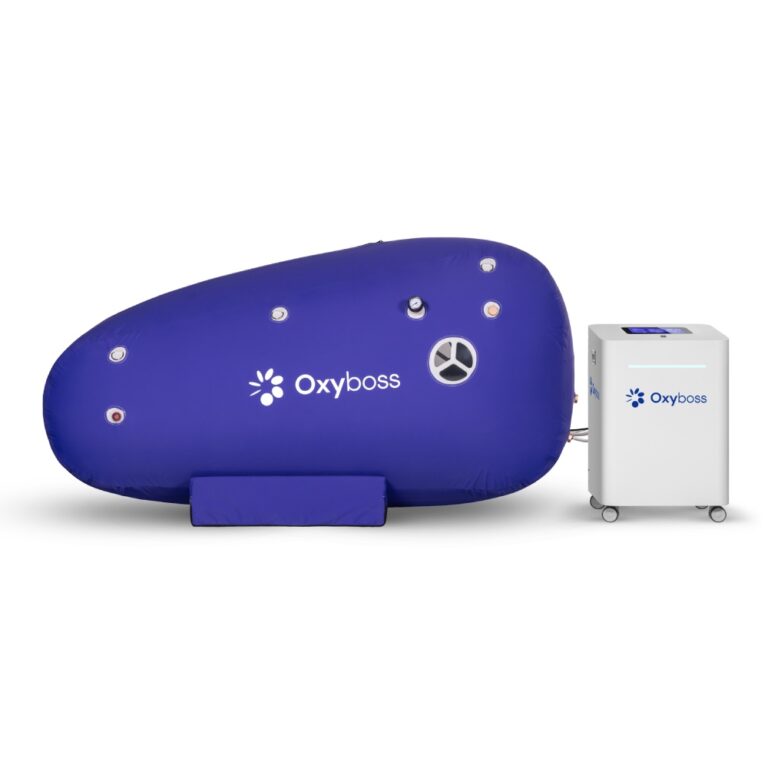
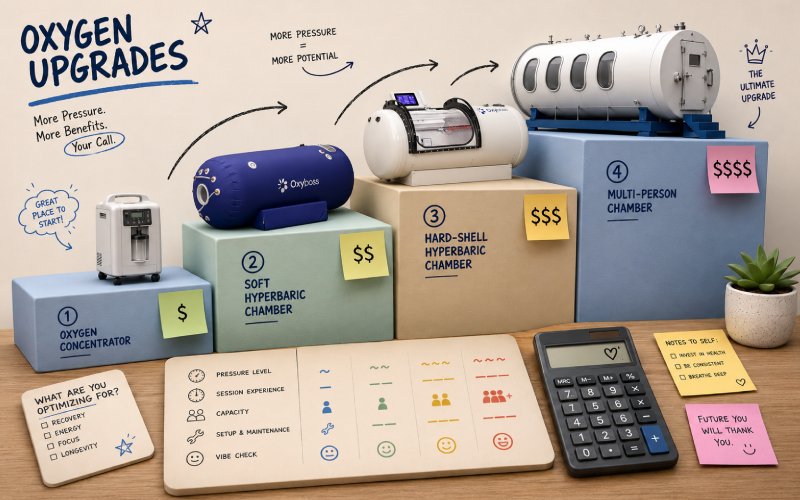
Soft-Shell Chamber (1.3 ATA)
4,495–10,995. Often the entry point for home users. Portable, foldable for storage, and typically runs on a standard outlet. Some buyers add an oxygen concentrator depending on the chamber design and preferred setup.
Hard-Shell Chamber (1.5–2.0 ATA)
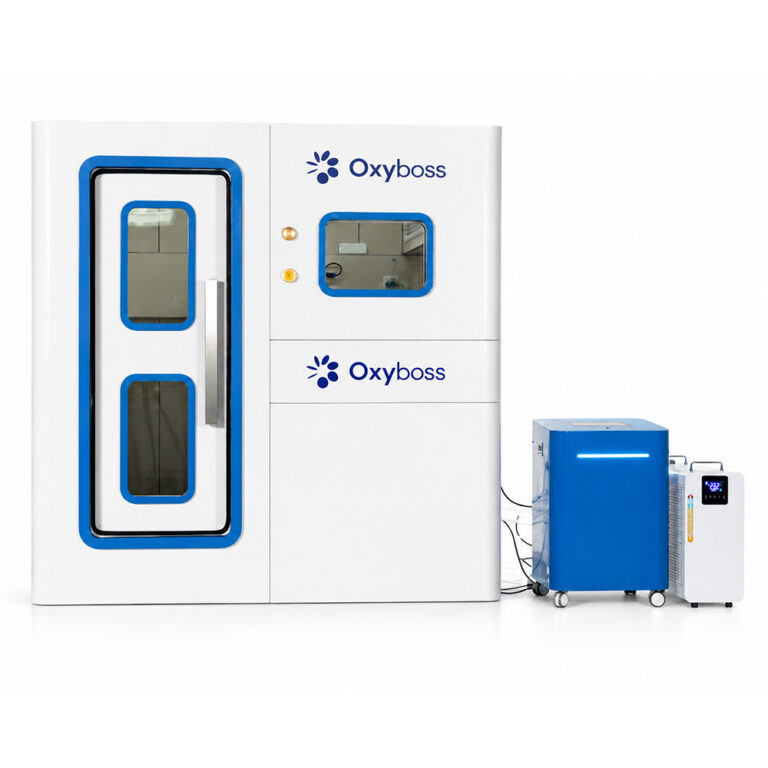
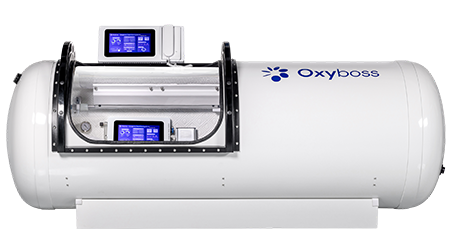
8,499–28,000. Fixed installation. Heavier, more durable, and generally built for higher-pressure capability and more demanding usage environments. Some models include ports for supplemental oxygen input.
Facility-Grade / Multi-Person Systems
26,500–52,000+. Typically considered by commercial operators or dedicated facilities that need higher throughput, larger capacity, or more robust installation formats.
Concentrator Alone
800–3,500. Lower upfront cost and a simpler product format if what you are specifically shopping for is oxygen concentration at normal atmospheric pressure.
Maintenance Realities
Any mechanical system requires upkeep. Here is the practical difference:
Chambers
- Compressor oil and filter checks
- Zipper lubrication on soft-shell units
- Seal inspection on hard-shell systems
- Interior cleaning according to the operating environment and manufacturer guidance
Concentrators
- Intake filter cleaning
- HEPA filter replacement, depending on the model
- Molecular sieve bed refurbishment or replacement over time
- Adequate airflow clearance around the unit
If you run both together, you are maintaining two separate pieces of equipment. Buyers should account for that in both time and operating cost.
Common Mistakes We See
1. Treating a concentrator like a substitute for a chamber
It is not. One changes oxygen concentration. The other changes pressure.
2. Shopping by headline benefit instead of device category
A better starting point is to ask what kind of equipment you are actually trying to buy: oxygen delivery equipment, or a pressurized enclosure for session-based use.
3. Underestimating installation and maintenance
Hyperbaric chambers take more space and more setup than concentrators. That is not necessarily a drawback, but it should be understood before purchase.
4. Ignoring configuration differences
Soft-shell, hard-shell, home, and commercial systems all come with different requirements. The right comparison is not just chamber vs. concentrator, but also which chamber format fits the intended setting.
FAQ
Is an oxygen concentrator the same as a hyperbaric chamber?
No. A concentrator increases the oxygen concentration of the air you breathe at normal atmospheric pressure. A hyperbaric chamber changes the pressure of the environment around the user. They operate on different principles.
Can I use an oxygen concentrator instead of a hyperbaric chamber?
Not if what you are specifically looking for is a pressurized chamber environment. A concentrator does not replace pressure.
Do hyperbaric chambers use oxygen concentrators?
Some setups do. In certain systems, a concentrator can be used as part of the broader chamber configuration. In that case, it functions as an accessory or supporting component, not as a replacement for the chamber.
Which one is better?
That depends on what you are actually trying to buy. If you are comparing device categories, the decision comes down to whether you need oxygen concentration at normal atmospheric pressure or a pressurized session-based environment.
How much does each cost?
Oxygen concentrators generally range from about 800–3,500. Hyperbaric chambers can range from about 4,500 for an entry soft-shell unit to 52,000+ for larger or more facility-oriented systems.
Can both be part of the same setup?
Yes. Some chamber systems can be used with supplemental oxygen input, depending on the product design and applicable instructions.
How often should a hyperbaric chamber be used?
That depends on the product, the manufacturer’s instructions, the operating environment, and the user’s purpose. Buyers should follow the applicable product documentation rather than relying on a generic schedule from a blog post.
Is it safe to use a hyperbaric chamber at home?
Any chamber should be used only in accordance with the manufacturer’s instructions, product labeling, electrical and site requirements, and any applicable local rules. Buyers should review setup, supervision, maintenance, and safety requirements carefully before use.
What is the difference between a soft-shell and hard-shell hyperbaric chamber?
In broad terms, soft-shell models are often lower-pressure and more portable, while hard-shell systems are fixed installations with different durability, pressure, and setup characteristics. Buyers should compare the specific model specifications rather than relying on category labels alone.
Final Takeaway
If you are comparing a hyperbaric chamber and an oxygen concentrator, the most important point is simple: these are different categories of equipment.
A concentrator changes oxygen concentration. A chamber changes pressure.
Once that distinction is clear, the rest of the buying decision becomes much easier: setup, floor space, session format, portability, maintenance, and budget all follow from that basic difference.
If you are evaluating either product for a medical purpose, do not rely on a general buyer’s guide alone. Consult a qualified healthcare professional and review the applicable product labeling and legal requirements in your market before making a decision.
This content is for informational and educational purposes only. It does not constitute medical advice, diagnosis, treatment, or a recommendation to use any product for a medical purpose.