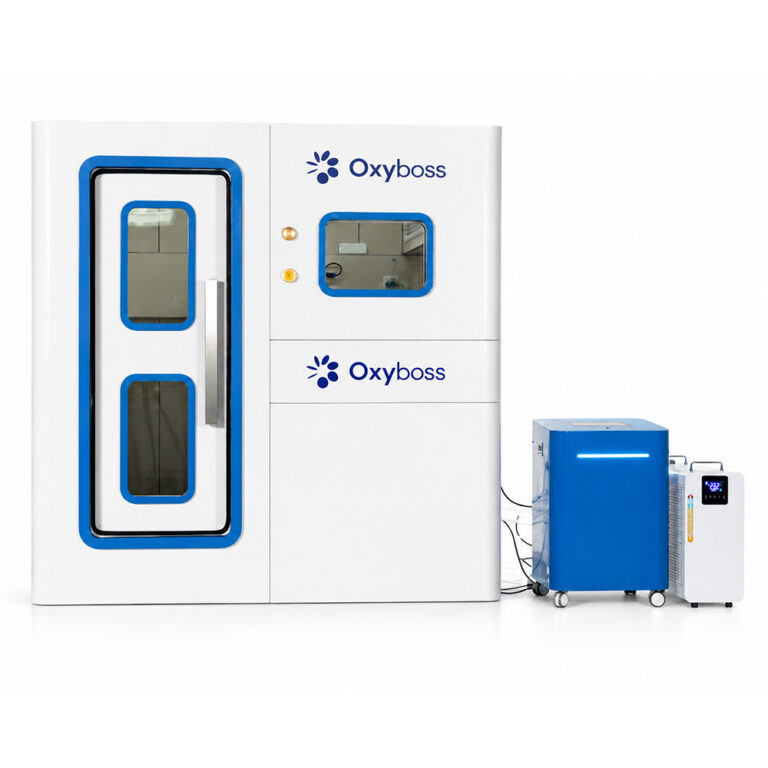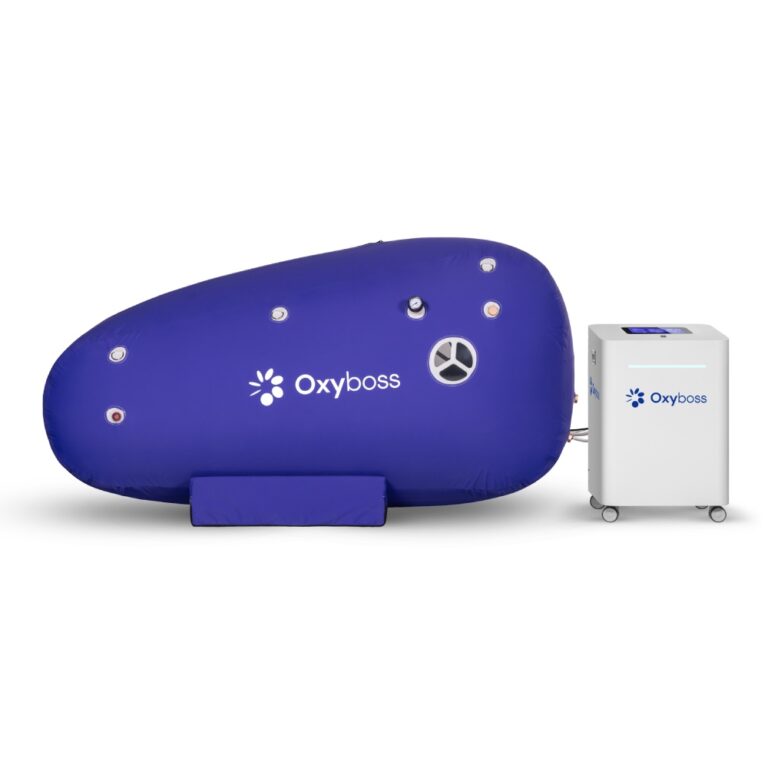
If you are comparing red light therapy vs hyperbaric chamber, start here: these are not two versions of the same tool. They work in different ways, they ask different things from your schedule, and they create very different ownership problems. Red light therapy is mostly a light-and-dose decision. A hyperbaric chamber is mostly a pressure-and-process decision. That sounds tidy. It is still the cleanest way to think about it.
This article stays on the practical side. Not claim charts. Not miracle language. Just what matters when you are trying to decide which setup fits your space, your budget, and the kind of routine you will actually keep.
The short answer
Choose red light therapy if you want something easier to repeat, easier to place in a home routine, and easier to point at a specific area. Choose a hyperbaric chamber if you want a whole-body session format and you are comfortable with longer, more structured use blocks. A lot of confusion disappears once you stop asking which one is “better” and start asking which one creates less friction in real life. That is the boring question. It is also the useful one.
Red Light Therapy vs Hyperbaric Chamber: Side-by-Side
| Factor | Red light therapy | Hyperbaric chamber |
| Main input | Red light, near-infrared light, or both | Increased air pressure inside a chamber, typically paired with oxygen-focused session design |
| Session scope | Usually local or regional | Whole-body session |
| What you adjust most | Wavelength, distance, output, session length | Chamber setup, pressure protocol, session time, entry and exit routine |
| What usually matters first | Dose control | Process control |
| Routine fit | Often easier to repeat several times per week | Usually needs a larger time block |
| Space demand | Smaller devices exist, from handheld to panel formats | Chamber footprint and access matter much more |
| Sensory feel | Light, heat perception varies by device, usually straightforward | Enclosed environment, pressure changes, more setup around the session |
| Biggest buyer mistake | Thinking more power automatically solves everything | Thinking the chamber itself is the only cost or commitment |
The factual differences above come from how light-based photobiomodulation is described in review literature and how hyperbaric chamber sessions are described by major medical institutions and safety guidance.
The real difference: signal vs environment
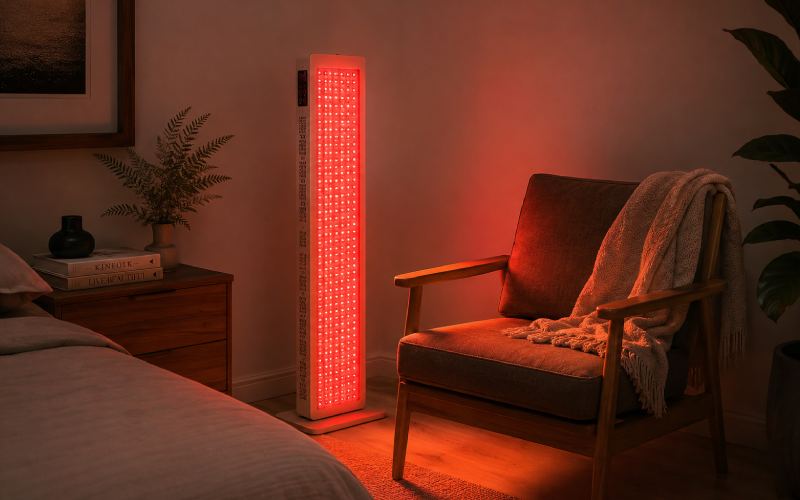
Red light therapy sends a light signal into tissue, usually in the red or near-infrared range. Many devices use one, the other, or both. That means you are mostly deciding what light, how much, from how far, and for how long. It is a targeting problem. Not always a simple one, but still a targeting problem.
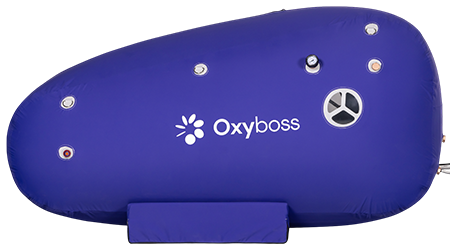
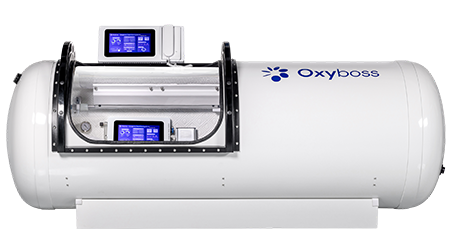
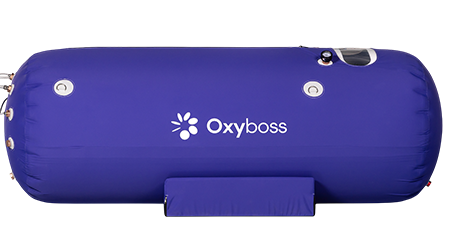
A hyperbaric chamber changes the environment around the body during the session. Pressure is raised above normal atmospheric levels, and the session structure is built around that change. So the logic is broader from the start. You are not pointing at one area. You are entering a controlled chamber session and accepting the full routine that comes with it.
That is why these two tools rarely compete in a clean one-to-one way. One is precise by nature. The other is broad by nature. You can compare them. You just should not pretend they are twins.
Red light therapy has a dose problem
This is where a lot of shallow articles slip. They act like red light therapy is just “turn it on and stand there.” Not quite.
With red light therapy, dose matters. Wavelength matters. Distance matters. Output matters. Session length matters. Research on photobiomodulation has long pointed to a biphasic dose response, which means more light is not automatically better. Too little may be underwhelming. Too much does not always help just because it looks more serious on paper.
That has a practical consequence: buying a stronger-looking panel is not the same thing as buying a better routine. Sometimes the better setup is the one you can position correctly, repeat consistently, and understand well enough to use without guessing every session.
A hyperbaric chamber has a process problem
The challenge on the hyperbaric chamber side is different. It is not mostly about aiming or wavelength. It is about process.
Session blocks are usually longer. Pressure changes are part of the session. Entry, exit, chamber space, operating routine, and the feel of being inside an enclosed system all matter. Even the small annoyances matter. If a setup asks too much from your day, you start skipping it. That is not a technical failure. It is still a failure.
There is also a plain safety reality here: hyperbaric oxygen therapy devices are regulated medical devices in the United States, and FDA safety communications stress following operating instructions because serious incidents, including fires, can occur. That does not make every chamber discussion off-limits. It does mean the chamber category should not be treated like casual plug-and-play gear.
What using each one actually feels like
Red light therapy usually feels simpler from the user side. You position the device, control distance, start the session, and repeat. The friction is mostly in learning your device and being consistent. After that, the routine often becomes ordinary. Which is good. Ordinary routines survive longer.
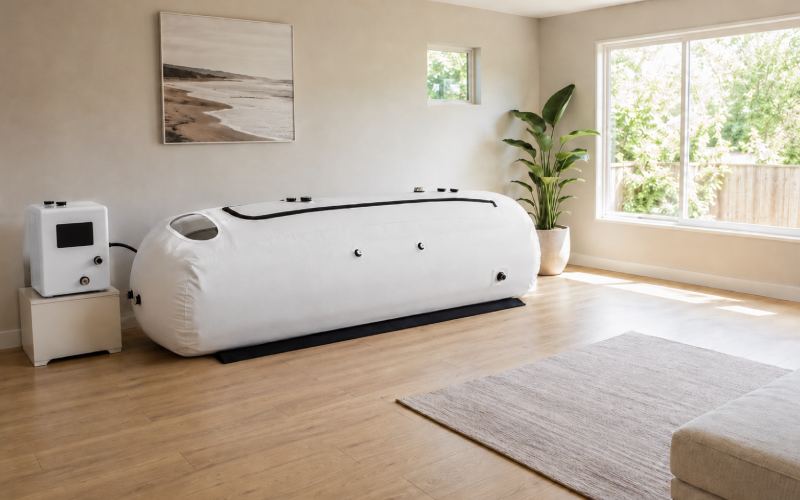
A hyperbaric chamber usually feels more structured. There is more “before” and “after” around the session. Pressure changes can create ear pressure sensations similar to what people notice during flights or altitude shifts, and the total time block is usually larger than a quick light session. That added structure is not automatically bad. Some people prefer it because it feels more defined. Others drop off because it asks too much time in one go.
What matters more than most buyer guides admit
1. Routine stickiness
The best tool is often the one you will still use when the novelty wears off. A red light setup usually wins on repetition. A hyperbaric chamber can win on session intensity and structure, but only if your calendar allows it.
2. Control
Red light therapy gives you more local control, but that also means more room to get lazy with setup details. A hyperbaric chamber gives you less local precision and more full-session structure.
3. Space
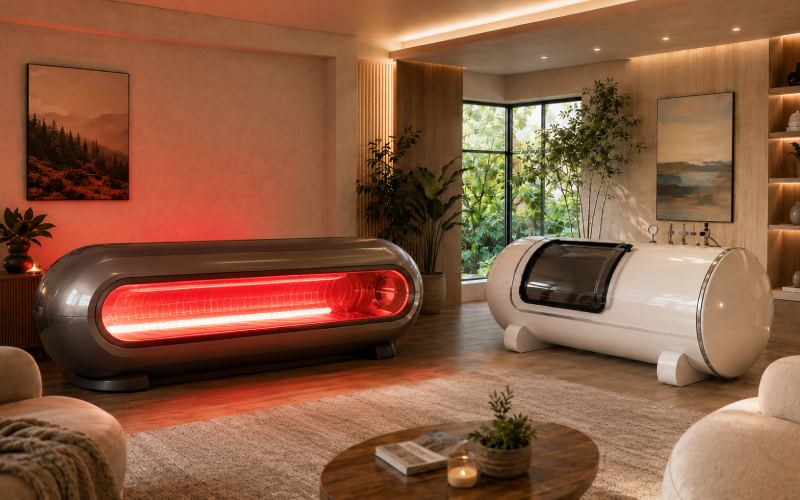
This point gets buried too often. A red light device can range from compact to large-panel. A hyperbaric chamber is a chamber. That sounds obvious, yet it changes everything about ownership. Floor space, access, ventilation around the unit, and the simple question of whether you want a chamber in your environment every day.
4. Learning curve
Red light therapy looks simpler, but the light side has a quiet technical layer: wavelength range, output, distance, and dose. The chamber side has a different learning curve: operation, session flow, and setup discipline. One is not smarter than the other. They are just different kinds of work.
Which one fits which kind of person?
Red light therapy usually fits better if:
- You want shorter, easier-to-repeat sessions
- You prefer targeted use over full-body session design
- You care about fitting the tool into a normal weekly rhythm
- You are willing to learn a bit about dose instead of assuming the device handles everything for you
That last point sounds minor. It is not. Red light therapy rewards users who pay attention to setup details.
A hyperbaric chamber usually fits better if:
- You want the whole session to feel structured from start to finish
- You are comfortable with longer time blocks
- You do not mind an enclosed setup
- You are solving for session format, not just for local targeting
This is where people sometimes talk past each other. They say they want “the strongest option,” when what they really want is a more involved option. Those are not the same thing.
Can red light therapy and a hyperbaric chamber be used together?
Yes, because they are not redundant. One is a light-based input. The other is a pressure-based session format. In that sense, they can sit in the same routine without overlapping completely. But “can be combined” is not the same as “should be combined.” For most buyers, the better first move is picking the one they can understand, place, schedule, and repeat without turning the week into a project.
FAQ
Is red light therapy the same as a hyperbaric chamber?
No. Red light therapy uses red or near-infrared light as the main input. A hyperbaric chamber uses a pressurized chamber session format. Different input. Different routine. Different ownership logic.
Which one is easier to use at home?
Usually red light therapy. Devices vary a lot, but the setup is often simpler and the time block is usually easier to repeat. A hyperbaric chamber generally asks for more space and a more structured session routine.
Which one takes more time per session?
A hyperbaric chamber usually does. Official overviews commonly describe chamber sessions in larger time blocks, often around 90 minutes to two hours, with some ranges extending wider depending on context.
Does wavelength matter in red light therapy?
Yes. Red and near-infrared are often grouped together in conversation, but they are not identical. Wavelength range affects how the light behaves, and many devices combine the two for that reason.
Is a stronger red light device always better?
Not automatically. Dose matters in photobiomodulation, and more is not always better just because the output number is higher. Device quality still matters, but so do distance, timing, and consistency.
Can a hyperbaric chamber replace red light therapy?
Not really. They are built on different inputs and different session logic. One does not turn into the other because both are often discussed in the same wellness circles.
Which one should come first?
For most people, the first buy should be the one that fits the week. Not the one that sounds more advanced. If your schedule is tight and you want targeted sessions, red light therapy usually makes more sense first. If you are comfortable with a chamber routine and a bigger time commitment, a hyperbaric chamber may fit better.
Final take
The cleanest way to frame red light therapy vs hyperbaric chamber is this: one is a dose-driven light tool, the other is a process-driven chamber session. One usually wins on convenience and repetition. The other usually wins on scope and structure. Neither one is “the winner” in the abstract. The better choice is the one whose routine you can actually keep, whose setup you understand, and whose trade-offs do not start annoying you by week three. That is not flashy advice. It is still the advice that holds.