Key Takeaways
A hyperbaric chamber is a sealed enclosure that raises air pressure above normal sea-level conditions, allowing your body to absorb more oxygen per breath depending on both pressure and oxygen concentration.
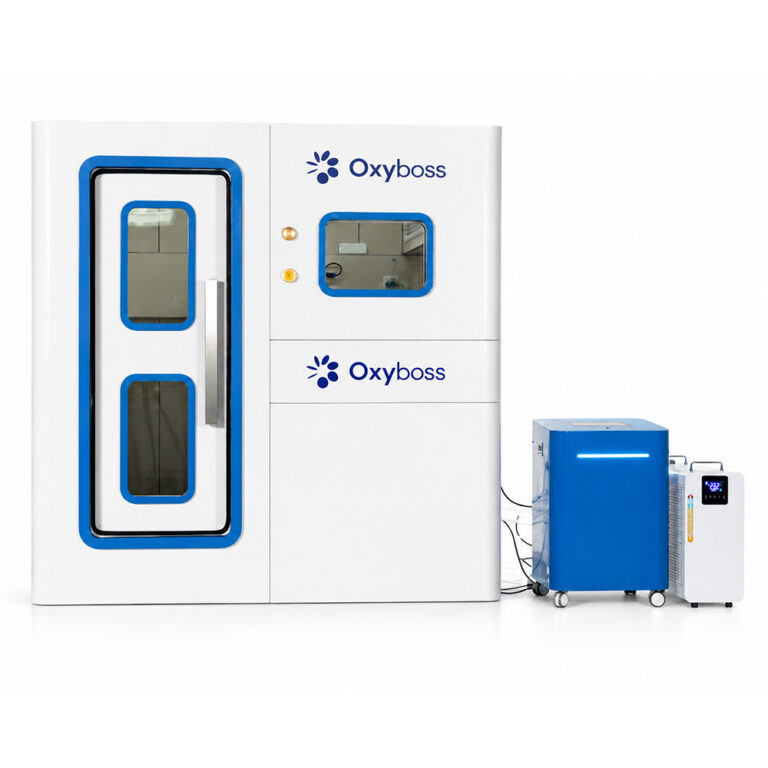
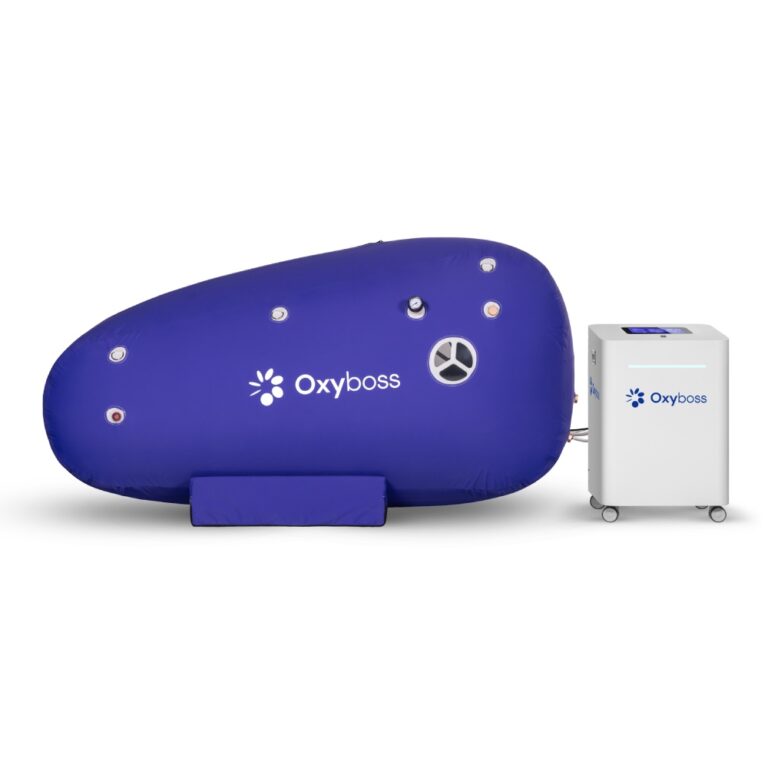
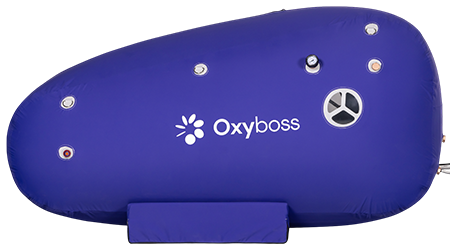
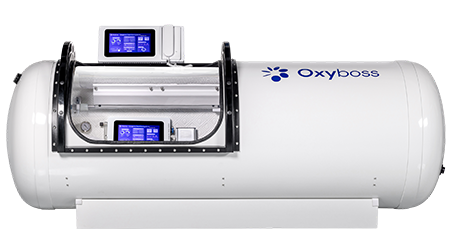
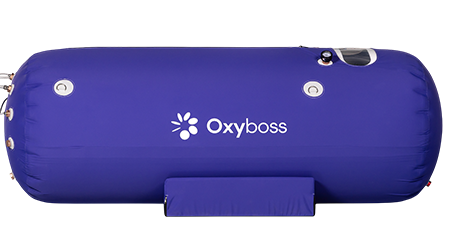
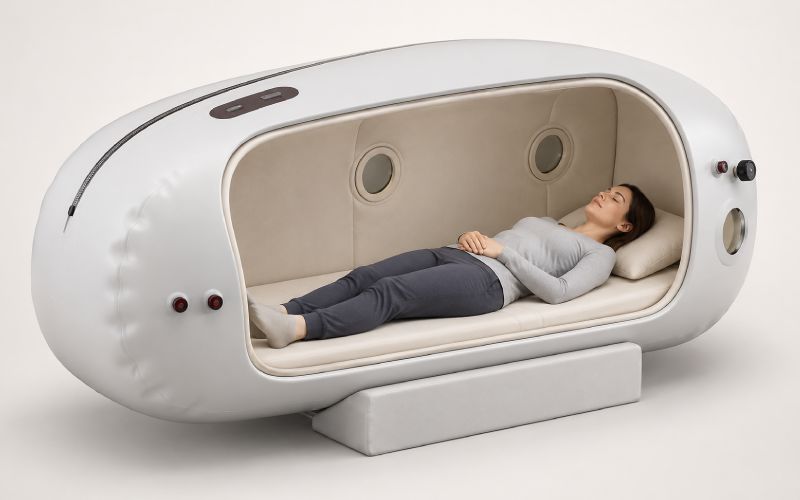
There are two main types: portable soft-shell chambers for home and wellness use, and rigid hard-shell chambers found in professional facilities.
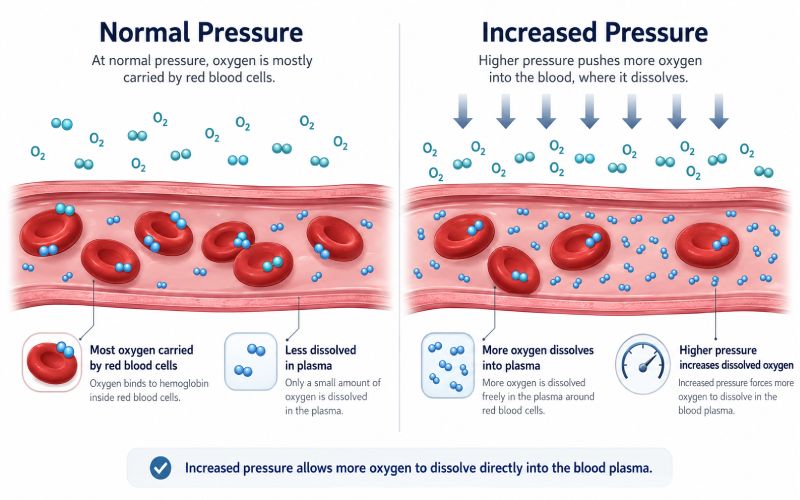
The core mechanism is simple: higher pressure can mean more oxygen dissolves into your blood.
Hyperbaric sessions are used by athletes, busy professionals, and wellness-focused individuals as part of recovery, relaxation, and general well-being routines.
Sessions typically last 60–90 minutes and feel uneventful—most people read, nap, or listen to podcasts.
So What Is It, Really?
Picture a zippered tent made of reinforced fabric. Or a steel tube with a porthole window. Both qualify.
A hyperbaric chamber is any sealed space designed to hold air pressure higher than what you experience walking around outside. At sea level, you’re living at 1 ATA—one atmosphere absolute. Inside a chamber, that number goes up, usually somewhere between 1.3 and 3.0 ATA depending on the type 1.
Why does that matter? Because when pressure goes up, each breath you take can push more oxygen into your body than it normally could, especially when higher oxygen concentrations are used. Not different oxygen—more of the same oxygen, absorbed more deeply. Your lungs work the same way. The physics around them just change.
That’s the entire idea. No exotic gas mixtures. No complicated chemistry. Just pressure doing what pressure does.
Why Pressure Matters More Than You Think
Most people fixate on oxygen purity—”Is it 100% oxygen? Is it enriched air?”—when pressure is one of the biggest levers.
Here’s a kitchen-counter analogy: Imagine pushing a sponge into a bowl of water. At the surface, the sponge absorbs some water. Push it down deeper—more pressure—and the sponge soaks up significantly more. Your body under pressure works on a similar principle. Under higher atmospheric pressure, oxygen that would normally only hitch a ride on red blood cells starts dissolving into your blood’s liquid component as well 2. This gives oxygen additional pathways through your system.
Two physics laws explain this. You don’t need to memorize them, but they’re worth knowing by name if you plan to research further:
Henry’s Law — The amount of gas that dissolves in a liquid goes up when pressure goes up 3. More pressure, more dissolved oxygen. That’s the whole thing.
Boyle’s Law — Gas volume shrinks as pressure increases 3. This is why your ears pop inside the chamber—air pockets in your body are responding to the pressure shift.
The bottom line is: an oxygen mask at normal room pressure gives you richer air. A hyperbaric chamber changes the physics of how your body absorbs that air. They’re not the same thing, even though both involve oxygen.
A Surprisingly Old Idea
You’d be forgiven for thinking hyperbaric chambers are a recent invention. They aren’t.
The first recorded concept of a pressurized enclosure is usually attributed to 1662 and Nathaniel Henshaw, a British physician, who described using bellows to change the pressure inside a sealed room he called a “domicilium” [4]. The funny part? Oxygen hadn’t been discovered yet. That wouldn’t happen for another 112 years [5]. Henshaw didn’t know what he was manipulating at the molecular level. He just observed that people seemed to feel different under altered pressure.
Some historians debate whether Henshaw’s chamber was actually built and used as later accounts describe, but the idea itself is old enough to be surprising.
By the late 1800s, pressurized rooms—called “compressed air baths”—had appeared in cities across Europe [6]. In 1928, a facility in the United States opened with a large pressurized environment containing dozens of rooms.
The technology has been refined enormously since then, but the core principle hasn’t changed in centuries. Air pressure goes up, and the body responds.
Two Types of Chambers — And They’re Very Different
This is where people get confused, so here’s a direct comparison:
| Feature | Portable Soft-Shell Chamber | Rigid Hard-Shell Chamber |
|---|---|---|
| What it looks like | Inflatable fabric tube or tent | Steel or acrylic cylinder or room |
| Typical pressure | 1.3–1.5 ATA | 2.0–3.0 ATA |
| Oxygen delivery | Ambient air or concentrator-fed | Can deliver concentrated oxygen via mask or hood |
| Where you’ll find one | Home, wellness studio, gym | Specialized professional facility |
| Portability | Foldable, fits in a spare room | Permanent installation |
| Price range | $4,000–$15,000 | $30,000–$200,000+ |
| Session length | 60–90 minutes | 45–120 minutes |
The critical difference isn’t complexity—it’s intensity. Portable chambers run at gentler pressures, and that’s by design. For people focused on daily recovery, relaxation, and general well-being, 1.3–1.5 ATA is the range where most home use happens. Higher-pressure rigid chambers deliver a more intense experience and are typically overseen by trained operators.
Neither type is “better” in the absolute sense. A sedan isn’t worse than a truck—they serve different purposes. Someone buying a chamber for their home gym or wellness room has different needs than someone visiting a professional facility for a specialized protocol.
If you’re exploring home options, [see our guide to choosing the right chamber for your space →]
What a Session Actually Feels Like
Since nobody ever talks about the boring parts, let’s talk about the boring parts.
You climb in—or lie down, depending on the chamber design. The door zips or seals shut. You hear a soft hissing as pressure starts building. Within the first few minutes, your ears feel full, like you’re descending in an airplane. You swallow, yawn, or gently pinch your nose and blow—same technique scuba divers use. The discomfort passes quickly.
The air inside warms up a bit as pressure builds. Not dramatically, but you’ll notice.
And then… not much happens. That’s the whole point. You’re lying in a pressurized space, breathing. Most people read, listen to a podcast, use an approved device, or fall asleep. Some chamber owners say their sessions have become the only 60 minutes in their day where they genuinely do nothing. Whether the oxygen is helping or the forced stillness is helping—or both—is an interesting question.
Toward the end of the session, pressure gradually decreases. Your ears might pop again. You step out feeling a bit sleepy, maybe slightly warm. You go on with your day. That’s it.
No ceremony. No drama. Just air and pressure and time.
Who’s Actually Using These?
The user base has shifted a lot over the past decade.
Athletes focused on recovery. Professional and amateur athletes use hyperbaric sessions between training blocks. The appeal is straightforward: pressurized oxygen is used as one way to support the body’s natural recovery routines after physical stress. Some use it daily during heavy training phases; others keep it to a few times per week. It’s become one of several tools—alongside cold plunges, compression boots, and sleep optimization—in a broader recovery stack.
Busy professionals looking for a reset. This one surprised me too. A growing number of chamber owners aren’t athletes at all—they’re founders, executives, and remote workers who describe sessions as a forced pause in an overstimulated day. Whether the benefit comes from the oxygen, the stillness, or the ritualized downtime is hard to untangle. Most users don’t seem to care which one it is—they care that they feel better afterward.
Wellness and longevity enthusiasts. People who already track their sleep, manage their nutrition, and build deliberate recovery practices. For this group, a hyperbaric chamber isn’t a magic bullet—it’s another input in a stack they’ve been building for years.
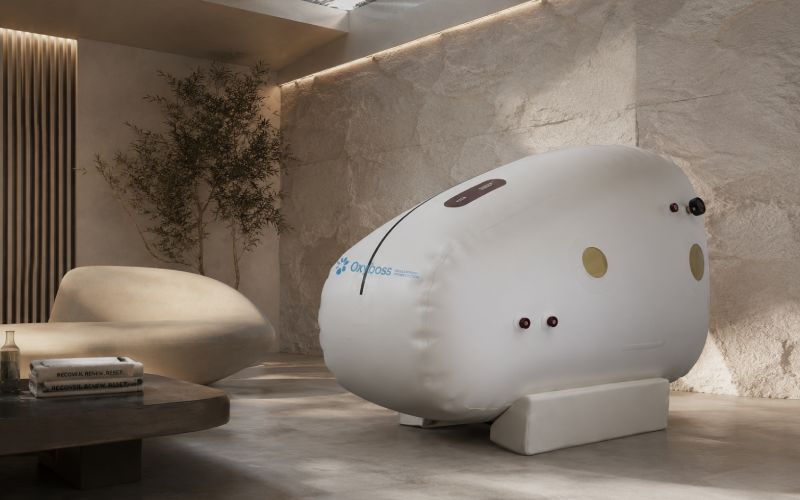
Home wellness setups. Dedicated wellness rooms—once limited to saunas and cold plunges—now increasingly include portable hyperbaric chambers. The footprint is manageable, most soft-shell units fold up, and the electrical requirements are minimal.
One honest note: the body of published research on wellness-focused, mild-pressure hyperbaric use is still growing. There’s enough data to explain why people are interested, but not enough to make sweeping performance claims. If someone tells you a 1.3 ATA session will transform your life overnight, they’re selling harder than the science currently supports. The people who get the most out of these chambers tend to treat them as one piece of a larger picture—not the whole picture.
Before Your First Session: What to Know
Hyperbaric sessions are generally well-tolerated, but a few things deserve a heads-up:
Ear and sinus pressure. The most common discomfort. If you have active congestion—a cold, allergies, a sinus issue—postpone until it clears. Trying to equalize pressure with blocked sinuses is unpleasant and unnecessary [7].
Mild, temporary vision shifts. Some people experience slight near-sightedness after a series of sessions. This typically reverses on its own after a break [7]. It’s not common, but it’s documented.
Claustrophobia. Some chambers are tight. If enclosed spaces bother you, look for models with transparent panels or wider interiors. This is a solvable design problem, not a reason to avoid chambers entirely.
Oxygen sensitivity at very high pressures. Oxygen-related sensitivity depends on oxygen partial pressure, session length, protocol, and individual factors [8]. At professional-level pressures or with extended session times, risk can increase. Home-use chambers operating at 1.3–1.5 ATA with standard session durations are typically far below professional treatment pressures, but that doesn’t mean safety guidance should be ignored.
Fire safety. Environments with elevated oxygen concentrations carry higher fire risk. Do not bring electronics with lithium batteries, lighters, or flammable materials into any chamber unless the manufacturer or facility specifically allows it. Follow the manufacturer’s safety guidelines without exception.
The single best thing you can do before starting: talk to a qualified professional. Get a proper evaluation. Understand whether your current health status is compatible with pressurized environments. This isn’t the kind of thing to wing.
Is It Worth It?
Depends on what you’re comparing it to.
If you’re comparing it to doing nothing—yes, putting your body in a pressurized, oxygen-rich environment for an hour is doing more than sitting on your couch. If you’re comparing it to the combined effect of consistent sleep, good nutrition, regular exercise, and stress management—those fundamentals still come first.
The people who seem to get genuine value from hyperbaric chambers are the ones who already have their basics dialed in and are looking for an additional edge. If you’re sleeping five hours a night and eating poorly, a pressurized chamber isn’t going to offset that.
But if your foundation is solid and you’re looking for a recovery tool that fits into your daily routine, requires no effort during the session, and has a long history of people voluntarily climbing back in—it’s worth exploring.
[Ready to find the right chamber for your goals? Browse our collection →]
Frequently Asked Questions
What does ATA mean?
ATA stands for atmospheres absolute. One ATA equals normal air pressure at sea level. Inside a hyperbaric chamber, you experience pressure above 1 ATA—typically 1.3 to 3.0 ATA depending on the chamber type.
How long is a session?
Home sessions usually run 60–90 minutes. Professional sessions may go up to two hours. Most people start with shorter sessions and adjust.
Can I use a hyperbaric chamber at home?
Yes. Portable soft-shell chambers are designed for home use. They’re foldable, run on standard electrical outlets, and usually do not require professional installation for basic setup. Still, you should get proper guidance, follow the device instructions, and understand whether pressurized environments are appropriate for you.
What’s it feel like?
Ear pressure at the start, like an airplane descent, slight warmth, then nothing notable. Most people describe it as relaxing, boring, or both.
How often should I use it?
There’s no single answer. Some athletes use chambers daily during intense training periods. Others go two to three times per week. Some use it once a week as part of a broader routine. Frequency depends on your goals.
Is breathing from an oxygen mask the same thing?
No. An oxygen mask increases oxygen concentration. A hyperbaric chamber increases pressure, which changes how deeply oxygen absorbs into your system. They work through different mechanisms.
Who should avoid hyperbaric sessions?
Anyone with active sinus congestion, certain ear conditions, or unmanaged respiratory concerns should consult a qualified professional before using a chamber. When in doubt, get evaluated first.
Are soft-shell chambers effective?
They operate at lower pressures than rigid chambers, which means a different intensity of experience. For daily recovery, relaxation, and general well-being at home, portable chambers at 1.3–1.5 ATA are the most popular choice. They’re not designed to replicate the experience of a professional-grade rigid chamber—they’re designed for consistent, accessible, everyday use.
The information provided is for educational purposes only and is not intended as medical advice. Always consult with a healthcare professional before beginning any hyperbaric protocol.
References
1 Wikipedia. “Hyperbaric medicine.” (Wikipedia)
2 Gill, A.L., & Bell, C.N.A. (2004). “Hyperbaric oxygen: its uses, mechanisms of action and outcomes.” QJM: An International Journal of Medicine, 97(7), 385–395. (PubMed)
3 StatPearls – NCBI Bookshelf. “Hyperbaric Physics.” (NCBI)
4 Clarke, R. (2024). “Nathanial Henshaw: Not history’s pioneering hyperbaric practitioner.” Undersea & Hyperbaric Medicine, 51(2), 107–113. (PubMed)
5 American Chemical Society. “Joseph Priestley and the Discovery of Oxygen.” (American Chemical Society)
6 Krishnamurti, C. (2019). “Historical Aspects of Hyperbaric Physiology and Medicine.” IntechOpen. (IntechOpen)
7 StatPearls – NCBI Bookshelf. “Hyperbaric Complications.” (NCBI)
8 Zhang, Y. et al. (2023). “Adverse effects of hyperbaric oxygen therapy: a systematic review and meta-analysis.” Frontiers in Medicine, 10:1160774. (Frontiers)
9 Case Western Reserve University, Encyclopedia of Cleveland History. “Cunningham Sanitarium.” (Case Western Reserve University)