You are not being asked to skip deodorant for appearance reasons.
Under our pre-entry protocol, you are being asked to keep avoidable fuel and residue out of a chamber environment that already demands disciplined material control.
That is the rule. The engineering behind it is not complicated, but it is easy to soften too much. We do not soften it.
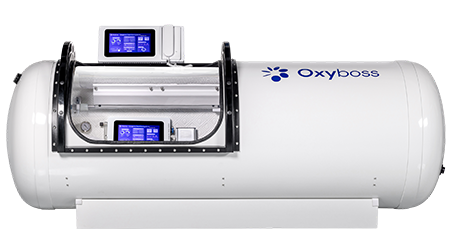
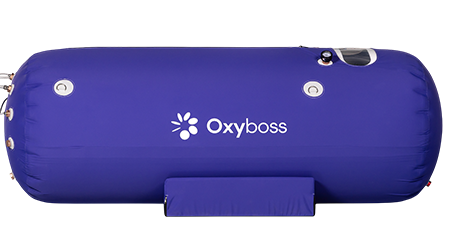
As a manufacturer of non-medical hyperbaric chambers, we write pre-entry rules around repeatability. Clean inputs. Stable interior conditions. Fewer unknowns. Once a session starts, we want the chamber environment controlled by design and operating procedure, not by whatever was sprayed or rubbed onto skin an hour earlier.
Key Takeaways
- Deodorant can add vapor, film, or both. None of that improves chamber safety or cleanliness.
- Spray products are the obvious issue. Stick, roll-on, gel, and balm products can still leave residue behind.
- “Natural,” “unscented,” and “applied the night before” are not approval standards in our pre-entry protocol.
- The cleaner rule is still the best one: clean skin, approved clothing, no personal care residue before entry.
The engineering reason is simple
Every chamber rule eventually comes back to the same three variables:
- fuel
- oxygen
- ignition
If oxygen rises, the margin for sloppy choices drops. Fast.
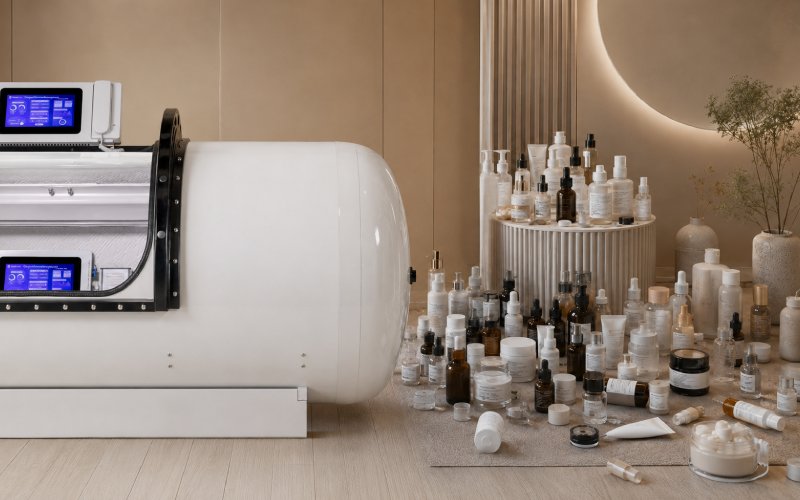
Once you are in an oxygen-enriched chamber environment, even ordinary materials can behave less like everyday materials and more like ready fuel. Ignition thresholds can fall. Flame spread can speed up. Residue that looked trivial in a bathroom becomes less trivial in a sealed, pressurized routine. That is why, for our protocols, we look at deodorant the same way we look at perfume, body spray, lotion, hair product, makeup, and oily skin film: not simply as grooming. As chamber contamination.
And yes, there is a line people in oxygen safety use for this. Above 23.5% oxygen by volume, you are no longer dealing with normal air assumptions. Small things stop being small.
The can is not the whole problem
People fixate on aerosol deodorant because it is easy to understand.
Propellant. Fine mist. Vapor cloud. Done.
Fair enough. Spray deodorant is the clearest fail under our protocol.
But stick products are not exempt. Roll-ons are not residue-free. Balms do not get a pass because the label sounds softer. The slower problem is usually the more annoying one: a transfer film that moves from skin into fabric, then from fabric into contact surfaces, then into your cleaning cycle.
That is where weak protocols usually break. Someone says the product is dry, so it should be fine. Someone else says it was applied last night, so it should be fine. Now your staff is judging skin chemistry at the door. That is not a system.
Why “natural” and “unscented” do not help much
You do not approve chamber prep by marketing language.
“Natural” often means oils, waxes, powders, or aromatic compounds. “Unscented” only tells you less about smell. Not much about residue. “Alcohol-free” removes one concern and leaves the rest sitting there.
We care about what the product leaves behind. We care about what it can transfer into clothing, liners, pillows, seating, shoulder zones, zipper flaps, and reusable fabrics. We care about what adds fuel load, what complicates cleaning, and what forces staff into case-by-case exceptions.
That is why we do not build a deodorant exception list. We build a cleaner entry standard.
What we stop before chamber entry
| Product type | What it adds | Why we do not allow it | Better pre-entry choice |
| Aerosol deodorant | Vapor, propellant, wide-spread mist residue | Fastest way to introduce flammable vapor into the prep area and chamber workflow | No spray products before entry |
| Stick deodorant | Waxy film, fragrance carriers, fabric transfer | Residue loads seams and underarm contact zones | Clean skin only |
| Roll-on or gel deodorant | Wet film, delayed dry-down, transfer risk | Easy migration into shirts, towels, cushions, and liners | Dry, product-free skin |
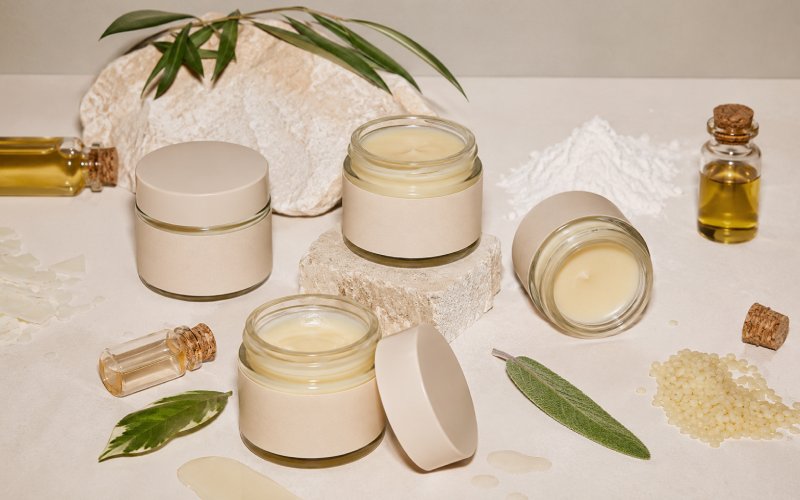
| Balm or “natural” deodorant | Oils, butters, powders, essential-oil residue | Low drama on the label, still not low residue | Skip until after the session |
| Body spray or fragrance mist | Airborne droplets and surface fallout | Wider contamination, harder to control | Keep all scent products outside prep |
| “Applied earlier” deodorant | Leftover film on skin or fabric | Too inconsistent to verify and too easy to underestimate | Start the session fresh |
Where deodorant actually ends up
This part matters more than the ingredient list.
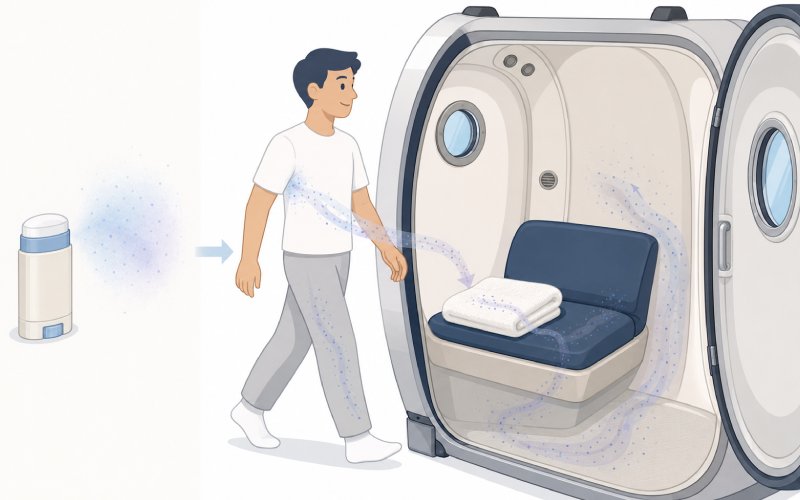
In real use, residue travels. It does not stay politely in one spot under the arm.
We see it move into:
- shirt side seams
- collar edges
- towels and wraps
- shoulder contact points
- headrest areas
- seat cushions
- soft liners
- any reusable fabric that sees repeat upper-body contact
Now the issue is not only fire behavior. It is also operations.
Residue holds odor. It traps lint. It makes contact zones feel dirty sooner than they should. It pushes cleaning frequency up. On high-use schedules, that compounds. Slowly, then all at once. You notice it in the room first. Then in the materials.
So yes, “no deodorant” is a safety rule. It is also a maintenance rule. And a durability rule.
Why operators usually benefit from one blunt rule
If you run a non-medical wellness space, you do not want your team sorting products into maybe-safe and probably-safe categories.
That kind of screening sounds flexible. It usually becomes inconsistent.
A simpler rule gives you better control:
- faster pre-entry checks
- less staff guesswork
- cleaner reusable fabrics
- fewer odor and residue complaints
- less drift between shifts
- easier onboarding for new team members
You are not trying to win a debate at the door. You are trying to keep the room, the chamber, and the workflow stable over months of use.
Why home users should follow the same standard
Home setups tempt people into shortcuts.
Smaller chamber. Familiar room. One user. Feels harmless.
We would not design around that assumption.
The prep standard should stay the same at home because the underlying logic has not changed. Oxygen management still matters. Static-generating fabrics still matter. Residue still transfers. Soft surfaces still collect what you bring in.
So the home rule stays clean and boring:
shower if needed, dry fully, use approved clothing, enter product-free
That is easier to repeat. Easier to keep clean. Easier to live with long term.
Approved clothing matters for the same reason
This is the part people separate too much from deodorant. We do not.
Personal care residue and clothing choice belong in the same conversation because both affect chamber fire behavior and surface contamination. Cotton and other approved low-static garments are preferred for a reason. Synthetic-heavy fabrics can generate more static. Product residue can load into those fabrics. Neither variable improves the chamber environment.
That is why a good protocol does not stop at “no deodorant.” It also tells you what to wear, what not to wear, and how simple the entry routine should be.
What you should do instead
Keep it plain.
Shower if needed. Dry off fully. Wear approved chamber clothing. Do not apply deodorant, perfume, body spray, lotion, makeup, or hair product before entry. Use them after the session, not before.
You do not need a clever workaround. You need a protocol people can follow without negotiation.
FAQ
Can I use alcohol-free deodorant before a chamber session?
Under our protocol, we still would not approve it. Removing alcohol does not remove residue, waxes, oils, powders, or transfer film. The chamber does not care which marketing problem the label solved.
Is spray deodorant worse than stick deodorant?
For vapor, yes. For long-lived fabric residue, not always. Spray creates an obvious airborne problem. Stick products create a slower surface problem. We stop both.
What if I put deodorant on the night before?
That is still too loose for a clean protocol. Residue can stay on skin and move into fabric. If you can smell it, feel it, or find it on the clothing, it is still part of the chamber equation.
Does “natural deodorant” make it acceptable under your protocol?
No. Natural formulas still use oils, waxes, powders, butters, and aromatic compounds that add contamination and fuel load.
Is the rule different for home hyperbaric chambers?
The setting is different. The rule should not be. A home chamber benefits from the same clean-skin standard because the same oxygen, residue, fabric, and maintenance logic still applies.
Why do you also restrict lotion, perfume, makeup, and hair product?
Because they create the same kind of chamber problem through different packaging. Vapor, film, residue, transfer. Different bottle. Same logic.
What should I wear into the chamber instead?
Approved chamber clothing, usually cotton or other low-static options defined by the chamber protocol. Clean, dry, and free of personal care residue is the point.
Final word
You do not ban deodorant because deodorant is dramatic.
You ban it because the chamber works better when you remove what the chamber does not need: extra fuel, extra residue, extra uncertainty.
That is the real reason.
And in practice, it does more than support safety. It keeps interiors cleaner, fabrics more manageable, prep simpler, and ownership easier over time.