A setup, session, and maintenance guide for customers using our soft-shell systems in home and commercial wellness settings.
Key Takeaways from Our Product Team
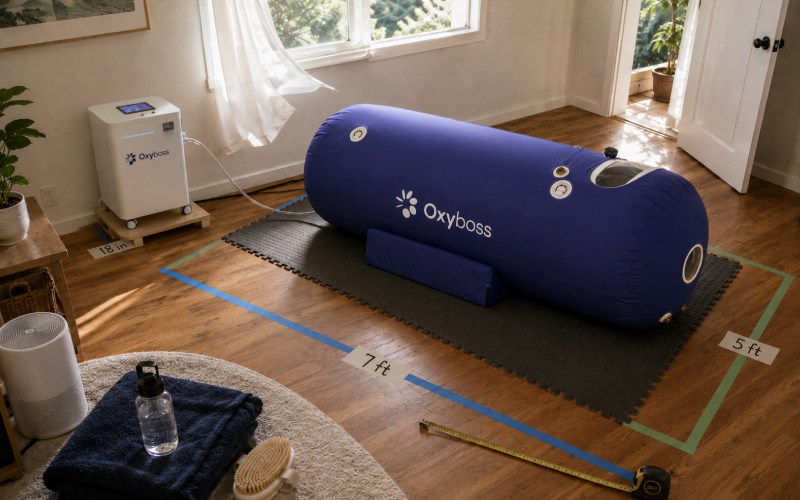
- Room requirements: Minimum 7 ft × 5 ft clear space, 65–75°F ambient temperature, active ventilation, compressor positioned 18+ inches from any wall
- Typical session flow: 5–10 min pressurization → time at operating pressure → 5–10 min depressurization
- Routine use: Many customers begin with 2–3 sessions per week and adjust based on comfort, schedule, and product instructions
- Critical maintenance intervals: Weekly interior wipe-down, monthly filter replacement, 6-month zipper service for high-volume commercial use, annual full chamber inspection
- Most common operator mistake: Running sessions in sealed rooms with inadequate fresh air intake for the compressor
Before You Pressurize Anything
Most first-time setup problems happen before the chamber inflates. Your compressor pulls ambient air from the room, pressurizes it, and feeds it into the chamber. If that ambient air is stale, warm, or humid, user comfort may drop and your compressor may work harder than necessary.
Room Requirements
Hard minimums — not suggestions:
Floor space: 7 ft × 5 ft clear area around the inflated chamber. Not just the footprint — you need room to move around it during maintenance and cleaning.
Ventilation: At least one window or active ventilation source. A closed bedroom with the door shut is not adequate. The compressor needs continuous fresh air intake, and the chamber exhausts air back into the room.
Flooring: Hard and level. Carpet creates micro-unevenness that can add stress to seams over repeated pressurization cycles. If carpet is your only option, lay down a rigid foam mat as a base layer.
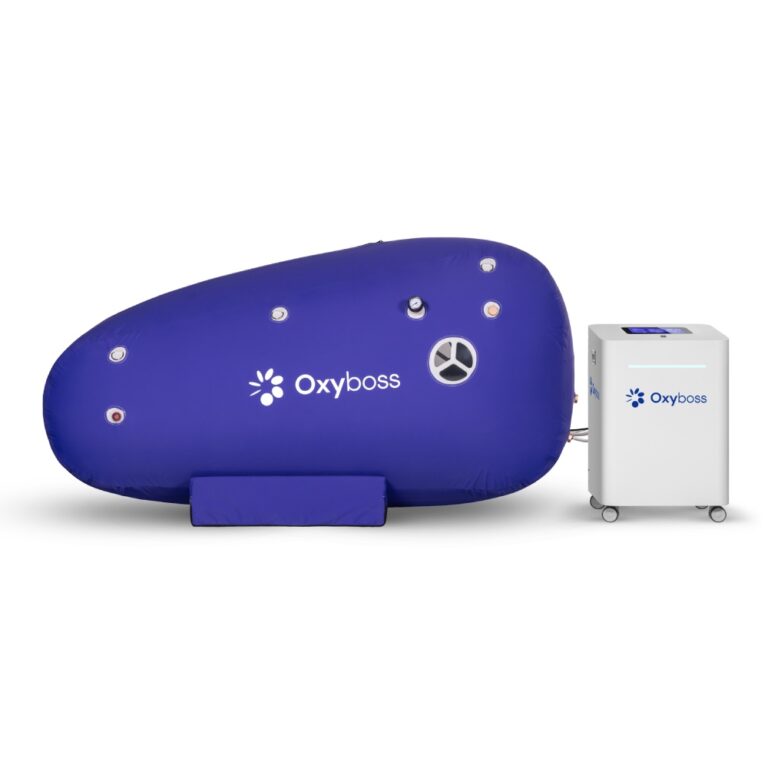
Compressor placement: Minimum 18 inches from any wall, on a hard flat surface. It needs airflow on all sides for cooling. A simple plywood board on carpet works.
Temperature: 65–75°F. Above 78°F, interior chamber temperatures can climb quickly and shorten sessions due to discomfort.
For Wellness Studio Operators: Your room HVAC system matters more than many operators expect. We have seen commercial locations go through compressor intake filters much faster in rooms with poor air circulation and dust-heavy air. A standalone HEPA filter placed near the compressor can help reduce dust load in higher-use spaces.
The Session — Step by Step
Pre-Session Checklist (Every Time, Not Just the First Time)
This takes about 90 seconds once it’s habit. Skipping it increases the chance of avoidable equipment issues.
- Visual scan of the chamber exterior. Look for fabric wear at fold creases, discoloration near zipper tracks, and hose connection integrity. Run your hand along the main zipper — it should glide. If it catches, clean and lubricate it. Do not force it.
- Check the pressure gauge zero point. Before power-on, the gauge should read exactly 0. If it reads above zero, recalibrate or replace it.
- Inspect the intake filter. A dusty filter can reduce airflow and overall system performance.
- Remove everything from your pockets. Lighters, battery packs, vape pens, or anything with a spark source or pressurized component stays outside. Follow all product safety instructions regarding prohibited items inside the chamber.
- Hydrate before entry if helpful for comfort. Many users prefer to drink water before a session rather than during it.
Pressurization Phase (5–10 Minutes)
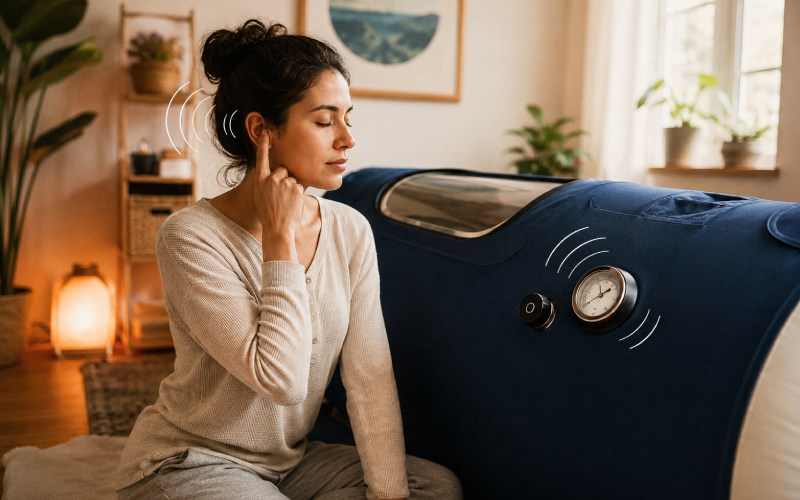
Pressurization is the phase where most user discomfort occurs, and nearly all of it is ear-related. The sensation is similar to descending in an airplane.
Equalization techniques that may help:
- Swallow repeatedly
- Yawn — even fake yawning can help trigger the mechanism
- Gentle Valsalva maneuver: pinch nose, close mouth, very light exhale. Very light. Forcing it can create problems rather than solve them.
Our chambers are designed to pressurize at a controlled, gradual rate to give users time to equalize. If you’re operating a system with adjustable pressurization speed, slow it down for the first several sessions.
If ear discomfort becomes pain, stop, depressurize, and try again another day. Do not push through ear pain inside a chamber.
Target pressure for home and wellness-grade soft-shell systems: 1.3 to 1.5 ATA. That is the range our chambers are designed for. Higher pressures require different systems, operating procedures, and oversight.
Main Session Phase
Once target pressure is reached, the chamber maintains it automatically.
What users commonly do during this time:
- Rest
- Listen to audiobooks or podcasts
- Breathing exercises or meditation
What not to do: Do not charge devices inside the chamber. Follow your product documentation for any restrictions on electronics and accessories during use.
Depressurization Phase (5–10 Minutes)
Gradual. Not fast. The chamber returns to ambient pressure over several minutes. You may feel a slight ear pop, similar to ascending in a plane.
Do not rush to unzip and exit. Let the chamber fully equalize. You’ll hear the compressor cycle down and the gauge return to zero. Then open.
Session Frequency — A Practical Starting Point
There is no single schedule that fits every user or every facility. For non-medical consumer use, the most practical approach is to start conservatively, stay consistent, and adjust within product instructions.
A simple starting framework many customers use:
| User Type | Suggested Starting Frequency | Session Length | Notes |
| New home user | 2–3× per week | 45–60 min | Start gradually, then adjust |
| Established home user | 2–4× per week | 60 min | Use according to comfort and routine |
| Commercial customer schedule | Based on booking flow | 60 min is common | Helps with turnover and equipment availability |
The practical takeaway: consistency and proper operation matter more than trying to do too much too quickly.
Commercial Scheduling and Turnover
This section is specifically for operators running multiple daily sessions.
If you’re managing a wellness studio or recovery center, session length directly affects daily capacity. In many commercial settings, 60-minute sessions are the most practical balance between customer convenience and throughput.
Recommended scheduling structure
| Block | Duration | Activity |
| Pre-session | 5 min | User check-in, pre-session checklist, entry |
| Pressurization | 8 min | Gradual pressurization to target ATA |
| Main session | 60 min | Session in progress |
| Depressurization | 8 min | Gradual return to ambient pressure |
| Turnover | 15 min | User exit, interior sanitization, ventilation, next user prep |
| Total block | ~96 min | — |
That gives you roughly 5–6 sessions per chamber per 10-hour operating day, with adequate turnover for sanitization and equipment rest.
Cleaning between users: Wipe the interior with a mild, non-alcohol disinfectant after each session. Allow 10–15 minutes of open-air ventilation before the next user enters. If you operate at high volume, ask us about recommended maintenance supplies and replacement schedules.
Maintenance — The Part Everyone Ignores Until Something Breaks
Weekly
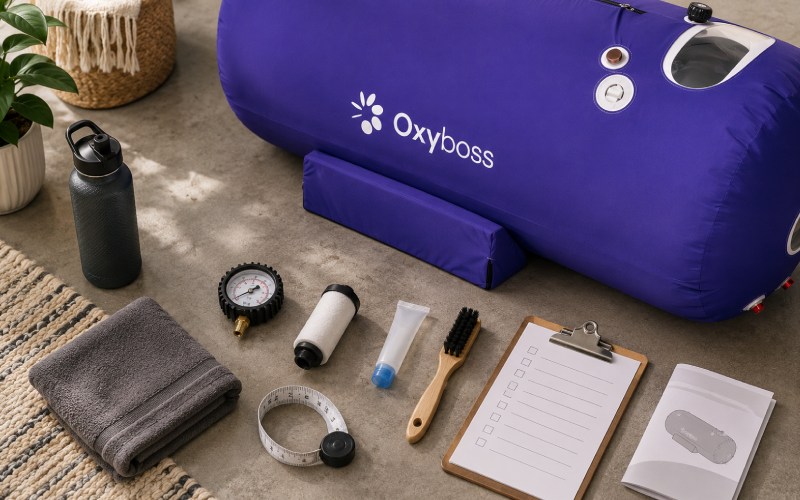
- Wipe down the chamber interior with a damp cloth and mild soap. No alcohol-based cleaners on the interior fabric — they can degrade the urethane coating over time.
- Clean the zipper track with a soft brush. Apply silicone-based zipper lubricant every two weeks. Do not use petroleum-based products.
- Check all hose connections for snugness. Hand-tight is correct. Over-tightening can crack fittings.
Monthly
- Replace or wash the compressor intake filter. In dusty environments or high-volume commercial settings, increase this to biweekly.
- Inspect the pressure relief valve. It should move freely when pressed manually. If it feels stiff or sticky, contact us.
- Run a 15-minute pressurization cycle with the chamber empty and listen to the system. Any new rattles, hisses, or grinding from the compressor should be inspected.
Every 6 Months
- Full zipper replacement for high-volume commercial use (4+ sessions daily). Home users can often extend this to annually.
- Compressor service interval check per the compressor’s spec sheet.
- Pressure gauge calibration verification.
Annually
Full chamber inspection. Lay it flat, inflate it, and go over every square inch of seam and fabric with a flashlight. Look for micro-abrasions, thread loosening at seam intersections, and cloudiness in view windows, which may indicate UV wear. Keep your chamber out of direct sunlight during storage.
| Maintenance Task | Home User (3×/week) | Commercial Operator (4+ sessions/day) |
| Interior wipe-down | Weekly | After every session |
| Zipper cleaning + lubrication | Every 2 weeks | Weekly |
| Compressor filter replacement | Monthly | Biweekly |
| Pressure relief valve check | Monthly | Monthly |
| Zipper replacement | Annually | Every 6 months |
| Full chamber inspection | Annually | Every 6 months |
| Pressure gauge calibration | Annually | Every 6 months |
Common Mistakes We See Repeatedly
Running sessions in a sealed room with the door closed. Your compressor needs fresh air intake. The chamber exhausts air back into the room. In a sealed space, you are recirculating increasingly depleted air. Crack a door, open a window, or run active ventilation. This is the single most common setup error we encounter.
Skipping the pre-session inspection after the first month. The novelty wears off. The inspection still matters. Zipper failures and hose loosening usually develop gradually and are easiest to catch through routine checks.
Storing the chamber compressed or tightly rolled for weeks. Fold creases become stress points over time. If you’re not using the chamber for an extended period, store it loosely draped or partially inflated at low pressure. Do not store it tightly folded in the same crease pattern repeatedly.
Placing the compressor on carpet or soft surfaces. The compressor needs a hard, flat surface for adequate cooling and vibration stability. Carpet traps heat underneath and allows the unit to shift during operation.
Using the chamber beyond its rated occupancy. Our single-person chambers are designed for one adult. Exceeding rated occupancy affects pressure consistency and safety margin. We also manufacture multi-person models for operators who need them.
Soft-Shell vs. Hard-Shell — A Quick Clarification
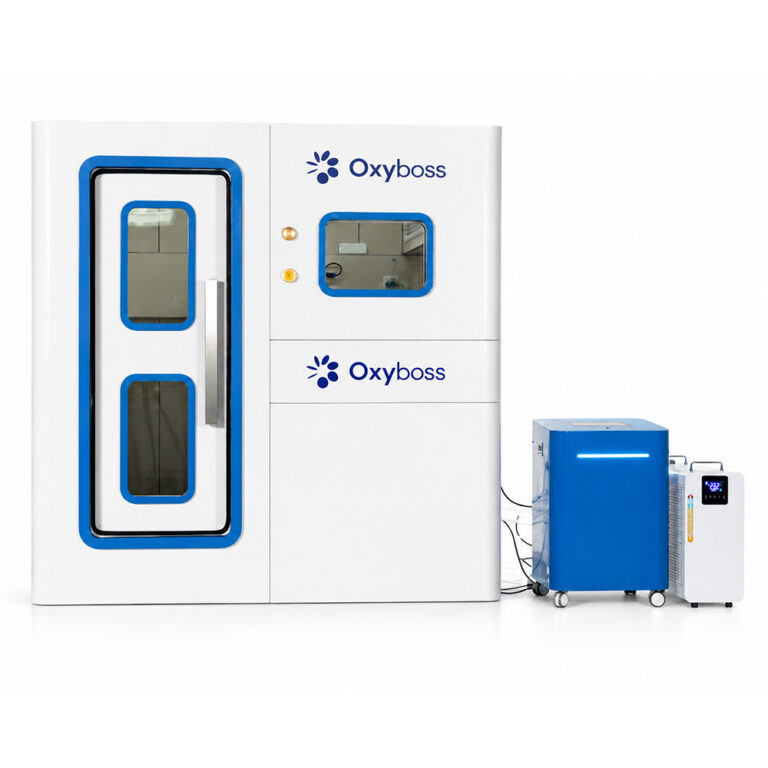
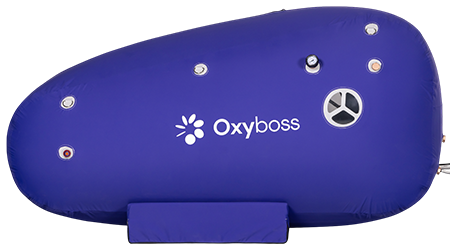
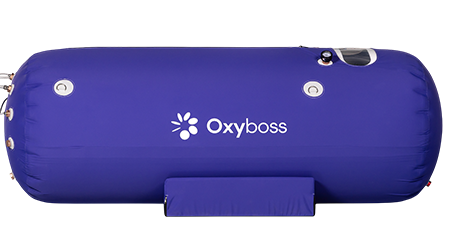
If you’re using one of our soft-shell portable systems — which is what most home users and many commercial wellness operations use — everything in this guide applies directly. Soft-shell chambers generally operate in the 1.3–1.5 ATA range and are commonly used in non-clinical settings.
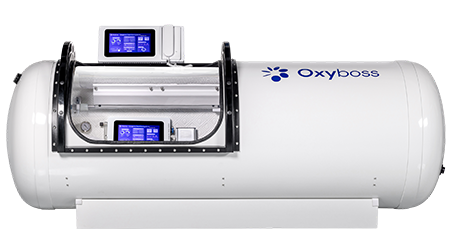
Hard-shell systems operate at higher pressures and involve different construction, operating procedures, and oversight. If you’re reading this guide, you’re most likely working with a soft-shell system.
FAQ
How long does first-time setup take? About 30–45 minutes for a full unbox, inspection, and first inflation. After that, pre-session prep usually takes about 5 minutes once the routine is established.
Can I use a hyperbaric chamber every day? Some users choose to do so, but a gradual, consistent schedule is usually easier to maintain. Start conservatively and follow your product documentation.
What happens if I fall asleep inside the chamber? The chamber maintains pressure automatically during normal operation. When you wake up, proceed with normal depressurization.
Do I need medical clearance to use a home soft-shell chamber? Requirements and best practices vary by user and region. If you have questions about whether this type of product is appropriate for you, consult a qualified healthcare professional and review all applicable local requirements before purchase or use.
How loud is the compressor? Our compressors typically operate in the 45–55 dB range — roughly the volume of a quiet conversation or a household refrigerator. You’ll notice it during pressurization. Most users become accustomed to it after the first few sessions. For commercial spaces, we can also advise on placement strategies to help manage noise.
Can two people use the chamber at the same time? Only if the chamber is rated for dual occupancy. Single-person models are designed for one adult.
What’s the electricity cost of running a home chamber? A typical 60-minute session uses power in the same general range as many common household appliances operating for a similar duration. Actual cost depends on local electricity rates and session frequency.
How do I know when the zipper needs replacement? When it starts catching consistently despite cleaning and lubrication, or when you can see visible wear on the zipper teeth. For commercial operators running 4+ sessions daily, proactive replacement every 6 months is often the safer scheduling choice.
Can I move the chamber between rooms? Yes. Soft-shell chambers are portable. Deflate fully, fold loosely, and relocate. Before the next session, repeat the room requirement checklist for the new space.
Every detail in this guide is intended to help customers operate, maintain, and store their chambers properly. If you’re evaluating systems for home use or a commercial space, we’re happy to help you think through sizing, room requirements, and equipment planning.
[Talk to our team →]
Important Disclaimer
The information in this guide is provided for general product education, setup, and operational purposes only.
This content is not medical advice and is not intended to diagnose, treat, cure, or prevent any disease or medical condition. Any decisions about personal health should be made with a qualified healthcare professional.
Product classification, permitted marketing claims, and operating requirements for hyperbaric chambers vary by jurisdiction. Owners and operators are responsible for reviewing and complying with all applicable local, state, national, and international requirements before purchase, installation, and use.
Always follow the product-specific user manual, safety instructions, and labeling for the exact model you operate.