For most home users, 100% cotton clothing, clean skin with no cosmetic residue, and nothing metallic or electronic on the body is the safest baseline. Always follow the user instructions for your specific chamber model. The rest of this guide explains why — and covers the edge cases that trip people up.
Quick Reference — Hyperbaric Chamber Clothing Rules for Home Users
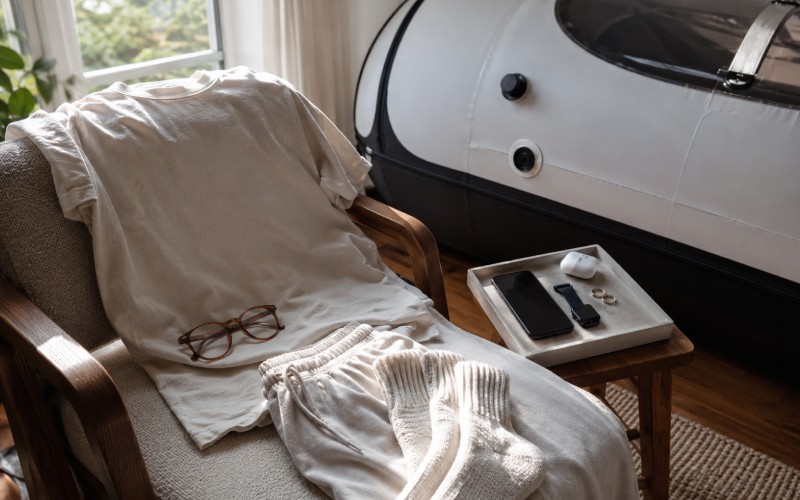
✅ 100% pure cotton top, pants, underwear, socks ✅ Clean skin — no lotion, makeup, perfume, sunscreen, lip balm ✅ Prescription plastic-frame glasses (if needed)
❌ Synthetic fabrics, cotton-spandex blends, polyester blends ❌ Metal jewelry, watches, hair clips with metal parts ❌ Phones, earbuds, smartwatches, any lithium-battery device ❌ Petroleum-based products anywhere on your body
Why 100% Cotton Is the Safest Baseline in a Hyperbaric Chamber
Not just a preference. In oxygen-enriched environments, clothing choice matters.
When a hard-shell chamber is pressurized to 2.0 ATA with oxygen, the partial pressure of O₂ inside the vessel rises to approximately 1,520 mmHg. Normal atmospheric oxygen sits around 157 mmHg. That difference means the chemical reactivity of oxygen inside the chamber increases significantly — materials can ignite at a lower energy threshold and burn faster than they would in normal air.
Cotton does not accumulate triboelectric charge the way synthetic fibers do. When your sleeve brushes the chamber liner, cotton-on-cotton friction produces very little static. Polyester-on-nylon can generate measurable electrostatic discharge — the kind that, at atmospheric pressure, you might never notice. Inside a pressurized oxygen-rich environment, it becomes a genuine ignition concern.
Key takeaway: Cotton is chosen for its low triboelectric charge generation, not just because it is “natural.” The fiber’s electrical behavior under friction is what makes it the safest baseline in oxygen-enriched settings.
Hyperbaric Chamber Clothing Rules by Chamber Type
This is where most guidance stops too early. Your clothing protocol should match your specific chamber and pressure. For most home users, the bottom two rows matter most.
| Chamber Type | Typical Pressure | Internal Atmosphere | Clothing Protocol | Common Use Case |
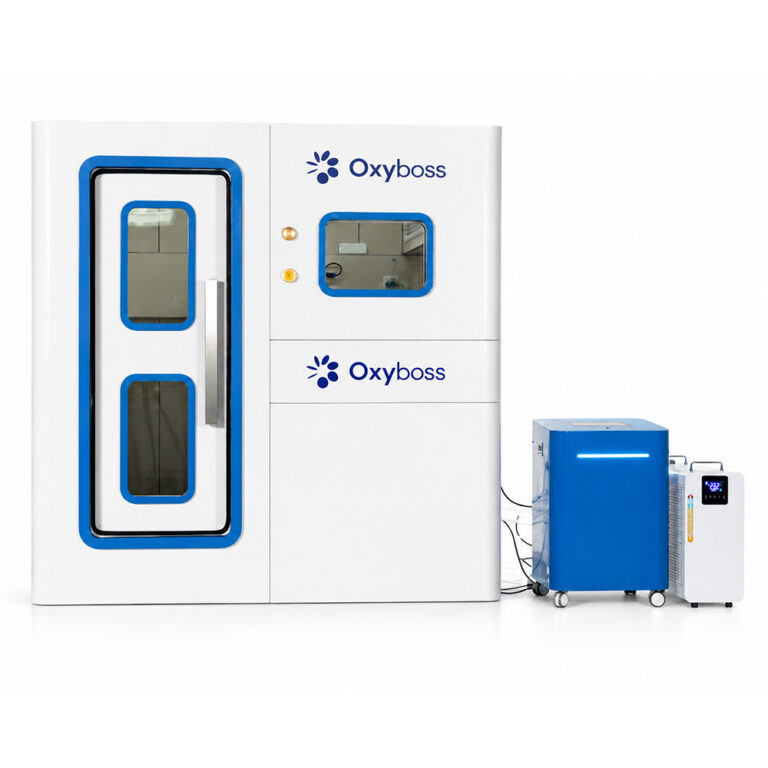
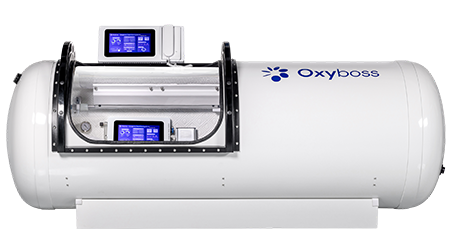
| Hard-shell monoplace | Up to 2.0 ATA | Oxygen-rich environment | Strictest — operator-approved cotton garments only | Controlled professional settings |
| Hard-shell multiplace | Up to 2.0 ATA | Compressed air (O₂ monitored below 23.5%) | Strict — verified 100% cotton, personal garments acceptable if confirmed | Multi-user settings |
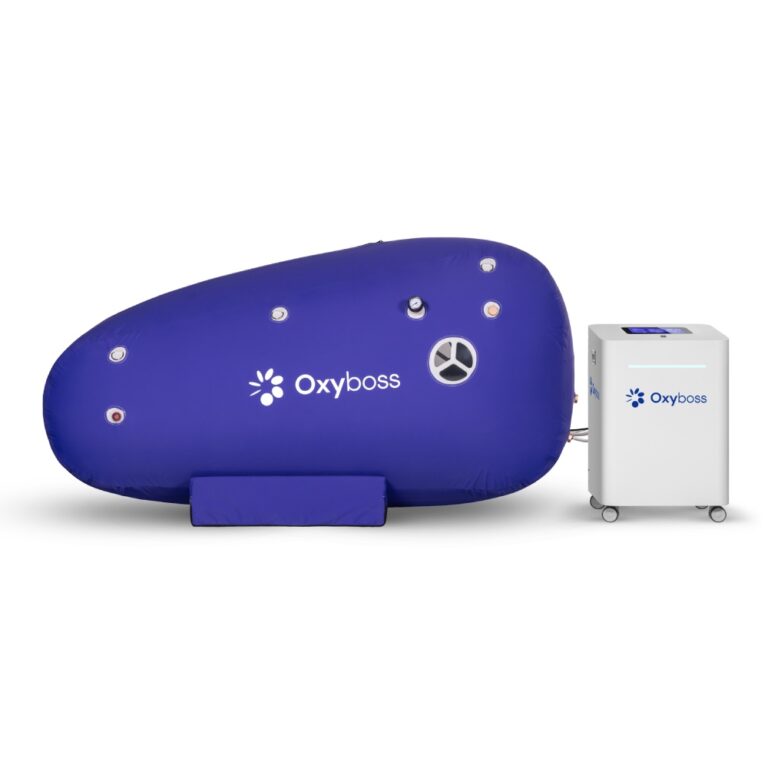
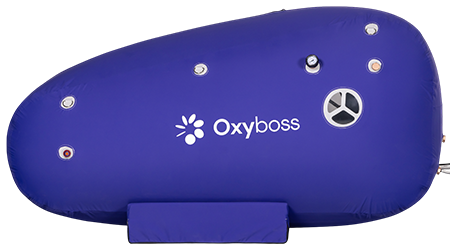
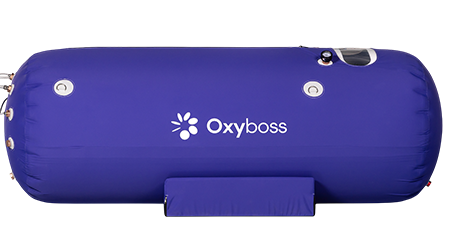
| Soft-shell portable | 1.3–1.5 ATA | Compressed ambient air | Standard — 100% cotton strongly recommended | Home users, personal wellness |
| Soft-shell higher-pressure | 1.5–1.95 ATA | Compressed ambient air | Standard to Strict — 100% pure cotton, no shortcuts | Experienced home users |
Hard-shell monoplace, oxygen-rich atmosphere
The environment inside the vessel is oxygen-rich. Every surface, every fiber, every residue molecule on your skin exists in a much more oxidizing atmosphere than normal air. Cotton-only. In these settings, operator-approved garments are commonly used for consistency.
Hard-shell multiplace, compressed air
The chamber atmosphere is compressed air; oxygen may be delivered through a hood or mask with exhaled gas vented away. Ambient O₂ concentration stays monitored below 23.5%. Cotton is still the preferred baseline, but because the entire atmosphere is not pure oxygen, verified personal cotton garments are generally more workable.
Soft-shell chambers at 1.3–1.5 ATA
Most home and wellness-studio units fall here. You breathe concentrated oxygen via mask or cannula while the chamber itself fills with compressed room air. The oxygen-enriched zone is essentially limited to your airways, not the entire compartment. Cotton remains the standing recommendation. Cotton is inexpensive. Just wear the cotton.
Key takeaway: The stricter the oxygen environment, the stricter the clothing rules. A soft-shell home unit at 1.3 ATA is less demanding than a hard-shell setup at 2.0 ATA — but pure cotton remains the safest baseline for all types.
What “100% Cotton” Actually Means (Common Mistakes with Chamber Clothing)
The label matters more than you think.
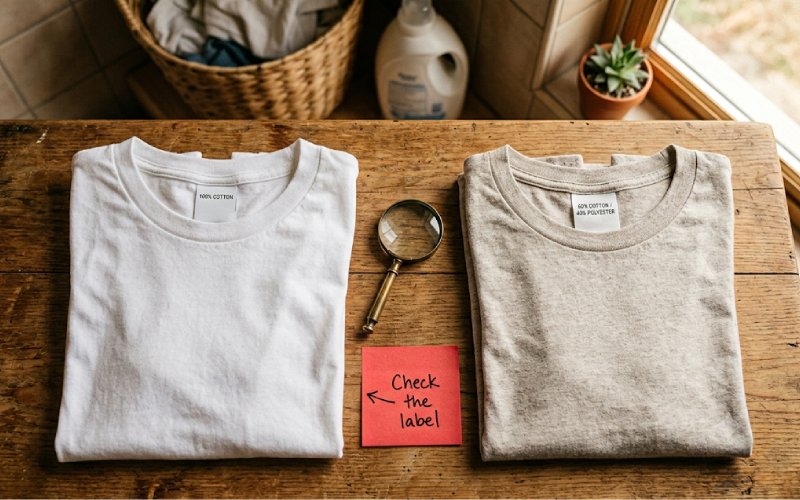
“Cotton” T-shirts from mainstream retailers — flip them inside out. Many “soft feel” cotton tees are 60/40 cotton-polyester. That 40% polyester generates static.
Cotton with spandex — widespread in underwear and leggings. Even 5% spandex or elastane changes the triboelectric profile. Not acceptable if you are trying to keep your clothing as low-risk as possible.
Tagless garments — the smooth patch where a tag used to be is often a heat-transferred synthetic label. In stricter oxygen environments, even that should be considered and, where possible, avoided or verified.
Cotton laundered with fabric softener — this is the one that catches experienced users off guard. Liquid fabric softener deposits a thin layer of silicone-based or petroleum-derived compounds onto fibers. These residues are flammable. Dryer sheets do the same. Wash session clothes with plain, fragrance-free detergent only. No softener. No dryer sheets.
Brand-new unwashed cotton — fresh-from-package garments can carry sizing agents and chemical finishes from manufacturing. Wash them at least once before first use.
Key takeaway: Read the fiber content label, not the marketing. “Cotton blend” and “100% cotton” are not the same thing. And how you launder matters as much as what you buy.
Complete List of Items Prohibited Inside a Hyperbaric Chamber
Jewelry and metal
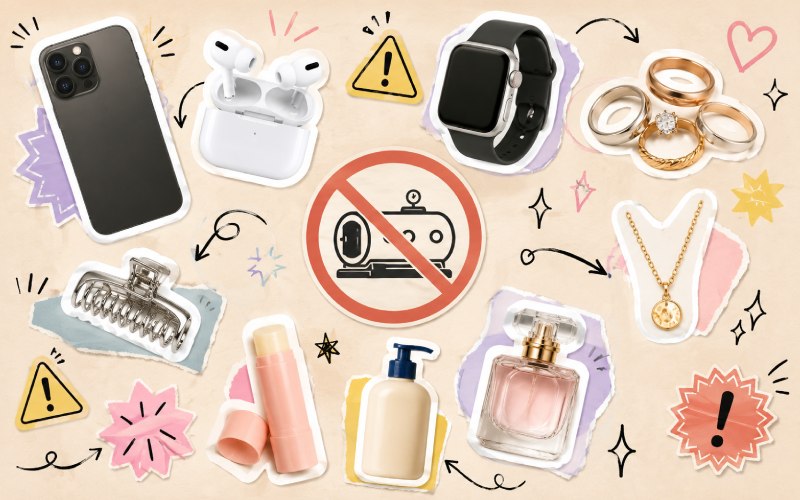
Rings, necklaces, earrings, watches, belt buckles, hair clips with metal springs, underwire bras. Metal creates friction-spark risk against interior surfaces and can become uncomfortable as mild tissue swelling occurs during pressurization — rings feel tighter, clasps dig in.
Electronics
Phones, smartwatches, fitness trackers, wireless earbuds, tablets, hearing aids with lithium batteries. A lithium-ion cell inside a pressurized oxygen-enriched space is a genuinely dangerous combination. These stay outside the chamber. Every session. No exceptions.
Cosmetics and body products
Makeup, foundation, lip balm (especially petroleum-based varieties), sunscreen, moisturizer, deodorant, perfume, cologne, aftershave, hair gel, pomade, leave-in conditioner, dry shampoo, nail polish that is still curing. Many of these products are petroleum-derived or alcohol-based. In enriched oxygen, they can function as accelerants.
The rule is simple: Enter the chamber with clean skin, clean hair, and nothing on your body except cotton.
Pre-Session Clothing Checklist for Home Chamber Users
Whether you are using a single soft-shell chamber in a spare bedroom or a dedicated home setup, the prep sequence is the same:
- Shower using fragrance-free soap. No conditioner, no body lotion after.
- Put on dedicated session clothes — 100% pure cotton top, cotton drawstring pants, cotton underwear, cotton socks.
- Remove all metal and electronics. Use a zip-lock bag, tray, or drawer outside the chamber area.
- Tie back long hair with a fabric-covered elastic — cotton or plain rubber, no metal clasp.
- Quick check: No residual sunscreen on arms? No lip balm? No still-curing nail polish?
- Enter the chamber.
If you are setting up a new home chamber, it is worth keeping this list printed near the unit. Some suppliers also provide model-specific prep guidance — use that together with your chamber’s user instructions.
What to Wear for Comfort During a 60–90 Minute Hyperbaric Session
Safety handled. Now let’s talk about what actually feels good for an hour or more inside a pressurized chamber — because comfort determines whether you maintain a consistent session schedule.
Loose over tight
Pressure changes cause mild shifts in how fabric sits against skin. Anything snug at atmospheric pressure feels slightly more restrictive at 1.5+ ATA. Drawstring waists beat elastic. Relaxed-fit tees beat fitted cuts.
Mid-weight over thin
Chamber interiors can run cool, especially during pressurization in hard-shell units where compressed gas cools as it enters the vessel. A mid-weight cotton crewneck is more comfortable than a paper-thin undershirt. Some users keep a second cotton layer nearby for longer sessions.
Thick cotton socks
Your feet get cold first. This is the single most common comfort complaint from new users, and it is easily solved.
Cotton beanie or soft cap — optional
Fine if you tend to feel chilly. Skip anything with a pom-pom, synthetic lining, or decorative embellishments.
Key takeaway: Dress like you are going to nap on a mildly cool day. Loose, layered, warm cotton. That is the comfort sweet spot.
Setting Up a Simple Clothing Routine at Home
If you are using a chamber regularly at home, a simple clothing routine makes compliance easier and keeps each session consistent.
Here is a practical setup:
- Keep 2–3 dedicated cotton session outfits so you are never tempted to use everyday mixed-fabric clothes.
- Wash session clothes separately or carefully, using fragrance-free detergent only. No fabric softener. No dryer sheets.
- Store one clean set in a dedicated drawer, shelf, or sealed bag near the chamber area.
- Keep a printed clothing checklist nearby, especially if more than one family member uses the chamber.
- Keep extra cotton socks and plain hair ties in stock.
If you are buying a new home chamber, ask the supplier for the written clothing and pre-session instructions for your specific model. That small step prevents guesswork.
Key takeaway: A simple home routine with dedicated cotton clothes, correct laundering, and a visible checklist eliminates most clothing-related session mistakes.
Frequently Asked Questions — Hyperbaric Chamber Clothing
Can I wear my own cotton clothes, or do I need special chamber clothing?
For most home units at 1.3–1.5 ATA, your own verified 100% pure cotton clothes — washed without softener — work fine. In stricter oxygen-rich setups, operator-approved garments may be required.
Does underwear need to be 100% cotton too?
Yes. Undergarments sit against your skin with constant friction throughout the session. Cotton underwear and a cotton bralette or other non-metal, low-synthetic option are the safest baseline. This is the most commonly overlooked item.
Can I wear glasses inside a hyperbaric chamber?
Prescription eyeglasses with plastic frames are generally acceptable. Metal frames should be removed. Contact lenses are usually fine for soft-shell sessions but can cause dryness during longer pressurized sessions — some users prefer to switch to glasses for chamber use.
Can I bring a book or magazine into the chamber?
In many air-filled home chambers, a book or magazine may be acceptable if your manufacturer’s instructions allow it. In oxygen-rich environments, no. Paper burns aggressively in concentrated oxygen settings. Electronics stay out.
What if I accidentally applied lip balm or lotion before my session?
It happens. Keep fragrance-free cleansing wipes on hand. Clean the product off thoroughly before entering the chamber.
Are there different clothing rules for children using a hyperbaric chamber?
Same rules, smaller sizes. Pay extra attention to children’s cotton garments — kids’ clothing frequently features glitter prints, sparkly decals, or synthetic embellishments that are easy to overlook. Plain cotton two-piece outfits are safest.
I am setting up a new home chamber. Should I ask the supplier about clothing rules?
Yes. Ask for the written clothing and pre-session guidance for your specific model, and compare it with the chamber’s user instructions. It is the easiest way to avoid preventable setup mistakes.
Getting the clothing right costs almost nothing and removes the most controllable variable from every session. Stock cotton, skip the softener, leave the phone outside, and let the chamber do what it was designed to do.
This article is general clothing and preparation guidance for non-medical home chamber use. Always follow the user instructions for your specific chamber model.