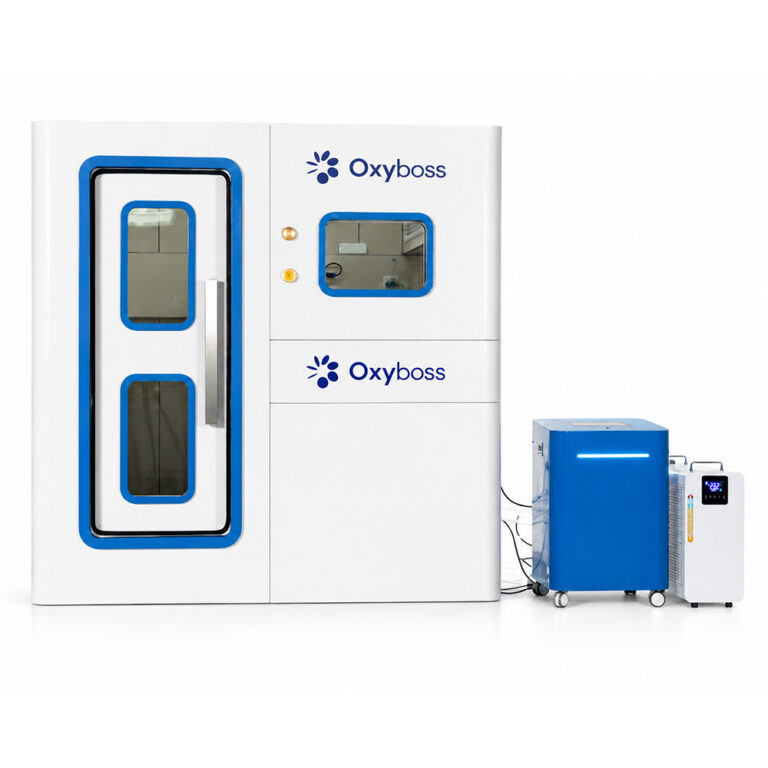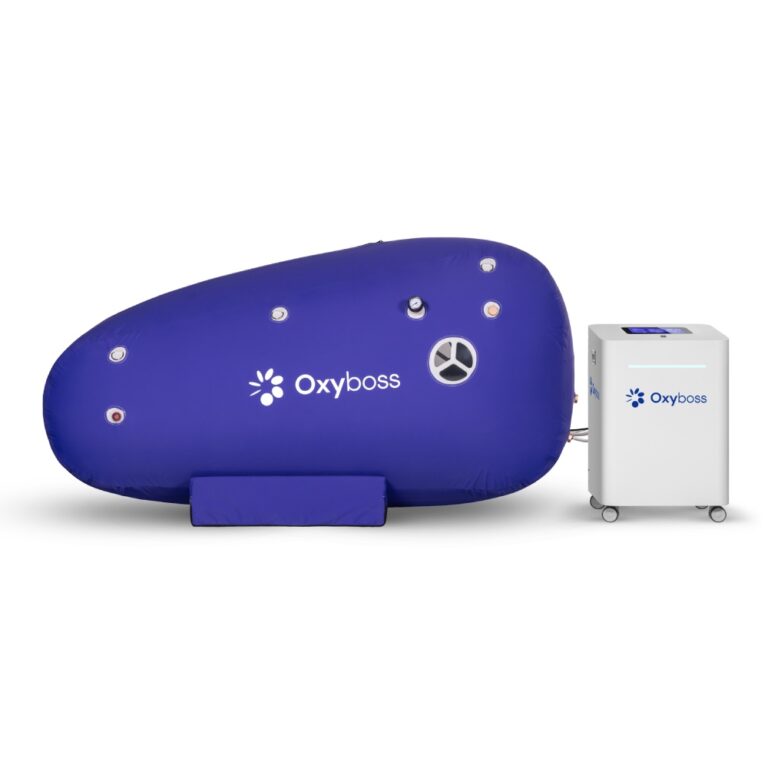
A hard shell chamber and a soft shell chamber are not two cosmetic versions of the same machine. They sit in different pressure classes, use different vessel materials, age in different ways, and place very different demands on valves, seals, compressors, windows, oxygen routing, and operator habits.
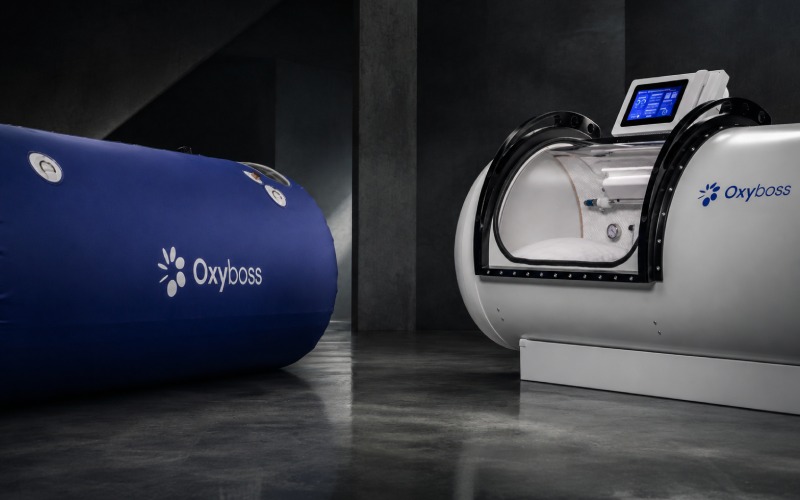
In our factory work, we do not separate these systems by “premium” and “entry level.” We separate them by architecture. One is a rigid pressure vessel. The other is a flexible pressure enclosure. Everything downstream changes from that point.
If the intended use is mild-pressure operation, lighter installation, lower capital cost, and easier placement, a soft-shell unit can be the right tool. If the target is tighter pressure control, heavier duty cycles, cleaner service access, and a chamber platform that keeps making sense as usage rises, the hard-shell category usually takes over.
Start with pressure class, not appearance
Soft-shell chambers usually live in the mild-pressure range. In the market, that commonly means around 1.3 to 1.5 ATA, depending on model, market, and configuration. Rigid hard-shell systems commonly begin above that range and are often selected in the 1.5 to 3.0 ATA class, with some systems going beyond that in specialized settings.
That difference is not a line item. It changes vessel loading, gas routing, component selection, service intervals, and safety logic.
A buyer who needs a mild-pressure portable chamber can waste money by buying a rigid system they will never fully use. A buyer who needs high repeatability and a heavier-duty platform can lose more money by starting with a soft chamber that was never designed for that duty cycle.
So the question is not “Which shell is better?”
It is: What pressure class is the job asking for, and how much operating stability has to come with it?
Materials tell you a lot before the chamber is even switched on
Material choice is not branding. It is behavior under load.
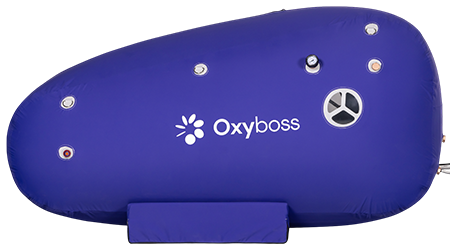
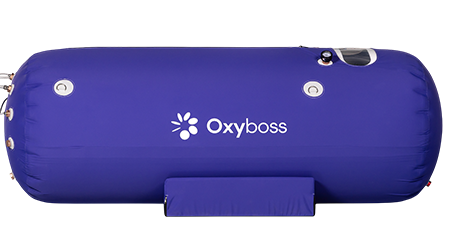
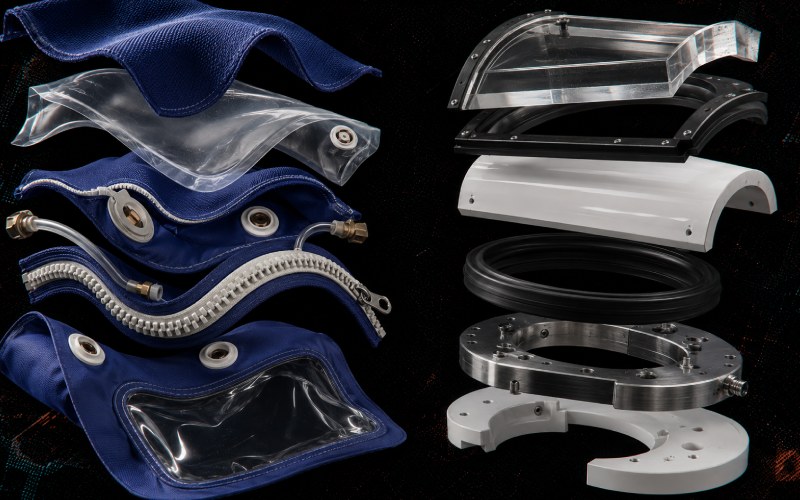
Soft-shell chambers are typically built around reinforced flexible textiles, often TPU- or PVC-based laminated materials, supported by seams, zippers, windows, fittings, and external pressurization hardware. The enclosure gains shape as it inflates. That makes the system lighter and more portable. It also means the vessel geometry is not fixed in the same way a rigid chamber is fixed.
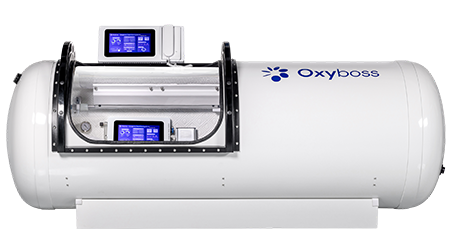
Hard-shell chambers are different. The pressure boundary is usually built from rigid structural materials such as steel, aluminum, acrylic cylinder sections, or a steel-acrylic combination depending on chamber class. That creates a more stable geometry under pressure. Valves can be mounted against known loads. Penetrations are easier to engineer around. Window life, seal compression, and door behavior can be monitored against tighter mechanical expectations.
This is where the comparison gets real.
A flexible chamber does not merely “feel softer.” It behaves like a flexible pressure enclosure. The seams, zipper path, and wall deformation become part of the performance story. A rigid chamber does not merely “feel industrial.” It behaves like a pressure vessel. The vessel wall, window seats, locking surfaces, valve blocks, and piping arrangement can be designed around less geometric drift.
That one change. Flexible versus rigid. It explains half the market.
Why pressure stability is not the same as peak pressure
A chamber can advertise a pressure target. That still does not tell you how the session behaves once the chamber warms up, the seals settle, the blower or compressor reaches steady state, and the user has already been inside for ten minutes.
On the factory side, we care less about startup claims and more about pressure repeatability over time.
Rigid chambers usually do better here. The vessel shape stays stable. The valve response is easier to predict. The control logic has fewer moving variables because the wall itself is not changing shape under internal load.
Soft-shell systems can perform well within their intended range, but they are more sensitive to the condition of the enclosure and closure system. Seam integrity matters more. Zipper condition matters more. Fitting quality matters more. Small wear in a flexible chamber can show up as nuisance leakage, longer climb time, noisier compressor behavior, or pressure drift that an owner notices only after months of use.
That is why “maximum pressure” is not enough as a buying metric.
The more useful question is this: How stable is the delivered session environment after repeated use, with ordinary wear, in an ordinary room, under ordinary operator behavior?
Oxygen Delivery Is Where the Real Differences Start
This part gets blurred in a lot of sales copy.
Soft-shell and hard-shell systems are often discussed as though shell type alone defines performance. It does not. Oxygen pathway matters just as much. Sometimes more.
Many soft-shell systems rely on room-air pressurization and then add oxygen support through a separate delivery method, depending on the configuration and what local regulations allow. That architecture is not inherently wrong. It is simply different from a rigid system designed around higher pressure classes and tighter oxygen-handling control.
Rigid systems are easier to engineer for more controlled gas routing because the vessel boundary is fixed, the penetrations are more mechanically stable, and the whole assembly can be designed as a more integrated pressure platform. That matters when the chamber is expected to perform session after session without the gas path becoming the weak link.
It also matters for safety.
Once oxygen concentration rises inside a pressurized environment, fire risk stops being a background note and becomes a design problem. Materials, electronics, static control, line routing, and operational rules all matter more. That is one reason serious chamber design cannot be reduced to shell shape or list price.
If a buyer compares only “does it have oxygen,” they are not comparing the system correctly.
The real comparison is:
- how the chamber is pressurized
- how oxygen is introduced
- where leakage is most likely
- which materials are exposed
- what safeguards exist when something goes wrong
That is the difference between a chamber package and a chamber system.
Maintenance is where cheap decisions become expensive
On day one, soft-shell chambers often look simpler.
Sometimes they are. Sometimes they are only lighter.
The maintenance burden in a soft chamber usually concentrates around the flexible enclosure and closure system: seam condition, zipper wear, fitting integrity, hose connections, pressure relief devices, windows, and the blower or compressor package that keeps the system where it should be. None of those parts is exotic. But their interaction matters. A single weak point can show up as slower pressurization, pressure instability, or growing frustration around setup and troubleshooting.
Hard-shell chambers shift the maintenance story. The enclosure itself is more structurally stable, but the system still depends on disciplined inspection of windows, doors, locking surfaces, seals, valves, gauges, piping, and control components. The difference is not “no maintenance.” The difference is maintenance access and failure mode.
Rigid systems are usually easier to design for inspection and planned service. Components can be mounted in fixed positions. Surfaces are easier to clean. Service paths are easier to standardize. In higher-frequency settings, that becomes a practical advantage very quickly.
This is one of the least understood buying mistakes in the category: people compare purchase price and ignore maintenance logic.
A chamber is not a static object. It is a pressure system with consumable realities.
Hard shell vs. soft shell hyperbaric chamber: engineering comparison table
| Factor | Soft-shell chamber | Hard-shell chamber |
| Typical pressure class | Commonly around 1.3-1.5 ATA | Commonly 1.5-3.0 ATA or higher, depending on system class |
| Vessel structure | Flexible pressure enclosure | Rigid pressure vessel |
| Common vessel materials | Reinforced TPU/PVC-based laminated textiles, clear flexible windows, zipper or similar closure systems | Steel, aluminum, acrylic cylinder sections, or mixed rigid-vessel construction |
| Geometry under pressure | Changes shape as pressure rises | Holds a much more stable shape under load |
| Pressurization behavior | More dependent on enclosure condition and closure consistency | More predictable once vessel and valve package are properly maintained |
| Oxygen handling | Often room-air pressurization with separate oxygen support depending on configuration and legal use conditions | Better suited to tightly controlled gas routing and higher-pressure oxygen workflows |
| Leak sensitivity | Higher sensitivity to seams, zippers, fittings, and enclosure wear | More concentrated around seals, valves, doors, piping, and window interfaces |
| Cleaning and turnover | Acceptable for lighter duty, slower to standardize in busy settings | Easier to standardize for repeated cleaning and faster room turnover |
| Portability | High | Low to moderate |
| Installation burden | Lower; easier for residential or light-duty placement | Higher; more space, weight, and planning required |
| Best-fit buyer | Mild-pressure home user, low-frequency operation, portability-first setup | Clinic, recovery center, high-frequency operator, permanent installation, heavier duty use |
Who should buy a soft-shell chamber
A soft-shell chamber makes sense when the use case is narrow and understood.
That usually means mild-pressure operation. Home placement. Lower upfront spend. Easier delivery. Easier relocation. Lower room-preparation burden.
It also means accepting what comes with that choice.
You are buying portability partly by accepting a flexible pressure boundary. You are simplifying installation partly by taking on a system that depends more on enclosure condition, zipper condition, fitting discipline, and realistic expectations about pressure class and throughput.
For the right buyer, that trade is fine. Efficient, even.
For the wrong buyer, it becomes a slow mismatch. The chamber works, but not for the job they quietly hoped it would grow into.

Who should buy a hard-shell chamber
A hard-shell chamber is the better fit when the buyer already knows they need a more serious platform.
That usually means one or more of the following:
- higher pressure class
- repeated daily sessions
- multi-user or commercial usage patterns
- faster cleaning and reset expectations
- stronger preference for fixed geometry and tighter service logic
- a permanent room plan instead of a temporary setup
In those conditions, rigid construction stops looking expensive and starts looking efficient.
The chamber becomes easier to engineer around. Easier to service. Easier to inspect. Easier to operate the same way on Tuesday as it did on Monday.
That consistency is not a luxury feature. It is the point.
The ownership decision is rarely about the first invoice
Soft-shell chambers often win on entry cost. Hard-shell chambers often win on operating logic over time.
That will not be true for every buyer. It does not need to be.
A chamber used occasionally in a residential setting does not need to justify itself like a chamber used daily in a commercial or clinical environment. But once usage rises, maintenance pattern starts to matter more than brochure simplicity. Pressure stability starts to matter more than portability. Cleaning time matters. Service access matters. Component wear matters. Room turnover matters.
At that point, the cheaper chamber can become the more expensive system to live with.
Not on paper. In practice.
What serious buyers should ask before deciding
Before choosing between a hard shell and a soft shell chamber, ask these questions in order:
- What pressure class does the intended use actually require?
- Is the chamber for low-frequency home use or repeated daily operation?
- How is the system pressurized, and how is oxygen routed?
- Which parts are expected to wear first?
- How easy is inspection of seals, windows, valves, fittings, and closure components?
- How much floor loading, clearance, ventilation, and utility planning can the room support?
- What does service look like after year one, not just week one?
That sequence usually clears the fog.
FAQ
Is a hard-shell hyperbaric chamber always better than a soft-shell chamber?
No. It is usually better for higher pressure classes, heavier duty cycles, and more controlled operating conditions. It is not automatically better for a buyer who only needs mild-pressure use, easier placement, and lower installation burden.
What pressure range is typical for a soft-shell chamber?
In the current market, soft-shell systems are commonly positioned around 1.3 to 1.5 ATA. Exact operating pressure depends on the chamber model, certification path, and intended use environment.
What pressure range is typical for a hard-shell chamber?
Rigid systems commonly sit in the 1.5 to 3.0 ATA class, with some specialized systems going beyond that. The correct comparison is not only the peak number, but how stable that pressure remains across repeated sessions.
What materials are usually used in soft-shell chambers?
Soft-shell chambers commonly use reinforced flexible laminate materials such as TPU- or PVC-based constructions, plus clear window sections, hose fittings, relief valves, and zipper or similar closure systems.
What materials are usually used in hard-shell chambers?
Hard-shell systems are commonly built from steel, aluminum, acrylic cylinder sections, or mixed rigid constructions. The exact combination depends on chamber class, design philosophy, and service requirements.
Why do hard-shell chambers usually cost more?
Because the chamber is not just a shell. It is a rigid pressure vessel with heavier structural demands, more integrated controls, and a service model built for stability, repeatability, and higher-duty operation.
Are soft-shell chambers harder to maintain?
Not always harder. More sensitive is a better word. Flexible enclosures depend more on seam condition, closure wear, fitting integrity, and good setup habits. Small issues can affect performance earlier than owners expect.
Which type is better for high-frequency operation?
Hard-shell systems are usually the better fit once usage becomes frequent. Pressure repeatability, cleaning speed, inspection access, and service planning become more important as session volume rises.
Is portability a good reason to choose a soft-shell chamber?
Yes, when portability is a real requirement and not just an attractive idea. If the chamber will move, store, or fit into a room that cannot support a rigid vessel installation, portability is a legitimate buying priority.
What is the most common mistake buyers make?
They compare shell appearance and purchase price before comparing pressure class, gas pathway, maintenance pattern, and room requirements. That order leads to poor decisions.
Final take
Hard shell versus soft shell is not a style decision.
It is a pressure-vessel decision. A maintenance decision. An installation decision. A duty-cycle decision.
Soft-shell systems make sense when the job is mild-pressure, lighter-duty, and portability-first. Hard-shell systems make sense when the target is a more stable, more serviceable, more repeatable operating platform.
Different tools. Different limits. Different ownership experience.
That is the comparison that matters.
Disclaimer
Chamber configuration, pressure class, oxygen source, and intended use must follow local regulations, product clearance requirements, and site safety rules. This content describes equipment architecture and operational considerations only. It is not medical advice and does not claim to diagnose, treat, cure, or prevent any disease.