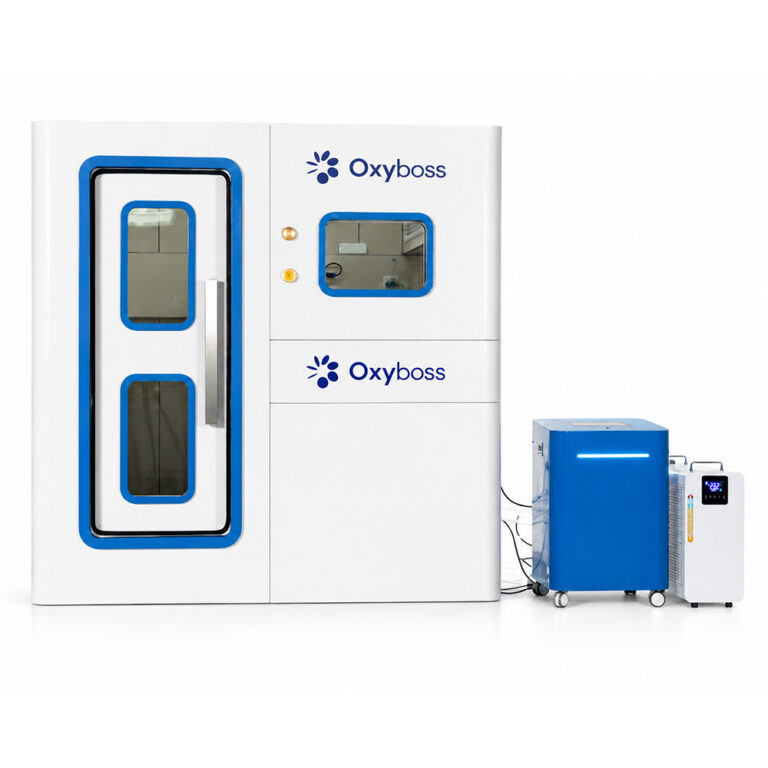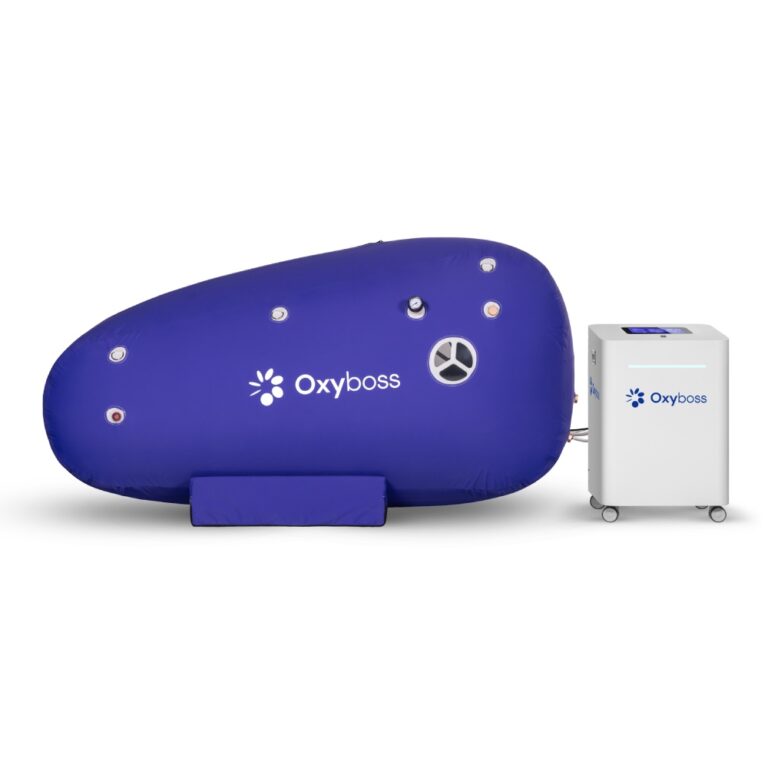
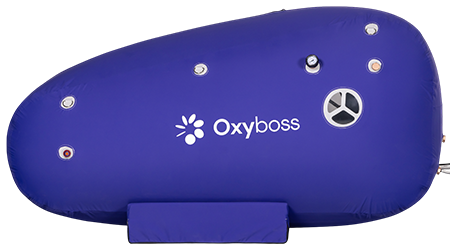
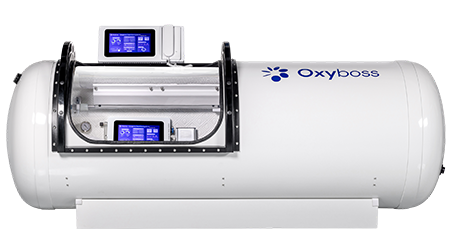
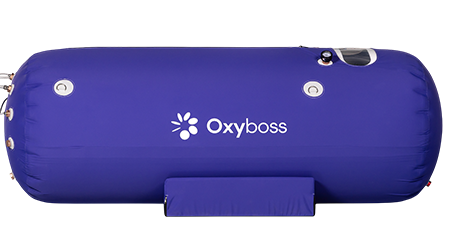
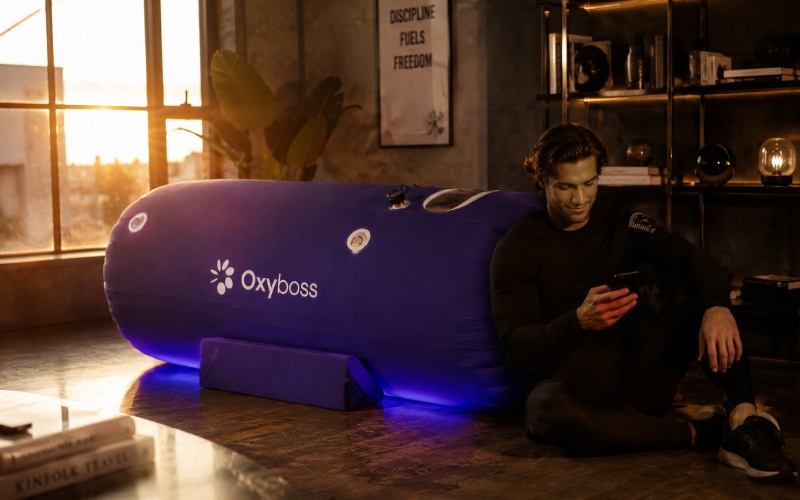
You already know that a hyperbaric chamber is a pressurized chamber. Concentrated oxygen. Tissues saturated with more O₂ than red blood cells alone could ever deliver. The question isn’t really what it is — it’s whether it actually shortens the window between your last hard session and the next one that matters.
The honest answer is complicated. And that’s worth sitting with.
It is also worth separating medical-grade hyperbaric oxygen therapy from mild, non-medical chamber use. The literature often groups them under the same broad umbrella, but the evidence is not equally strong across all chamber types, pressures, and oxygen protocols.
What Happens After You Wreck Your Muscles
Hard training tears muscle fibers. Not metaphorically — actual micro-level structural damage. That’s the point. The body rebuilds those fibers thicker, denser, more adapted. But the rebuilding part? That’s where people get stuck.
After intense exertion, the local tissue around damaged fibers becomes oxygen-starved. Post-exercise fluid buildup restricts blood flow. Metabolic waste accumulates. The body’s own repair-signaling response — the very process meant to kick off rebuilding — also chokes off the oxygen supply that rebuilding depends on.
This is the central tension: your muscles need oxygen the most right when they’re least equipped to get it.
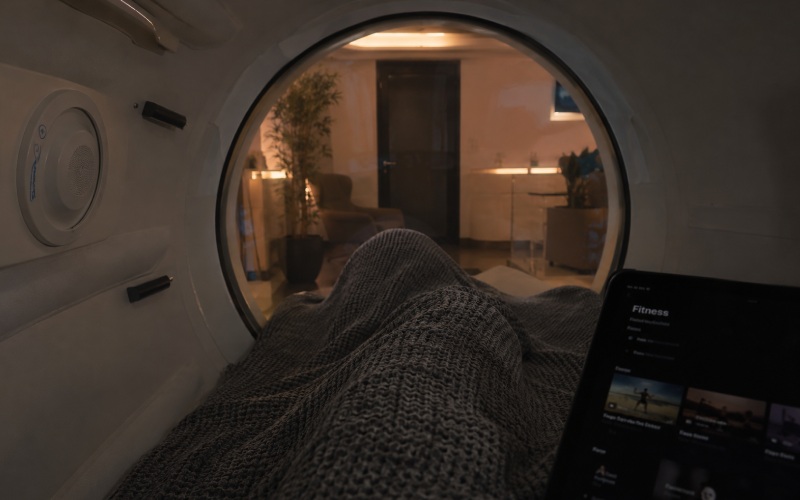
A hyperbaric chamber changes the physics of that equation. Under elevated atmospheric pressure, oxygen dissolves directly into plasma, bypassing the hemoglobin bottleneck entirely. That dissolved oxygen can reach poorly perfused tissue where normal O₂ transport struggles to go. Exactly how much this matters in practice depends on the chamber type, pressure, oxygen concentration, and timing of use.
The Mechanisms That Actually Matter
Skip the generic “more oxygen = better” framing. The interesting stuff is more specific than that.
Mitochondrial ATP Production
In plain terms: Your cells’ power plants need oxygen as fuel. When damaged muscles can’t get enough, energy production stalls and rebuilding slows down. Extra dissolved oxygen may help those power plants run at higher capacity right when demand is highest.
Oxygen is the final electron acceptor in oxidative phosphorylation. When depleted muscles are trying to regenerate ATP stores, limited oxygen availability forces reliance on less efficient anaerobic pathways. Flooding damaged tissue with dissolved O₂ may let mitochondria operate at higher capacity during the exact window when energy demand for repair is greatest.
The Macrophage Shift
In plain terms: After a hard session, “demolition crew” immune cells arrive first to clean up debris. Then “construction crew” cells take over to rebuild. Pressurized oxygen appears to speed up that handoff in preclinical research.
This one doesn’t get talked about enough. After muscle fiber damage, pro-inflammatory M1 macrophages arrive first — they clear debris. Then anti-inflammatory M2 macrophages take over to actually rebuild. Animal research has shown that pressurized oxygen exposure accelerates the M1-to-M2 transition, effectively shortening the cleanup phase so the rebuilding phase can begin sooner.
Satellite Cell Activation
In plain terms: Your muscles have dormant “backup” cells that activate after damage. Higher oxygen environments appear to wake more of them up faster in animal models.
Satellite cells are the resident progenitor cells in muscle tissue. They’re the raw material for fiber regeneration. Animal models show that elevated oxygen environments promote satellite cell proliferation and differentiation — the cells that actually fuse into new muscle fibers. This happens partly through earlier activation of specific growth-signaling pathways.
Collagen Support
Oxygen acts as a co-substrate for prolyl hydroxylase, the enzyme responsible for hydroxylating proline residues during collagen synthesis. Better oxygenation may support more efficient collagen cross-linking, which matters for tendon and connective tissue integrity — not just muscle. Mechanistically, that makes sense. Direct human sport-specific evidence is still limited.
The “Hyperoxia-Hypoxia Paradox”
This is perhaps the most counterintuitive finding. Repeated hyperbaric exposures followed by return to normal pressure create a relative oxygen drop that the body may interpret as low-oxygen stress. This has been proposed to trigger HIF-1α stabilization and downstream adaptive responses — new blood vessel formation, stem cell mobilization, growth factor release — that you’d normally associate with altitude training or similar low-oxygen stimuli. The chamber may give you both the immediate oxygenation benefit and a secondary adaptive signal. But again, this is a mechanistic framework, not a guarantee of meaningful real-world performance gains.
What the Data Actually Shows
Here’s where things get honest. And a bit messy.
A recent meta-analysis pooling data from 10 randomized controlled studies (299 total subjects) found that pressurized oxygen sessions significantly accelerated recovery from exercise-induced muscle fiber damage as measured by biomarkers like creatine kinase. The effect held across both higher (>2.0 ATA) and lower (≤2.0 ATA) pressure protocols, and across both 60-minute and 100-minute session durations.
But — and this matters — the same meta-analysis found no statistically significant effect on perceived muscle soreness overall. Subgroup analysis did reveal that longer sessions (100 minutes) and pressures above 2.0 ATA showed some soreness reduction, but 60-minute sessions at typical pressures didn’t move the needle on how people felt.
A blinded crossover study tested a single 60-minute session at 2.5 ATA after moderate-intensity exercise. Perceived whole-body fatigue dropped significantly in the pressurized oxygen group (48.4 → 28.7 on a 100-point VAS), while the control group showed no meaningful change. The catch? Blood markers — CK, lactate, inflammatory cytokines — showed no significant between-group differences. The subjective experience improved. The objective biomarkers didn’t confirm it.
In elite youth soccer players, one post-match session lowered composite fatigue scores to 8.6 versus 11.0 in controls. That’s real. But it’s one data point in one sport.
A 2026 controlled crossover study on university-level athletes doing repeated high-intensity cycling over six days found that mild hyperbaric sessions (1.25 ATA) produced improvements in subjective sleep quality, increased muscle and brain tissue oxygenation, and better aerobic exercise performance. Notably, anaerobic capacity (Wingate test) showed no significant difference — suggesting the benefits may be more about sustained aerobic recovery than raw power output.
Then there’s a comprehensive systematic assessment — the most rigorous of its kind — which looked at nine small trials and concluded that evidence was insufficient to establish clear benefit for delayed onset soreness. In fact, pooled pain data from four trials showed slightly higher soreness at 48 and 72 hours in the pressurized oxygen group.
And that gets to the real point: the evidence is mixed rather than settled. Some studies show promising effects on structural damage markers, subjective fatigue, oxygenation, and aerobic recovery. Other reviews remain more cautious and do not find clear overall benefits for performance recovery or soreness.
| Outcome Measured | Direction of Evidence | Confidence Level |
| Muscle damage biomarkers (CK, LDH) | Often reduced with pressurized O₂ | Moderate (recent meta-analysis of 10 RCTs) |
| Perceived fatigue after exercise | Reduced in some blinded trials | Low-moderate (small samples, subjective) |
| Delayed onset muscle soreness (DOMS) | Mixed — may slightly worsen at 48–72h | Low (insufficient evidence per systematic review) |
| Aerobic performance recovery | May improve after repeated sessions | Low-moderate (2026 crossover trial, small sample) |
| Subjective sleep quality | Improved with repeated mild-pressure sessions | Low-moderate (single study) |
| Functional strength recovery | No consistent difference found | Low |
| Muscle & brain tissue oxygenation | Increased with mild pressurized sessions | Low-moderate (NIRS-measured, single study) |
| Connective tissue support (collagen, tendon) | Positive in animal models / mechanistic rationale | Low (no human RCTs for sport contexts) |
| Anaerobic capacity (Wingate) | No significant difference | Low-moderate (consistent null finding) |
The takeaway isn’t that it doesn’t work. It’s that the evidence is layered. Structural damage may recover faster. Aerobic fitness may come back sooner. How sore you feel about it — maybe, depending on protocol. Whether you’re functionally stronger sooner — unclear. And whether findings from medical-grade HBOT translate equally to mild, non-medical chamber use remains an open question.
How Does This Compare to Other Recovery Tools?
Athletes often ask whether a hyperbaric chamber is better than a cold plunge, cryotherapy session, or red light panel. The honest framing: they do different things through different pathways, and comparing them head-to-head is mostly pointless. But understanding what each one is good at helps you stack them intelligently.
| Recovery Tool | Primary Mechanism | Best For | Speed of Effect | Evidence Base for Muscle Recovery |
| Hyperbaric chamber | Dissolved O₂ delivery under pressure | Deep tissue oxygenation, aerobic recovery, connective tissue support | Gradual (cumulative over sessions) | Mixed overall — strongest for some structural damage markers |
| Cold plunge / ice bath | Vasoconstriction → vasodilation cycle | Acute soreness reduction, rapid perceived relief | Immediate | Moderate — consistent DOMS reduction |
| Whole-body cryotherapy | Extreme cold exposure (2–4 min) | Quick energy boost, acute soreness, mood | Immediate | Low-moderate — mostly subjective outcomes |
| Red light / photobiomodulation | Mitochondrial stimulation via light wavelengths | Cellular ATP support, superficial tissue repair | Gradual | Moderate — growing evidence for musculoskeletal use |
| Compression garments | Mechanical pressure on limbs | Reducing fluid buildup, perceived tightness | Immediate to hours | Low-moderate |
You can combine these. Cold exposure for immediate relief, pressurized oxygen for deeper structural recovery over time. Red light for mitochondrial support. They’re not competitors — they fill different gaps.
Protocol Considerations for Active People
There’s no one-size protocol. But the research does narrow the window of useful parameters.
- Pressure: Studies span roughly 1.25–2.5 ATA. Many of the more positive sport-relevant outcomes come from higher-pressure, medical-style protocols. Evidence for mild, non-medical chamber protocols is more limited.
- Duration: 60–90 minutes per session is standard. Longer sessions (100 min) showed more soreness benefit in subgroup analyses, but that’s a long sit.
- Timing: Post-exercise, same day. Delaying 24+ hours showed weaker or no benefit in multiple trials.
- Frequency: 2–5 sessions per week during heavy training blocks. A 2026 study used six consecutive daily sessions and found cumulative benefits in sleep, oxygenation, and aerobic performance.
- Ear equalization: Mandatory. Swallowing, yawning, or gentle Valsalva. Pressure-related ear discomfort is the most common side effect. It’s manageable but not trivial.
Stack it with what already works. Sleep. Protein timing. Hydration. Structured deload weeks. Pressurized oxygen doesn’t replace any of those. Treat it like one variable among many, not a shortcut around fundamentals.
Who Might Get the Most Out of It
Not everyone needs this. But certain scenarios create a stronger case:
- Dense competition schedules where 48–72 hours between maximal efforts is the norm. Team sport athletes with back-to-back matches.
- High-volume training blocks — think pre-season or competition prep phases where cumulative fatigue outpaces natural recovery capacity.
- Aerobic-dominant sports — the 2026 data specifically showed aerobic performance recovery benefits, while anaerobic capacity was unaffected.
- Repetitive strain contexts — tendons and connective tissue with limited blood supply are slow to recover. Enhanced oxygenation to these structures has a plausible mechanism, even if human sport-specific trials are thin.
- Sleep-disrupted athletes — mild pressurized sessions showed measurable sleep quality improvements, which compounds into better recovery overall.
Weekend gym-goers with adequate recovery time between sessions? Probably not worth the cost or hassle. Oxygen for athletes becomes more relevant as training density increases and recovery margins shrink.
What to Expect in the Chamber
The experience itself is uneventful. You lie or sit. You breathe. Your ears pop. Some people get mildly drowsy — which may actually be part of the mechanism behind the sleep quality improvements. It’s aggressively boring. That’s fine.
Temporary vision changes happen in some people after repeated sessions — mild near-sightedness that usually resolves after treatment ends, though the timeline can range from days to weeks and sometimes longer after repeated exposure. Pressure-related ear discomfort is the most common complaint. Serious adverse events are uncommon under appropriate conditions, but safety still matters: follow device instructions carefully, keep ignition sources away, and do not use a chamber if you have contraindications such as an untreated pneumothorax.
One more thing: under current anti-doping rules, supplemental oxygen by inhalation is permitted. It’s generally treated as a supportive recovery modality, same category as ice baths or compression garments.
How to Know If It’s Working
Don’t guess. Track.
- Morning resting heart rate and HRV trends over a 2–4 week trial period
- Session RPE versus actual output — are you getting more work done at the same effort?
- 24–48h soreness ratings on a consistent scale
- Sleep quality scores — especially relevant given the 2026 findings on mild-pressure sessions and sleep
- Simple performance markers: countermovement jump height, grip strength, repeat sprint times
- A/B comparison: alternate weeks with and without sessions, keeping training constant
If nothing moves in a month of consistent use, it’s probably not the variable that matters most for you right now.
FAQ
Does pressurized oxygen speed up muscle recovery? There is moderate evidence that it may accelerate repair at the tissue level — reduced markers of structural muscle damage — particularly in higher-pressure protocols. Perceived soreness reduction is less consistent across studies. Aerobic performance recovery may also benefit from repeated sessions. Evidence for mild, non-medical chambers is more limited than for medical-grade HBOT protocols.
How soon after a workout should someone use a hyperbaric chamber? Same day, ideally within a few hours of the session. Data on delayed use (24h+) shows diminished or absent benefit.
Is this approach safe for regular use? When administered properly (appropriate pressure, session length, ear equalization, and careful adherence to device instructions), the safety profile is generally favorable. Ear discomfort is the most common issue. Serious adverse events are uncommon, but screening for contraindications matters.
How does a hyperbaric chamber compare to cryotherapy or a cold plunge? Different mechanisms, different strengths. Cold exposure excels at immediate soreness relief and perceived recovery. Pressurized oxygen works more gradually on structural repair, tissue oxygenation, and aerobic recovery. Many people use both for different purposes — they’re complementary, not interchangeable.
How many sessions are needed to notice a difference? Some people report reduced fatigue after a single session. For consistent, measurable adaptation, plan for 6–20 sessions over 2–4 weeks. The benefits are cumulative — the 2026 cycling study found meaningful differences after six consecutive daily sessions.
Will this replace sleep, nutrition, or structured rest? No. And nothing should. Pressurized oxygen may enhance how well your body adapts to training stress. But if sleep quality is poor, protein intake is inadequate, or training load isn’t managed, adding oxygen won’t overcome those deficits.
Does it help with joint and tendon issues, not just muscle? Mechanistically, yes — oxygen is a cofactor in collagen synthesis, and enhanced perfusion to poorly vascularized connective tissue has biological plausibility. But human randomized trial data in sport-specific tendon and ligament contexts is still very limited.
Can pressurized oxygen improve sleep quality? A 2026 controlled study found that repeated mild-pressure sessions (1.25 ATA) significantly improved subjective sleep quality in athletes during a high-fatigue training block. This is a single study, but the finding aligns with the broader idea that improved oxygenation and recovery may support better sleep in some settings.
Is this approach banned in any sport? No. Under the current WADA framework, supplemental oxygen by inhalation is permitted. It’s categorized as a supportive recovery modality, not a prohibited substance or method.
This article is for informational and educational purposes only. It does not constitute medical advice, diagnosis, or treatment. Mild, non-medical chambers are not the same as prescription medical hyperbaric oxygen therapy. Consult a qualified provider for guidance specific to your situation.