Key Takeaways
Some breathing work holds up inside a hyperbaric chamber, and some of it does not. The dividing line is not how advanced the technique looks — it’s what it does to your carbon dioxide.
- Slow, rhythmic breathing — coherent breathing, 4-7-8, box breathing with gentle holds — stays within safe limits and can help you settle into a session.
- Breath-holding is off the table, including holds that feel comfortable. Elevated oxygen blunts the CO₂-driven urge to breathe, so the warning arrives late.
- Hyperventilation rounds work against you in a chamber. Dropping CO₂ triggers cerebral vasoconstriction and shifts the oxygen dissociation curve left, so tissues receive less oxygen even though your blood is carrying more.
- Ears are only half the pressure story. Blocked sinuses cause barotrauma just as readily, and the symptoms often show up an hour after decompression.
- Session parameters matter more than technique choice. At 1.3–1.5 ATA for 60–90 minutes, risk sits low across the board.
How Pressure Changes What Happens When You Breathe
Inside the chamber, two variables move at once: pressure climbs to roughly 1.3–1.5 ATA for mild HBOT, and oxygen concentration approaches 100%. Your lungs keep working the same way they always have. What changes is the consequence of each breath.
Your blood plasma dissolves oxygen directly at these pressures, which is the entire point of the therapy. Oxygen transport no longer depends on hemoglobin alone — and that detail is what makes breathing technique matter here rather than in an ordinary gym.
During Compression
Rising pressure compresses the air trapped in your middle ear and sinuses. Most people feel it as fullness, similar to a flight descent or a drive up a mountain pass.
Four techniques open the Eustachian tube:
- Valsalva — pinch your nose, close your mouth, blow gently outward
- Frenzel — same hand position, but make a “k” sound with the back of your tongue so the chest stays still
- Toynbee — pinch your nose and swallow
- Swallow, yawn, chew — the simplest options, and often enough on a gentle ramp
Equalize early. Waiting until pain shows up means the pressure gap has already opened, and the maneuvers work better before it widens. If you cannot equalize, ask the operator to slow or pause the ramp — forcing through it is how injuries happen. The Undersea & Hyperbaric Medical Society’s review of barotrauma cases describes the range from mild hyperemia to eardrum rupture.
During Treatment
At target pressure, breathe normally. Twelve to sixteen breaths a minute, relaxed, no deliberate deepening, no forcing on the exhale.
The reason is physiological. At high oxygen concentrations the body’s CO₂ responsiveness flattens — the gap between “plenty of oxygen” and “not enough” narrows, and your urge to breathe becomes a less reliable signal. The University of Maryland Shock Trauma Center’s chamber guide states the decompression rule plainly: breathe normally, do not hold.
During Decompression
Trapped air expands as the chamber returns to ambient pressure. Your ears may pop on their own; that needs no intervention.
The one thing to avoid is breath-holding here. Expanding air with no exit path can rupture lung tissue — pulmonary barotrauma, which is a different and more serious injury than anything the middle ear can sustain.
Why Deep Breathing Backfires Here
The wellness habit of “take deep breaths to oxygenate” carries an assumption that does not survive the chamber. Deep and fast breathing drops arterial CO₂ into hypocapnia, and hypocapnia does two things at once.
It constricts cerebral blood vessels. Studies on respiratory mediators in panic disorder put the reduction around 20%, and less flow means less oxygen delivered regardless of what the plasma is carrying. The same literature documents this through research on the Bohr effect and capnometry-assisted respiratory training.
It shifts the oxygen dissociation curve left. Hemoglobin holds oxygen more tightly, so tissue extraction gets harder. More oxygen in the blood, less oxygen reaching the cells that need it.
Hypocapnia has a signature you can learn to catch: tingling around the mouth or in fingers and toes, lightheadedness, cramps, a detached feeling. It arrives quietly and deepens if you keep going. Return to a normal rhythm the moment you notice it.
Breathing Techniques Ranked by Safety
Safe: slow and rhythmic
Coherent breathing — five counts in, five counts out, roughly six breaths a minute. This rhythm sits near the respiratory point where heart rate variability peaks, which is why reviews of breathwork for clinically diagnosed anxiety disorders treat it as a structured intervention rather than a wellness extra.
4-7-8 — four counts in, seven gentle, eight out, repeated four to six times. The long hold is the part to watch; keep it unstrained.
Box breathing — four in, four hold, four out, four hold. Standard in tactical and emergency contexts. The holds stay soft.
Nasal-only breathing — slows your rate naturally and raises CO₂ tolerance. A reasonable default for the whole session.
Use with modification: anything involving retention
Wim Hof, tummo, and kumbhaka all build around long holds. Inside a chamber, cap them at two to four seconds, drop the hold entirely if HBOT is new to you, and skip any round that pushes toward air hunger.
The mechanism is the same across all of them. Breath-holding raises CO₂ while oxygen stays high, and that pairing compounds CNS oxygen toxicity risk.
Not safe: hyperventilation
Breath of Fire, bellows breathing, thirty-breath rounds, any instruction to inhale as deeply as possible.
These deliberately drive CO₂ down. In a chamber that trades the mechanism you came for — more oxygen to tissue — for less. The anxiety and dysfunctional-breathing literature is candid that the causal direction between respiratory regulation and panic is still contested, which is another reason not to stack an unresolved mechanism onto a pressurized session.

Ears and Sinuses: The Two Pressure Points
Guidance usually stops at the ear. Sinuses carry comparable risk and get less attention.
Middle ear
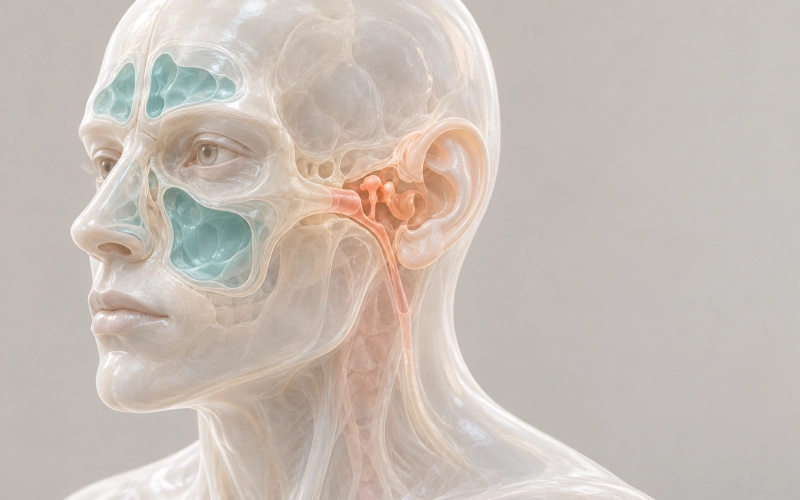
The cavity behind the eardrum vents through the Eustachian tube, which opens with swallowing and jaw movement. When it stays shut under rising pressure, the gas space compresses against a membrane that cannot follow.
Retrospective reviews of a military cohort put middle ear barotrauma around 2%. Prospective work using sensitive detection methods found objective Eustachian tube dysfunction in 45% of patients after their first session. Both numbers appear in the UHMS side-effects review — the gap between them tracks detection method, not patient risk.
If you are coming down with a cold or have active sinus congestion, say so before the session starts. Descent is harder to equalize when passages are swollen.
Sinuses
Frontal and maxillary sinuses are air-filled spaces with narrow drainage openings. When those ostia block, pressure has nowhere to go.
Expect pain in the forehead or cheeks, sometimes nosebleed, and sometimes nothing at first — symptoms can surface 30 to 60 minutes after you are out, which leads people to write it off as an ordinary sinus headache. The mechanism is covered in a review of middle ear barotrauma following hyperbaric oxygen therapy.
The same maneuvers help. Avoid HBOT with active congestion. If sinus trouble is routine for you, ask your provider about a pre-treatment decongestant.
Picking a maneuver
Frenzel keeps intrathoracic pressure unchanged, which is why prospective work on Eustachian tube function during the Frenzel maneuver evaluates it against Valsalva — forceful Valsalva raises intrathoracic pressure and can shift cardiac hemodynamics. It matters more if you have cardiovascular conditions or a patent foramen ovale.
Toynbee is the easiest. Pinch, swallow, done.
Oxygen Toxicity and the Breath-Holding Rule
Central nervous system
Sustained near-100% oxygen at elevated pressure overstimulates the CNS. The early signals run facial twitching, nausea, tunnel vision, tinnitus. Seizures follow in a minority of cases, and StatPearls’ review of hyperbaric complications covers the progression along with Boyle’s-law mechanics behind barotrauma generally.
Risk climbs above 2.0 ATA, past 90–120 minutes, with fever, and with certain medications. CO₂ level modifies it in both directions — which is the technical reason retention gets flagged as unsafe rather than merely discouraged.
Standard mild parameters — 1.3–1.5 ATA for 60 to 90 minutes — sit in low-risk territory. Holding your breath moves you out of that territory for a few seconds to buy nothing.
Pulmonary
Multi-hour daily exposure inflames lung tissue, producing chest tightness, cough, and shallow breathing. Uncommon at mild pressures; it shows up in protocols above 2.0 ATA or with repeated multi-hour sessions. The Johns Hopkins overview of hyperbaric oxygen therapy describes typical session length, mild side effects, and the need to have someone drive you home afterward.
Standards Behind Safe Chambers
Three bodies set the rules that make a session predictable.
NFPA 99 governs fire protection in hyperbaric facilities — grounding, ignition-source exclusion, emergency decompression. The NFPA Journal’s facility overview notes that materials inert at normal oxygen levels can ignite in the chamber, including some silicone rubbers and flame-resistant fabrics.
ASME PVHO covers vessel design, testing, and certification for pressure vessels holding human occupants.
UHMS publishes the approved indication list and the clinical practice guidelines behind it, in a 2020 revision of the HBO indications statement.
The FDA regulates the devices and publishes safety communications, including a letter to healthcare providers on safe use of HBOT devices after reported injuries and deaths, and a consumer update clarifying which conditions are cleared.
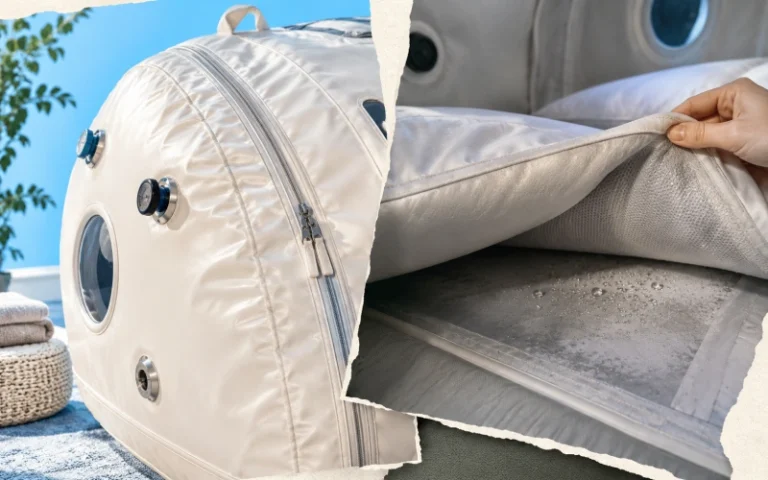
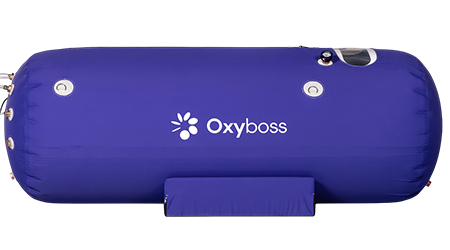
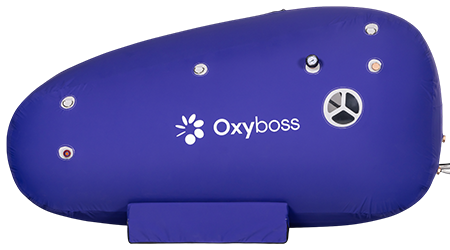
Soft fabric chambers run below 1.4 ATA and hold an FDA 510(k) clearance for acute mountain sickness only. The UHMS position statement on low-pressure fabric chambers is direct about the rest: exposure below 1.4 ATA while breathing air meets no approved indication, and the FDA prohibits adding supplemental oxygen to these devices.
Questions Worth Asking Before Your First Session
What pressure and oxygen delivery method does your facility use? If nobody can answer, that is worth more thought than any breathing technique.
What is the emergency decompression procedure, and how do you signal for it?
What is your equalization plan, and who watches for it? Reputable operators document these — Dartmouth-Hitchcock’s hyperbaric patient education materials list the pre-treatment rules patients are asked to follow, down to cotton-only clothing and no cosmetics, hair products, jewelry, or electronics.
Which of your conditions or medications are contraindications? Untreated pneumothorax is the absolute one. Upper respiratory infection, fever, and certain blood disorders also matter, and StatPearls’ guide to hyperbaric patient selection covers the screening list along with the lung-imaging requirement beforehand.
For home chambers: keep a log. Date, pressure, duration, and how you felt. Patterns show up over time that a single session hides.
FAQ
Can breathwork make HBOT more effective?
No direct evidence supports it. Slow breathing does reliably activate parasympathetic response and improve heart rate variability — true in a chamber and equally true on a sofa. The clinical review of breathwork interventions for anxiety disorders documents the autonomic effect without claiming it amplifies HBOT outcomes.
Practitioners report feeling calmer and sleeping better after sessions that included breathing work. That is a real observation about how the session felt, not a measurement of tissue oxygenation. The chamber delivers the oxygen; the breathing just decides whether you can stay still for an hour.
Is Wim Hof safe in a chamber?
No, on both halves. The hyperventilation rounds lower CO₂ and trigger the vasoconstriction and curve shift described above. The holds suppress the urge-to-breathe signal you want intact in an oxygen-rich environment.
Do it before the session, not during.
What if I feel anxious or boxed in?
Start with the breathing. Coherent breathing at five counts in and out is a usable anchor even when nothing else is available.
Then use the intercom. Operators can slow the ramp, and a slower first session is a reasonable request rather than an admission.
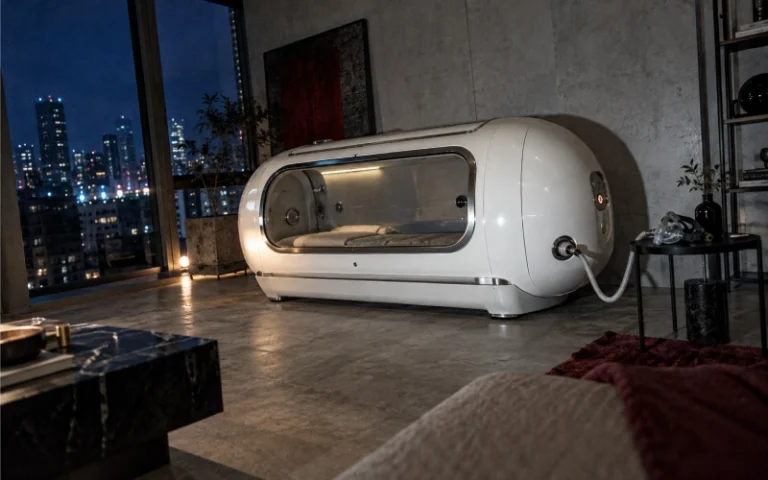
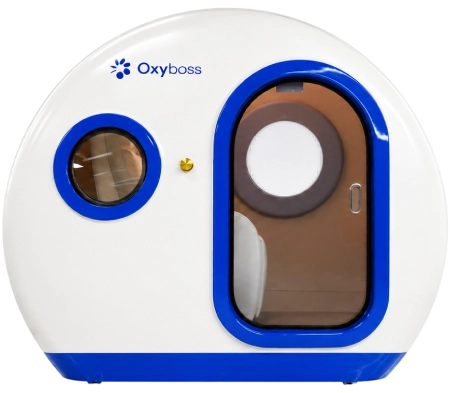
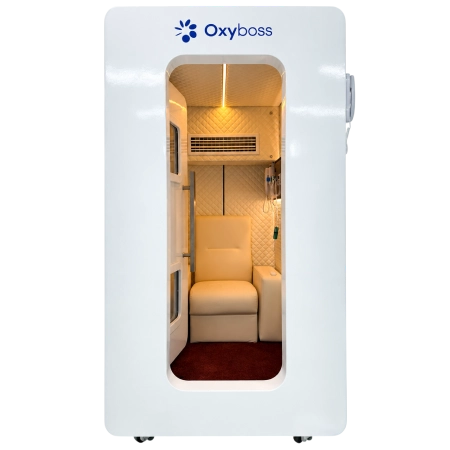
Most modern chambers have large acrylic viewports, interior lighting, and two-way communication. If yours does not, that is worth knowing beforehand.
How long do sessions actually run?
Forty-five to 300 minutes, depending on indication and pressure. Mild protocols land at 60–90 minutes. Frequency typically runs three to five sessions a week across several weeks, with total session counts depending on the condition — Johns Hopkins’ treatment overview describes the range, and coverage questions are worth settling with your insurer before the first appointment.
What actually gets you oxygenated in there?
Pressure plus concentration. A chamber at 1.4 ATA breathing 100% oxygen dissolves plasma oxygen at roughly ten to fifteen times normal levels, and that dissolved fraction reaches tissue that circulation struggles to supply.
Breathing technique has no bearing on that number. The physics handles it.