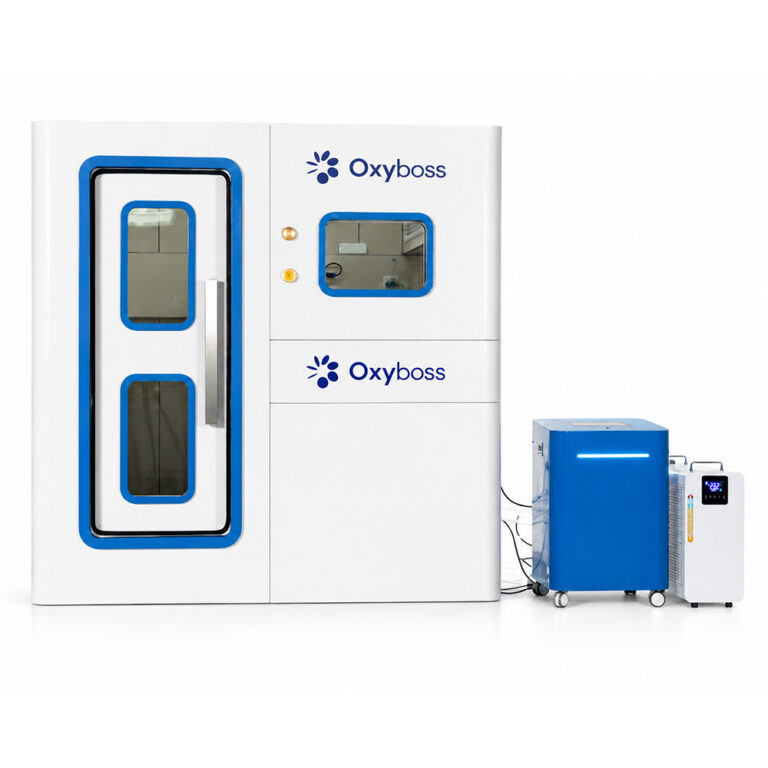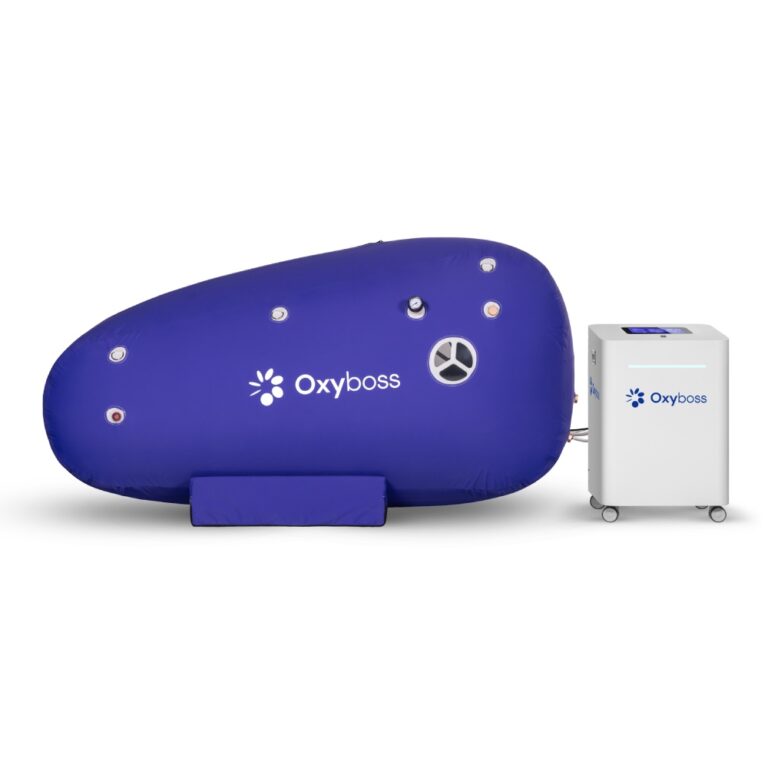
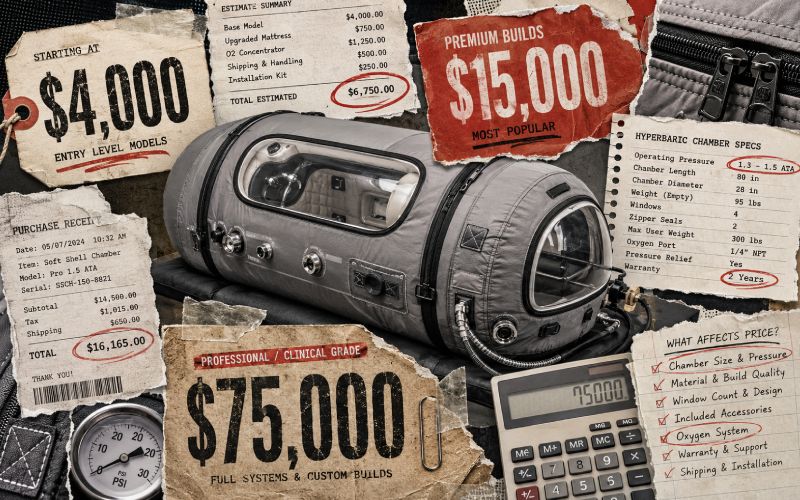
This guide outlines common price ranges for hyperbaric chambers marketed for home, studio, and commercial use, along with the cost factors buyers should review before making a purchase.
It also explains what pricing often includes, what it may leave out, and which product details are worth checking before you compare suppliers.
This article discusses products marketed for general wellness and relaxation use. It does not discuss clinical hyperbaric systems used in hospitals or other medical settings, and it is not medical advice.
Because specifications, accessories, freight terms, and local requirements vary, all prices below should be treated as general market estimates, not fixed quotes.
Key Takeaways
- Entry-level soft-shell chambers often start around $4,000–$8,000
- Reinforced home soft-shell models often fall in the $8,000–$15,000 range
- Hard-shell chambers generally start around $20,000 and can exceed $75,000
- A separate oxygen concentrator may add $1,500–$5,000, depending on the setup
- For commercial buyers, total budget may also include delivery, installation, electrical preparation, spare parts, and maintenance planning
- For distributors and OEM buyers, unit cost often depends on MOQ, branding requirements, accessories, packaging, and shipping terms
The Short Answer
A hyperbaric chamber may cost anywhere from $4,000 to $75,000+, depending on the product category, pressure rating, construction type, included accessories, and intended use environment.
That range is wide because a 1.3 ATA soft-shell chamber for home use and a 2.0 ATA hard-shell chamber designed for frequent commercial operation are not the same type of product. They may appear in the same category online, but their engineering, materials, operating requirements, and cost structure can differ substantially.
For home buyers, the decision often comes down to portability, space, budget, and expected frequency of use.
For businesses, the decision usually includes equipment uptime, maintenance planning, installation needs, and total cost of ownership.
For distributors, wholesalers, and OEM partners, the relevant question is often broader than “What does one unit cost?” It usually includes landed cost, warranty structure, replacement parts planning, and reorder terms.
Hyperbaric Chamber Price Breakdown: Soft-Shell vs. Hard-Shell
| Chamber Category | Pressure Rating | Shell Type | Typical Price Range (USD) | Common Use Case |
| Entry-Level Home Use | 1.3 ATA | Soft-shell (TPU / reinforced fabric) | $4,000–$8,000 | First-time home buyers, lighter regular use |
| Mid-Range Home Use | 1.3–1.5 ATA | Reinforced soft-shell | $8,000–$15,000 | Frequent home users, higher-spec home setups |
| Premium Home / Light Commercial | 1.5–2.0 ATA | Hard-shell (alloy / composite) | $20,000–$35,000 | Committed home users, smaller commercial spaces |
| Commercial Use | 2.0 ATA | Hard-shell (stainless steel / alloy) | $35,000–$75,000+ | Studios, gyms, wellness businesses |
| Multi-User / Large-Facility Use | 2.0+ ATA | Large rigid shell systems | $55,000–$120,000+ | Dedicated facilities, higher-volume operation |
The table above gives a general category overview. The sections below explain why prices vary within those categories.
What Actually Drives Hyperbaric Chamber Cost
1) Pressure Rating: ATA Changes the Build Requirements
ATA (atmospheres absolute) refers to the total pressure inside the chamber relative to normal atmospheric pressure.
As ATA increases, the chamber generally requires stronger structural design, more demanding sealing performance, more robust safety systems, and more stable control of pressure throughout a session.
Moving from 1.3 ATA to 2.0 ATA is not simply a cosmetic upgrade. It can change:
- shell strength requirements
- seal tolerance
- valve redundancy
- door or zipper system design
- compressor load
- control precision
- long-term component fatigue behavior
Higher-pressure systems typically cost more because the engineering requirements are higher.
2) Shell Construction: Flexible vs. Rigid
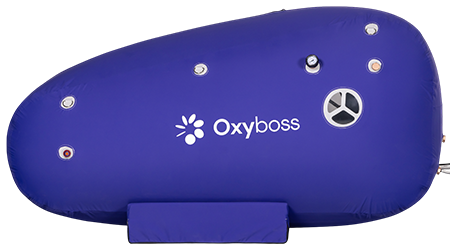
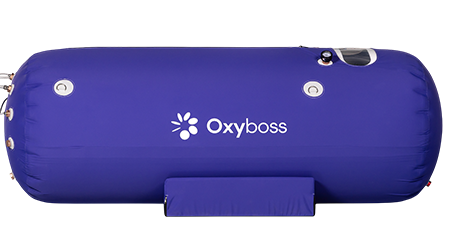
Soft-shell chambers are typically made with reinforced TPU or similar technical fabrics. They are lighter, easier to ship, easier to install, and often more practical for home use. They also depend heavily on seam quality, zipper quality, and routine inspection.
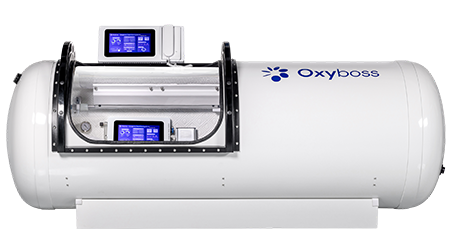
Hard-shell chambers use rigid structural materials such as aluminum alloy, stainless steel, or composite construction. They are heavier, more expensive to transport, and more demanding to install, but they are typically chosen where higher pressure stability and heavier usage are priorities.
Neither format is automatically better in every case.
They serve different needs.
If the expected use is a home routine a few times per week, a quality soft-shell chamber may be sufficient.
If the expected use is multiple sessions per day in a business setting, a hard-shell chamber may be more appropriate.
3) Oxygen Delivery System
Many buyers focus only on the chamber itself, but the chamber is usually only part of the overall setup.
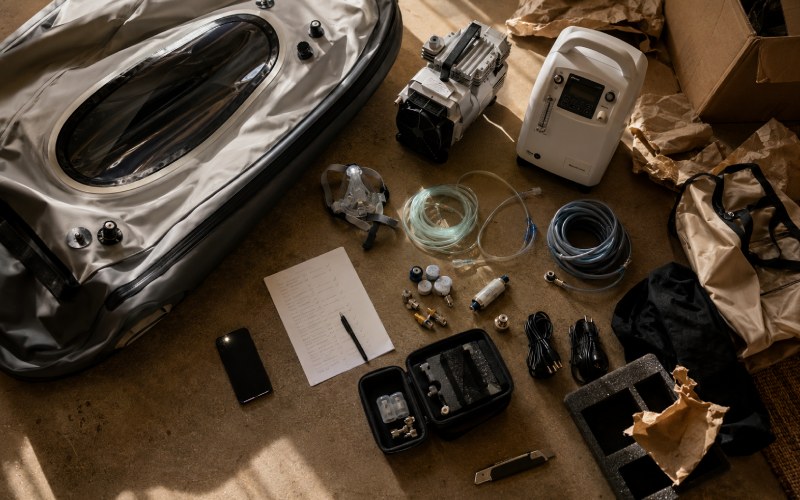
A complete setup may include:
- chamber
- oil-free compressor
- oxygen concentrator
- mask or cannula system
- filters
- valves and pressure-release system
- control panel and monitoring components
This is one reason advertised pricing can be difficult to compare.
A seller may advertise a chamber at an attractive price, but that price may exclude the concentrator, accessories, freight, or other required components.
Typical concentrator add-on ranges may look like this:
- 5 LPM unit: lower-cost entry setups
- 10 LPM unit: more common in higher-use setups
- commercial-grade systems: higher cost, higher duty-cycle expectations
If the concentrator is quoted separately, the total working setup cost may be higher than the headline chamber price suggests.
4) Seal, Zipper, Door, and Valve Quality
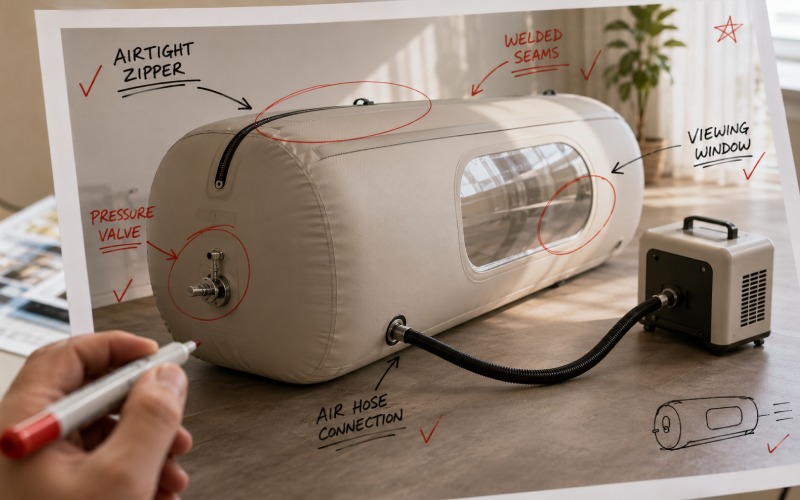
For soft-shell chambers, zipper and seal design can have a major effect on durability and service needs.
A chamber that looks acceptable in photos may still become problematic if:
- seams are glued instead of properly welded
- zippers wear quickly under repeated cycles
- sealing surfaces degrade early
- pressure relief valves are poorly specified
- replacement parts are difficult to source
Before comparing price, it is reasonable to ask about the zipper system, seam construction, and replacement-part availability.
For hard-shell units, similar considerations apply to:
- door locking systems
- gasket life
- emergency depressurization design
- gauge accuracy
- control system stability
Low-cost pressure hardware can lead to higher maintenance burden later.
5) Noise, Comfort, and Daily Usability
A chamber is not only a pressure vessel. It is also equipment that users must be willing and able to use repeatedly.
That means comfort and usability matter.
Features that may reasonably increase pricing include:
- lower operating noise
- better ventilation and airflow management
- larger internal diameter
- easier entry and exit
- clearer windows
- more stable pressure ramp-up and ramp-down
- easier cleaning between sessions
A lower-priced unit may still be less practical if it is uncomfortable, noisy, difficult to maintain, or unsuitable for repeated use.
What You May Spend After Purchase
Sticker price is only the first number to review.
Ongoing costs may include electricity, filter replacement, concentrator maintenance, inspections, and occasional replacement parts.
| Cost Category | Soft-Shell (1.3–1.5 ATA) | Hard-Shell (1.5–2.0 ATA) | Typical Frequency |
| Electricity | $1–$2 per session | $2–$4 per session | Every use |
| Air filters | $20–$60 | $40–$100 | Every 6–12 months |
| Concentrator service / maintenance | $50–$150 | $100–$250 | Annually |
| Seal / zipper upkeep | $0–$40 | N/A or minimal | As needed |
| Annual service / inspection | $200–$500 | $500–$1,500 | Yearly |
These figures are broad estimates and may vary by model, location, service provider, and usage level.
A home soft-shell chamber used several times per week may cost roughly $300–$500 per year to operate and maintain.
A hard-shell chamber used more intensively may cost $600–$1,800 per year or more, depending on configuration and workload.
For many buyers, the larger cost difference comes not from electricity, but from maintenance access, replacement parts, and potential downtime.
Is It Cheaper to Own a Chamber or Pay Per Session?
That depends on how often the chamber will actually be used.
For occasional use, paying per session elsewhere may be more practical.
For consistent long-term use, ownership may be easier to justify financially.
One illustrative example:
- Mid-range home setup: $10,000 chamber + $2,500 concentrator = $12,500
- Three paid sessions elsewhere per week at $200/session = $2,400/month
This kind of comparison is one reason some repeat users consider ownership.
That said, buying decisions are usually better when based on realistic usage rather than idealized usage. If actual use is likely to be infrequent, renting or paying per session may remain the more practical option.
Cost for Studio, Gym, and Recovery-Space Buyers
Commercial buyers usually need to think beyond the chamber itself.
A first-year budget may include:
- chamber unit
- concentrator or oxygen system
- delivery
- professional installation
- electrical preparation
- ventilation requirements
- cleaning workflow
- consumables
- operator training
- annual service
- backup parts
- downtime planning
- insurance and operating overhead
Here is a practical first-year budget framework for a single commercial chamber:
| Item | Typical Range (USD) |
| Hard-shell chamber | $28,000–$65,000 |
| Commercial-grade oxygen system | $2,500–$5,000 |
| Electrical / site prep | $500–$3,000 |
| Delivery and installation | $500–$2,500 |
| Annual maintenance / service | $1,000–$2,500 |
| Spare parts / consumables reserve | $500–$2,000 |
| Insurance / operating overhead | Varies by market |
For commercial operators, equipment reliability affects more than maintenance cost. It can also affect scheduling, staff time, and customer experience.
Questions worth asking a supplier include:
- What is the recommended daily duty cycle?
- What is the average lead time for replacement parts?
- What failure points are seen most often after one year?
- How quickly can valves, seals, or electronics be shipped?
- What remote troubleshooting support is available?
- What spare parts should be kept on site?
Wholesale, Distributor, and OEM/ODM Pricing: What Bulk Buyers Should Review
For distributors and project buyers, the comparison usually goes beyond retail pricing.
The relevant cost structure may include:
- MOQ
- FOB / EXW / CIF / DDP terms
- packaging standard
- branding or white-label requirements
- manual and carton localization
- voltage and plug options
- spare-parts kit
- warranty reserve
- after-sales support workflow
- lead time
- sample policy
- market-specific compliance documentation
What Changes the Unit Price in OEM/ODM Deals?
Order quantity One unit is usually a retail purchase. Five units begins to look more like a trade order. Larger quantities may materially change factory pricing and shipping economics.
Branding depth A logo label is one thing. Custom carton design, user manuals, interface labels, packaging inserts, and branded accessories are another.
Configuration changes Custom color, language pack, upgraded zipper, different concentrator, alternative mattress, upgraded valves, or market-specific accessories may all affect cost.
Service expectations A distributor that needs local spare-parts stock, warranty support, and training documentation is buying more than the base unit alone.
Hidden Costs Bulk Buyers Should Not Ignore
- shipping and customs clearance
- import duty and local tax
- damaged-carton reserve
- demo units
- local warehousing
- returns handling
- replacement-part inventory
- translated manuals
- sales certification packs
- market education content
A useful B2B buying question is not only:
“What is the unit price?”
It is also:
“What are the landed cost, service cost, and resale margin over time?”
Which Chamber Type Fits Which Buyer?
1.3 ATA Soft-Shell: Entry-Level Home Use
Often best for buyers who want:
- personal home use
- lighter budget
- easier setup
- portable or easier-to-store equipment
- a lower-cost entry point into the category
1.5 ATA Reinforced Soft-Shell: More Frequent Home Use
Often best for buyers who want:
- more robust home use
- more frequent weekly sessions
- stronger build quality
- a balance of price and performance
- more durable day-to-day ownership
For many home buyers, this is a practical middle range.
2.0 ATA Hard-Shell: Commercial or Higher-Commitment Buyers
Often best for buyers who want:
- intensive daily use
- commercial reliability
- higher pressure stability
- long-term operation in a business setting
For casual home buyers, this may be more equipment than they need.
Common Buying Mistakes
Buying on Price Alone
If a chamber is priced far below the rest of the market, it may mean something has been reduced in the build, accessories, documentation, support model, or warranty coverage.
Ignoring Interior Space
A chamber that technically fits an adult is not always comfortable for a 60- to 90-minute session.
Interior diameter matters.
Comfort can influence whether the unit is used consistently.
Forgetting the Oxygen Concentrator
The chamber and oxygen setup should usually be evaluated together.
An underpowered or low-quality concentrator can change the overall operating experience.
Buying More Pressure Than You Need
A higher number is not automatically a better fit.
If the expected use is home use a few times per week, spending commercial-level money simply for a higher specification may not be the best allocation of budget.
In some cases, the budget may be better spent on:
- better shell quality
- quieter operation
- larger diameter
- better accessories
- spare parts
- longer warranty support
Treating Commercial Use Like Home Use
A chamber that is suitable for occasional private use may not tolerate repeated back-to-back sessions in a studio.
Duty cycle matters, and suppliers should be asked about it directly.
What to Inspect Before You Buy
Here is a practical shortlist.
For All Buyers
- manufacturing quality consistency
- pressure-test documentation
- safety design
- valve quality
- compressor specification
- actual operating noise
- interior dimensions
- cleaning practicality
- warranty terms
- replacement-part availability
For Soft-Shell Buyers
- seam construction method
- zipper grade
- seal material
- zipper replacement process
- chamber body fabric thickness
- concentrator compatibility
For Hard-Shell Buyers
- shell material
- door seal design
- emergency depressurization system
- gauge redundancy
- service access for maintenance
- window rating and material
- duty-cycle recommendation
For Distributor and Bulk Buyers
- spare-parts list
- carton dimensions and loading plan
- lead time by quantity
- customization options
- documentation pack
- training assets
- post-sale technical support process
If a supplier is vague on these points, more technical review may be needed before purchase.
Safety: A Section Buyers Should Not Skip
A hyperbaric chamber is pressurized equipment and should be treated accordingly.
Potential concerns in pressurized environments can include:
- ear and sinus pressure discomfort
- temporary claustrophobic discomfort
- temporary visual changes after repeated use for some users
- improper use of oxygen equipment
- increased fire risk around oxygen-enriched components or accessories
Basic precautions matter:
- follow the user manual and operating instructions
- keep the equipment clean, dry, and well maintained
- keep ignition sources away from oxygen-related components
- use only approved accessories
- do not improvise repairs
- stop use and inspect the unit if anything appears abnormal
- make sure installation, ventilation, and electrical setup are suitable for the equipment
- where commercial use is involved, ensure operators are properly trained
People with health concerns, ear or sinus issues, pregnancy, or any uncertainty about suitability should speak with a qualified healthcare professional before using pressurized equipment.
FAQ
How much does a basic home hyperbaric chamber cost?
A basic soft-shell chamber often starts around $4,000–$8,000. If the oxygen concentrator is separate, a working setup may land closer to $5,500–$11,000.
What does a hard-shell hyperbaric chamber cost?
Many hard-shell chambers begin around $20,000 and may go much higher depending on shell material, size, pressure rating, integrated features, and commercial-duty requirements.
What is the biggest hidden cost?
Often one of three things:
- the oxygen concentrator
- freight and installation
- downtime caused by weak build quality or poor parts support
Is a soft-shell or hard-shell chamber better?
Neither is universally better.
Soft-shell is often better for portability, home use, and lower entry cost.
Hard-shell is often better for higher pressure stability and heavier daily use.
What ATA level is commonly chosen for home use?
For many home buyers, 1.3–1.5 ATA is a practical range because it can balance usability, chamber size, budget, and ownership complexity.
Can one chamber support a small business?
In some cases, yes. Many businesses start with one chamber. The more important question is whether the specific unit can handle the expected workload without excessive maintenance or downtime.
What should distributors ask before placing a bulk order?
Common questions include:
- MOQ
- lead time
- spare-parts policy
- warranty workflow
- packaging
- customization
- shipping terms
- documentation for the target market
What warranty should I expect?
That depends on the product class and supplier, but buyers should expect clear written coverage on major structural components, key operating parts, and replacement-part procedures.
If the warranty terms are vague, support expectations may also be unclear.
Final Word
A hyperbaric chamber is not a casual purchase.
For many buyers, it is both a pressure system and an equipment investment that may involve accessories, maintenance, and long-term support.
If you are buying for home use, it is usually best to choose a configuration that matches your actual space, budget, and expected use frequency.
If you are buying for commercial use, uptime, service access, and replacement-part planning usually matter as much as the purchase price.
If you are buying for distribution, landed cost, warranty structure, and support burden should be part of the evaluation from the beginning.
A more useful question than “What is the cheapest chamber available?” is:
“Which chamber best matches the intended use, operating environment, and support requirements?”
Contact Our Team
If you are comparing chamber types, pressure ranges, accessory options, or OEM/wholesale configurations, our team can provide product information based on your use case and configuration requirements.
Disclaimer
This content is for general informational purposes only. It is not medical advice and is not intended to diagnose, treat, cure, or prevent any disease or medical condition.
The products discussed here are described for general wellness and relaxation use only. Nothing in this article should be interpreted as a claim about medical treatment, therapeutic outcomes, or clinical effectiveness.
Users should always follow the operating manual and safety instructions for their specific unit. Anyone with questions about personal suitability should consult a qualified healthcare professional before use.