A Factory-Floor Answer, Not a Brochure Answer
This page focuses only on chamber structure, exterior form, interior layout, and installation footprint. It does not discuss use cases or performance claims.
A hyperbaric chamber does not have one fixed look.
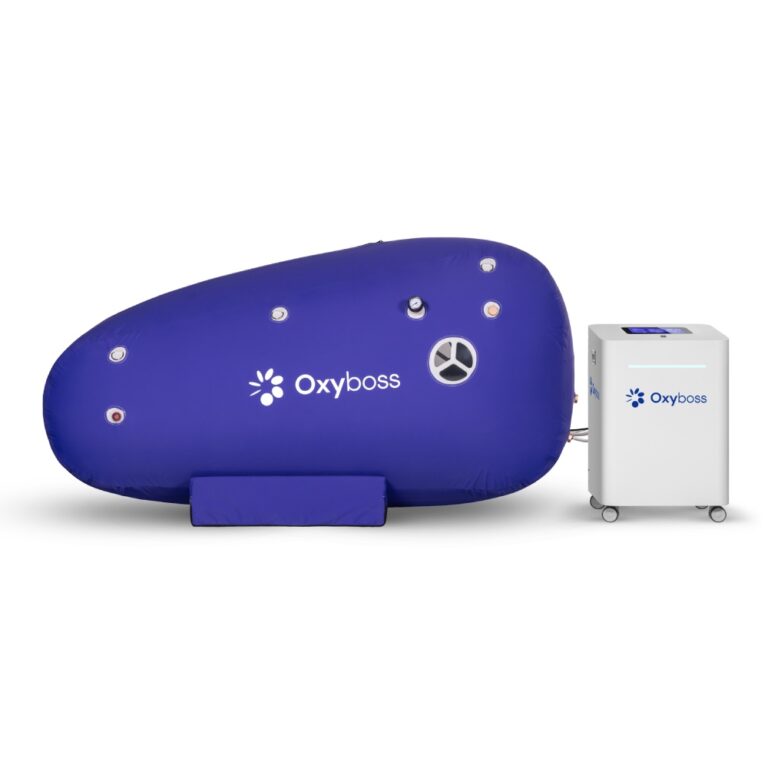
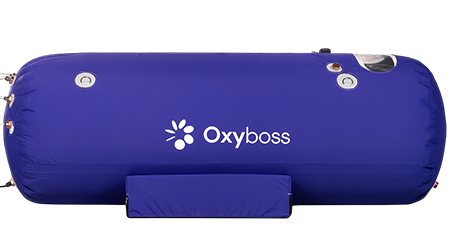
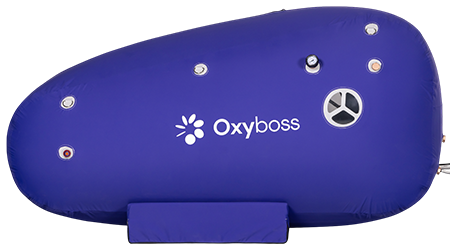
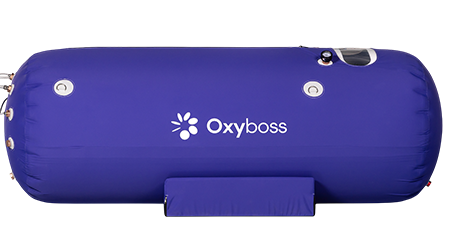
Sometimes it looks like a reinforced pod with windows and a curved zipper.
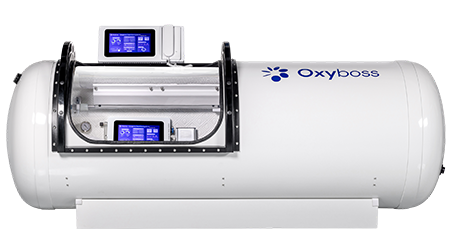
Sometimes it looks like a clear rigid tube on a base.
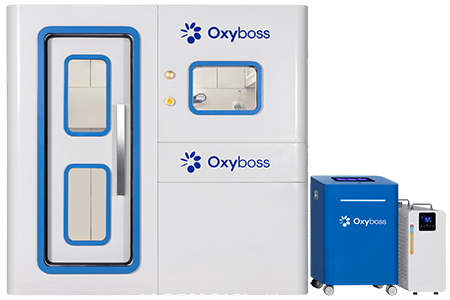
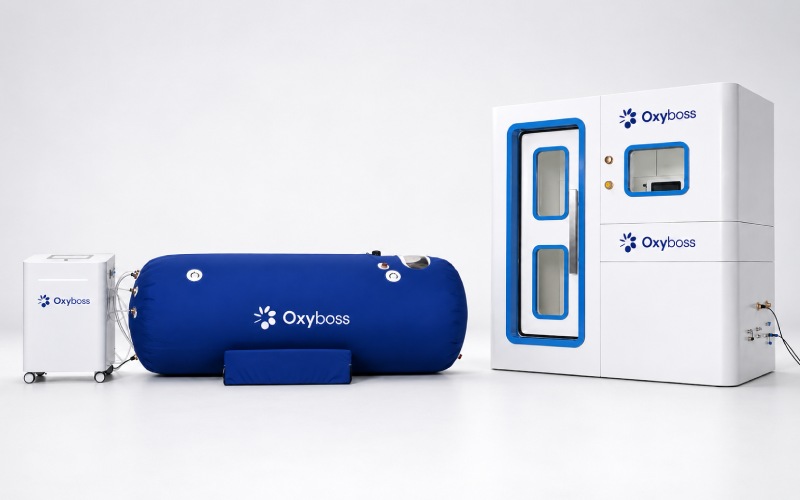
Sometimes it looks like installed equipment, almost like a compact vessel with a door, windows, and a separate control station.
That visual difference is not styling. It comes from pressure class, shell system, entry method, and how the unit is meant to live in a room.
If you are asking what a hyperbaric chamber looks like, the useful answer is this:
A chamber looks like the pressure level and build method it was designed around.
The quick visual answer
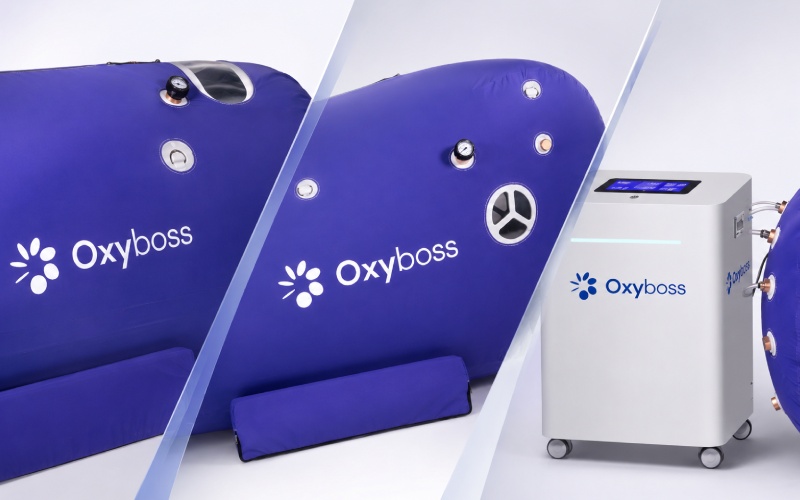
A portable soft-shell hyperbaric chamber usually looks like a long fabric pressure pod. You will see a soft outer skin, clear viewing windows, hose connections, pressure gauges, release valves, and a zipper-based entry.
A hard-shell single-place chamber usually looks like a rigid cylinder. The body may be fully clear or partly clear, with a thicker viewing section, a mechanical door system, and a more obvious control layout nearby.
A large rigid chamber stops looking like a pod and starts looking like installed equipment. You notice the vessel body first. Then the door. Then the windows. Then the console.
That is the fast read. The real read starts underneath it.
Why soft-shell and hard-shell chambers do not look the same
This is where most articles stay shallow.
Soft-shell and hard-shell chambers look different because they are solving different structural problems.
Portable soft-shell builds are commonly seen in the 1.3 ATA to 1.5 ATA range. At that level, a reinforced flexible shell, internal frame support, heat-welded seams, and a zipper-entry layout still make sense. So the finished product looks like a pressure pod. Not elegant. Just logical.
Once you move into higher pressure classes, the visual language changes. The shell has to behave more like a vessel. The viewing section becomes thicker and more deliberate. The door system becomes heavier. Hardware stops hiding. That is why rigid chambers often look more like capsules, tubes, or compact submarine sections than anything sold as portable.
So yes, appearance matters. But pressure class is what usually writes the appearance.
What a portable soft-shell chamber looks like
A home hyperbaric chamber in soft-shell form usually has a few obvious visual cues:
- a long horizontal body or upright sitting format
- reinforced fabric shell rather than rigid wall construction
- multiple clear windows
- external hose routing
- one or two pressure gauges
- manual relief hardware
- zipper-based entry, often with a protective flap path
- an external compressor package and related accessories
From a distance, soft-shell units look simpler than they are.
From close range, the quality clues show up fast. The shell should look tensioned, not baggy. The window edges should look anchored, not merely stitched into a cut-out. The zipper path should look intentional. If the entry path looks like camping gear, that is a bad sign.
On better-built portable units, you will usually notice three things at once: clean seam lines, a dual-path zipper layout, and windows placed where an occupant can actually see out rather than where marketing wanted symmetry.
What a hard-shell chamber looks like
A hard-shell chamber looks heavier because it is heavier.
The body is rigid. The transparent section is visibly thicker. The entry system looks mechanical rather than flexible. The whole unit reads as a pressure vessel first and a product second.
Single-place rigid chambers are often cylindrical. Some use a mostly clear body. Some use a mixed shell with metal and transparent sections. Inside, the layout is restrained: a sliding bed or platform, clear headroom, minimal loose geometry. Not much decoration. There should not be.
Larger rigid systems change shape again. You may see porthole-style windows, a full-height or floor-level entry door, a vessel body on supports, and a separate operator console. That is usually the point where the product stops looking domestic and starts looking installed.

What the windows, doors, and zippers tell you
People spend too much time on shell color and not enough on closure logic.
That is backward.
The fastest build-quality read is usually here:
1. Window base design
A good viewing window looks integrated into the chamber structure.
A weak one looks added after the fact.
On portable builds, the window perimeter should look reinforced and evenly tensioned.
On rigid builds, the viewing section should look thick, centered, and proportionate to the shell.
2. Entry path
A portable chamber lives or dies on zipper geometry and seal logic.
Good zipper layouts reduce stress concentration at curves and corners. Better ones use a dual-zipper path with a defined leak-control strategy instead of asking one zipper to do everything. If the zipper path looks forced, sharp, or uneven, that usually tells you something about the rest of the build too.
Rigid doors tell a different story. Alignment, latch architecture, frame thickness, and handle geometry matter more than cosmetic finish.
3. Valve access
A chamber can look clean in a photo and still be awkward once placed near a wall.
Valve position, hose orientation, and service access matter. Good builds leave enough room for real operation. Weak builds assume an empty showroom.
The factory-floor details most buyers miss
This is where the brochure tone usually starts to collapse.
A chamber can look impressive in a hero image and still be built in a lazy way. The details below tend to separate serious production from surface-level styling.
Heat-welded seams vs glued seams
On portable soft-shell builds, this matters more than branding language.
A stronger seam usually looks flatter, more consistent, and less lumpy through the entire weld path. Glued seams often telegraph themselves over time through uneven edges, visual creep, or local distortion around curves. A clean weld line does not guarantee a good chamber. A messy one usually tells you enough.
Dual-path zipper construction
Not every zipper that looks heavy is doing the same job.
A better closure system spreads load, manages leakage path, and reduces stress at the entry arc. The difference is visible. Cheap zipper layouts often look overworked before the chamber is even inflated.
Floor support logic
A portable chamber should not sag into a soft trough once loaded.
Look at how the base holds shape. Some builds rely too much on shell inflation alone. Better builds support the lower body area with internal structure, base geometry, or frame logic so the chamber still looks stable when occupied.
Window placement that matches real use
Some chambers place windows for catalog symmetry. That is easy to spot.
A better layout places windows where they serve visibility in a normal reclined or seated position. The visual result is less flashy. Also more honest.
Hose routing and hardware layout
If hoses cross the entry path, if gauges are hidden low, if relief hardware sits in an awkward corner, the chamber may still function. But it was not thought through well.
Good engineering often looks boring. Straight lines. Clear reach paths. Hardware where a hand can find it without searching.
Hyperbaric chamber dimensions: what size usually looks like at home
This is the part many readers are actually asking about.
They do not just want to know what the chamber looks like.
They want to know what it will look like in a room.
Portable lying soft-shell chambers commonly land in the rough zone of about 85 to 90 inches long and roughly 30 to 40 inches in diameter, depending on the layout. Some are slimmer and more tunnel-like. Some are wider and closer to a small enclosed lounger.
That means the visual footprint at home is not just “the chamber.” It is:
- chamber length
- shell diameter
- compressor location
- hose side clearance
- entry-side clearance
- walking space around the unit
A rigid chamber changes the room in a different way. The vessel itself is larger, the support structure is more visible, and the loading zone matters. Even when the shell dimensions look manageable on paper, the installed footprint grows because access and servicing do not disappear.
So when someone asks, “What does a home hyperbaric chamber look like?” the answer is usually: larger than the product photo, smaller than a full room build, and much more defined by clearance than by brochure dimensions.
Weight and footprint: the visual difference nobody should ignore
Weight changes how a chamber reads.
Portable soft-shell bodies may look movable because the shell itself is relatively light compared with rigid systems. Fine. But once the frame, accessories, compressor package, and operating space are part of the picture, the unit still behaves like equipment.
Rigid chambers are different. They do not read as movable furniture at all. They read as installation pieces. Which is exactly what they are.
That distinction matters because buyers often confuse “portable” with “small.” Not the same thing. A portable hyperbaric chamber setup can still occupy a meaningful part of a room once fully installed.
Soft-shell vs hard-shell: visual differences at a glance
| Feature | Portable Soft-Shell Chamber | Hard-Shell Single-Place Chamber | Large Rigid Chamber |
| First impression | Reinforced pod | Clear or partly clear rigid tube | Installed vessel |
| Shell material look | Fabric-based composite shell | Rigid transparent or mixed rigid shell | Metal body with windows |
| Entry style | Zipper path | Mechanical door or end entry | Full door system |
| Window style | Sewn or bonded clear panels | Thick transparent section or window | Porthole-style or framed windows |
| Pressure-class visual cue | Lighter structure, flexible form | Heavier viewing section and shell | Heavy framing, vessel proportions |
| Room feel | Home equipment footprint | Equipment plus loading area | Dedicated installation feel |
| What reveals quality fastest | Seams, zipper path, window reinforcement | Door alignment, transparent section, hardware integration | Door architecture, console layout, access planning |
What a well-built chamber does not look like
It does not look random.
It does not look overdesigned in the wrong places and underbuilt in the critical ones.
It does not hide key hardware where service access becomes awkward.
It does not rely on shiny trim to distract from lazy closure design.
It does not use oversized windows without respecting the structure around them.
It does not pretend a wall-adjacent install will be easy if valves and hoses say otherwise.
A strong chamber usually looks calm. Balanced. Maybe a little plain. That is often a good sign.
What to inspect before you care about color, trim, or branding
If you are comparing units, start here:
- Seam quality
- Zipper path or door geometry
- Window anchoring
- Valve reach
- Gauge visibility
- Base stability
- How the chamber will actually sit in your room
That order saves time.
FAQ
Is a hyperbaric chamber always transparent?
No. Some rigid chambers use large clear sections, but many use a mixed shell or framed windows. Portable soft-shell units usually use multiple clear viewing panels rather than a full transparent body.
Why do home hyperbaric chambers often look soft instead of rigid?
Because portable units are usually built around lower pressure classes and flexible shell systems. That makes reinforced fabric construction, window panels, and zipper-entry layouts practical. The appearance follows the structure.
What do hard-shell chambers usually look like inside?
Usually sparse. A bed or platform, open body clearance, minimal clutter, and a layout built around shell geometry rather than furniture logic.
What should I check first on a portable hyperbaric chamber?
Look at the seams, zipper path, window reinforcement, and valve layout. Those usually tell you more than surface styling.
Are hyperbaric chamber dimensions important for appearance?
Yes. A chamber can look compact in a product image and still take up a meaningful footprint once hoses, compressor location, and entry clearance are added.
What makes one chamber look better engineered than another?
Not color. Not trim. Usually it is closure logic, seam consistency, window integration, base support, and whether the hardware layout still makes sense after installation.
Final read
So, what does a hyperbaric chamber look like?
It looks like a pressure system.
In soft-shell form, that means a reinforced pod with windows, gauges, valves, and a zipper architecture that gives away the quality level if you know where to look.
In hard-shell form, it means a rigid vessel with heavier viewing sections, more mechanical entry design, and a footprint that reads like installed equipment.