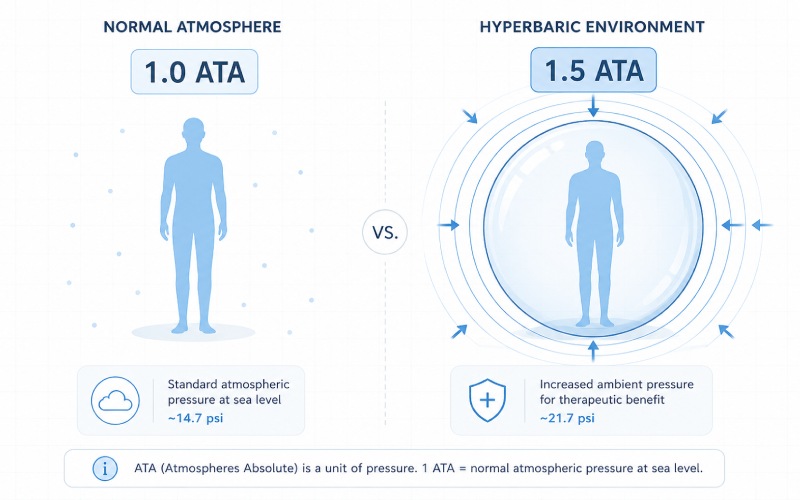
Hyperbaric means one thing first: pressure above normal atmospheric pressure. That is the starting point. Under normal sea-level conditions, ambient pressure is 1 ATA, which is about 14.7 psia or 101.325 kPa. Once the chamber environment moves above that baseline, you are in hyperbaric territory.
That sounds basic. It is basic. The problem is that the word gets stretched until it stops being useful. Some people use hyperbaric to mean oxygen. Some use it to mean a recovery session. Some use it to describe any chamber with a zipper, a door, a compressor, a touchscreen, whatever. We do not use it that loosely. If you are evaluating a chamber, the word should tell you this: you are looking at a human-occupancy pressure system designed to operate above ambient pressure, and the rest of the machine has to earn that claim.
Quick Summary for Buyers
- Hyperbaric means above normal atmospheric pressure. That is the definition that matters first.
- ATA matters more than vague pressure wording. If a chamber page avoids clear ATA language, you are already missing the baseline.
- For operator-managed spaces, repeatability matters more than headline claims. Pressure stability, controls, relief design, and daily cycle durability are the real filters.
- For home use, convenience matters too. Entry, visibility, operating simplicity, and practical daily setup are not side details. They decide whether the chamber gets used.
What Hyperbaric Actually Means Inside a Chamber
A hyperbaric chamber is not just “an oxygen unit.” That shortcut causes half the confusion in this category. The stricter answer is simpler: a hyperbaric chamber is a sealed environment for human occupancy that operates at pressure greater than atmospheric pressure. In formal engineering and regulatory language, a hyperbaric environment is identified by pressurization above atmospheric pressure, with the operating condition tied to increased environmental oxygen pressure. The pressure part is not secondary. It is the backbone.
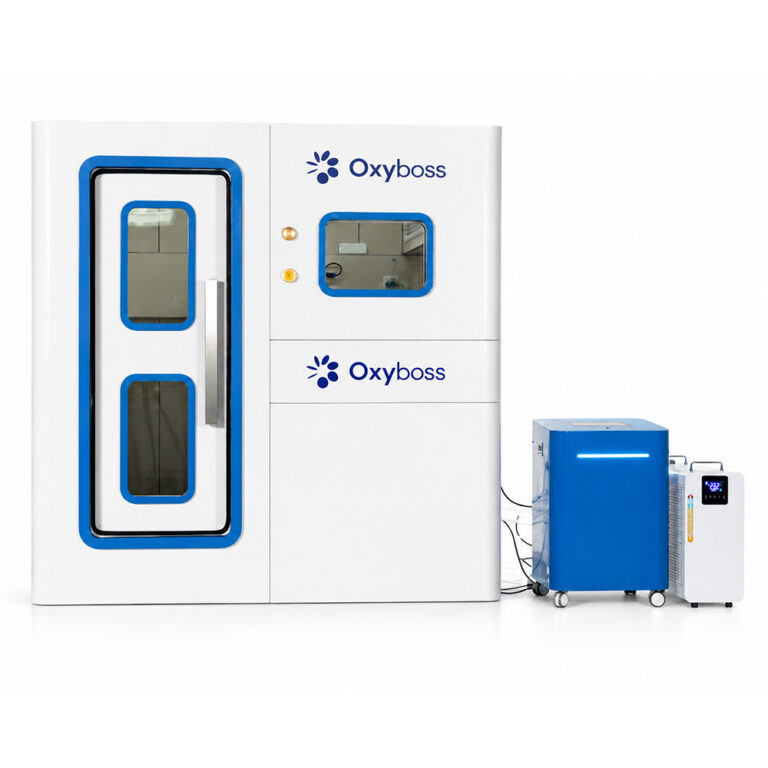
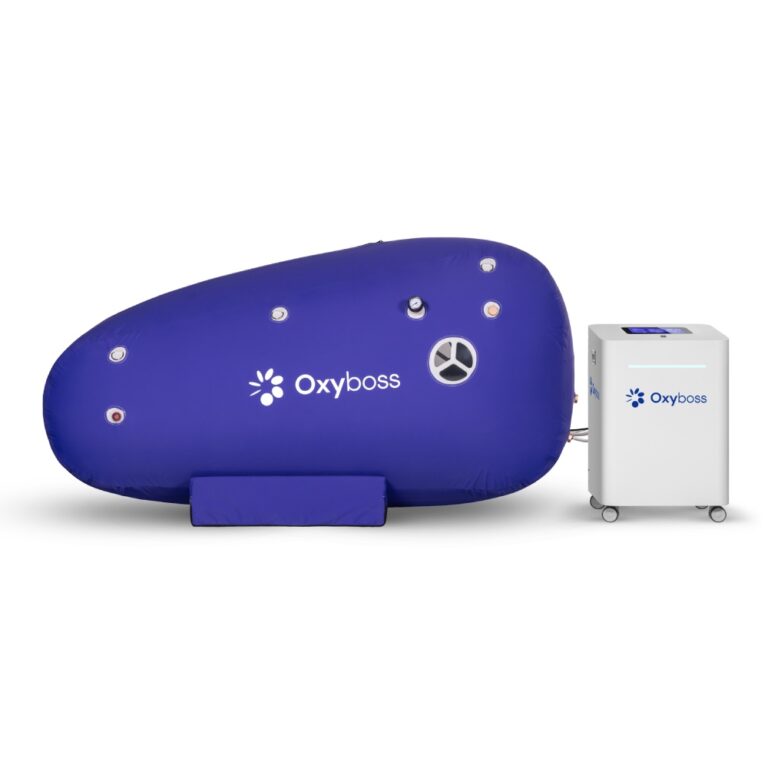
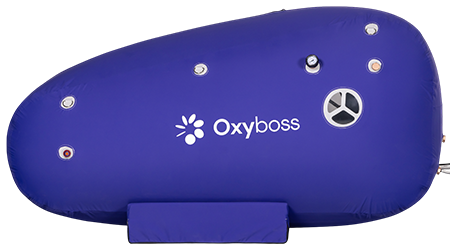
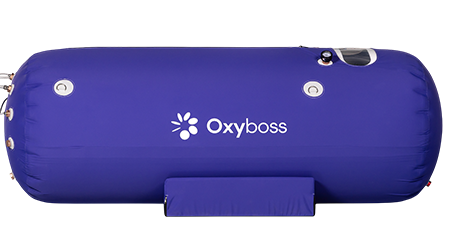
This matters when you compare chamber types. Some lower-pressure systems are engineered for 1.3 to 1.5 ATA. Rigid systems built for specialized high-pressure commercial applications operate up to 3.0 ATA. Larger multiplace systems can range from 3.0 ATA to 6.0 ATA. Same umbrella word. Very different engineering job. Very different support systems around the vessel.
So when you ask, “What does hyperbaric mean?” the useful answer is not “more oxygen.” The useful answer is: a controlled pressure condition above ambient, and a chamber platform built to manage that condition safely and predictably.
ATA, PSI, and Why Vague Pressure Claims Waste Your Time
If you are buying a chamber, ATA is usually the first number worth trusting. ATA means atmospheres absolute. It describes total pressure relative to a vacuum reference. That matters because casual pressure language gets sloppy fast. A page that says “high pressure,” “enhanced pressure,” or even just “PSI” without context is not helping you compare anything.
At sea level, 1 ATA = 14.7 psia = 101.325 kPa. That is your baseline. A chamber operating at 1.3 ATA, 1.5 ATA, or 3.0 ATA is not just moving a number on a display. It is changing the demands on the vessel, the door geometry, the seal behavior, the relief devices, the control system, the air path, the operating logic. Even the maintenance discipline changes. Not all at once maybe. But it changes.
Here is the cleaner way to read chamber pressure ranges:
| Pressure range | What it usually signals | What you should check next |
| 1.0 ATA | Normal ambient pressure baseline | Use this only as your reference point |
| 1.3-1.5 ATA | Lower-pressure hyperbaric operation often seen in portable or simplified systems | Compressor behavior, pressure hold consistency, ease of entry, relief valve setup, daily usability |
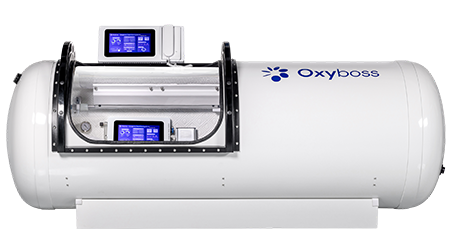
| Up to 3.0 ATA | Rigid chamber class commonly used as a serious pressure benchmark in specialized commercial applications | Vessel structure, control precision, depressurization control, interlocks, operating workflow |
| 3.0-6.0 ATA | Larger multiplace system territory with independent compartments and broader support systems | Gas architecture, operator controls, fire suppression, facility planning, validation depth |
That table is not there to impress you. It is there to stop you from comparing unlike things as if they were equal.
What “Hyperbaric” Changes When You Are Actually Choosing a Chamber
If you run a recovery studio, a wellness space, a sports performance room, or a high-traffic operation, the word hyperbaric should push your attention toward repeatability. Can the chamber pressurize smoothly. Can it hold the set point without wandering. Can it depressurize in a controlled way. Can staff operate it from outside, and in some systems from inside as well. Can it handle frequent cycles without turning every week into a service event. Those are ownership questions. Better questions.
If the chamber is going into a home, the meaning of hyperbaric does not change, but your filter should. You should care about pressure, yes. You should also care about whether entry feels manageable, whether the footprint makes sense, whether visibility is decent, whether setup is realistic on a normal day, and whether operating the chamber feels straightforward rather than ceremonial. Home convenience is not a soft feature. It is part of actual long-term use.
That is why we do not treat “hyperbaric” as a one-line feature. It is a design condition. After that, you still have to decide what kind of chamber ownership you are signing up for.
The 5 Chamber Specs Worth Checking Before You Compare Price
You do not need more broad claims. You need a better filter.
| What to check | Why it matters | What a serious buyer should ask |
| Operating pressure in ATA | This tells you what the chamber is actually built to do | What is the maximum operating ATA, and is it stated clearly rather than implied? |
| Pressurization and depressurization control | A chamber is judged by how it behaves across the full cycle, not just by its top number | How is ramp-up controlled, how is exhaust managed, and what happens if automatic control is interrupted? |
| Pressure relief and vessel protection | Human-occupancy pressure systems are not casual equipment | What relief devices are used, and how is over-pressure protection handled? |
| Fire prevention and grounding discipline | High oxygen concentration raises fire risk, so the chamber environment has to be managed tightly | What are the grounding rules, restricted items, staff checks, and safety procedures? |
| Daily usability | A chamber that looks advanced but is awkward to run will not stay efficient in real use | Who can operate it, how simple is the workflow, and what does routine maintenance look like? |
If you want one practical rule, use this one: Do not compare chambers by price until you can compare them by pressure class, control logic, safety design, and daily operating burden.
That one rule will save you time.
Pressure Alone Does Not Make a Chamber Good
A higher number on its own does not make a chamber better. It changes the engineering load. That is different.
As pressure goes up, the demands on the vessel and control system go up with it. The chamber may need more robust structural verification, more deliberate relief behavior, more serious fire management, more disciplined operating procedure, and more facility support. If you ignore that and shop only by “more pressure,” you are not buying carefully. You are just buying a headline.
The same logic applies at the lower-pressure end. A simpler chamber is not automatically the wrong choice. Sometimes it is the right choice because it matches the installation, the workflow, the user profile, and the ownership expectations better. The mistake is not choosing lower pressure. The mistake is choosing without knowing what the pressure class implies for the rest of the chamber.
The Safety Side of the Word Matters More Than Most Pages Admit
Here is the part people skip because it is less fun to write.
A pressure vessel for human occupancy is treated as a special category once the differential pressure exceeds 2 psi. That tells you something immediately: the moment a person is inside and the pressure boundary becomes meaningful, the conversation changes. Relief devices matter. Structural standards matter. Penetrations matter. Windows matter. Controls matter. Documentation matters.
And in oxygen-rich operation, fire prevention is not optional housekeeping. Recent national safety advisories for oxygen-enriched environments explicitly remind facilities to follow manufacturer instructions, maintain fire prevention measures, use proper grounding, train staff, follow maintenance and safety checks, and control prohibited items that may create electrical or static risk. You do not need a dramatic story around that. The point is plain enough already.
If you are selecting a chamber for general wellness, athletic recovery, or non-medical relaxation, that should shape your buying standard. You are not only buying a shell. You are buying pressure control, risk control, and routine control.
What We Mean by a Well-Built Hyperbaric Chamber
When we say hyperbaric, we mean more than “above ambient.” We mean a chamber system that reaches pressure cleanly, holds it predictably, releases it in a controlled manner, and supports that cycle with appropriate vessel design, relief protection, operating logic, and safety discipline. That is the real standard.
So yes, hyperbaric means above normal atmospheric pressure. But for an owner, that answer is incomplete unless it also tells you how to judge the machine in front of you.
Start with pressure. Then read the chamber around it.
FAQ
What does hyperbaric mean in simple terms? It means the chamber environment is pressurized above normal atmospheric pressure. At sea level, normal pressure is 1 ATA. Above that baseline, the environment is hyperbaric.
Does hyperbaric always mean oxygen? No. The first meaning is pressure above ambient. Oxygen strategy is related, often important, but still a separate part of chamber operation and design.
What does ATA mean in a hyperbaric chamber? ATA means atmospheres absolute. It is the total pressure relative to a vacuum reference. 1 ATA is normal sea-level pressure, about 14.7 psia or 101.325 kPa.
Is 1.3 ATA or 1.5 ATA still hyperbaric? Yes. If the chamber operates above ambient atmospheric pressure, it is hyperbaric. Strict industry standards and commercial benchmarks widely recognize lower-pressure systems operating at 1.5 ATA, alongside heavier rigid systems operating up to 3.0 ATA.
Is a higher ATA chamber always better? No. A higher pressure class increases the engineering and operating demands on the chamber system. It does not automatically make a chamber the better choice for your setup, your workflow, or your ownership goals.
What should I check before buying a hyperbaric chamber? Check the operating ATA, pressure control method, relief protection, fire prevention measures, grounding requirements, and daily operating workflow before you compare price.
Why do fire prevention and grounding matter so much? Because oxygen-rich chamber use carries a heightened fire risk. Major safety and regulatory advisories specifically mandate following manufacturer instructions, using proper grounding, maintaining staff training, and controlling restricted items that could create electrical or static hazards.