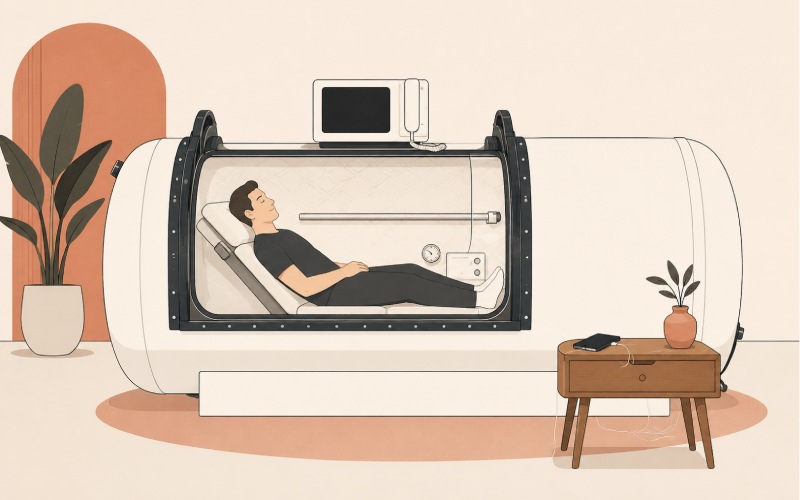
Yes. You can fall asleep in a hyperbaric chamber.
But the part that actually matters is whether you should plan to sleep in it. Especially for hours. Especially overnight. Usually, no. A chamber is built around a scheduled pressure cycle, controlled entry and exit, and active oversight. A bed is built around none of those things.
Sessions are quiet. People settle down. A lot of users close their eyes and drift off once the chamber reaches stable pressure. So the assumption starts to form: if a short nap feels easy, maybe a full night inside the chamber is even better. That is where owners need a cleaner answer.
Our answer is simple. A light nap during a properly run session is one thing. Using a chamber as an overnight sleep space is something else entirely.
The short answer we give owners
You can rest in a chamber. You may even doze once pressure is stable. You should stay awake during compression and decompression. You should not treat a chamber like an overnight bedroom unless that system, staffing model, and operating procedure were designed for that use from day one.
That distinction sounds small. It is not.
A nap during a session is not the same as sleeping in the chamber
A nap happens inside a timed session. Sleeping in the chamber turns the chamber into the sleep environment.
Different question.
During pressure changes, users need to stay responsive. That is why users are commonly told to yawn, swallow, or use other methods that help them stay comfortable as the chamber changes pressure. If you are half asleep during those phases, you lose responsiveness exactly when you need it most.
Once pressure is stable, quiet rest is easier. Some users close their eyes. Some nap. That part is not unusual. But the session is still supposed to be supervised, finite, and easy to stop. It is not supposed to drift into “just stay in there until morning.”
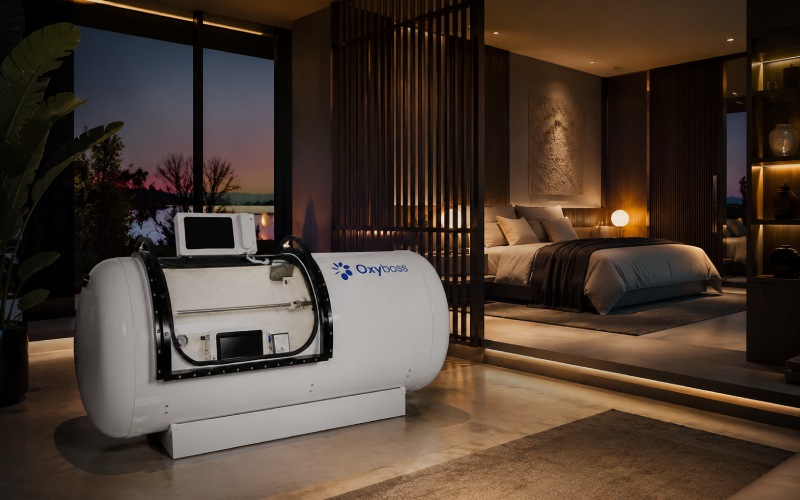
Chamber type changes the answer
You should not use one rule for every chamber category.
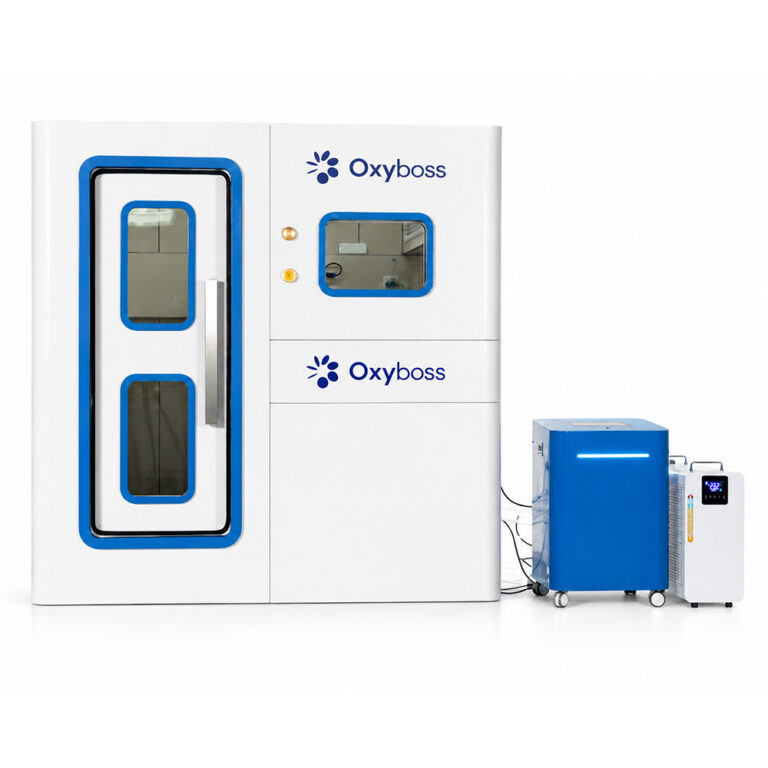
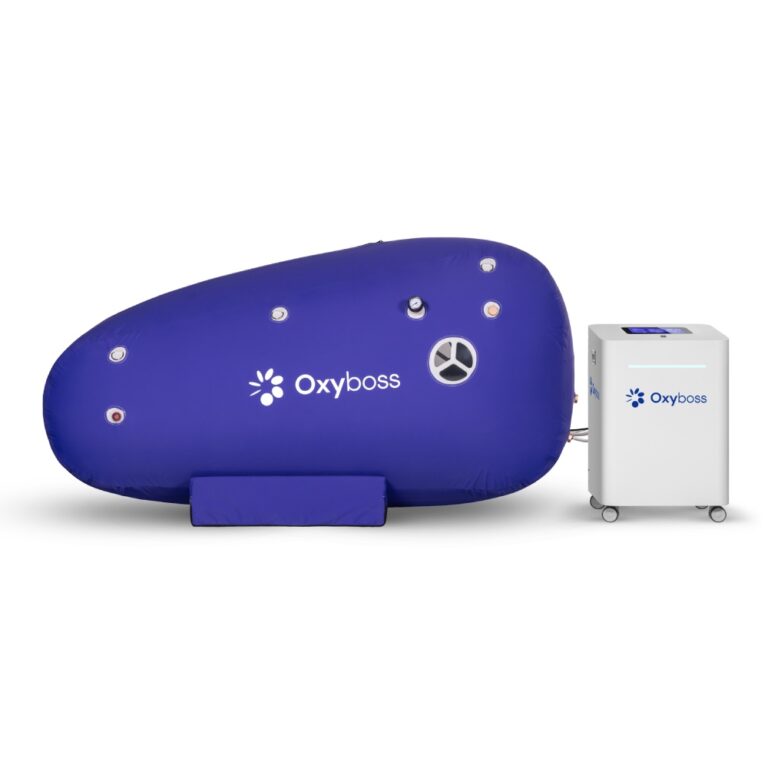
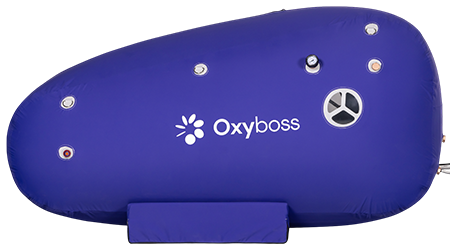
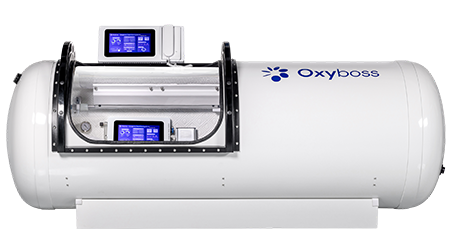
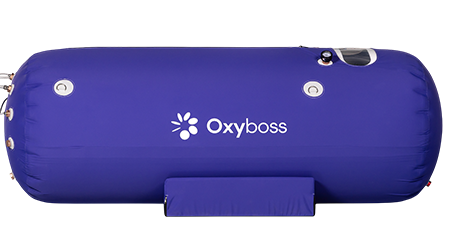
A mild hyperbaric soft chamber used at lower pressure for home wellness use is not the same operating environment as a hard chamber. A single-user chamber is not the same as a multi-user room. Gas delivery, pressure level, supervision, item control, and session logic can all change with chamber type. That is one reason sloppy advice travels badly in this industry.
For home owners, this question usually points to a soft-sided or mild-pressure setup. In that category, comfort can make people think long, casual use is fine. We do not advise that mindset. Comfort is not the same as suitability.
For operator-managed spaces, the issue is different. You may have stronger supervision, more structured turnover, and a defined session schedule. Good. That still does not turn a chamber into an overnight sleep pod.
Soft chamber, hard chamber, and ATA: what actually matters
You do not need a lecture on ATA to make the right decision, but you do need one practical point.
Pressure category matters. Gas delivery matters. Chamber construction matters.
In the broader market, “mild hyperbaric” setups are usually discussed very differently from hard-chamber systems. Some lower-pressure fabric systems are grouped into one category, while higher-pressure and other chamber categories sit in another. The mistake is pretending those categories are interchangeable. They are not.
So when you ask, “Can you sleep in a hyperbaric chamber?” the first real follow-up is: which kind of chamber are you talking about, and how is it being run?
That is where owners make better decisions. Not by chasing the broadest yes.
Our engineering view
We split this into three buckets:
Resting Eyes closed. Calm breathing. Stable pressure. Planned session. No issue.
Napping Possible during the stable middle phase of a session, provided the session is still supervised and the user is awake for both pressure transitions.
Overnight sleeping Not how we advise using a standard chamber. Not for a home owner. Not for a wellness room operator. Not unless the full occupancy concept, monitoring method, and safety procedure were intentionally built for that purpose from the start.
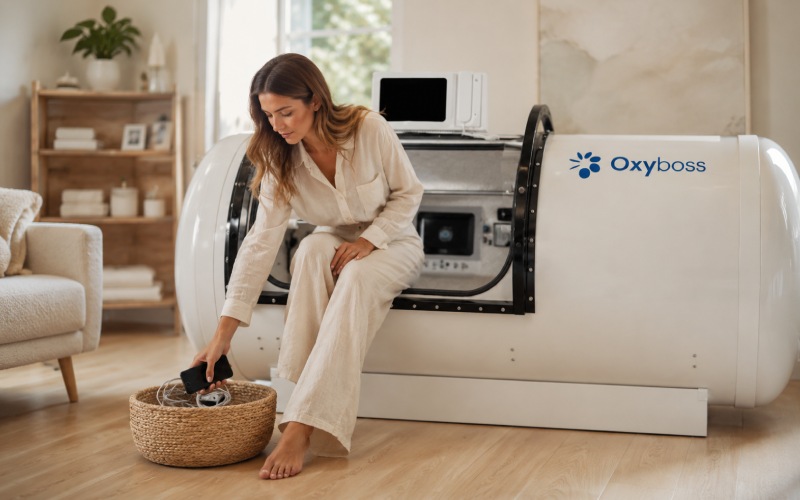
That last part is where too many buyers get casual. Then accessory creep starts. Extra pillows. Phone. Charger. Blanket from home. Skin care products. Bedtime routine habits. Wrong direction. Hyperbaric environments require stricter control over clothing, electronics, static-producing items, and some personal products because fire risk rises in oxygen-enriched settings and with poor item discipline.
What we recommend for home use
Use the chamber for a session. Then leave the chamber and sleep in your bed.
That sounds obvious. It should.
If the chamber is in your home, keep the operating logic clean:
Stay awake for compression. Stay awake for decompression. Keep the inside setup minimal. Do not improvise with unapproved electronics or personal items. Do not start a session when you are already having trouble getting comfortable with pressure changes.
If what you want is a calmer wind-down before sleep, fine. A well-run session may fit that routine. But the chamber should still remain a chamber. Timed. Controlled. Easy to enter, easy to exit, easy to inspect afterward.
When you shop for a home model, look for the features that support that reality: simple setup, clear visibility, comfortable short-session use, reliable pressure control, and straightforward daily handling. Not the fantasy of all-night occupancy.
What we recommend for wellness operators
Your users will relax fast. Some will close their eyes. A few will nap. None of that is the problem.
The problem starts when your operating standard quietly shifts from “scheduled session” to “informal sleep space.”
If you run a wellness room, keep the rules boring and consistent:
A chamber session starts and ends at defined times. The operator maintains observation from beginning to end. Pre-entry checks cover prohibited items, clothing, any recent comfort issues with pressure changes, and the user’s ability to stay responsive during those transitions. Reset, cleaning, and inspection happen every time.
That is not just about safety. It is also about durability, turnover speed, and easier staff training. The room runs better when the chamber is treated like equipment, not furniture.
If you are selecting a chamber for repeated operator-managed use, prioritize visibility, repeatability, easy cleaning, controlled access, and dependable turnaround between sessions.
Why overnight use creates problems fast
It creates a timing problem. A supervision problem. An item-control problem. Usually a habit problem too.
Most chambers are not purchased because someone needs a second bedroom. They are purchased because the owner wants a controlled wellness session. Once you push into overnight use, the practical benefits get less clear while the operating friction gets bigger.
The chamber now has to support long-duration occupancy. The user is less responsive. The temptation to bring in extra items goes up. The line between session protocol and bedtime routine gets messy.
None of that helps you run cleaner.
Quick decision table
| Situation | Is it usually acceptable? | What we advise |
| Resting quietly during a planned session | Yes | Normal. Keep the session timed and supervised. |
| Light napping once pressure is stable | Usually, yes | Fine in many cases, but stay awake during compression and decompression. |
| Falling asleep before pressure changes are complete | No | Stay alert until the chamber reaches stable pressure. |
| Sleeping through decompression | No | Pressure changes need awareness and easy communication. |
| Using a home chamber as an overnight sleep pod | Not advised | Run a session, exit, then sleep in a normal bed. |
| Letting users remain in a wellness chamber for open-ended sleep | Not advised | Keep firm session windows and full operator oversight. |
| Bringing in phones, chargers, skin care products, or random comfort items for bedtime use | Not advised | Follow chamber-compatible item rules only. |
So, can you sleep in a hyperbaric chamber?
Yes, in the literal sense. People can doze. Some users nap during a session. That part is not unusual.
But if you are asking the ownership question — whether a chamber should be used as a regular sleep environment — our answer stays tight:
Use it for scheduled sessions. Allow rest when the chamber is stable and supervised. Do not build your setup around overnight sleep.
That answer works better for home convenience. It works better for operator discipline. It also keeps the chamber aligned with what it was actually designed to do.
FAQ
Can you nap in a hyperbaric chamber?
Yes, some users nap during the stable middle phase of a session. We still advise staying awake during compression and decompression so you can stay responsive and communicate clearly if needed.
Can you sleep in a hyperbaric chamber every night?
We do not recommend building a daily overnight sleep routine around a standard chamber. A planned session is one thing. Using the chamber as a nightly sleep space is another. Most owners are better served by a defined session, then normal sleep outside the chamber.
Does the answer change for a soft chamber or mHBOT setup?
Yes, chamber category matters. A soft mild-pressure chamber is not the same operating environment as a hard chamber or a multi-user room. Pressure level, construction, gas delivery, and supervision logic can differ, so the same sleep advice should not be copied across all types.
Is a hard chamber more suitable for sleeping overnight?
Not by default. Hard chambers, single-user systems, and multi-user rooms each have their own operating rules. None of those categories automatically turns “overnight sleep” into a normal session plan.
Should you stay awake while the chamber is pressurizing?
Yes. Pressure changes are when users most often notice changes in comfort. That is the point where staying responsive matters.
Can you bring a phone, charger, blanket, or skin care products inside if you want to sleep?
Do not assume ordinary bedtime items are chamber-compatible. Hyperbaric use requires stricter control over electronics, static-producing items, certain fabrics, and personal care products because of fire-prevention rules and compatibility requirements.
What should home owners prioritize if they want to relax deeply during sessions?
Choose a chamber that is easy to enter and exit, comfortable for short repeatable sessions, simple to monitor, and easy to manage every day. Deep relaxation is useful. Unstructured overnight use is not the goal.
What should wellness operators prioritize?
Choose equipment and room procedures that support supervision, easy visibility, predictable turnover, clean reset routines, and consistent user instructions. That is what keeps a chamber commercially usable over time.
Closing
If you are choosing a chamber for home use, focus on models built for comfortable timed sessions, simple daily setup, and easy pressure management.
If you are selecting a chamber for a wellness space, focus on systems built for repeat use, operator visibility, reliable turnaround, and durable everyday operation.
That is the practical line.
A chamber can be restful. It should not become casual.