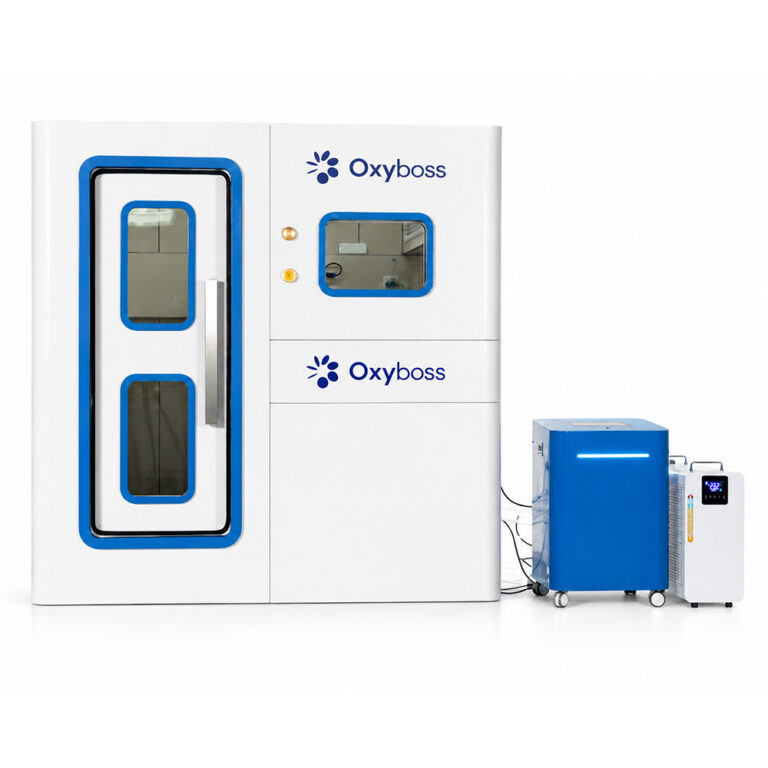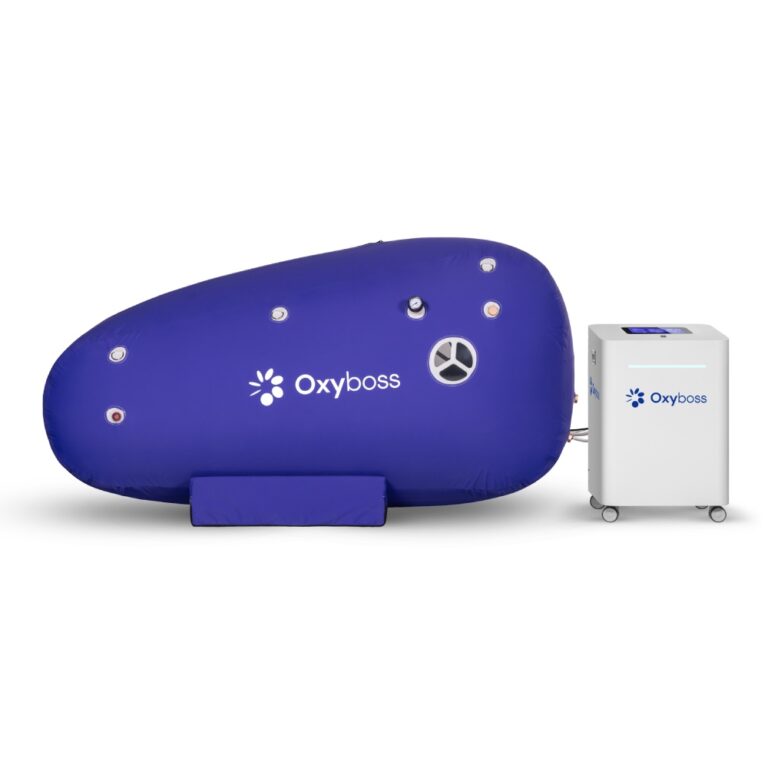
You’ve probably seen one of those futuristic-looking pods on social media — someone lying inside a sealed tube, looking oddly relaxed, breathing oxygen while pressure builds around them. It looks like science fiction. It’s not. It’s a hyperbaric chamber, and it’s been around a lot longer than your feed would suggest.
But what do people actually use them for? That answer has gotten wider over the last decade. And maybe a bit messier too, which is worth talking about honestly.
How a Hyperbaric Chamber Works: Pressure, Oxygen, and Your Body
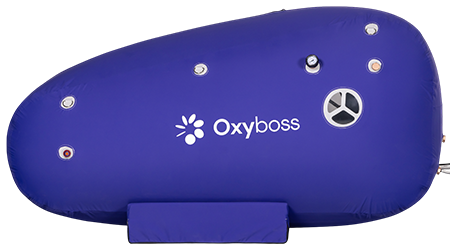
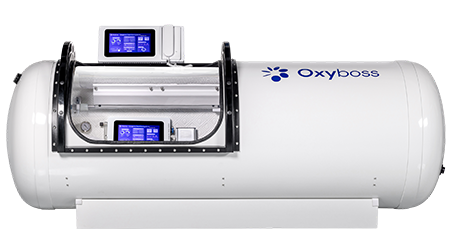
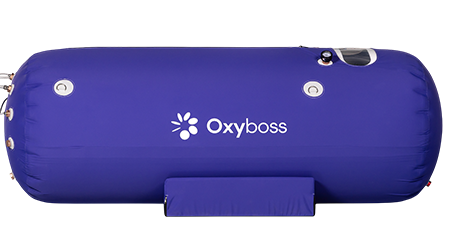
A hyperbaric chamber is a sealed vessel — sometimes rigid, sometimes soft-sided and inflatable — designed to hold a person inside an environment where air pressure is raised above normal atmospheric levels. You breathe oxygen-rich air as you rest inside a pressurized enclosure.
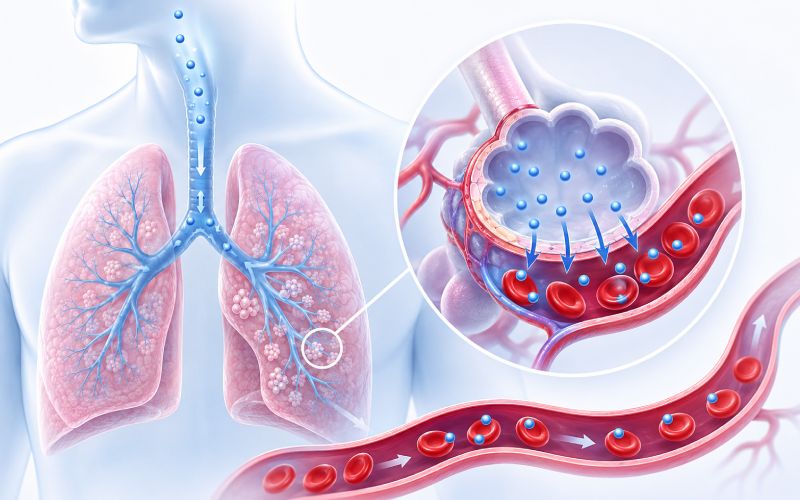
The air we breathe every day is about 21% oxygen. Inside the chamber, oxygen concentration goes up. The combination of higher pressure and richer oxygen helps your lungs draw in more oxygen per breath, and your body dissolves more of it into your bloodstream — a basic principle described by Henry’s Law [1].
That’s the entire premise. More pressure. More oxygen. Deeper saturation into your body.
Nothing about this is new. Pressurized oxygen environments were first explored in the early 20th century, and adoption grew in the 1940s when the Navy used them for deep-sea divers dealing with decompression sickness. Since then, applications have slowly — sometimes stubbornly — expanded.
Types of Hyperbaric Chambers: Hard-Shell vs. Mild Soft-Shell
Not all hyperbaric chambers work at the same pressure level, and this distinction matters more than most people realize. There’s a meaningful split.
Hard-shell chambers are rigid, professional-grade units that can reach pressures up to 3.0 ATA (atmospheres absolute) with 100% pure oxygen. These are the systems used in formal research settings and supervised facilities.
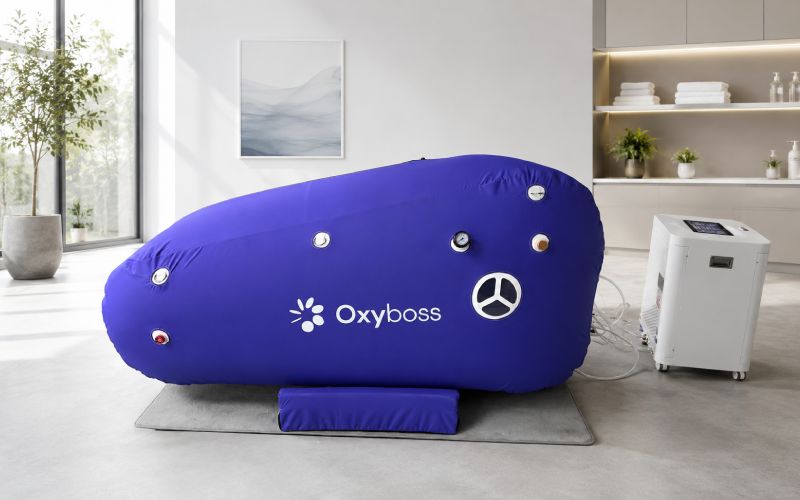
Soft-shell (mild) chambers are portable, inflatable units designed for personal or commercial wellness use. They typically operate around 1.3 ATA with enriched air — not pure oxygen. They represent a more accessible, lower-intensity option.
Here’s a quick comparison:
| Feature | Hard-Shell Chamber | Soft-Shell (Mild) Chamber |
| Pressure Range | 1.5–3.0 ATA | 1.3–1.5 ATA |
| Oxygen Purity | Up to 100% | Enriched air (24–95%) |
| Construction | Rigid metal or acrylic | Inflatable fabric |
| Typical Setting | Specialized facility | Home, wellness center, gym |
| Session Length | 90–150 minutes | 60–90 minutes |
| Portability | Not portable | Lightweight and portable |
| Approximate Cost | $50,000–$100,000+ | $5,000–$20,000 |
| Supervision | Professional oversight required | Can be self-administered with guidance |
Why this distinction matters for everything that follows: Most published research on hyperbaric oxygen was conducted using hard-shell chambers at 1.5 ATA or above with pure oxygen. Results from those studies should not be assumed to apply directly to mild soft-shell chambers operating at lower pressures with enriched air. Whenever I reference specific studies below, I’ll note the type of chamber used so you can judge the relevance for yourself.
What People Actually Use Hyperbaric Chambers For
Athletic Recovery and Mild Soft-Shell Chambers
This is probably where the most noise is right now. Athletes across endurance sports, soccer, basketball, and strength training have adopted hyperbaric sessions as part of their recovery routines.
The logic is straightforward: hard training creates micro-damage in muscles, and the body repairs that damage during rest. Oxygen is a core ingredient in that repair process. A pressurized environment increases the amount of oxygen dissolved in the bloodstream, which in principle gives the body more raw material for its natural repair cycles.
Research on hyperbaric oxygen and sports recovery has shown promising results — but nearly all published studies used hard-shell chambers at pressures of 1.5 ATA or higher [2]. At the mild level (1.3 ATA), the evidence is more limited. Many athletes and active individuals who use mild soft-shell units report feeling less soreness and bouncing back faster between sessions. These are subjective reports, not controlled trial outcomes. That distinction is worth holding on to.
Is there something real happening at 1.3 ATA? Probably. Even mild increases in pressure and oxygen availability can support the body’s natural processes. But the honest answer is that the magnitude of the effect at mild pressures hasn’t been pinned down by rigorous, chamber-specific research yet.
General Wellness, Sleep, and Energy
Outside of sports, many people step into a mild chamber simply because they feel better afterward. Users commonly report improved energy levels, better sleep quality, and a general sense of physical refreshment.
Not everyone gets the same result though — there are also accounts of minimal or no noticeable benefits, which highlights the variability of individual responses. Bodies are different, baselines are different, and expectations shape perception.
Regular home sessions with mild chambers have become popular among people interested in daily wellness support — not as a fix for any specific issue, but as a general practice, similar to how others use saunas, cold plunges, or breathwork.
Longevity Research: Exciting but Not Yet Applicable to Mild Chambers
This is the frontier that gets people genuinely excited — and also where healthy skepticism still has a place.
A 2020 Israeli study reported that a specific hyperbaric oxygen protocol lengthened telomeres by up to 20% and reduced senescent cells by up to 37% in older adults [3]. Those numbers are striking.
However — and this is important — that study used hard-shell chambers at 2.0 ATA with 100% pure oxygen, following a specialized intermittent protocol. These are conditions that a mild soft-shell chamber operating at 1.3 ATA with enriched air simply cannot replicate. The pressure difference alone is significant: 2.0 ATA delivers roughly 50% more pressure than 1.3 ATA.
Does this mean mild chambers have zero relevance to longevity? Not necessarily. The underlying principle — that increased oxygen availability may support cellular function — still holds.
The longevity community has taken notice of hyperbaric oxygen broadly. Biohackers and self-experimenters are integrating mild chambers into routines alongside cold exposure, red light, and other modalities. The interest is genuine. The evidence specific to mild chambers is still catching up.
Skin Health and Collagen Support
Hyperbaric oxygen has been linked to increased collagen synthesis and improved skin appearance in some studies — again, primarily conducted in hard-shell settings at higher pressures [4]. At the mild level, some spa and wellness center clients report improvements in skin texture and glow over weeks of regular use. These reports are anecdotal, and the mechanism at lower pressures hasn’t been isolated in published research.
Mental Clarity and Cognitive Focus
Oxygen matters to the brain — that much is obvious. The brain consumes roughly 20% of the body’s oxygen supply despite being only about 2% of body weight. Increased oxygen availability in a pressurized environment may support cognitive function during and after sessions.
Many people who use chambers regularly say their thinking feels sharper. They describe reduced brain fog, better focus, a kind of quiet alertness. This is individual and subjective, but consistent enough across user reports to be worth noting — while acknowledging it doesn’t yet have robust mild-chamber-specific data behind it.

What Happens During a Mild Hyperbaric Session?
It’s simpler than it looks from the outside.
You get inside the chamber, lying down or sitting depending on the model. The chamber seals, pressure slowly builds, and your ears may feel clogged or pop, similar to what happens during airplane descent. Yawning, swallowing, or sipping water usually helps.
After that, you just breathe. Read, listen to a podcast, or nap. Sessions typically last 60–90 minutes. When the session ends, pressure gradually lowers and you step out. Some people feel relaxed afterward. Others feel alert and energized.
Side Effects and Safety Considerations for Hyperbaric Chambers
Possible side effects include ear pressure or discomfort, mild sinus congestion, and temporary lightheadedness. At mild pressures (1.3 ATA), these are generally infrequent and minor. Oxygen toxicity — a real concern at higher pressures — is extremely unlikely in mild chambers but is worth understanding as a concept [5].
People with recent ear injuries, active respiratory infections, or certain other concerns should speak with a qualified professional before using any hyperbaric chamber. High concentrations of oxygen also carry fire risk, so electronics, cosmetics, and flammable materials should never be brought inside a chamber.
One more thing that matters: consistency. Sessions are cumulative, and many regular users describe noticeable changes emerging over weeks or months of repeated use — commonly in the range of 40–60 sessions.
Who Benefits Most from a Mild Hyperbaric Chamber?
A mild chamber is most commonly used by athletes, active individuals, wellness-focused users, longevity enthusiasts, people in high-demand roles, and spa, gym, or wellness center owners looking to expand service offerings.
It works best as one component within a balanced routine. Pair it with adequate rest, hydration, movement, and other good habits. It’s a tool — not a standalone solution.
Frequently Asked Questions
How long does a typical session last?
Mild soft-shell sessions usually run 60–90 minutes. Hard-shell sessions in professional settings may last 90–150 minutes.
Can healthy people use a mild hyperbaric chamber?
Yes. For healthy individuals, mild chambers at 1.3 ATA generally carry minimal risk when used according to manufacturer guidelines and with basic safety precautions.
Will I feel claustrophobic inside?
Some people worry about this. Most modern soft-shell chambers include visibility panels and enough room to sit up or shift positions. Many users report that any initial unease fades within the first few minutes.
How often should I use a chamber?
It depends on your goals. Some athletes use one 3–4 times per week. For general wellness, 1–2 sessions per week is common. Noticeable changes typically appear after several weeks of consistent use.
Is it the same as breathing from an oxygen concentrator at sea level?
No. The pressure component is what makes hyperbaric oxygen distinct. Under increased atmospheric pressure, the amount of oxygen that dissolves into your bloodstream rises significantly — beyond what an oxygen mask at normal pressure can achieve [1]. The two are not interchangeable.
Can I use a mild chamber at home?
Yes. Soft-shell chambers are specifically designed for home use. They’re portable, require no special installation, and can be operated independently after proper instruction. They run at mild pressures (around 1.3 ATA) with enriched air.
Are there people who shouldn’t use one?
People with recent ear procedures, active respiratory infections, or certain other considerations should consult a qualified professional first. When in doubt, ask before you start.
An Honest Summary
A mild hyperbaric chamber doesn’t promise transformation overnight, and anyone who claims otherwise isn’t being straight with you. What it does — at a basic, physical level — is push more oxygen into your body than normal breathing allows. Even at mild pressures, that’s a real physiological event.
What your body does with that extra oxygen depends on who you are, how consistently you show up, and what you realistically expect.
The big-headline research — telomere lengthening, dramatic recovery percentages — comes from hard-shell chambers at pressures and oxygen levels that mild units don’t reach. Mild chambers offer a gentler, more accessible version of the same core principle. For many people, that’s enough to notice a difference. For others, it isn’t. Both outcomes are valid.
That’s an honest answer. And probably the most useful one.
References
- Henry’s Law and dissolved gas physiology as applied to hyperbaric environments. Undersea & Hyperbaric Medical Society. https://www.uhms.org
- Barata, P., Cervaens, M., Resende, R., Camacho, O., & Marques, F. (2011). Hyperbaric oxygen effects on sports injuries. Therapeutic Advances in Musculoskeletal Disease, 3(2), 111–121. https://pmc.ncbi.nlm.nih.gov/articles/PMC3382683/
- Hachmo, Y., Hadanny, A., Abu Hamed, R., Daniel-Kotovsky, M., Catalogna, M., Fishlev, G., Lang, E., Polak, N., Doenyas, K., Friedman, M., Zemel, Y., Bechor, Y., Efrati, S. (2020). Hyperbaric oxygen therapy increases telomere length and decreases immunosenescence in isolated blood cells. Aging, 12(22), 22445–22456. https://doi.org/10.18632/aging.202188
- Kahle, A.C., & Cooper, J.S. (2023). Hyperbaric Physiological and Pharmacological Effects of Gases. StatPearls. https://www.ncbi.nlm.nih.gov/books/NBK470481/
- U.S. Food and Drug Administration. (2021). Hyperbaric Oxygen Therapy: Don’t Be Misled. https://www.fda.gov/consumers/consumer-updates/hyperbaric-oxygen-therapy-dont-be-misled