Search “hyperbaric chamber autism” and you get two extremes. Miracle stories on one side, blanket dismissals on the other. Neither helps a family trying to make a calm, informed choice. This piece walks the middle: what autism is, why certain biology keeps showing up in the research, why oxygen-under-pressure got studied at all, and what the better studies actually reported.
Nothing here is a health claim, and none of the research below should be read as a promise about outcomes. It’s context, not advice. Decisions about a child on the spectrum belong with your family and a qualified professional.
What autism is
Autism, or autism spectrum disorder, is a neurodevelopmental condition. It is characterized by impairments in social communication, repetitive behaviors, restricted interests, and hyperesthesia or hypesthesia, caused by genetic and/or environmental factors. [1]
“Spectrum” is the operative word. Two autistic people can look almost nothing alike day to day. And the cause isn’t a single switch. The etiology of ASD is not currently known, which may in part explain why numerous widely divergent approaches are in regular use. [2] That uncertainty is exactly the soil where unproven ideas grow, which is why sorting signal from noise matters so much here.
Why researchers keep circling the same biology
When scientists look at the brains and bodies of autistic individuals, a handful of patterns show up often enough to draw attention. A frequently cited summary lists them together: studies of autistic individuals have revealed evidence of cerebral hypoperfusion, neuroinflammation and gastrointestinal inflammation, immune dysregulation, oxidative stress, relative mitochondrial dysfunction, neurotransmitter abnormalities, impaired detoxification, dysbiosis, and impaired production of porphyrins. [3]
That’s a long list. In plain language, it’s a mix of reduced blood flow to certain brain regions, low-grade inflammation, cell-level stress, and gut and immune irregularities. Two items on the list get most of the research energy, so it’s worth slowing down on those.
Oxidative stress, and why it comes up so often
Think of oxidative stress as a rust problem inside cells. The oxidative stress mechanism relates to an imbalance between reactive free radical molecules that can damage cells and the antioxidant systems of the organism. [4] The reason it keeps surfacing in autism research: children with ASD are found to have greater levels of oxidative stress markers, such as lipid and DNA damage biomarkers, when compared with neurotypical individuals, signifying a more prone state to neurodevelopmental complications. [4]
Reduced blood flow to specific brain areas
The second recurring theme is cerebral hypoperfusion — less blood reaching parts of the brain than you’d expect. Neuroimaging studies consistently report hypoperfusion in key areas such as the prefrontal cortex and anterior cingulate cortex, regions associated with executive function and social cognition. [5] What makes researchers pay attention is that the pattern isn’t random. Cerebral hypoperfusion in autistic children has been correlated with repetitive, self-stimulatory and stereotypical behaviors, and impairments in communication, sensory perception, and social interaction. [3]
Inflammation ties these threads together. In recent years, inflammation and oxidative stress have both been implicated in the pathophysiology of ASD. [1] Worth stressing hard: these are correlations and working hypotheses under active study, not a settled recipe for what autism “is.”
Why oxygen-under-pressure got studied at all
Here’s the logic that put hyperbaric chambers on researchers’ radar. If reduced blood flow and oxidative stress and inflammation keep appearing, and if a chamber can nudge those same variables, then somebody was always going to test it.
The proposed mechanism goes like this: HBOT has been shown to increase oxygen delivery to hypoperfused or hypoxic tissues, decrease inflammation and oxidative stress, and increase certain protective factors. [3] In plain terms — raise the pressure, push more oxygen into circulation, and in theory reach tissue that a sluggish blood supply underserves.
There’s an obvious tension, though, and the honest sources name it. Oxygen at pressure doesn’t only calm oxidative stress. It is suggested that HBO increases the production of reactive oxygen species. [6] So the same intervention floated as an antioxidant idea can also generate the very free radicals that oxidative-stress research worries about. A theory being plausible on paper is not the same as it working. Which brings us to the actual tests.
What the clinical research actually found
This is the part the miracle-story pages skip.
The most rigorous trial used mild pressure — and found nothing significant
The trial that generated early excitement was run at the low end of the pressure scale. This randomized double-blind placebo-controlled trial compared a chamber delivering 24% oxygen at 1.3 atmospheric pressure with a placebo condition in children with autistic disorder. [2] Its result was not the headline people hoped for. The study found no significant beneficial effect on ASD symptoms, and its experimental design was of higher rigor than previous studies that had suggested benefit. [2]
The most careful synthesis reached the same place
Pooling the evidence didn’t change the picture. A 2016 Cochrane review searched the literature and included one trial with a total of 60 children with a diagnosis of ASD who randomly received hyperbaric oxygen or a sham condition. [7] Its bottom line was flat: study authors reported no improvement in social interaction and communication, behavioral problems, communication and linguistic abilities, or cognitive function. [7]
Earlier reviews had already flagged the pattern. One noted that while some uncontrolled and controlled studies suggested effectiveness, these promising effects were not replicated, so sham-controlled studies with rigorous methodology are still required. [6] Another, reviewing the strongest available evidence, put it bluntly: the evidence is weak, with only one, likely flawed, randomized study showing benefit. [8]
A view organized by pressure and by how well each study was designed
Two variables decide how much a hyperbaric study is worth taking seriously: the pressure and oxygen level used, and whether it was blinded with a sham control. Sorting the evidence along both axes at once makes the pattern obvious in a way a single list can’t.
| Pressure / oxygen level | Study design | What it reported |
|---|---|---|
| Mild, ~1.3 ATA, ~24% O₂ | Blinded, placebo-controlled RCT (2009) | No significant beneficial effect on ASD symptoms [2] |
| Mixed (pooled trial) | Cochrane review of 1 RCT, 60 children (2016) | No improvement across communication, behavior, or cognition [7] |
| Mixed | Systematic review, 2 blinded RCTs (2012) | Early positive effects not replicated in controlled work [6] |
| Higher-parameter clinical | Highest-quality studies appraised | Evidence weak; one likely-flawed positive study [8] |
| Mixed | Meta-analysis (2025) | Further high-quality studies still required [9] |
The takeaway from the right-hand column is consistent: the tighter the design, the smaller the effect. That’s usually a sign the earlier enthusiasm owed more to expectation than to the chamber.
Could it touch any of the studied functions?
Fairly, not every study lands in the same spot, and it would be dishonest to pretend otherwise.
A few reviews describe more encouraging readings of the physiology. One earlier appraisal reviewed publications on the physiological and clinical effects and found that HBOT can improve the clinical presentation of autism. [9] There’s also mechanistic work suggesting oxygen at pressure does more than deliver gas: HBOT, in addition to increasing oxygen supply to the brain, also promotes neural stem cell proliferation and differentiation into neurons and oligodendrocytes. [8] And a small combination study reported a stronger effect when paired with another approach than either produced alone. [8]
Set that against the weight of the controlled evidence and the same pattern reappears: the louder positive results tend to come from designs without blinding or sham controls.
Why the soft-shell versus hard-shell distinction settles the question
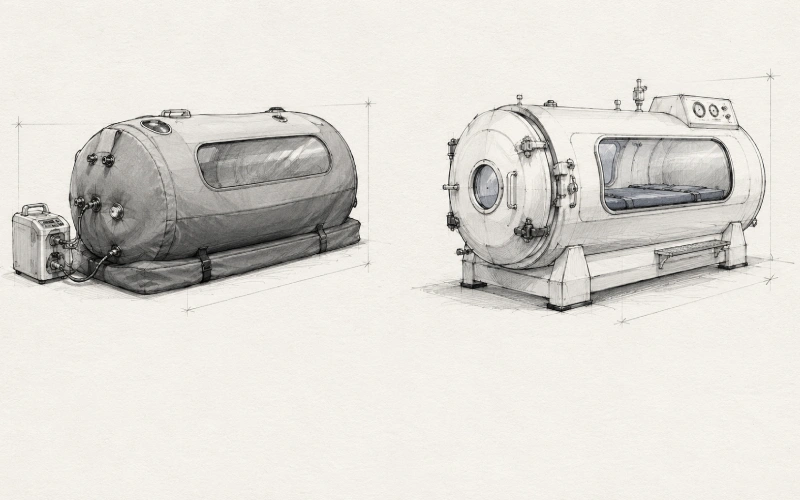
Here’s the point that ties everything together, and most pages miss it. The studies above weren’t all run in the same kind of chamber. Some used higher-parameter clinical setups; the most rigorous negative trial used mild pressure at 1.3 ATA. That difference matters for what a home buyer should conclude.
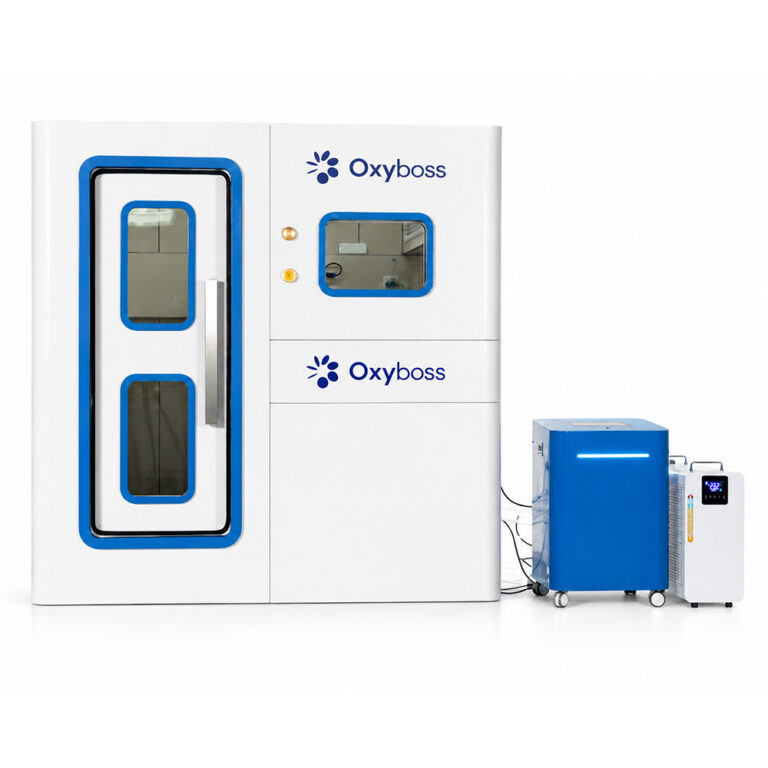
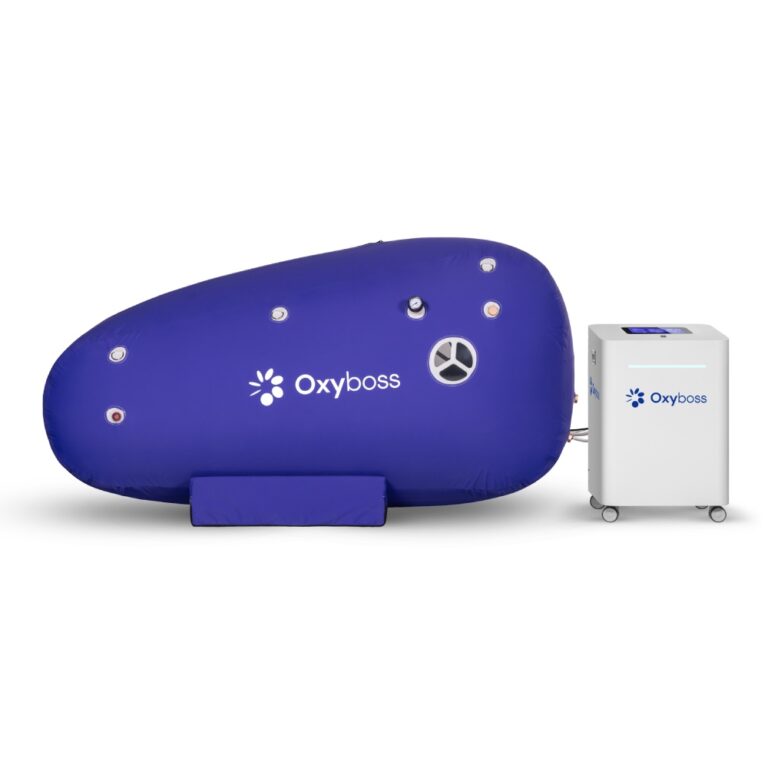
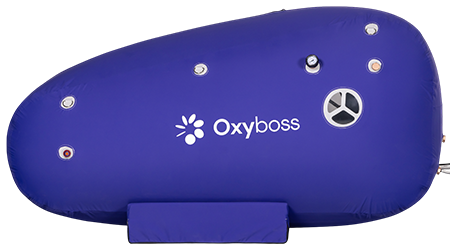
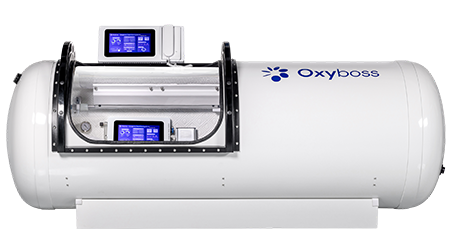
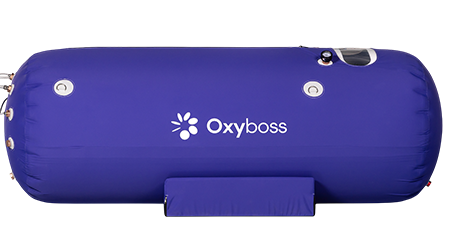
A home soft-shell chamber sits at the low end — the mild range, around 1.3 to 1.5 ATA, breathing something close to room air. Clinical hard-shell hyperbaric setups go well beyond that, to 2.0 ATA and higher, with far greater oxygen concentration. The logic then follows cleanly. If the higher-parameter clinical setups haven’t shown a dependable benefit for autism, and the mild 1.3 ATA trial specifically found no significant effect, then a home soft-shell chamber — which delivers less pressure and oxygen than either — has even less reason to be treated as anything more than comfort and wellness equipment. Lower dose, weaker case. There’s no version of this math that turns a mild home chamber into a solution.
Where the current evidence runs out
Every honest review lands on the same wall: not enough good data.
The recurring problems are small numbers, weak designs, and short follow-up. The Cochrane authors noted selection bias and short duration or follow-up alongside the tiny sample. [7] Their entire conclusion rested on a single 60-child trial. [7] The most recent meta-analysis, published in 2025, ends where all the others do: future rigorously designed, high-quality studies are required to confirm efficacy and establish standard protocols. [9]
Safety-wise, the chambers themselves are generally described as low-risk, with one well-documented nuisance. HBO is a safe intervention, and middle ear barotrauma is one of its common adverse effects. [6] That’s the ear-pressure feeling you get on a descending flight, and it’s the thing to watch for with a child who can’t easily say a space feels uncomfortable.
The takeaway
Put it all together and the story is coherent, if unsatisfying to anyone wanting a clean answer. The biology that draws researchers to oxygen ideas is real and repeatedly observed. The theory linking a chamber to that biology is coherent. But when the theory met blinded, controlled tests, the strongest evidence didn’t show the improvements the theory predicted — and the field still openly calls for better studies. Layer on the dose logic, where even higher-parameter clinical setups came up short, and a mild home chamber has the weakest case of all.
So a soft-shell chamber is reasonably viewed as what it is: wellness and comfort equipment some families choose to try, not something the evidence supports as a fix for anything. Approach it as a calm, low-pressure routine with grounded expectations and you’re reading the science correctly. If a source promises transformation, it’s ahead of the evidence, full stop.
FAQ
What’s the difference between a mild home chamber and a clinical one? Pressure and oxygen level. A home soft-shell chamber runs in the mild range, roughly 1.3 to 1.5 ATA near room air. Clinical hard-shell setups reach 2.0 ATA and beyond with much higher oxygen. The mild home version delivers the lowest dose of the two.
Did the good studies show it helps autism? No. The most rigorous mild-pressure trial, run at 1.3 ATA, found no significant beneficial effect on ASD symptoms, [2] and the Cochrane review reported no improvement in communication, behavior, or cognition. [7]
If clinical chambers didn’t help, what about a milder home one? Logically, a milder chamber has an even weaker case. It delivers less pressure and oxygen than the clinical setups that already failed to show dependable benefit, which is why it’s best viewed as comfort and wellness gear rather than anything more.
What biological patterns pointed researchers toward oxygen in the first place? Two mainly. Neuroimaging consistently reports reduced blood flow in regions such as the prefrontal and anterior cingulate cortex, [5] and children with ASD show higher levels of oxidative stress markers than neurotypical individuals. [4] Oxygen under pressure affects both variables, [3] which is what prompted testing — overlap on paper, not proof in practice.
Is a soft-shell chamber risky? Generally described as low-risk. The most common adverse effect is middle ear barotrauma [6] — the ear-pressure sensation, like a plane’s descent. It usually eases with swallowing or yawning.
What’s a sensible way to think about buying one? As comfort and wellness gear, not a solution. Keep expectations modest, follow the manufacturer’s pressure guidance, and for a child who may struggle in enclosed spaces, a trial before purchase is the lower-risk path.
References
- Neuroinflammation and Oxidative Stress in the Pathogenesis of Autism Spectrum Disorder. Int. J. Mol. Sci., 2023. https://www.ncbi.nlm.nih.gov/pmc/articles/PMC10049423/
- Randomized trial of hyperbaric oxygen therapy for children with autism. Research in Autism Spectrum Disorders, 2009. https://www.sciencedirect.com/science/article/pii/S1750946709001007
- Hyperbaric oxygen therapy might improve certain pathophysiological findings in autism. Medical Hypotheses, 2007. https://www.sciencedirect.com/science/article/abs/pii/S0306987706007845
- The Interplay of Oxidative Stress, Mitochondrial Dysfunction, and Neuroinflammation in Autism Spectrum Disorder. NCBI PMC, 2024. https://www.ncbi.nlm.nih.gov/pmc/articles/PMC12384317/
- Cerebral Hypoperfusion in Autism Spectrum Disorder. ResearchGate, 2018. https://www.researchgate.net/publication/322897831_Cerebral_Hypoperfusion_in_Autism_Spectrum_Disorder
- Hyperbaric oxygen therapy for treatment of children with autism: a systematic review of randomized trials. NCBI PMC, 2012. https://www.ncbi.nlm.nih.gov/pmc/articles/PMC3369206/
- Xiong T, et al. Hyperbaric oxygen therapy for people with autism spectrum disorder (ASD). Cochrane Database of Systematic Reviews, 2016. https://www.cochranelibrary.com/cdsr/doi/10.1002/14651858.CD010922.pub2/full
- Hyperbaric oxygen in the treatment of childhood autism: a randomised controlled trial (evidence appraisal). ResearchGate, 2012. https://www.researchgate.net/publication/230871348_Hyperbaric_oxygen_in_the_treatment_of_childhood_autism_a_randomised_controlled_trial
- The effectiveness of hyperbaric oxygen therapy in children and adolescents with autism spectrum disorders: a systematic review and meta-analysis. Pharmacology, Biochemistry and Behavior, 2025. https://www.sciencedirect.com/science/article/abs/pii/S0278584625000119