Lyme is a tick-borne bacterial infection. Lyme disease is caused by the bacterium Borrelia burgdorferi, which is transmitted to humans by infected deer ticks. Early on it often looks like a bad flu. Clinically, Lyme disease presents with dermatologic and/or viral-like signs such as intermittent fever, sweats, chills, malaise, fatigue, and achiness during the acute phase, which can transition to neurologic, cardiac, and/or joint involvement in later stages as the bacteria spread through the bloodstream.
The organism itself is a spiral-shaped spirochete, and it carries a quirk worth filing away for later: it’s fussy about oxygen.
Standard Antibiotic Care for Lyme — What Usually Happens
Conventional care is antibiotics, and timing is everything. The approach depends on the stage and symptoms; it is generally based on antibiotics and, in some cases, non-steroidal anti-inflammatory drugs to help manage pain and inflammation. Caught early, most people do well — the rash and early signs resolve, and early antibiotic care also largely prevents later objective manifestations of the disease.
That’s the part that works. It’s the exceptions that send people searching.
Post-Treatment Lyme Disease Syndrome (PTLDS) — Why Some People Still Feel Off
Here’s the uncomfortable middle. A subset of people finish a full, correct course of antibiotics and still don’t feel right. Infection markers clear. The fatigue, the aches, the mental fog don’t.
There’s a name for it. When symptoms run past six months, the pattern is called post-treatment Lyme disease syndrome (PTLDS), defined by a documented episode of Lyme with later onset of fatigue, widespread musculoskeletal pain, and/or cognitive difficulties that continue or relapse for at least six months and reduce functional ability.
How common? Depends entirely on how you count. Symptom persistence of 14% falls within the 10–20% range of estimated persistent symptom prevalence described in the Lyme literature. A careful cohort put real numbers on it: functionally impairing persistent symptoms occurred in 14% of the early-treated group compared with 4% in the healthy control group. Older cohorts ran higher — a population-based study on Nantucket Island found that 36% of those treated in the late 1980s had ongoing symptoms six years later.
The symptom cluster stays consistent across studies. A recurring set — severe fatigue, brain fog, cognitive decline, memory impairment, joint and muscle pain, limb numbness, headaches, and low-grade fever — gets labeled post-treatment Lyme disease syndrome in the scientific literature and “chronic Lyme disease” in popular media.
And the cause is genuinely unsettled. The prevalence and the underlying pathology of persistent symptoms are not clearly defined and under debate, and consequently uniform guidelines on prevention and management are lacking. That open question is exactly why people start looking sideways. Oxygen included.

How Oxygen and Borrelia burgdorferi Cross Paths
The interest traces back to how Borrelia handles oxygen, which is: badly. It’s a microaerophilic organism — it prefers a narrow low-oxygen band. Lab work found it grows in roughly 4% oxygen but not in strictly aerobic or anaerobic conditions. A lot of oxygen isn’t its happy place.
Its build adds to the story. Unlike many bacteria, B. burgdorferi pulls oxidation-prone polyunsaturated fatty acids from its surroundings into its own membranes, which makes that outer layer a plausible target for reactive oxygen species. The wrapping, in short, isn’t especially rugged against oxidative stress.
A hyperbaric chamber does one thing well — it pushes more oxygen into the body. Raise the surrounding pressure and, by Henry’s law, more oxygen dissolves into blood plasma instead of riding only on red blood cells. That dissolved fraction can reach places regular delivery struggles to serve. You can see how a low-oxygen-loving bug and an oxygen-flooding device ended up in the same sentence.
Reasonable question. Not, by itself, an answer — and the size of the pressure involved matters more than most pages admit. More on that below.
Where the Mechanisms Might Overlap
Line the mechanisms up and three plausible intersections appear. Emphasis on plausible — these are hypotheses from lab science, not confirmed effects in living bodies.
| Proposed mechanism | The reasoning | Honest status |
|---|---|---|
| Unfavorable environment for the organism | A microaerophilic bug placed in a high-oxygen setting is out of its comfort zone | Seen in cultures; not shown to translate to the body |
| Better oxygen reach into tissue | Dissolved plasma oxygen travels where red-cell delivery is limited | Physics is solid; the payoff for lingering symptoms is unproven |
| Membrane vulnerability | The organism’s oxidation-prone outer layer may be a weak point | A lab-level hypothesis, not a real-world finding |
The right-hand column keeps repeating itself for a reason. The gap between “this makes sense in a dish” and “this helps a person” is the whole story, and it’s wide.
The Pressure Gap — Why Home Chambers Aren’t Study Chambers
This is the detail marketing loves to blur, so let’s be blunt with numbers.
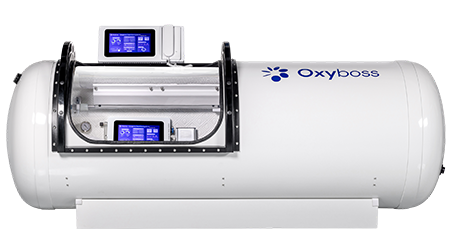
At sea level, breathing normal air, plasma carries almost no dissolved oxygen — hemoglobin does nearly all the hauling. Under higher-pressure conditions with concentrated oxygen, the dissolved fraction climbs sharply. Under typical hyperbaric conditions, the amount of oxygen dissolved in plasma may exceed 10 to 20 times that observed while breathing room air at normal atmospheric pressure. That large jump is what the older research setups were built around: pressures near 2.0–2.4 times atmospheric, paired with high-concentration oxygen.
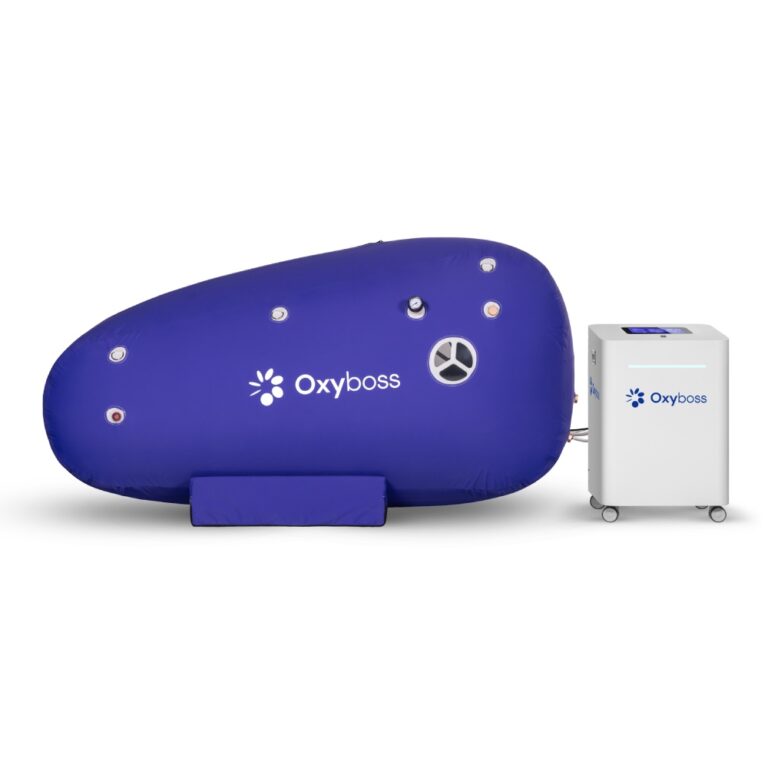
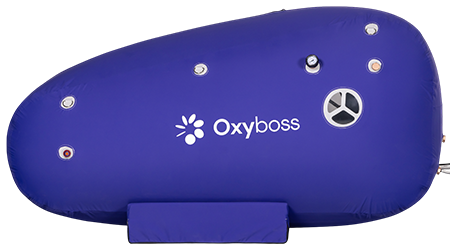
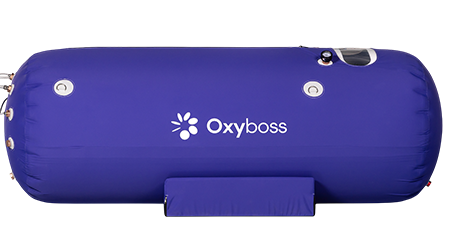
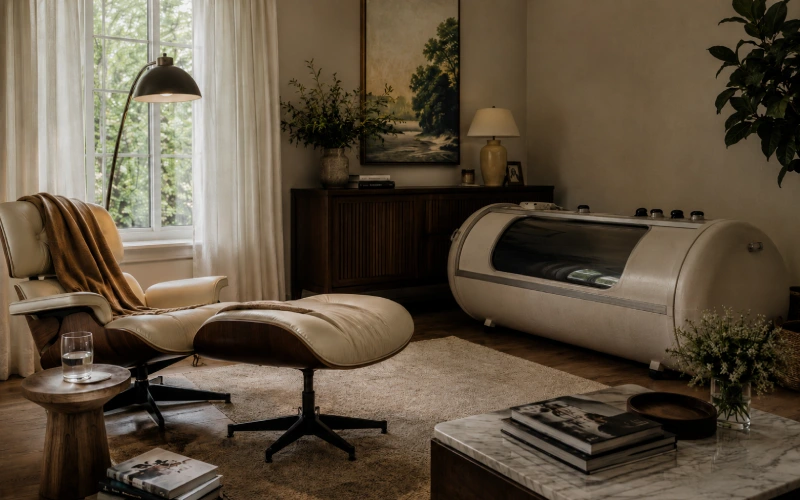
Now the home category. Mild soft-shell units sit far lower — roughly 1.3–1.5 times atmospheric pressure, often with oxygen delivered through a concentrator that enriches the air rather than flooding the space. Same physics, wildly different magnitude. The dissolved-oxygen bump from a gentle home unit is a fraction of what the intensive setups produced. So when someone borrows a study run at high pressure to describe a soft-shell chamber in a spare bedroom, the number doesn’t transfer. Different machine, different physics, different ballpark.
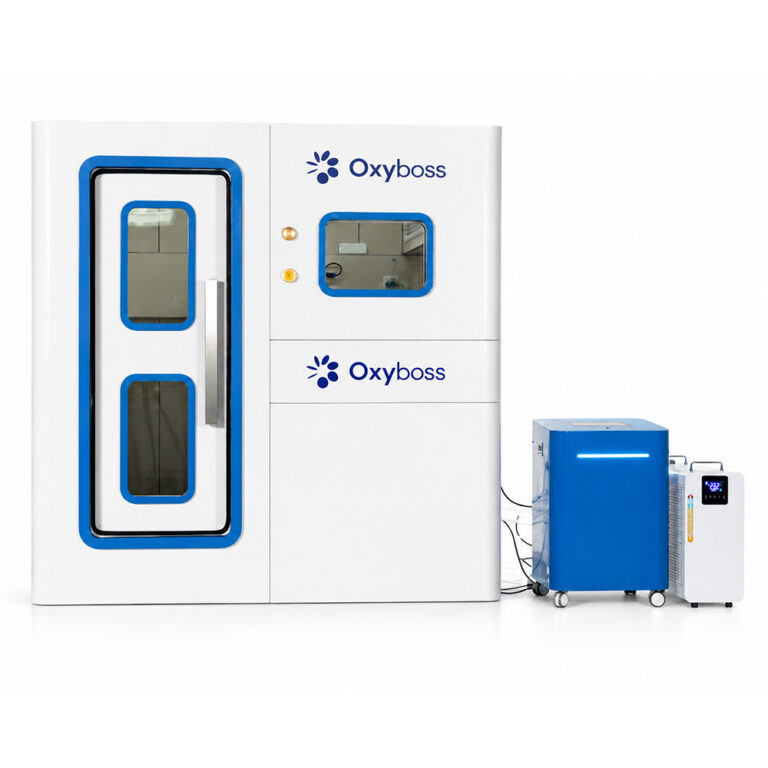
| Feature | Mild (soft-shell, home) | High-pressure (hard-shell, supervised) |
|---|---|---|
| Typical pressure | ~1.3–1.5 ATA | ~2.0–3.0 ATA |
| Oxygen source | Enriched air via concentrator | High-concentration oxygen systems |
| Relative dissolved-O₂ boost | Modest | Substantially larger |
| Setting | Home, independent use | Supervised facilities |
| Honest framing | General wellness routine | Clinical, professionally managed |
The Texas A&M Study — What the Human Research Actually Found
Now the part everyone quotes, usually without the footnotes. The most-cited human work is a pilot effort led by Dr. William P. Fife at Texas A&M University in the late 1990s. Report it plainly.
Researchers worked with 91 people with Lyme at the university’s hyperbaric facility, and 75 completed a course ranging from 40 to 120 sessions. Sessions ran at 2.36 atmospheres absolute for 60 to 90 minutes per day. The headline that travels: eighty-four percent of participants showed significant improvement or elimination of symptoms.
There’s a detail the marketing copy tends to lose. All except one of the participants developed a severe Jarisch-Herxheimer reaction, usually within the first five days — a temporary flare-type response, not a “detox.” It underlines that this was an intense, closely supervised protocol, nothing like a gentle home routine.
A separate set of observations at another hyperbaric center used imaging to track changes. People with neurological Lyme showed improvement and changes on SPECT scans, with reports of reduced seizure activity, better memory, less fatigue, and decreased joint pain, lasting anywhere from three months to six years — with many continuing antibiotics throughout.
Real people, real numbers, reported improvement. That’s the honest positive. Now the honest limits.
What This Evidence Cannot Prove
Quite a lot, actually.
Publication tier. This is the point that rarely gets said out loud. The Fife work circulated largely as pilot/conference-level material rather than a large, indexed, peer-reviewed trial. That’s the weakest rung of the evidence ladder — which matters, because the 84% figure gets quoted online as if it were settled science. It isn’t.
Design. Small, old, and uncontrolled — no sham comparison group. You can’t separate the oxygen from natural recovery, from the antibiotics, or from the simple fact that people who commit to an intensive daily routine tend to expect and report benefit.
Confounding. Most participants stayed on antibiotics during and after the sessions. When two things happen together, neither gets sole credit.
Transfer. The protocol behind those numbers — 2.36 ATA, dozens of supervised sessions, a near-universal flare reaction — has almost nothing in common with a mild soft-shell unit at ~1.3 ATA. Stretching one to describe the other isn’t a small leap. It’s a category error, and the pressure math above is why.
Silence since. No large modern controlled trial has confirmed the early findings for lingering Lyme symptoms. Absence of proof isn’t proof of absence — but it does mean the confident claims online are running well ahead of what anyone has actually shown.
What This Means If You’re Shopping
Strip it down:
The mechanism is genuinely interesting and fair to be curious about. The human evidence is thin, dated, and built on intensive supervised setups at pressures a home unit doesn’t reach. And the problem sending people searching is real — research confirms Lyme can trigger persistent symptoms such as severe fatigue, body pain, and cognitive challenges despite early standard antibiotics.
For a home wellness context, a few anchors:
- Frame it right. A mild home chamber is a wellness device, not a solution to an infection or its aftermath. Treat any source claiming otherwise with suspicion.
- Mind the pressure gap. The quoted results came from high-pressure, supervised sessions. A gentle home unit is a different animal, and it’s dishonest to borrow those numbers for the softer version.
- Get professional input first. Anything tied to a health history — the post-Lyme stretch especially — is a conversation to have with a qualified professional before buying equipment.
- Respect the real risks. For home use, ear barotrauma is the everyday one — pressure discomfort in the middle ear if you don’t equalize by swallowing or yawning. Some people also feel closed-in in a confined chamber. And because many home units enrich the internal air with oxygen, fire caution still applies: no flames, no sparks, follow your unit’s manual.
- Keep it in proportion. If a chamber fits your life, it sits alongside sleep, movement, food, and stress management — the unglamorous basics doing most of the work — not in place of them.
The grown-up position isn’t “miracle” and it isn’t “nonsense.” It’s “interesting idea, incomplete evidence, proceed with clear eyes.”
FAQ
Does a home hyperbaric chamber treat Lyme or its lingering symptoms? No, and describing it that way would be inaccurate. It’s a wellness device. The oxygen-and-Borrelia science is mostly lab-based, and the human research is limited and dated. Talk to a qualified professional about your situation.
Why does oxygen keep coming up with Lyme? Because the organism dislikes oxygen-rich conditions — it’s microaerophilic and does best in a narrow low-oxygen band. That makes the question fair to ask, but a fair question isn’t a proven result.
What did Dr. Fife’s Texas A&M study actually show? Eighty-four percent of participants showed significant improvement or elimination of symptoms, though all except one developed a severe Jarisch-Herxheimer reaction, usually within the first five days. It was small, uncontrolled, and circulated mainly as pilot-level material rather than a large peer-reviewed trial — and it used intensive supervised sessions, nothing like a home routine.
Are today’s home chambers the same as the ones in that study? No. The studied protocol used ~2.36 ATA under supervision. Mild home units run near 1.3–1.5 ATA with enriched air, producing a far smaller dissolved-oxygen boost. Borrowing the study’s numbers for a home unit isn’t honest.
How common are lingering symptoms after standard care? It varies with how it’s measured — estimates generally fall in a 10–20% range in the literature, with some older cohorts reporting higher figures over longer follow-up.
Is a home chamber safe to use? It can be if you respect the basics. The everyday risk is ear pressure discomfort, so equalize rather than push through it; some people also feel confined. Fire caution applies too, since many units enrich the internal air with oxygen. Follow your unit’s manual and get professional clearance before starting.
References
- Lyme disease overview and transmission. https://www.hyperbariccentral.com/hyperbaric-research/hyperbaric-therapy-helps-lyme-disease
- Clinical presentation and stages of Lyme disease — NCBI PMC. https://www.ncbi.nlm.nih.gov/pmc/articles/PMC7052487/
- Standard antibiotic approach and stage-based care. https://hyperbarium.com/en/blog/hyperbaric-oxygen-therapy-in-the-treatment-of-lyme-disease
- Case definition of PTLDS and persistent symptoms — NCBI PMC. https://www.ncbi.nlm.nih.gov/pmc/articles/PMC3548099/
- Persistent symptom prevalence, 10–20% range — Johns Hopkins Lyme Disease Research Center. https://www.hopkinslyme.org/news/risk-of-post-treatment-lyme-disease-in-patients-with-early-diagnosed-and-promptly-treated-lyme-disease-a-prospective-cohort-study/
- Nantucket cohort and long-term symptom persistence — NCBI PMC. https://www.ncbi.nlm.nih.gov/pmc/articles/PMC7052487/
- PTLDS symptom cluster and terminology — NCBI PMC. https://www.ncbi.nlm.nih.gov/pmc/articles/PMC12476892/
- Debated prevalence and pathology of persistent symptoms — LymeProspect protocol, NCBI PMC. https://www.ncbi.nlm.nih.gov/pmc/articles/PMC6466793/
- Borrelia oxygen requirements and membrane susceptibility — NCBI PMC. https://www.ncbi.nlm.nih.gov/pmc/articles/PMC2327290/
- Henry’s law and dissolved plasma oxygen — StatPearls, NCBI Bookshelf. https://www.ncbi.nlm.nih.gov/books/NBK470481/
- Fife Texas A&M study, protocol and outcomes. https://www.aaltohyperbaric.com/hbot-for-chronic-lyme-disease/
- Study sessions, pressure, and Herxheimer reaction — Fife, “Hyperbaric Oxygenation for Lyme Vasculitis.” https://www.hyperbaricmedicalsolutions.com/hubfs/Research/Lyme/Hyperbaric-Oxygenation-for-Lyme-Vasculitis.pdf
- SPECT observations and reported symptom changes. https://hyperbaricstudies.com/hyperbaric-therapy-for-lyme-disease-vasculitis/
- Prevalence of persistent symptoms after Lyme borreliosis — The Lancet Regional Health – Europe. https://www.thelancet.com/journals/lanepe/article/PIIS2666-7762(21)00119-8/fulltext