
You (or someone you care about) may have a fracture that isn’t healing the way everyone hoped. Before you spend money on any chamber—especially a home unit—it’s worth knowing what the science actually supports, where you need a doctor, and what a non-medical chamber can and cannot do.
How Oxygen Might Help Bones (The Theory Part)
When a bone breaks, your body kicks off a repair process that needs a few things to work: new blood vessels, bone-building cells (osteoblasts), collagen scaffolding, and enough oxygen to keep it all running.
Hyperbaric oxygen therapy (HBOT)—breathing high-concentration oxygen in a pressurized chamber—pushes more oxygen into your blood and tissues. In lab studies and animal models, researchers have seen this trigger some helpful responses:
- Blood vessel growth (angiogenesis): More oxygen can signal your body to grow new capillaries into the fracture site.
- Osteoblast activity: Bone-building cells seem to work better when oxygen levels are higher.
- Growth factors: HBOT may boost proteins like VEGF and bFGF that support tissue repair.
- Fighting infection: Extra oxygen can slow down certain bacteria that thrive in low-oxygen environments—helpful if an infection is complicating the fracture.
All of that sounds promising. But here’s the thing: mechanisms aren’t the same as outcomes. Just because oxygen does something useful in a dish or in a mouse doesn’t automatically mean it makes a meaningful difference in a person’s broken bone.

What the Clinical Evidence Actually Shows
For Routine, Uncomplicated Fractures: No High-Quality Evidence
The most recent Cochrane systematic review (2022) on HBOT for fracture healing and non-union found zero randomized controlled trials (RCTs) that met their quality criteria [1]. Zero. That’s not a small number when you’re considering spending thousands of dollars.
To be fair, there is one small RCT on acute long-bone fractures that didn’t show any meaningful benefit either—differences in healing weren’t statistically significant [1].
So if your bone broke normally and is healing normally, there’s currently no high-quality evidence that a hyperbaric chamber—medical or otherwise—will speed things up. Don’t let anyone tell you otherwise.
Where HBOT Does Have Real Evidence (Medical Settings)
Now here’s where it gets more nuanced. For certain specific medical conditions, hyperbaric oxygen therapy has solid backing as an adjunct (meaning it adds to—not replaces—standard medical care) [2]:
| Condition | What the evidence says |
|---|---|
| Chronic refractory osteomyelitis | A long-standing bone infection that hasn’t responded to surgery and antibiotics. A systematic review of 45 studies found about 73.5% of patients had successful outcomes when HBOT was added to conventional treatment [8]. Still mostly observational data—but for a condition with few other options, it’s meaningful. |
| Osteoradionecrosis | Bone damage from radiation therapy (usually head and neck cancer). Evidence is mixed, but HBOT is widely used alongside surgery. A Cochrane review found “low-certainty evidence” of benefit [11]. |
| Crush injuries / acute traumatic ischemia | Severe injuries where blood flow is compromised. A 2013 Cochrane review found better wound healing and less tissue necrosis with HBOT added [16]. |
| Compromised grafts and flaps | Reconstructive surgery where tissue is struggling to survive. Evidence is limited but promising—particularly for salvaging tissue that’s failing [7]. |
Notice the pattern: every one of these involves tissue that’s hypoxic, infected, irradiated, or ischemic. These are exactly the conditions where getting more oxygen into the tissue makes biological sense—and where the research has actually been done.
The key insight: It’s not really about “bone healing” in general. It’s about hypoxic tissue healing. If your fracture is well-vascularized and healing normally, extra oxygen probably won’t change the equation. If your bone is in a poorly oxygenated, infected, or radiation-damaged area—that’s a different story, and a story for your doctor, not your home chamber.

Medical Chambers vs. Non-Medical (Mild) Chambers: Know the Difference
This matters more than almost anything else in this article.
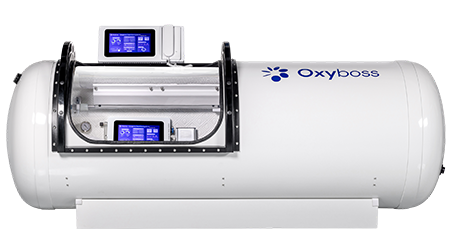
Medical-grade hyperbaric chambers are FDA-cleared medical devices [18]. They typically operate at 1.9–3.0 ATA (atmospheres absolute, meaning the air pressure inside the chamber), deliver near-100% oxygen, and are used in hospitals or accredited facilities under physician supervision. Treatment for the conditions listed above usually involves 20–60 sessions, each lasting 90–120 minutes [2].
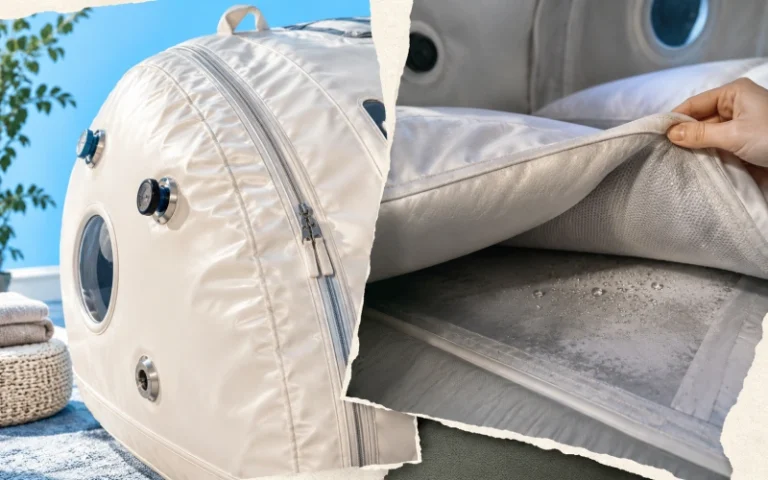
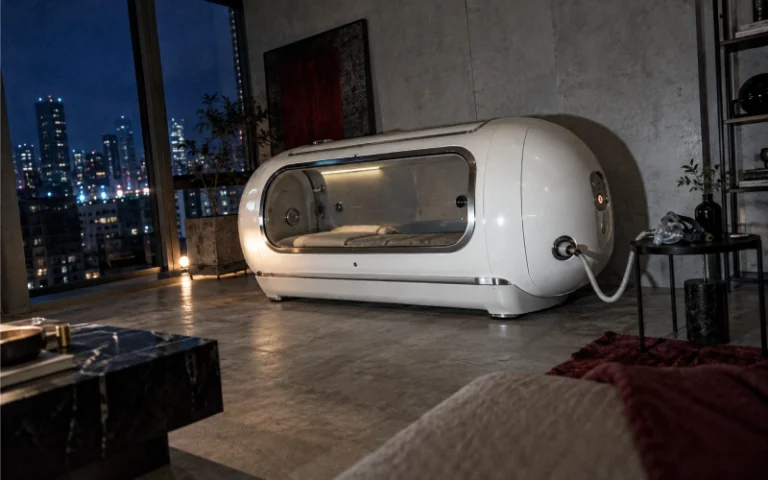
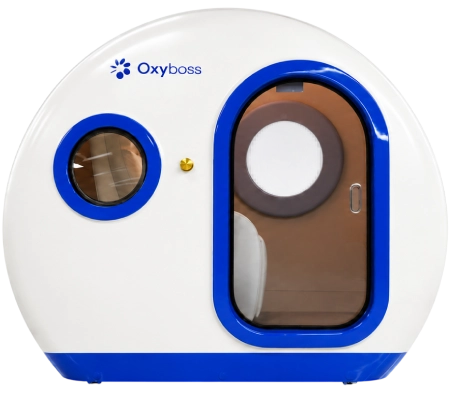
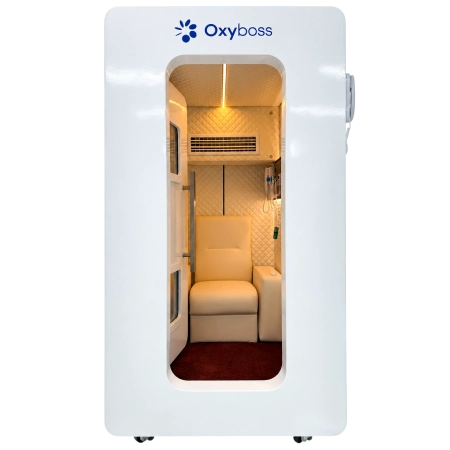
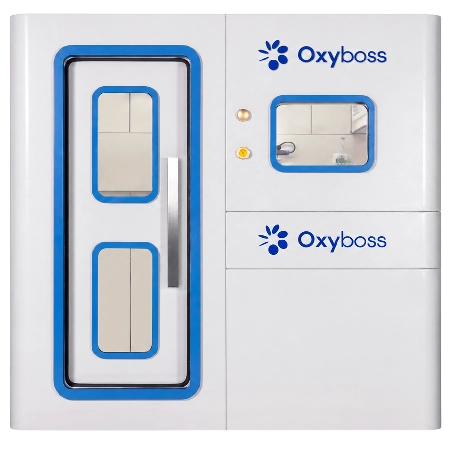
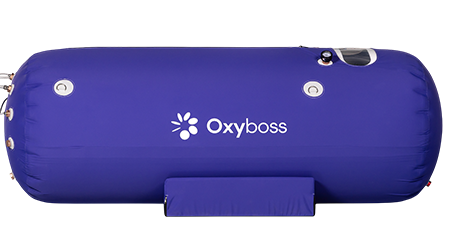
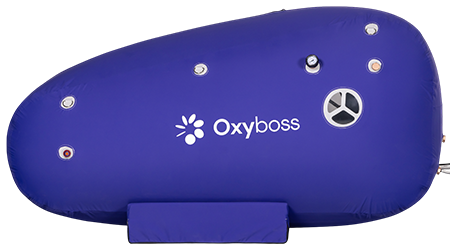
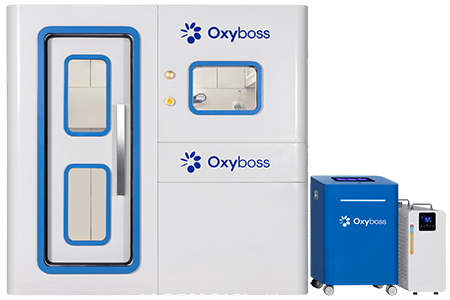
Non-medical (“mild”) hyperbaric chambers, the kind you can buy for home use, are different:
| Feature | Medical Chamber | Non-Medical (Mild) Chamber |
|---|---|---|
| Typical pressure | 1.9–3.0 ATA | Usually 1.1–1.5 ATA |
| Oxygen concentration | ~95–100% (via mask/hood) | Ambient air (about 21% oxygen) at modest pressure |
| FDA status | Cleared for specific indications | Not cleared for treating any medical condition |
| Supervision | Physician-supervised, accredited facility | Self-operated at home |
| Typical cost per session | $250–$600+ (in clinic) | One-time purchase (often $5,000–$20,000+) |
| Evidence base for bone healing | Limited but exists for specific conditions | No clinical evidence for bone healing |
A mild home chamber pressurizes you a little, but it’s basically breathing slightly compressed regular air—not the same therapy at all [18]. That’s why no legitimate source recommends them for fracture healing.
Bone Injuries That Need a Doctor—Not a Home Chamber
Let’s be really direct about this: some bone situations are medical emergencies or require interventions no home chamber can provide. If any of these apply to you, skip the chamber and see a clinician:
- Any suspected fracture that hasn’t been X-rayed or evaluated
- Open fractures (bone poking through skin)—these need surgical cleaning and antibiotics immediately
- Signs of infection: redness, warmth, pus, fever, or increasing pain around a fracture site
- Non-union (a fracture that hasn’t healed after 6+ months)—this may require bone stimulation, grafting, or surgery, not oxygen
- Compartment syndrome: severe pain, numbness, tingling, or pale skin after an injury—this is a surgical emergency
- Osteomyelitis (bone infection): needs culture-directed antibiotics and often surgical debridement
- Osteoradionecrosis: radiation-damaged bone requires specialized oral/maxillofacial or oncology care
- Compromised grafts or flaps from reconstructive surgery
- Any fracture involving a joint surface (intra-articular fractures)—alignment matters enormously for long-term function
A home chamber doesn’t fix infections. It doesn’t stabilize fractures. It can’t realign bones or fill bone gaps. It’s a tool with very limited—and currently unproven—applications for bone healing specifically [1].
If your doctor has cleared you and your fracture is healing normally, a home chamber is unlikely to help. If your doctor hasn’t cleared you, that’s your first step, not your last.
FAQ: Hyperbaric Chamber and Bone Healing
Can a home hyperbaric chamber help my broken bone heal faster?
Based on current evidence, no. The 2022 Cochrane review found no eligible RCTs supporting HBOT for routine fracture healing [1]. A mild home chamber operates at much lower pressure than medical HBOT and has no demonstrated benefit for fractures.
What about non-union (bones that won’t heal)?
Non-union is more complex than “slow healing.” It usually requires orthopedic intervention—sometimes bone grafts, electrical bone stimulation, or surgery to address mechanical instability. HBOT has been tried as an adjunct in medical settings, but evidence for isolated aseptic non-union is weak [1]. See an orthopedic specialist, not a chamber vendor.
Is hyperbaric oxygen therapy ever proven to help with bones?
Yes, but only for specific medical conditions treated in clinical settings: chronic refractory osteomyelitis, osteoradionecrosis, severe crush injuries, and compromised grafts/flaps [2]. These require medical-grade chambers (1.9–3.0 ATA with near-100% oxygen) under physician supervision.
What’s the difference between a mild home chamber and a medical hyperbaric chamber?
Medical chambers reach 1.9–3.0 ATA, deliver high-concentration oxygen, and are FDA-cleared for specific conditions under medical supervision [18]. Mild home chambers typically operate at 1.1–1.5 ATA with regular air—they’re a fundamentally different (and far less potent) intervention.
Is it safe to use a home chamber for bone healing?
Even setting aside efficacy, mild chambers carry real risks: middle-ear barotrauma, sinus pressure, claustrophobia, and in rare cases more serious complications [22]. Anyone with contraindications (lung issues, ear problems, pregnancy, etc.) should not use one. Consult your doctor before purchasing.
How long does it take for a bone to heal normally?
Most uncomplicated fractures show significant healing within 6–8 weeks and reach clinical union by 3–6 months, depending on the bone, age, and health factors. If your fracture isn’t progressing on this timeline, the answer is more likely better stabilization, nutrition, or surgical evaluation—not a home chamber.
References & Disclaimer
Authoritative sources cited in this article:
- Cochrane Review (2022) – HBOT for fracture healing: https://www.cochrane.org/evidence/CD004712_using-oxygen-high-pressure-compression-chamber-treatment-broken-bones
- UHMS HBO Indications (2020): https://uhms.org/resources/featured-resources/hbo-indications.html
- PMC – HBOT for bone-related diseases (2025): https://pmc.ncbi.nlm.nih.gov/articles/PMC11817436/
- PubMed – HBOT accelerates osteoblast differentiation: https://pubmed.ncbi.nlm.nih.gov/25456611/
- PMC – HBOT for compromised grafts/flaps: https://pmc.ncbi.nlm.nih.gov/articles/PMC5220535/
- ResearchGate – Systematic review on chronic osteomyelitis: https://www.researchgate.net/publication/326561979_Effectiveness_of_Hyperbaric_Oxygen_Therapy_for_the_Management_of_Chronic_Osteomyelitis_A_Systematic_Review_of_the_Literature
- Cochrane Library – HBOT for late radiation tissue injury: https://www.cochranelibrary.com/cdsr/doi/10.1002/14651858.CD005005.pub5/references
- PubMed – HBOT for acute surgical/traumatic wounds: https://pubmed.ncbi.nlm.nih.gov/24343585/
- FDA – Hyperbaric Oxygen Therapy: Get the Facts: https://cacmap.fda.gov/consumers/consumer-updates/hyperbaric-oxygen-therapy-get-facts
- NCBI/StatPearls – HBOT Contraindications: https://www.ncbi.nlm.nih.gov/books/NBK557661/
- UHMS – HBOT Side Effects Review: https://uhms.org/images/MEDFAQs/Medical-Patient_Care/HBOTSideEffects_AdvWoundCare_2017.pdf
- FDA Safety Communication (via UHMS): https://www.uhms.org/resources/news-announcements/1594-fda-safety-communication-follow-instructions-for-safe-use-of-hyperbaric-oxygen-therapy-devices.html
Additional background resources: Johns Hopkins Medicine and Mayo Clinic patient education pages on hyperbaric oxygen therapy.
Disclaimer: This article is for educational purposes only and does not constitute medical advice. Hyperbaric oxygen therapy is a medical treatment that should only be administered under qualified medical supervision for approved indications. Non-medical (“mild”) hyperbaric chambers are not medical devices and have not been demonstrated to treat, cure, or accelerate the healing of any medical condition, including bone fractures or non-union. Always consult a licensed healthcare provider for diagnosis, treatment options, and before using any hyperbaric device. The information here is based on sources available as of September 2026 and may not reflect the most current research.