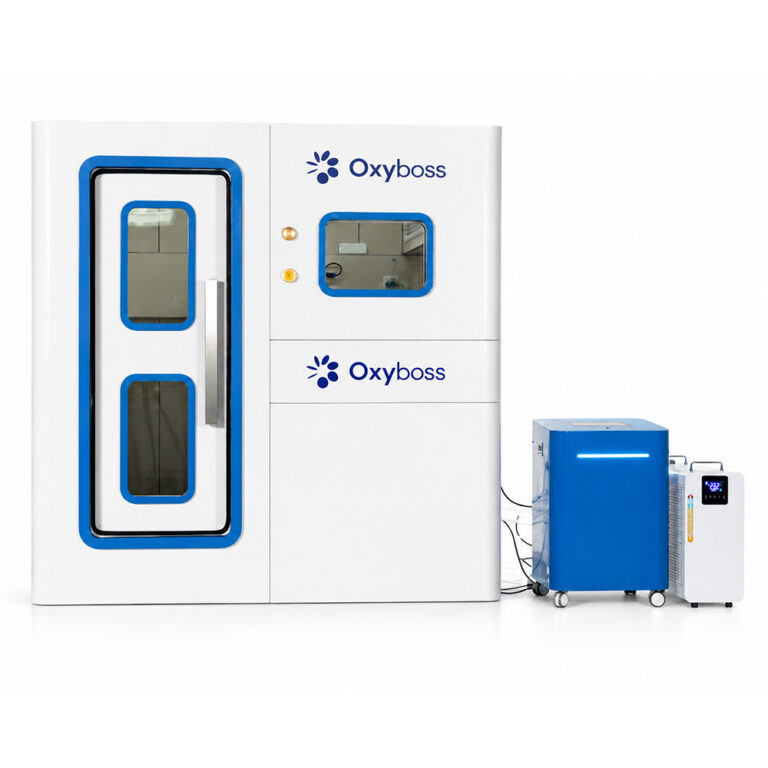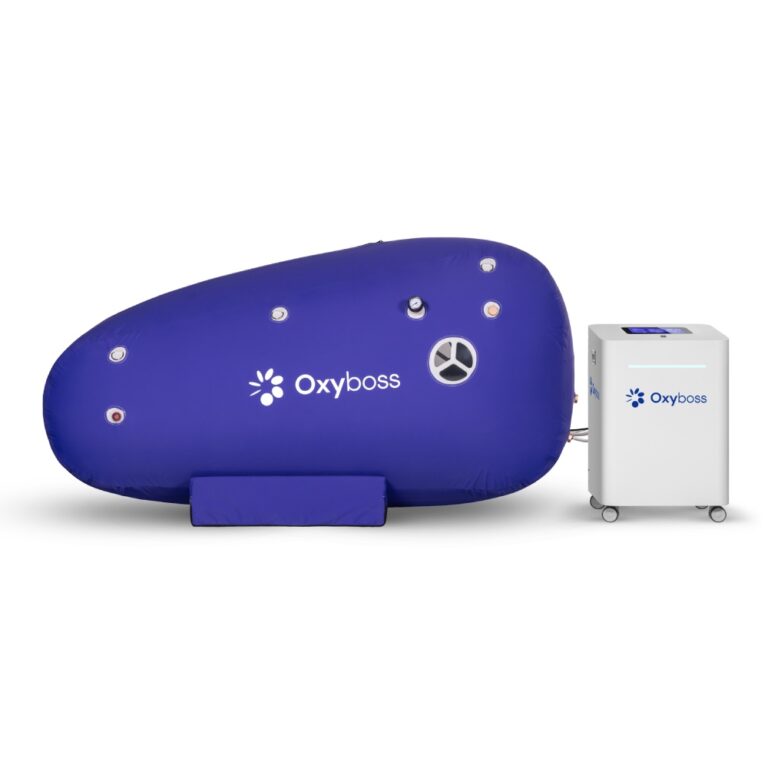
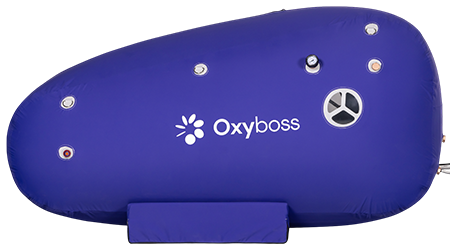
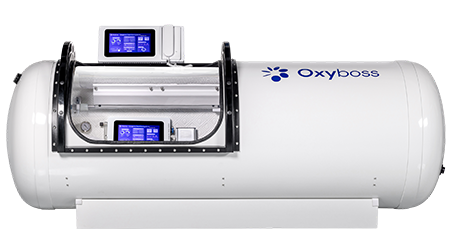
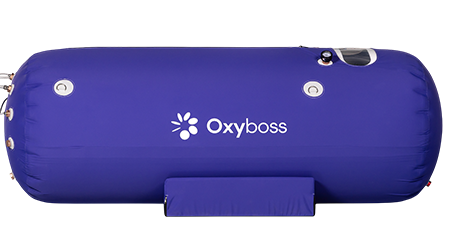
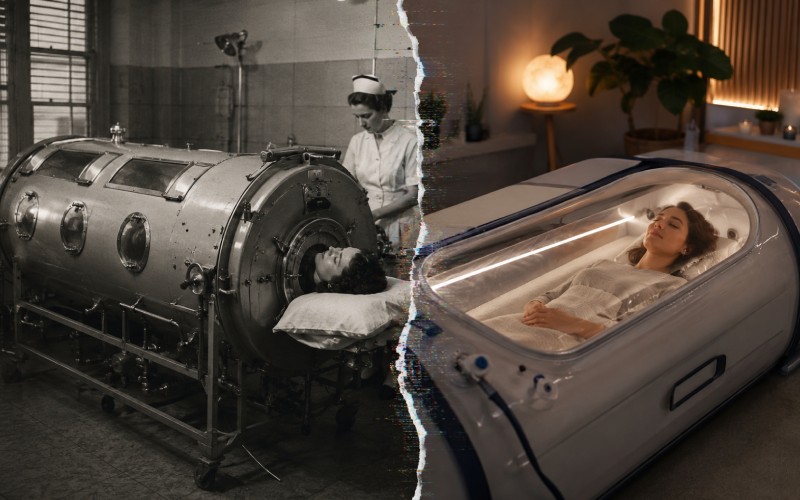
Both devices seal a person inside an enclosed space. Both manipulate air pressure. Both carry the word “chamber” somewhere in conversation. That’s roughly where the overlap ends. Here’s what actually separates these two machines — and why the comparison, while understandable, falls apart once you look at the mechanics.
How the Iron Lung Used Negative Pressure Ventilation
The iron lung, first developed in 1927, was a negative-pressure ventilator. It didn’t add oxygen or enrich the breathing environment in any way. The device enclosed a person from the neck down in a sealed metal cylinder, created a cyclical vacuum around the torso, and mechanically forced the chest wall to expand and contract. Air moved in and out at normal atmospheric composition.
It existed because polio destroyed the nerve pathways controlling the diaphragm. Without those signals, the chest doesn’t expand, and air doesn’t flow. During the 1952 U.S. epidemic — roughly 58,000 reported cases that year — hospital wards were lined with these cylinders. Once vaccines and positive-pressure mechanical ventilators arrived, the iron lung became obsolete. A handful still exist today, maintained for long-term polio survivors. They are not manufactured, not commercially available, and are not part of the modern consumer chamber market.
How Hyperbaric Chambers Use Positive Pressure
Hyperbaric chambers work in the opposite direction. Instead of creating a vacuum outside the body, the interior environment is pressurized. You breathe normally — your lungs do all the work themselves — inside an atmosphere set between 1.3 and 3.0 ATA depending on chamber type.
This is the basic mechanical principle behind a hyperbaric chamber: elevated ambient pressure changes the environment inside the enclosure. Mild chambers, often operating around 1.3 ATA in soft-shell units, do this at pressure levels commonly associated with personal or light commercial use.
In practice, a session is simply time spent inside a pressurized enclosure while breathing normally. Sessions often run 60 to 90 minutes. You sit or recline. Many users read, rest, or use their phones. Nobody’s ribcage is being mechanically pried open from the outside.
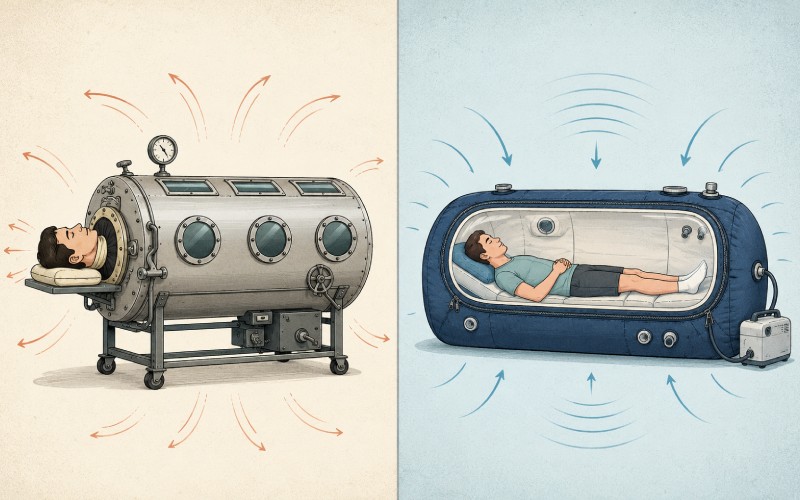
Hyperbaric Chamber vs Iron Lung: Side-by-Side Comparison
| Feature | Iron Lung | Hyperbaric Chamber |
| Pressure Type | Negative pressure (vacuum around the body) | Positive pressure (increased atmosphere inside) |
| Oxygen Delivery | None — ambient atmospheric air only | Pressurized interior environment |
| Core Mechanism | Externally forces chest wall expansion/contraction | User breathes normally inside a pressurized enclosure |
| Body Position | Supine, fully enclosed from neck down, head exposed | Fully enclosed or seated; no body-part separation |
| Primary Era | 1920s–1960s | Active and expanding — commercial, clinical, and home use depending on chamber type |
| Current Availability | Obsolete. Not manufactured. | Widely available in soft-shell and hard-shell configurations |
| User Experience | Immobilized inside a metal cylinder | Seated or reclined; communication and pressure release are typically accessible throughout |
| Typical Session | Continuous — often 24 hours/day for months or years | 60–90 minutes per session, user-scheduled |
| Portability | None. Fixed hospital installation, ~750 lbs | Soft-shell units deflate for storage; hard-shell units are self-contained |
| Purpose | Mechanical breathing replacement for paralysis | Pressurized chamber use in modern consumer, commercial, or clinical settings depending on product type |
Why People Confuse Hyperbaric Chambers With Iron Lungs
It’s mostly visual association. “Sealed chamber” plus “air pressure” triggers a mental link even when the underlying physics are completely unrelated. There’s also a claustrophobia factor — pop culture has spent decades framing enclosed medical devices as something to fear.
The reality of a modern soft-shell hyperbaric chamber is closer to resting inside a firm, zippered enclosure than anything resembling a 1950s hospital ward. You control the session. You communicate throughout. Many modern chambers include interior pressure release valves operable from inside at any point. The comparison to an iron lung is a category error — one worth correcting clearly so people understand what they are actually comparing.
Hyperbaric Chamber Setup for Commercial Operators
If you run a wellness studio, sports performance center, or related commercial space, clients may eventually ask this question. Someone heard about iron lungs from a documentary or a relative’s story, and now they’re nervous before their first session.
Having a factual, calm answer ready shortens the onboarding conversation and builds confidence before anyone gets inside. The explanation is simple: these are fundamentally different devices operating on opposite pressure physics. One replaced broken breathing mechanics with external force. The other creates a pressurized chamber environment for people breathing normally on their own.
From an operational standpoint, commercial-grade chambers require none of the infrastructure an iron lung demanded. No external vacuum pumps bolted to floors, no dedicated motor systems. A hard-shell commercial unit ships as a self-contained system. A soft-shell unit runs on standard electrical, fits through a standard doorway, and can be relocated between rooms without structural modification. If you’re operating multiple units in a single space, layout, airflow, compressor placement, and client throughput become practical planning considerations.
Home Hyperbaric Chamber: Space, Noise, and Daily Use
A home chamber — particularly a soft-shell model around 1.3 ATA — can be set up in a bedroom, home gym, garage, or dedicated room. Inflated, it looks like an oversized sleeping pod. Deflated, it stores in a bag roughly the size of a large duffel. The compressor sits at about normal conversation volume, and many users run sessions with the compressor in an adjacent room or closet to reduce ambient noise further.
Compare that to an iron lung: a 750-pound steel cylinder requiring a dedicated power supply, occupying an entire hospital room, and demanding hands-on mechanical maintenance. People lived inside them continuously. For years. What you’re doing with a home chamber is scheduling a 60-to-90-minute session between workouts, before bed, or on a rest day. It fits a routine. It doesn’t become one.
Negative Pressure vs Positive Pressure: ATA Ratings and Engineering Differences
Both devices change pressure around the body. The direction, magnitude, and engineering challenges are completely different.
An iron lung operated at slight negative pressure — roughly 5 to 10 cmH₂O below atmospheric, cycling rhythmically to mimic breathing rhythm. The pressure differential was small. The engineering challenge was timing precision: misalign the cycle with the body’s natural respiratory rhythm and you’re fighting the user.
Hyperbaric chambers operate above atmospheric pressure. Soft-shell units may run at about 1.3 ATA — approximately 4.4 PSI above sea-level atmospheric pressure. Hard-shell units can reach 2.0 ATA and higher. At these pressures, Henry’s Law becomes relevant to how gases behave under pressure compared with normal atmospheric conditions.
The engineering problem chamber manufacturers solve is entirely different from what iron lung manufacturers faced. Key considerations include:
- Zipper fatigue life — how many pressurization cycles before seal integrity degrades
- Bladder material thickness and UV resistance — particularly for units placed near windows or in sunlit rooms
- Compressor duty cycle — continuous-run consistency over thousands of operating hours without thermal drift
- Valve redundancy — interior-operable pressure release as a core safety baseline
- Weld seam testing on hard-shell units — pressure cycling QA at 1.5x rated operating pressure before any unit ships
These are durability and comfort engineering problems. They have nothing in common with the ventilation timing challenges of negative-pressure machines from the 1950s.
Frequently Asked Questions
Is a hyperbaric chamber the same as an iron lung?
No. An iron lung used negative pressure to mechanically force chest wall movement for people who couldn’t breathe independently. A hyperbaric chamber uses positive pressure to create a pressurized interior environment for people breathing normally on their own. Different physics, different purpose, different century.
Are iron lungs still used anywhere?
A very small number of polio survivors still rely on original iron lung machines maintained from decades ago. These are not manufactured or commercially available. Replacement parts are essentially nonexistent.
What does a hyperbaric session feel like?
You’ll feel mild pressure in your ears during pressurization — similar to descending in an airplane. Once the chamber reaches operating pressure, most users settle in quickly. Many rest or fall asleep. The environment is typically quiet and stable.
Is it claustrophobic inside a hyperbaric chamber?
This varies by person and by chamber. Soft-shell models often allow light through the material, and many include viewing windows. Hard-shell units are roomier and often feel less confining. You can usually communicate with someone outside throughout the session, and interior pressure release valves are designed to remain within reach.
How long is a typical hyperbaric session compared to iron lung use?
A standard session runs 60 to 90 minutes, scheduled at your convenience. Iron lung use was not a session — it was continuous, round-the-clock life support, sometimes lasting decades. The two don’t compare on time scales.
Which one is right for me?
Iron lungs haven’t been manufactured for decades and aren’t available for purchase. If you’re comparing modern pressurized chamber products for home or commercial use, a hyperbaric chamber is the relevant category to research. Soft-shell and hard-shell configurations are the main modern starting points, and the right choice depends on space, intended use, and pressure range.
→ If you’re evaluating a chamber setup, focus on space requirements, pressure range, operating routine, and safety features.