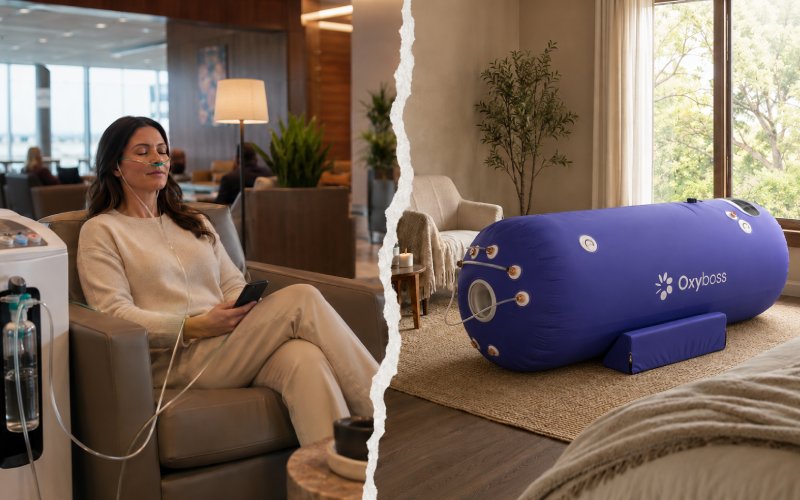
You’ve seen oxygen bars in malls, airports, and wellness lounges. You’ve seen hyperbaric chambers in recovery studios, athletic facilities, and increasingly in people’s homes. Both involve breathing oxygen. That’s roughly where the similarities end.
We manufacture hyperbaric chambers, so we approach this comparison from that side of the industry. We also get this question often — usually from someone who tried an oxygen bar while traveling, liked the experience, and now wants to understand how it differs from a hyperbaric chamber before making a larger purchase decision.
The short version: an oxygen bar increases oxygen concentration at normal pressure. A hyperbaric chamber changes both pressure and oxygen exposure, creating conditions that ambient-pressure breathing — even with enriched oxygen — does not replicate. One is typically a short, low-commitment experience. The other is a more equipment-intensive format often used in structured wellness and recovery settings.
The Core Mechanism: Pressure Changes the Comparison
An oxygen bar typically raises inhaled oxygen from normal ambient air (~21%) to somewhere around 30–40%. You sit down, use a nasal cannula, and breathe for 20 minutes. The pressure stays at normal atmospheric levels.
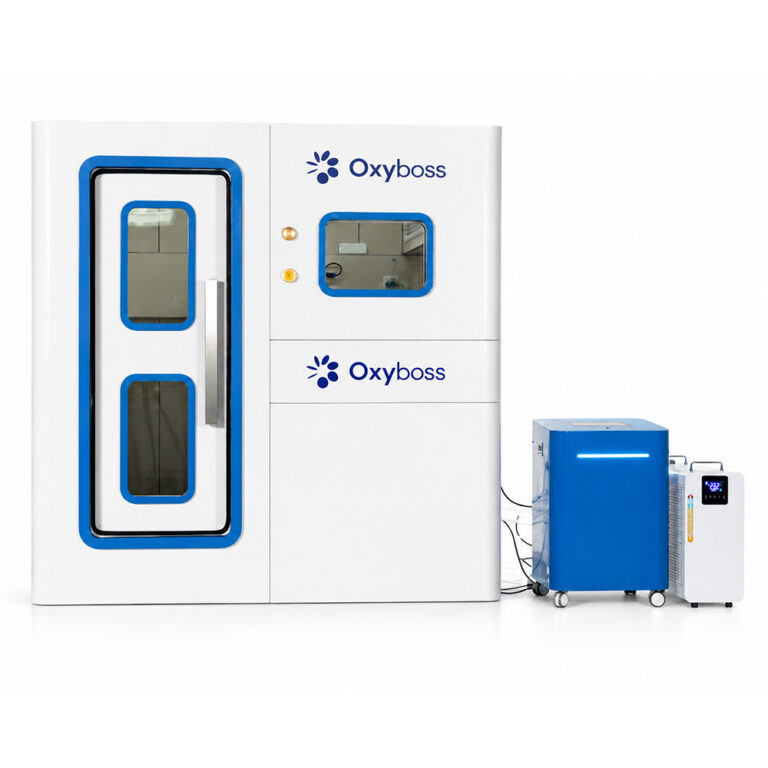
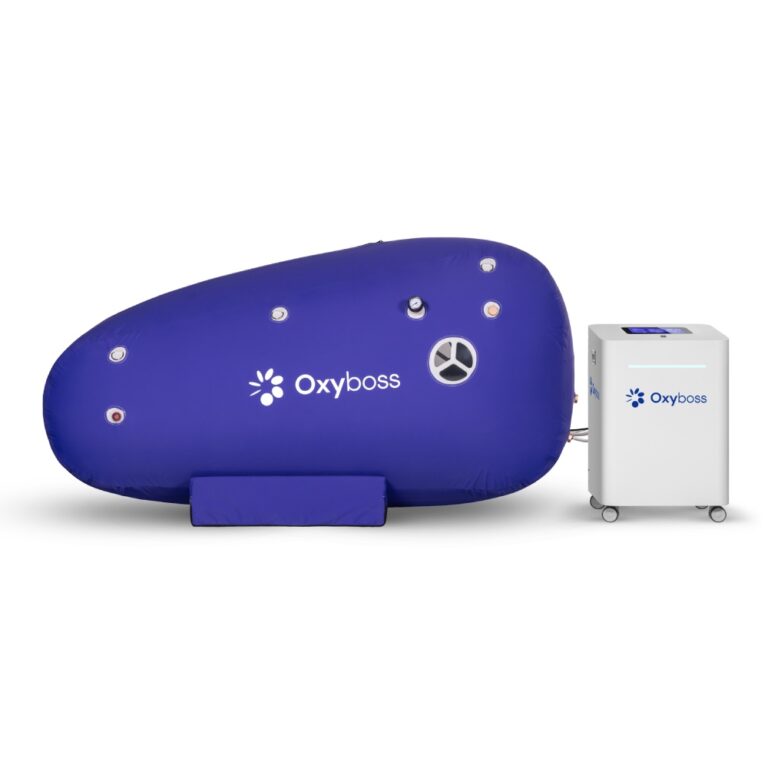
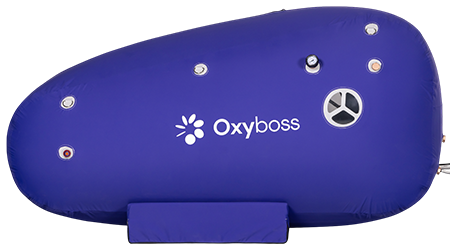
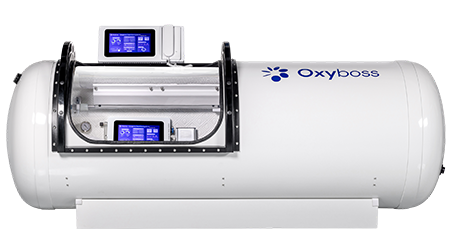
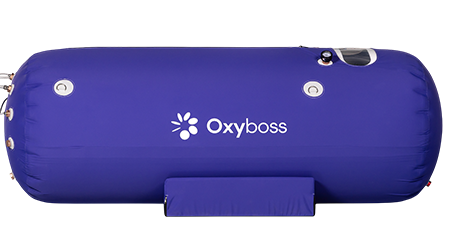
A hyperbaric chamber changes the pressure environment around the body. The user is inside a sealed vessel pressurized to 1.3–2.0 ATA (or higher in some hard-shell systems), with oxygen delivery depending on the equipment setup.
The key variable is pressure — not oxygen concentration alone.
Why that matters from a basic physics standpoint:
- At normal atmospheric pressure, simply increasing oxygen concentration changes the breathing mix, but not the surrounding pressure
- Under increased pressure, more oxygen can dissolve into plasma
- That creates a different oxygen-delivery environment than an ambient-pressure oxygen bar can provide
- This is why the two categories are discussed differently, even though both are sometimes described broadly as “oxygen” experiences
An oxygen bar changes the air you breathe. A hyperbaric chamber changes the pressure environment as well.
The Physics You Should Know
At 1.0 ATA breathing 40% oxygen (an oxygen bar scenario), the partial pressure of oxygen in the lungs is:
pO2 = 0.40 × 1.0 = 0.40 ATA
At 2.0 ATA breathing 100% oxygen (a hard-shell hyperbaric scenario), the partial pressure is:
pO2 = 1.0 × 2.0 = 2.0 ATA
That is a substantial difference in the driving pressure associated with oxygen entering the bloodstream. Henry’s Law helps explain this: oxygen dissolved in plasma rises as partial pressure increases. An oxygen bar does not close that gap, because it operates at ambient pressure.
This is also why pressure stability matters in hyperbaric equipment design. If chamber pressure drops meaningfully during a session, the overall exposure changes as well. That is not something an oxygen bar setup typically has to manage.
Side-by-Side Comparison
In one sentence: hyperbaric chambers create a pressurized oxygen environment that oxygen bars — operating at ambient atmosphere — do not reproduce.
| Factor | Oxygen Bar | Hyperbaric Chamber |
| Oxygen Concentration | ~30–40% | Varies by system setup |
| Pressure | 1.0 ATA (ambient) | Typically 1.3–3.0 ATA |
| Oxygen Delivery | Nasal cannula or loose mask | Pressurized chamber environment |
| Session Length | 15–30 minutes | 60–90 minutes |
| Typical Cost Per Session | Lower | Higher |
| Equipment Investment | Lower | Significantly higher |
| Use Pattern | Often occasional / novelty-based | More often used in repeat-session formats |
| Space Required | Countertop + seating | Dedicated room or large corner space |
| Maintenance | Minimal | Moderate, depending on shell type and system design |
| Home Usability | Easy but limited in scope | Practical for some users, especially with portable soft-shell units |
Bottom line on the numbers: oxygen bars are generally lower-cost and lower-commitment. Hyperbaric chambers require a much larger equipment investment and more operational discipline, but they offer a fundamentally different format because they add pressure to the equation.
What Each One Honestly Delivers
Oxygen Bars
They are often positioned as a simple, accessible experience. Some people describe a short-lived sense of alertness or relaxation, and scented options such as lavender or eucalyptus can add an aromatherapy component.
There’s nothing inherently wrong with that. But it remains an ambient-pressure format. For many people, it functions more like a brief wellness add-on than a repeat-use equipment category.

Hyperbaric Chambers
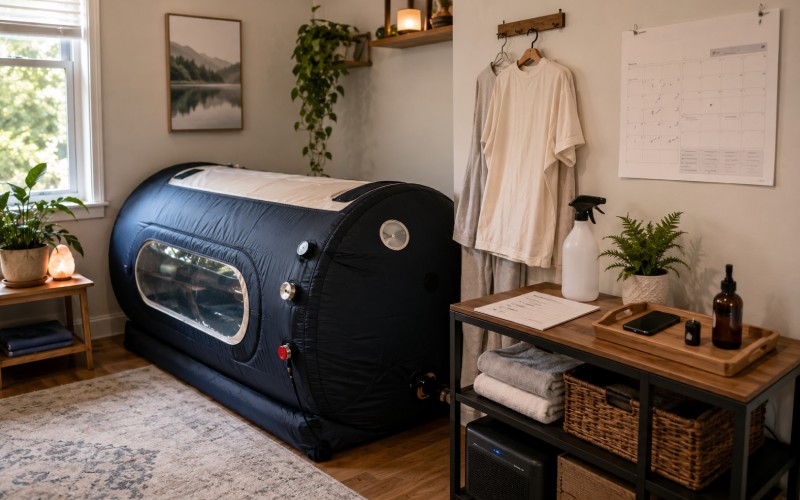
Hyperbaric sessions usually run 60–90 minutes inside a sealed, pressurized vessel. Pressure is typically increased in a controlled manner to reduce ear discomfort and improve session tolerability.
People who choose this category are usually looking for something different from a one-off oxygen lounge experience: a pressurized environment, longer sessions, and a setup that fits into a more structured routine. For facilities, that often means package-based scheduling. For home users, it usually means consistency and convenience rather than occasional drop-in use.
That difference — short ambient experience versus repeat-use pressurized system — is what separates the two categories.
The Business and Home-Use Perspective
If You’re a Wellness Facility Operator
You’re likely evaluating revenue per square foot, staffing needs, liability, and client retention.
A few practical differences:
- Throughput: Oxygen bars can turn over more quickly. Hyperbaric sessions are longer, so daily throughput is lower, but pricing is usually higher as well.
- Staffing: Oxygen bars are relatively simple to operate. Hyperbaric sessions generally require more oversight, intake procedures, and operational consistency.
- Retention: Oxygen bars are often treated as a try-it-once experience. Hyperbaric services are more commonly offered in multi-session formats.
- Complementary setup: Some facilities use oxygen bars as a light, low-commitment add-on while positioning hyperbaric as a more involved premium service.
- Liability and operations: Pressurized equipment carries more responsibility. Clear protocols, proper maintenance, and user screening matter.
If You’re Setting Up a Home Recovery Space
The oxygen bar path is relatively simple: compact equipment, easy setup, low complexity. For someone looking for a casual at-home oxygen experience, that may be enough.
A home hyperbaric setup is a different decision:
- Cost trajectory: The upfront cost is much higher, so the economics depend on how often the unit is used compared with paying for sessions elsewhere.
- Space: Portable soft-shell units can fit in a spare room, garage, or other dedicated area, but they still require planning.
- Consistency: Home access can make repeat use more realistic for people who value convenience and routine.
- Maintenance: Hyperbaric systems require ongoing attention to seals, zippers or hard-shell components, and compressor-related upkeep depending on the model.
Common Misconceptions
“An oxygen bar is basically mild hyperbaric.” Not really. Pressure is the defining difference. Without it, you are still breathing enriched air at ambient atmosphere.
“A home oxygen concentrator does the same thing.” Not in the same way. An oxygen concentrator changes oxygen concentration; a hyperbaric chamber changes the pressure environment.
“Hyperbaric chambers are only hospital equipment.” That is no longer the full picture. Portable soft-shell units have made home and small-facility use more common in some markets, though setup, operation, and compliance still matter.
“You can get the same effect by breathing deeper.” No. Breathing deeper changes volume, not surrounding pressure. A chamber changes both the environment and the overall exposure conditions.
FAQ
Can oxygen bars support athletic recovery?
They may be used as a light wellness experience, but they are not a substitute for a pressurized oxygen environment. If someone is specifically comparing the two formats, pressure remains the main differentiator.
What’s the break-even point for a home hyperbaric chamber vs. paying per session at a facility?
That depends on local session pricing, frequency of use, maintenance costs, and the type of chamber purchased. For some users, regular use can make home ownership easier to justify; for others, facility access may remain the more practical option.
Are hyperbaric chambers worth the investment for wellness studios?
That depends on utilization, pricing, staffing, local demand, and compliance obligations. In many studios, hyperbaric is positioned as a premium service rather than a casual add-on.
Is there a fire-risk difference between the two?
Oxygen-enriched environments require care in both cases. With hyperbaric systems, operator instructions, materials, maintenance, and no-ignition-source protocols are especially important. Oxygen bars also require common-sense precautions, even though the setup is simpler.
Can I breathe higher-concentration oxygen inside a hyperbaric chamber?
That depends on the system design, the accessories used, and the operating instructions for that setup. Users should follow manufacturer guidance and applicable safety requirements rather than assume all systems work the same way.
How many sessions before I notice a difference compared with an oxygen bar?
That varies by user, use pattern, and expectations. It is more accurate to say that the two formats are different in design and purpose than to frame one as delivering a guaranteed timeline of results.
Do I need special training to operate a hyperbaric chamber at home?
Not necessarily special training, but it does require following operating instructions carefully. You are using pressurized equipment, so setup, session procedures, maintenance, and safety protocols matter.
Where This Lands
An oxygen bar is generally a short, ambient-pressure oxygen experience. A hyperbaric chamber is a pressurized system that requires more investment, more space, and more operational attention.
They are not interchangeable. If someone is simply looking for a quick, low-commitment wellness add-on, an oxygen bar may fit that use case. If the goal is access to a pressurized oxygen environment, then a hyperbaric chamber is the category that addresses that need.
For facilities and home users alike, the practical question is not which one sounds better in theory, but which format actually matches the intended use, budget, space, and level of commitment.