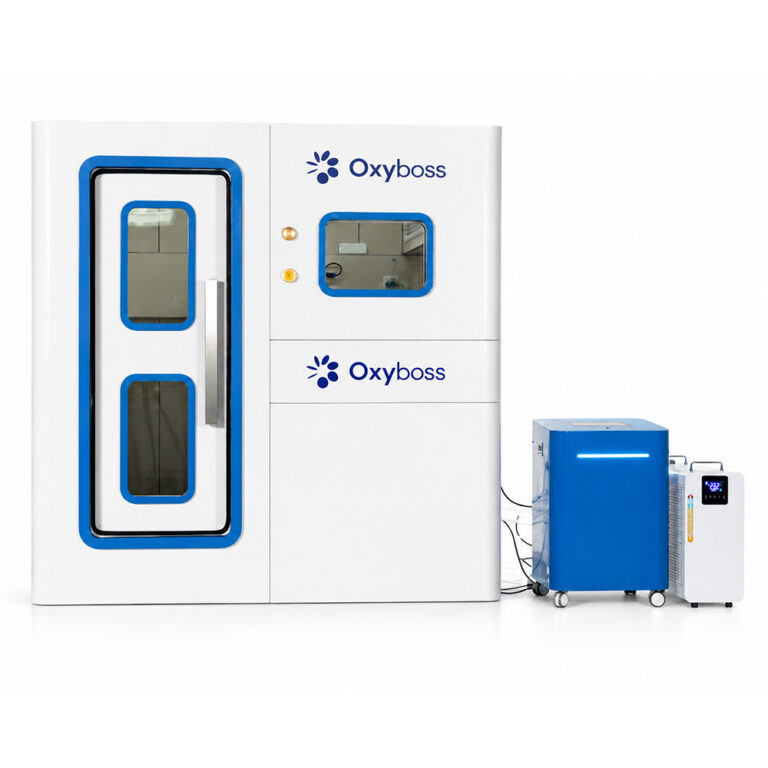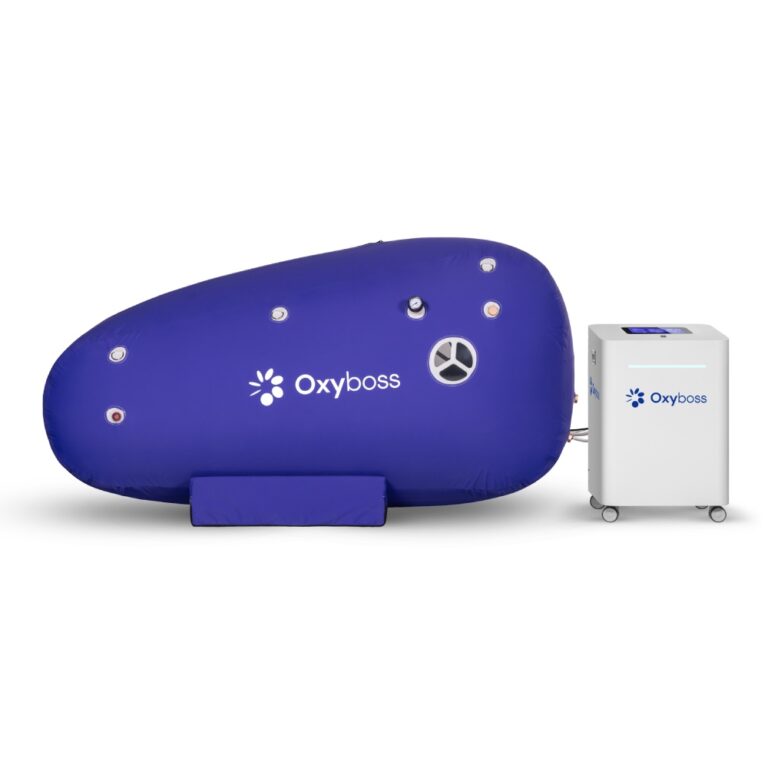
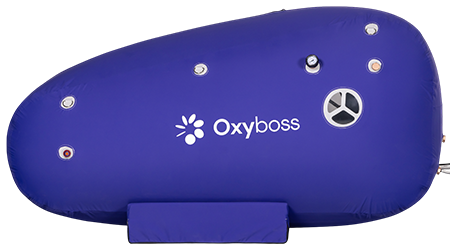
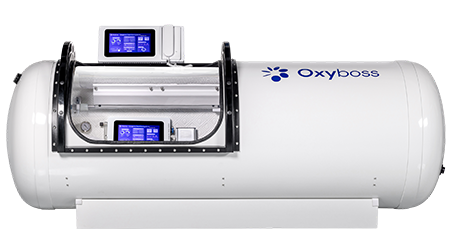
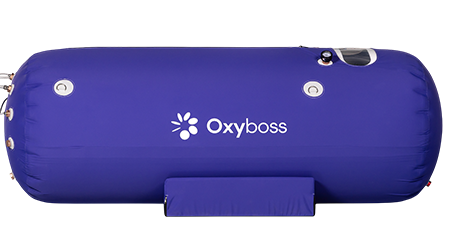
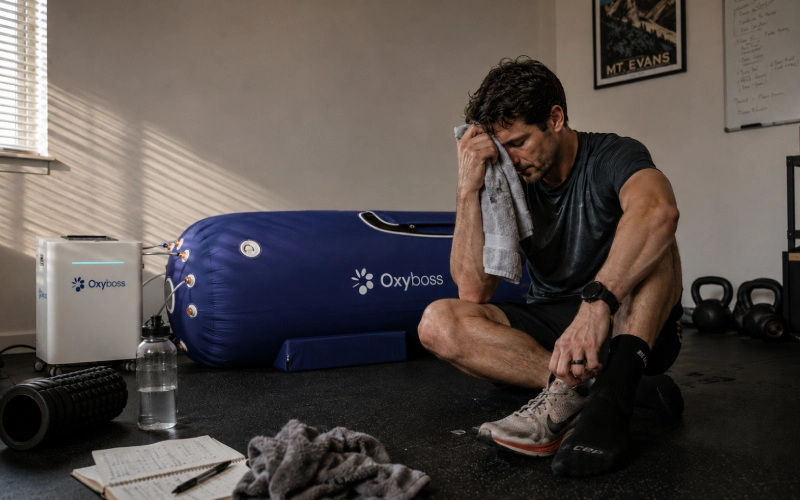
You don’t get faster by training harder. You get faster by recovering from harder training. That distinction is the reason pressurized chambers keep showing up in training facilities, home gyms, and the spare bedrooms of people who take their sport seriously.
The technology got smaller, the price dropped, and the supporting data—messy and incomplete as it still is—grew thick enough that ignoring it started to seem like the bigger risk.
This article focuses on mild, non-medical hyperbaric use in wellness and recovery settings, not clinical hyperbaric oxygen therapy used for medical treatment.
How Mild Hyperbaric Chambers Work for Athletic Recovery
Under elevated atmospheric pressure, oxygen dissolves into blood plasma in greater amounts than it does under normal conditions. Normally, red blood cells handle nearly all the oxygen-carrying work. Inside a pressurized environment, the plasma itself carries more dissolved oxygen than usual. That is one of the main reasons athletes are interested in the technology.
That’s the whole premise. And it maps onto the central problem athletes face after hard training.
Why Recovery Is the Bottleneck for Serious Athletes
Training creates controlled damage. Micro-tears in muscle fibers. Localized swelling. Metabolic waste accumulation. The body rebuilds the damaged tissue slightly stronger—that’s adaptation. But rebuilding demands oxygen. Lots of it.
Here’s the frustrating part: the tissues under the most strain are often the ones working under the most stress. Swelling can compress blood vessels. Tendons and ligaments are inherently poorly vascularized. You end up in a paradox—the repair site may be under greater demand precisely when conditions are less than ideal.
The theory behind mild hyperbaric recovery is that increased pressure may help support oxygen availability during that process. Not instantly. But potentially less incompletely.
Hyperbaric Chamber Recovery Benefits Backed by Research
The evidence isn’t uniformly positive. It isn’t discouraging either. It’s mixed in the way that real biology always is.
It also matters that published studies do not all use the same protocols. Pressure, oxygen concentration, timing, duration, and population vary widely. Some of the strongest findings come from more intensive clinical hyperbaric settings, which should not be treated as interchangeable with non-medical wellness use.
Where the data is consistent:
- Perceived recovery improves. In a blinded, randomized trial using young footballers, a single 60-minute post-match session produced significantly better wellbeing scores (8.6 vs. 11.0 on the Hooper Index) compared to the placebo group. Participants couldn’t tell whether they’d received real or sham pressure.
- Repeated sessions may support aerobic recovery markers. In a controlled crossover study published in early 2026, university-level male athletes subjected to six consecutive days of 90-minute high-intensity cycling showed significantly faster drops in perceived exertion and muscle damage markers (creatine kinase) when receiving mild hyperbaric sessions compared to controls. The group also demonstrated superior sleep quality and increased muscle and brain oxygenation levels.
- More intensive protocols have shown measurable gains in some populations. In a blinded, randomized controlled trial, 40 sessions at 2.0 ATA produced a 7.6% increase in maximal oxygen consumption (VO2_max) and an 11.2% jump in anaerobic threshold—without any changes to the participants’ existing exercise program.
- Sleep quality improves. A 2026 retrospective study of 395 individuals undergoing 60 sessions at 2.0 ATA found significant improvement in total sleep quality scores across all subgroups, with the greatest benefit in those with poorer baseline sleep. Sleep latency, subjective sleep quality, and sleep disturbances all improved.
Where the data is thin or conflicting:
- Single sessions don’t move objective performance markers much. Sprint times, jump height, and blood-based muscle damage markers after one session are basically identical between groups.
- Delayed onset muscle soreness (DOMS) results are all over the map. Some studies show faster torque recovery. Others show no difference. One older systematic review even found higher discomfort scores at 48–72 hours. Protocol differences—pressure, timing, duration, population—likely explain the variation.
- Direct performance boost during exercise is unproven. A meta-analysis of pre- and post-exercise protocols found no significant effect on objective performance metrics. The benefit, where present, appears to sit primarily on the recovery side.
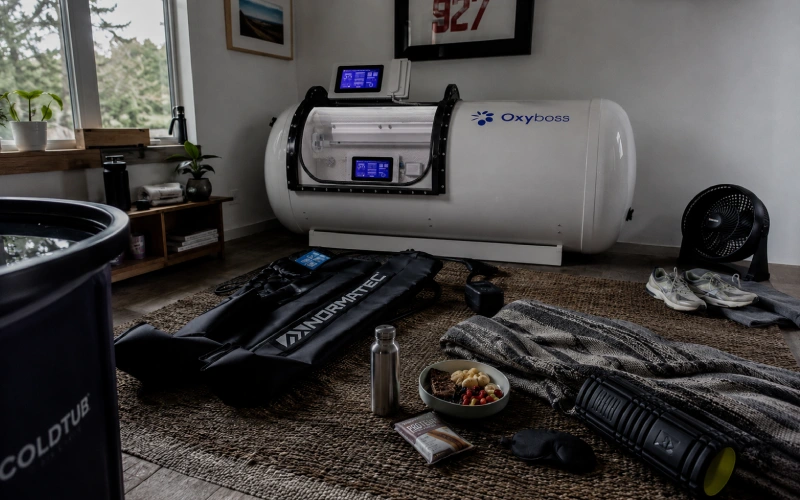
Hyperbaric Oxygen vs. Other Muscle Recovery Methods
| Recovery Method | Mechanism | Tissue Reach | Typical Use | Best For |
| Cold Water Immersion | Vasoconstriction reduces swelling | Surface to moderate depth | After intense efforts | Acute soreness, swelling |
| Compression Garments | Mechanical pressure aids fluid movement | Superficial to moderate | During/after training | Lymphatic clearance |
| Stretching / Mobility | Lengthens muscle fibers, relieves tension | Surface-level | Daily | Range of motion, stiffness |
| Nutritional Support | Provides repair substrates (protein, micronutrients) | Systemic (absorption-dependent) | Daily | Long-term adaptation |
| Sleep Optimization | Hormonal release supports systemic repair | Whole-body | Nightly | Everything |
| Mild Hyperbaric Chamber | Increased pressure may increase dissolved oxygen in plasma | Systemic, depending on protocol | 2–5 sessions per week | Recovery support, accumulated fatigue management |
None of these replace each other. A chamber won’t fix bad sleep. Cold water immersion won’t do the work of nutrition. The smart approach stacks them—and the chamber is usually discussed as one tool inside a larger recovery system.
The Hyperoxic-Hypoxic Paradox: Why the Benefit May Come From the Contrast
This concept is worth understanding if you want to know why repeated sessions may produce cumulative effects that single sessions don’t.
When you leave the chamber and return to normal atmospheric oxygen, your body may interpret the relative drop in oxygen as a shortage. This has been proposed as one reason repeated exposures may influence molecular pathways—HIF-1α, VEGF—that are typically associated with altitude training:
- New blood vessel formation
- Stem cell mobilization
- Changes associated with oxygen-handling and adaptation
So the benefit may not come from the high oxygen itself, but from the swing between high and normal. Repeated sessions may build up antioxidant scavenger enzymes. When you return to normal air, the ratio of reactive oxygen species to scavengers may drop low enough to mimic a hypoxic signal—without the dangers of actual oxygen deprivation.
This is one proposed explanation for why one session can feel like nothing, but repeated sessions may start producing measurable changes. The body may be adapting to the oscillation, not to any single exposure.
How Hyperbaric Chambers May Improve Sleep for Athletes
One finding keeps appearing across studies: improved sleep quality after repeated sessions.
The controlled crossover study on university athletes showed significantly better Pittsburgh Sleep Quality Index scores in the hyperbaric group after six sessions. A separate large retrospective study found meaningful improvement across all sleep components—sleep onset time, subjective quality, and nighttime disturbances—after repeated sessions at 2.0 ATA.
Sleep is where the majority of hormonal recovery happens—growth hormone release, tissue remodeling, immune reconstitution. If pressurized oxygen does nothing except help some athletes fall asleep faster and drop into deep sleep more easily, the downstream effects on training quality are substantial.
This connection doesn’t get talked about enough. For athletes who train hard enough that sleep suffers, this alone is one reason the technology keeps getting attention.
Practical Protocols: How Athletes Use Mild Hyperbaric Chambers for Recovery
There’s no single protocol. What works depends on the sport, the training phase, and what you’re working through.
During heavy training blocks: 2–3 sessions per week at mild pressure, often around 60 minutes each. Usually scheduled within a few hours of the hardest session of the day. The goal: support recovery before fatigue compounds across the training week.
Pre-competition taper: Reduce to 1–2 sessions. Some athletes prefer a session one to two days before an event. Heart rate variability data is suggestive—a single acute session significantly increases parasympathetic markers (RMSSD, SDSD) and lowers resting heart rate.
Dense competition schedule (tournament, multi-day events): Sessions between games or events. A single post-match session won’t necessarily change blood markers, but perceived recovery improvements are consistent enough to matter when you need to be willing to push hard again the next day.
More intensive research protocols: Some of the strongest published data on aerobic capacity and mitochondrial respiration improvements comes from longer protocols using higher pressure and more controlled clinical conditions. Those findings are important, but they shouldn’t be treated as identical to non-medical wellness use.
Who Benefits Most From Hyperbaric Chambers
Not everyone will notice the same effect.
Higher responders tend to be:
- Athletes training 5+ days per week with significant accumulated load
- Endurance athletes managing dense competition calendars
- Older active individuals (40+) whose recovery capacity may not be what it once was
- Anyone sleeping poorly during intense training phases
- People returning from periods of reduced activity
Lower or no response expected:
- Someone training 2–3 times per week at moderate intensity (the recovery demand isn’t high enough to notice much)
- Anyone who hasn’t addressed hydration, nutrition, and sleep basics first
A few other things matter: well-hydrated blood supports circulation more efficiently. Adequate protein intake provides the raw substrates for repair. If those foundations are weak, the chamber is working against a ceiling. Fix those first.
What a Session Feels Like
Anticlimactic. That’s the honest answer.
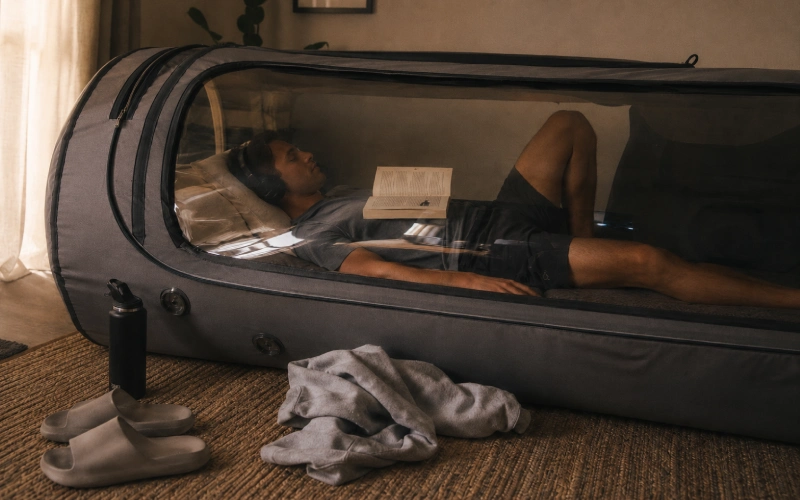
You clear your ears a few times as pressure builds—exactly like on an airplane. Techniques like swallowing, yawning, or the Valsalva maneuver (gently pinching your nose and blowing) handle this easily. Once the chamber reaches target pressure, there’s nothing unusual to feel. Most people read, listen to something, nap. Sessions run 60–90 minutes. Depressurization is equally uneventful.
Some athletes report mild warmth or tingling. Others notice nothing at all. The real feedback comes the next day—how sore you aren’t, how ready you feel, how much better you bounce back for the next session.
If you’re congested or have a cold, postpone. Equalizing pressure when your sinuses are blocked is uncomfortable and unnecessary.
Is Hyperbaric Oxygen Allowed in Competitive Sports?
Yes. The World Anti-Doping Agency does not include supplemental oxygen via inhalation or pressurized chambers on its prohibited list. Hyperbaric oxygen is generally treated as a recovery modality, comparable to ice baths or compression garments.
That said, individual sport federations can set their own rules. Always verify with your specific governing body before a competition period.
Safety Considerations
- Ear discomfort is the most common issue—mild and usually manageable with equalization techniques.
- Pressure tolerance varies. If you have congestion, sinus issues, ear problems, or any relevant medical history, consult a qualified professional before use.
- Temporary visual changes have been reported in some extended hyperbaric protocols. Not everyone experiences them, but they are part of the broader safety discussion.
- Fire safety is a real consideration whenever concentrated oxygen is present. Follow all manufacturer guidelines regarding clothing and prohibited items inside the chamber.
- Use matters. Follow manufacturer instructions carefully, and consult a qualified professional before beginning any pressurized oxygen protocol if you have respiratory conditions, recent ear or sinus procedures, or are taking any medications that may interact with elevated oxygen environments.
FAQ
How often should I use a hyperbaric chamber for recovery?
During heavy training, 2–4 sessions per week. During lighter weeks, once is likely sufficient for maintenance. Consistency over weeks produces cumulative results that single sessions cannot.
Will one session make a difference before competition?
You might feel more rested. Perceived readiness and heart rate variability can improve after a single session. But don’t expect it to replace a proper taper or compensate for poor preparation.
How long before I notice results?
Most athletes tracking subjective metrics (soreness, sleep quality, perceived readiness) notice changes within the first week of regular use. Objective performance improvements tend to emerge over 3–6 weeks of consistent sessions.
Is it just a placebo?
The perceived recovery improvements survived blinding in multiple trials. Participants who received sham pressure with regular air didn’t report the same improvements. That doesn’t rule out all placebo contribution, but it makes pure placebo a less satisfying explanation.
Can I combine a hyperbaric chamber with ice baths, sauna, or red light?
Yes—and most serious athletes do stack recovery methods. The practical advice: change one variable at a time when you start. Use the chamber for a few weeks, track your metrics, and build from there. Each method addresses different mechanisms, and they don’t necessarily interfere with each other.
What does a home hyperbaric chamber cost?
Home units vary widely in price depending on pressure rating, size, and features. Facility sessions can also add up quickly. If you’d use a chamber frequently, the economics are different than if you’d only use one occasionally.
Do I need a prescription?
Requirements vary depending on the product, jurisdiction, and intended use. Always follow applicable local regulations, manufacturer guidance, and qualified professional advice where appropriate.
Should I eat before a session?
A light meal is fine. Hydration matters more than food timing. Show up with water.
Disclaimer: The information in this article is provided for educational and informational purposes only. It is not intended to diagnose, treat, cure, or prevent any disease or health condition. Mild hyperbaric chambers used in wellness settings are not a substitute for medical care. Always consult a qualified healthcare professional before beginning any new wellness protocol, including pressurized oxygen sessions.