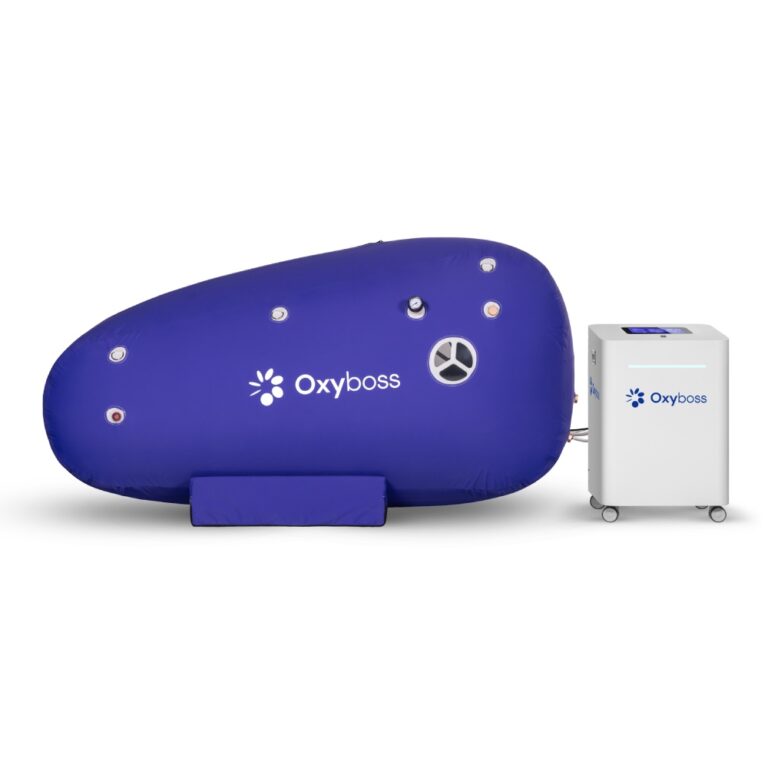
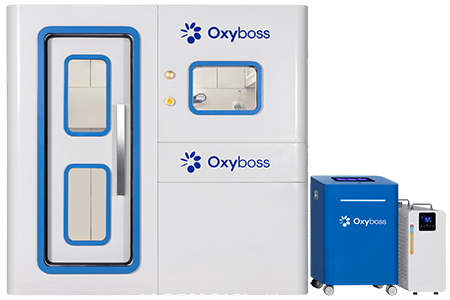
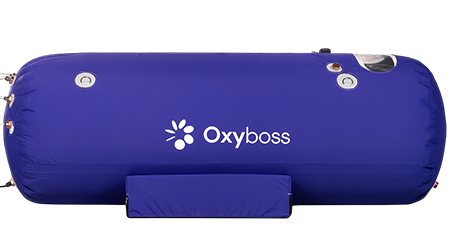

Most buyers frame this as a size question. It is not.
It is a scheduling question wearing an equipment label.
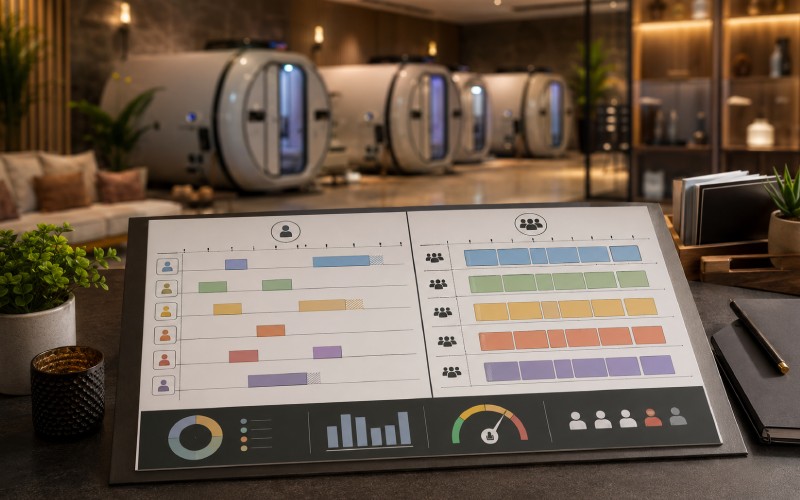
For a commercial hyperbaric chamber business, the real split is private-flow versus group-flow. One calendar behaves like staggered appointments. The other behaves like departures. Fixed launch windows. Seat fill. Missed starts. Different business. Current engineering and regulatory frameworks also place these systems in a specialized category, which is one reason this page stays on operations, layout, and buying logic rather than performance claims.
So the useful question is not, “Which chamber is better?”
It is, “Which operating model can my facility actually support without wasting room-hours?”
The decision table buyers actually need
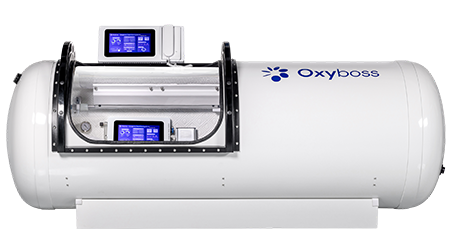
| Factor | Monoplace hard shell chamber | Multiplace hard shell chamber | What it means in practice |
| Occupancy | 1 user at a time | 2 or more users at a time | One sells private slots. The other sells grouped capacity. |
| Booking style | Staggered starts are easy | Fixed start blocks work better | Monoplace bends around the calendar. Multiplace asks the calendar to bend around it. |
| Privacy | High | Lower by default | Private-session pricing is easier to defend with monoplace. |
| Throughput | Builds one room at a time | Builds in larger jumps | Monoplace scales gradually. Multiplace scales in chunks. |
| Operator flow | Simpler room-to-room rhythm | More synchronized launch rhythm | Multiplace can be efficient, but only when the room stays full enough. |
| Floor plan pressure | Easier to phase in | Demands a more deliberate layout | Bigger systems push harder on circulation, entry flow, waiting space, and service access. |
| No-show risk | One empty room hurts a little | Empty seats drag a whole launch | Group capacity looks strong on paper, then half the value leaks out through weak fill. |
| Brand fit | Premium private bookings | Membership blocks, teams, group traffic | The chamber model should match the way you acquire demand. |
Monoplace works when your demand still has gaps
This is the cleaner fit for a business that is still shaping demand.
Not weak demand. Uneven demand.
Morning traffic is decent. Midday slips. Thursday works because one local partner sends people in blocks. Saturday is full. Tuesday is not. That kind of calendar usually prefers monoplace. You can open sellable inventory in smaller pieces. You can stagger starts. You can protect privacy. You can add another room later instead of overbuilding early.
And the pricing logic is easier. A private-session model does not need every launch to behave like a mini event.
That matters more than most equipment brochures admit.
Multiplace works when volume arrives in blocks
A multiplace hard shell chamber is not just more capacity. It is batch capacity.
That sounds efficient. Sometimes it is.
It fits businesses that already think in waves: member blocks, team bookings, hospitality traffic, tightly scheduled group windows, repeat partner channels. In that setup, grouped starts can compress room-hours and make the calendar cleaner. Not prettier. Cleaner.
But the tradeoff is blunt. A half-filled launch is not a small problem. It changes the math of the whole hour.
This is why multiplace only becomes the better commercial hyperbaric chamber setup when your demand is steady enough to feed it. Not occasionally. Repeatedly.
The wrong comparison ruins a lot of buying decisions
Do not compare one monoplace chamber to one multiplace chamber.
That comparison is almost useless.
Compare these instead:
- Weekly sellable seat-hours
- Paid occupancy by launch window
- Operator coverage per active room-hour
- Reset time between launches
- Revenue per room-hour, not just revenue per booking
That is where the answer lives.
A multiplace room can look cheaper per seat in a spreadsheet and still underperform in the real facility. A small monoplace fleet can look slower and still produce cleaner utilization because it matches how bookings actually arrive.
The chamber is not the business. The calendar is.
Floor plan decides more than the quote does
A hard shell hyperbaric chamber purchase is partly an equipment decision. Then the room takes over.
Entry and exit flow. Waiting area pressure. Sound separation. Service clearance. Power. Ventilation. Staff sightlines. The dull parts. Those are the parts that keep your schedule moving.
Systems in this category are not casual furniture for a spare room. Current standards treat them as pressure vessels for human occupancy, and official safety guidance keeps stressing that installation details and operating instructions matter. That is why the better buyers review room layout before they obsess over shell count.
A bad room can make a good chamber feel inefficient.
A good room can make a modest setup sell like a larger one.
The better ROI question
Average weeks pay bills. Peak weeks make presentations look smart.
If your business depends on privacy, flexible slots, staggered starts, and easier expansion, monoplace usually makes more sense.
If your business already runs on grouped demand, fixed launch windows, and dense booking blocks, multiplace starts to make sense.
Not because it is bigger. Because it fits the traffic pattern.
That distinction is easy to miss. Expensive too.
A simple filter for buyers
Choose monoplace if your business needs:
- private-session pricing
- staggered scheduling
- smaller expansion steps
- cleaner handling of no-shows
- a room strategy that can grow one chamber at a time
Choose multiplace if your business already has:
- dependable grouped demand
- fixed launch windows that fill well
- enough floor area to support a more deliberate room plan
- operator workflow built around synchronized starts
- a reason to prioritize throughput over privacy
What owners usually underestimate
They usually underestimate one of three things.
First, how much privacy affects pricing.
Second, how much grouped capacity depends on consistent fill.
Third, how often room-hours disappear in the spaces between launches — check-in drag, late arrivals, slow turnover, weak coordination.
That lost time does not show up in the chamber spec sheet. It shows up in margin.
FAQ
Is a monoplace hard shell chamber better for a new business?
Usually, yes. A monoplace setup is easier to phase in, easier to schedule in uneven weeks, and easier to expand without making one large capacity jump.
Does a multiplace chamber always create better ROI?
No. It creates more grouped capacity. ROI only improves when seat fill stays strong enough to justify fixed launch windows.
Which setup is better for premium private bookings?
Monoplace. The model naturally supports privacy, flexible start times, and a cleaner premium-positioned experience.
Which setup is better for membership blocks or team traffic?
Multiplace usually fits better when demand already arrives in groups and the business can launch sessions on a predictable cadence.
What is the biggest hidden cost?
Usually not the shell itself. Usually the room. Layout friction, utilities, service access, operator flow, and idle time between launches tend to decide whether the setup feels efficient or constantly crowded.
Should I compare chamber price only?
No. Compare chamber price, usable room-hours, paid occupancy, staffing rhythm, and how much dead time your layout creates between launches.
When does multiplace become the smarter move?
When your facility already behaves like a high-density schedule: repeat group traffic, reliable fill, and enough booking discipline to protect each launch window.
Final take
If your business still wins one booking at a time, buy flexibility.
If your business already wins in blocks, buy throughput.
That is the real choice.
Not smaller versus larger. Private-flow versus group-flow.