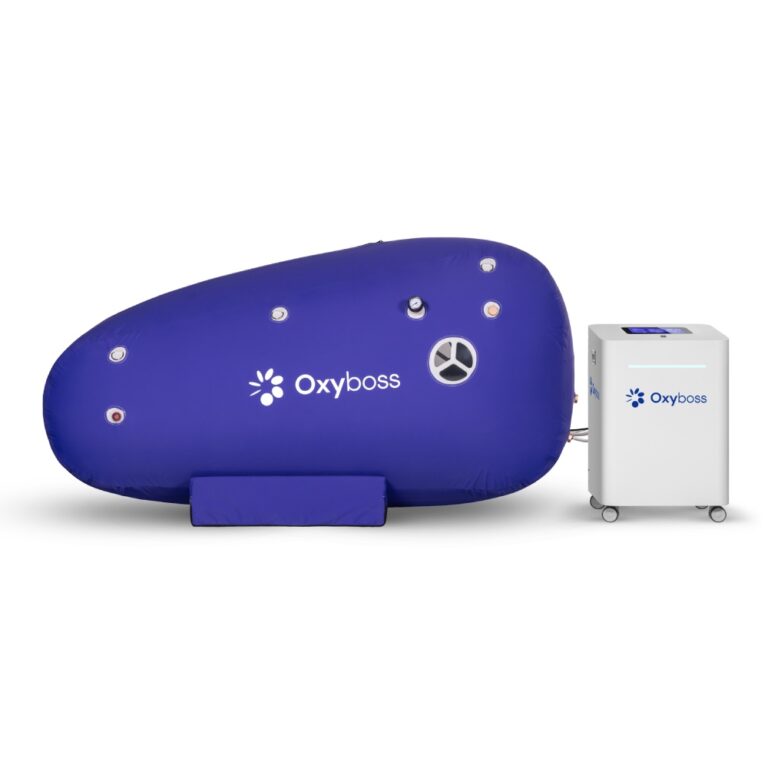
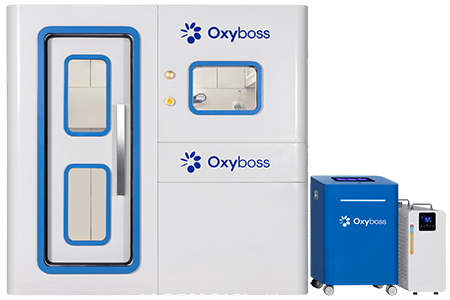
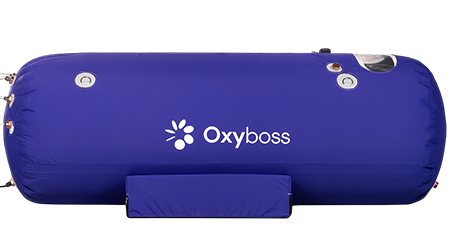
Key takeaways: A home chamber usually does not need a full-time dedicated technician in the way a commercial setup does. It does need training, written operating steps, routine checks, and a clear support contact. A commercial chamber is a different category entirely: live operation should belong to a trained person who is physically present while the chamber is in use. And no, a soft-sided chamber does not wipe away the safety rules.
Start with the real question
Can I use a hyperbaric chamber at home without hiring staff?
For most home buyers, the answer is not “hire a technician” or “do whatever you want.” It sits in the middle. A straightforward home setup may not need a dedicated operator on payroll, but it still should not run on guesswork. Recent U.S. safety guidance puts the emphasis on the basics: follow the maker’s instructions, train the people involved, keep up with cleaning and maintenance, control prohibited items, use compatible clothing, and keep the operating environment disciplined.
Commercial use is another story. Once a chamber is part of a business, the conversation shifts from convenience to staffing, supervision, room control, and role clarity. In that setting, the operator is not a nice extra. The operator is part of the operating system.
What “HBOT technician” usually means
First, there is the live operator. This is the person who runs the chamber during use, watches the controls, manages the sequence, and stays present. Common safety language requires that during occupied operation, the operator be physically present and maintain visual or audible contact with the control panel or the person inside.
Second, there is the trainer. Someone has to teach setup, start-up, shutdown, item screening, cleaning, and what not to improvise. Formal training pathways for chamber technologists exist for a reason. This is not just “press a button and zip it up.”
Third, there is the safety owner. In a small home setup, that may be the same person as the user or the household support contact. In a business, it usually needs to be a named role, not a floating responsibility.
So the better framing is not, “Do I need a technician, yes or no?” It is, “Who is operating, who trained them, and who owns the safety routine?”
Home chambers: when you probably do not need a dedicated technician
A home setup can be workable without a dedicated technician if the setup stays simple.
That usually means one chamber, one primary user, one standard configuration, clear written steps, and proper onboarding before regular use starts. No improvised add-ons. No rotating cast of users. No staff-run appointments. No vague handoff where everybody assumes somebody else knows what to do. The core safety guidance supports this way of thinking because it keeps attention on instructions, training, maintenance, grounding, compatible materials, and prohibited items instead of on marketing language.
This is the part people skip. They assume home use means low responsibility. It does not. Home use only changes the staffing model. It does not erase the need for procedure.
A decent home setup should still have:
- a live walkthrough before first use,
- a written start/stop checklist,
- a cleaning and maintenance schedule,
- a list of items and fabrics that are not allowed,
- and one named support contact for questions or troubleshooting.
That is not overbuilt. It is just organized.
When a home chamber starts to need trained supervision
The answer starts leaning toward yes when the chamber stops behaving like a simple personal-use setup.
That happens fast. A few common examples:
Shared use
If several people are using the same chamber, the odds of drift go up. Settings get interpreted differently. Steps get skipped. “I thought you checked that” becomes the operating plan. That is not a plan.
Someone else is running it
The moment one person is operating the chamber for another person on a regular basis, you are no longer in casual self-use territory. Training matters more, and written process matters more.
The setup has been modified
This one needs blunt wording. Do not improvise the chamber’s configuration. Recent safety guidance stresses following the maker’s instructions, and consumer warnings around portable soft-sided units make clear that not every low-pressure chamber was designed for oxygen-enriched use. Some older U.S. device records for portable mild chambers describe air-based operation and a much narrower intended use than broad home-market language suggests.
The user cannot manage the routine comfortably alone
If entry, communication, operating steps, or exit require regular assistance, that is a clue. Not necessarily a full-time technician. But definitely not “anyone can handle it.”
Commercial chambers: different rules, different expectations
A commercial chamber is not just a home chamber with more bookings.
Once money changes hands and the chamber becomes part of a business, the operation becomes more layered. You now have scheduling, staff turnover, room traffic, repeat use, cleaning handoffs, documentation, and the possibility that one distracted person is trying to do three jobs at once. That is exactly the kind of environment where role clarity stops being optional.
Common chamber safety language is plain on this point: during occupied operation, the operator should be physically present and maintain visual or audible contact with the controls or the occupant. The same body of guidance also pushes toward rooms used exclusively for chamber work during operation, rather than mixed-use spaces with unrelated traffic moving through them.
That leads to a practical rule:
If your chamber is part of a business, you need a trained operator mindset even when the hardware looks simple.
In larger facilities, the staffing picture gets heavier. Formal facility guidance also refers to trained hyperbaric staff being on duty during chamber operations, and it links staffing needs to the type of chamber, the number of chambers running, the number of people inside, and the layout of the room.
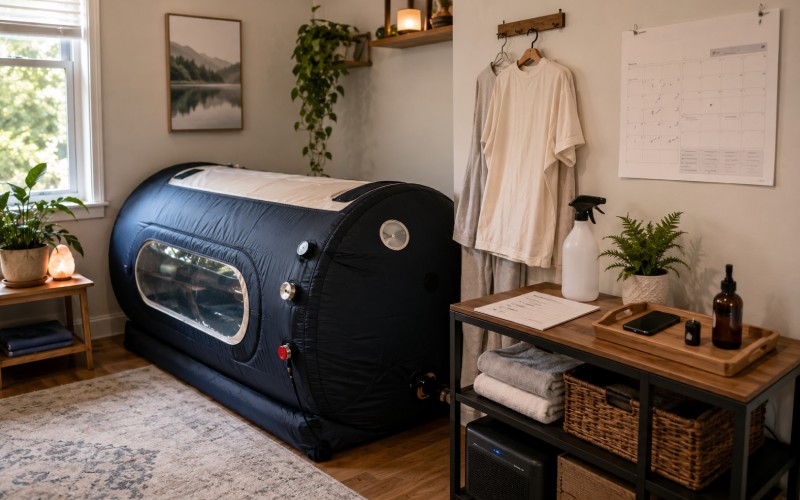
Soft-sided does not mean low-responsibility
This point deserves its own section because it gets misunderstood constantly.
A soft-sided chamber may look less industrial. It may fit into a home more easily. It may feel friendlier.
That does not mean the safety expectations vanish.
Current consumer-facing safety warnings state that soft-sided chambers are subject to the same broad safety requirements as hard-sided chambers. The same warnings also point to design, fire, pressure, and gas-related concerns across settings, not just in one type of building.
So if you are using a soft-sided chamber as the mental shortcut for “easy enough to run with no process,” that shortcut is doing real damage.
A better buying question
Instead of asking, “Do I need an HBOT technician?” ask this:
What level of trained supervision does this exact chamber, in this exact setting, actually need?
That question gets you closer to the truth because it forces you to look at the full picture:
- who uses it,
- who operates it,
- whether the configuration stays standard,
- how the room is managed,
- and what happens when the usual person is away.
The chamber matters, yes. The setting matters more than most buyers think.
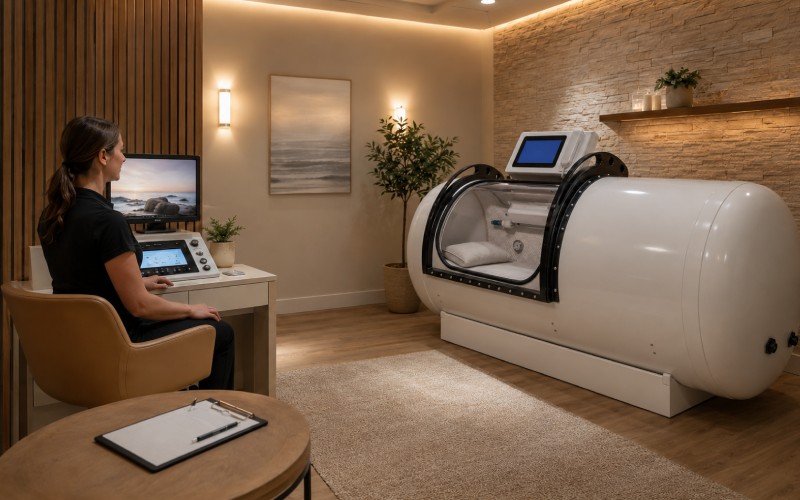
Home vs. commercial: a clearer decision table
| Setup | Dedicated technician needed? | What matters most | Smarter next step |
| One chamber, one primary home user, standard configuration | Usually no | Training, written routine, maintenance, support contact | Ask for onboarding, checklist, and maintenance schedule |
| Home chamber shared by several users | Often some trained oversight is wise | Consistency, handoff errors, item screening | Assign one operator and one written routine |
| Home chamber regularly run by one person for another | Often yes, at least as a trained support role | Live supervision and correct operating sequence | Get formal hands-on training before regular use |
| Commercial single-user chamber | Yes | Operator presence, room control, repeat-use discipline | Assign a trained operator for every occupied session |
| Multi-user or higher-throughput commercial setup | Yes, and usually more than one trained role | Staffing, room layout, simultaneous tasks, emergency response | Build a real staffing plan, not an informal one |
The pattern is simple even if the market makes it sound complicated: the more users, the more handoffs, the more modifications, and the more business activity around the chamber, the less credible “no trained operator needed” becomes.
Five things to ask before you buy
This is where the article stops being abstract.
Before you commit to any chamber, ask for answers to these five points:
1. Who will train the primary operator?
Not a PDF. Not a vague phone number. A real handoff.
2. What is the standard configuration?
You want the setup exactly as intended, not a loose mix of accessories and assumptions.
3. What is the written operating routine?
Start-up, shutdown, cleaning, routine checks, and what items are not allowed.
4. What is the maintenance schedule?
If the answer is fuzzy, that is information.
5. Who do I contact when something looks off?
Support should not begin after the problem appears.
Those questions do two things at once. They reduce confusion. And they expose weak sellers fast.
Here’s the answer from Oxyboss: we do not treat home chamber ownership like a self-service experiment. We provide a clear standard configuration, hands-on onboarding, written operating guidance, a defined maintenance schedule, and a real support contact before regular use even begins. That means you are not left piecing together procedures from scattered videos, vague instructions, or after-the-fact troubleshooting. If you want a chamber that comes with structure, not guesswork, you can explore our chambers or request a consultation here.
The short answer, stated plainly
For a simple home chamber, you may not need a dedicated HBOT technician in the commercial sense. But you still need structure: training, written steps, routine checks, and a standard configuration.
For a commercial chamber, yes, trained operation belongs on-site during occupied use.
For a soft-sided chamber, do not assume fewer rules. That assumption is not supported by current safety guidance.
And for any setup, once the chamber is modified, shared loosely, or operated by people who were never properly trained, the staffing question stops being theoretical. It becomes operational.
FAQ
Can one person use a home hyperbaric chamber without hiring staff?
Sometimes, yes. But only if the setup is simple, the configuration stays standard, and the primary user has been properly trained. “No staff” should not mean “no procedure.” Recent safety guidance still points to training, maintenance, compatible materials, prohibited-item control, and close adherence to instructions.
Is a home chamber the same staffing problem as a commercial chamber?
No. A home chamber and a commercial chamber may look similar from the outside, but the operating reality is different. Commercial use adds bookings, staff turnover, room traffic, repeat sessions, and more chances for distraction. That is why operator presence and room control matter more in business settings.
Do soft-sided chambers remove the need for strict operating rules?
No. Current consumer warnings say soft-sided chambers are subject to the same broad safety requirements as hard-sided chambers. Soft-sided changes form. It does not cancel fire, pressure, grounding, gas, or item-screening concerns.
Can a front-desk employee run a commercial chamber between other tasks?
That is a weak operating model. Common chamber safety language expects the operator to be physically present and to maintain visual or audible contact during occupied use. That does not fit well with a role that is also handling calls, check-ins, and general floor coverage at the same time.
Is every home chamber accurately described as “HBOT”?
Not necessarily. Some portable mild chamber records in the U.S. device database describe lower-pressure, air-based designs with a narrower intended use than the broad umbrella language often seen in the market. That is one reason buyers should ask exactly what the chamber is designed for, how it is configured, and what operating conditions it was cleared around.
What should I ask for before buying?
Ask for a live walkthrough, written operating steps, a maintenance calendar, a prohibited-items list, and a named support contact. Those five items tell you more about day-to-day usability than a polished product page ever will. The safety guidance now in circulation puts weight on exactly those kinds of basics: instructions, training, routine checks, compatible materials, and maintenance discipline.