Key Takeaways
- For most healthy adults, hyperbaric chambers operating in the 1.3–2.0 ATA range carry a generally low risk profile when they’re properly maintained and used as directed. In broader hyperbaric literature, the overall adverse event rate is reported at approximately 0.4%, with many reported events involving ear discomfort or confinement-related anxiety rather than severe complications 1.
- The single most common issue is ear pressure during pressurization — manageable with simple equalization techniques like swallowing or the Valsalva maneuver 1 2.
- Serious complications are statistically uncommon, but risk rises with higher pressures, longer treatment courses, poor maintenance, and poor operating practices. A 2023 meta-analysis of 24 randomized trials found that adverse effects were more likely when chamber pressure exceeded 2.0 ATA and when the treatment course extended beyond 10 sessions 4.
Your ears will pop. Your palms might sweat before you even get inside. And somewhere in the back of your mind, a small voice asks: “What if something goes wrong?”
That kind of nervousness is honest — and it’s probably why you’re reading this right now. The idea of sitting inside a pressurized chamber while breathing concentrated oxygen doesn’t sound like a Tuesday afternoon activity. It sounds like something astronauts do. Or deep-sea divers. Not regular people who just want to feel better.
So let’s talk about it plainly. Not the polished version. Not the version that skips over the uncomfortable bits. The real one.
What Actually Happens Inside a Hyperbaric Chamber
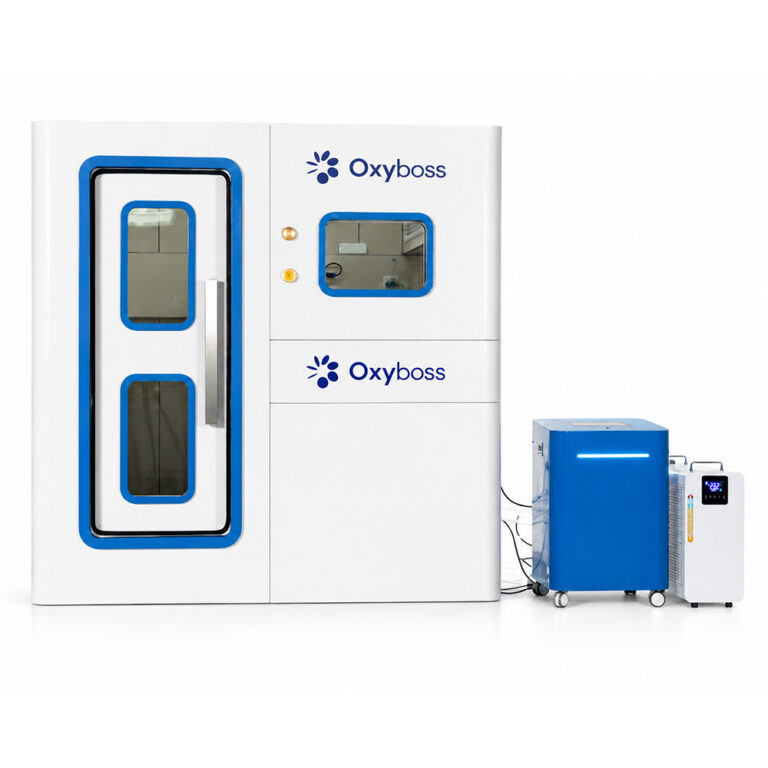
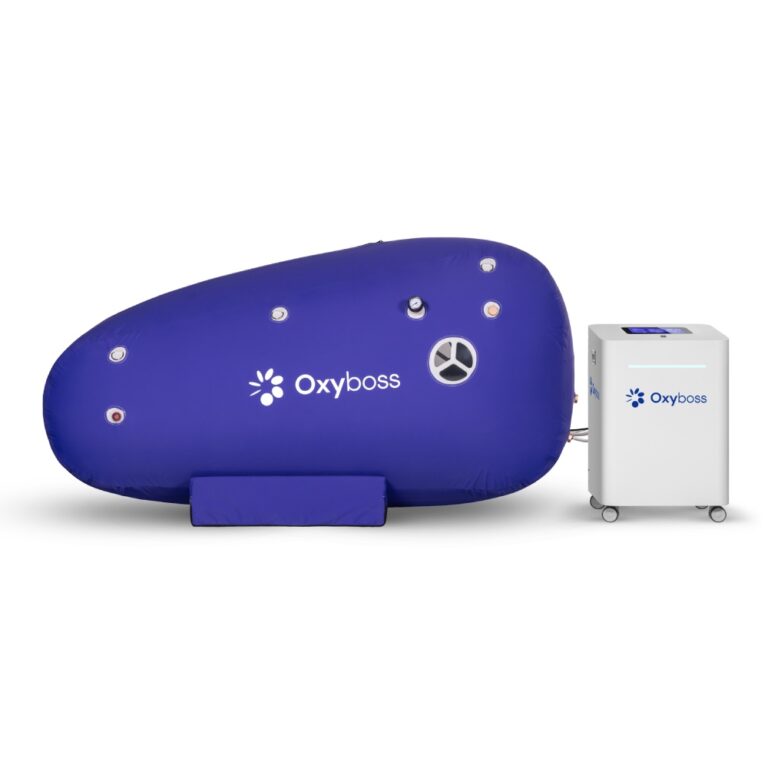
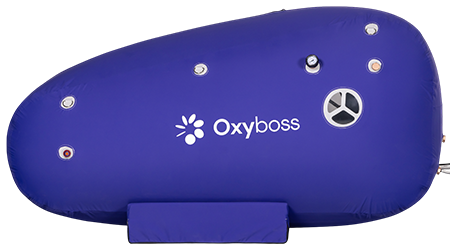
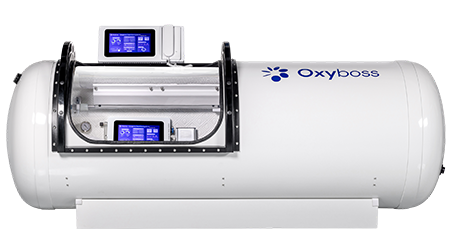
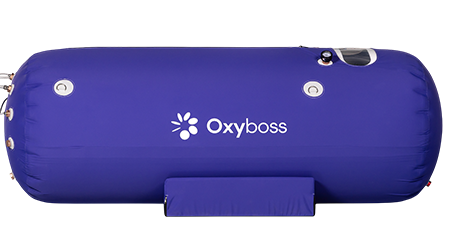
A hyperbaric chamber is a sealed enclosure that raises air pressure above normal atmospheric levels. While you’re inside, you breathe air or oxygen-enriched air, depending on the chamber setup, at pressures that commonly range from about 1.3 to 2.0 atmospheres absolute (ATA) in the kinds of soft-shell and hard-shell units many first-time buyers consider. For context, normal sea-level pressure is 1.0 ATA. So you’re not talking about anything extreme — more like the pressure you’d experience at the bottom of a moderately deep swimming pool.
The whole process has three phases:
- Pressurization — The chamber slowly builds pressure. This is when you’ll notice your ears. More on that in a second.
- Steady pressure — You sit or lie there, breathing normally, for about 60 to 90 minutes. Most people read, nap, or stare at the ceiling thinking about what to cook for dinner.
- Depressurization — Pressure drops back to normal, gradually.
That’s it. No needles. No incisions. Nothing invasive. You walk in, you sit there, you walk out.
But “not invasive” and “completely without risk” are two different things.
The Honest Answer: Is It Dangerous?
Short version — for most healthy adults using a properly maintained chamber in the 1.3–2.0 ATA range, serious danger is uncommon. One large review of hyperbaric complications put the overall adverse event rate at roughly 0.4% 1. About half of those were ear discomfort, and about a quarter were anxiety related to being in a confined space. In other words, most reported problems were uncomfortable and manageable, not catastrophic.
But “uncommon” isn’t “impossible.” And the risk profile shifts depending on the pressure level, session length, chamber design, oxygen concentration, maintenance quality, and whether you follow preparation guidelines. A first-time user who walks in wearing the wrong clothing, ignores the prohibited-item list, or uses a poorly maintained chamber is running a very different risk profile than someone who shows up prepared and uses equipment built and supported to recognized safety standards 3 5.
Risks You Should Know About — Ranked by How Likely They Are
Below is a breakdown of known risks, sorted from the ones you’ll probably encounter all the way down to the ones that are genuinely uncommon.
| Risk | How Common | What It Feels Like | What To Do |
| Ear pressure / discomfort | Very common; the most frequently reported issue 1 2 | Fullness or mild ache, like airplane descent | Swallow, yawn, or gently pinch your nose and blow |
| Confinement anxiety | Uncommon but real; more likely in first-time or confined-space-sensitive users 1 | Racing heart, wanting to get out | Request a walkthrough beforehand; choose a chamber with a window |
| Temporary fatigue / lightheadedness | Occasional 6 | Feeling tired or slightly “off” afterward | Rest, hydrate, eat a small meal |
| Sinus pressure | Occasional 1 | Ache or pressure behind the forehead or cheeks | Avoid sessions when congested; clear sinuses before entering |
| Temporary vision changes (mild nearsightedness) | Occasional with repeated sessions 6 | Distant objects look slightly blurry | Typically reverses within days to weeks after stopping sessions |
| Mild headache | Occasional | Dull ache during or after | Stay hydrated; avoid rushing in or out of a session |
| Oxygen toxicity | Rare, but risk rises with higher oxygen exposure and higher pressures 1 4 | Extreme dizziness, nausea, visual disturbance, or in rare cases seizure | Operator will stop the session and depressurize if needed |
| Lung barotrauma | Very rare in healthy individuals 1 6 | Sudden sharp chest discomfort, shortness of breath | Proper screening and gradual pressure changes matter |
| Fire hazard | Very rare, but historically documented in oxygen-enriched environments 3 5 | — | Follow all clothing, material, and prohibited-item restrictions without exception |
A meta-analysis published in Frontiers in Medicine in 2023, covering 24 randomized trials and 1,497 participants, found that adverse effects were more likely when chamber pressure exceeded 2.0 ATA and when the treatment course went beyond 10 sessions 4. That’s useful context for first-time users considering chambers in the 1.3–2.0 ATA range: lower pressure does not mean zero risk, but it does generally sit in a more conservative part of the safety spectrum when the system is used correctly.
The Ear Thing — Let’s Get Specific
Your ears will be the first part of your body to have an opinion about being in a hyperbaric chamber. During pressurization, the air pressure outside your eardrum increases faster than the pressure behind it. That mismatch causes a feeling of fullness, and if you don’t equalize, it can escalate from “uncomfortable” to “really uncomfortable” fairly quickly.
Middle ear barotrauma is the single most common side effect reported across hyperbaric settings. One study documented an incidence of 43%, though the vast majority (84% of those cases) were classified as minor — slight redness of the eardrum, not rupture 2.
Here’s how you equalize:
- Swallow frequently during the pressurization phase.
- Yawn — it opens the eustachian tubes.
- Valsalva maneuver — pinch your nose closed, close your mouth, and gently blow as if trying to pop your ears. Don’t force it.
- Wiggle your jaw side to side. Sometimes that’s enough.
If you have sinus congestion, a cold, or a recent ear concern, postpone your session. Trying to pressurize with blocked eustachian tubes is asking for trouble that’s easily avoided.
Fire Risk — The One Nobody Wants to Talk About
This is the section people skip over because it’s uncomfortable. But you deserve to hear it.
Hyperbaric environments that involve elevated oxygen levels and pressure require strict fire safety discipline. Oxygen itself doesn’t burn — but it makes everything around it burn faster and hotter. Materials that wouldn’t ignite in normal air can become much more flammable in an oxygen-enriched environment. The U.S. Food and Drug Administration issued a reminder in August 2025 specifically about the safe use of HBOT devices after reports of serious injuries and deaths, emphasizing the importance of following each manufacturer’s instructions for use 3.
Here’s the distinction that matters for buyers: not every chamber operates under the same conditions. Soft-shell and hard-shell chambers in the 1.3–2.0 ATA range can differ meaningfully in design, oxygen delivery method, materials, controls, and operating procedures. That means the real safety question isn’t just “soft or hard?” or “1.3 or 2.0?” It’s whether the chamber is properly engineered, properly maintained, used with approved materials, and backed by clear operating guidance and support 3 5.
A review by the Undersea and Hyperbaric Medical Society noted that hyperbaric chamber safety depends on three critical elements: pressure vessel engineering, fire safety engineering, and appropriate operating practices 5. That is exactly why buyers should care about more than pressure alone. The safer purchase is usually the one with transparent specifications, conservative operating protocols, quality materials, maintenance guidance, and real after-sales support.
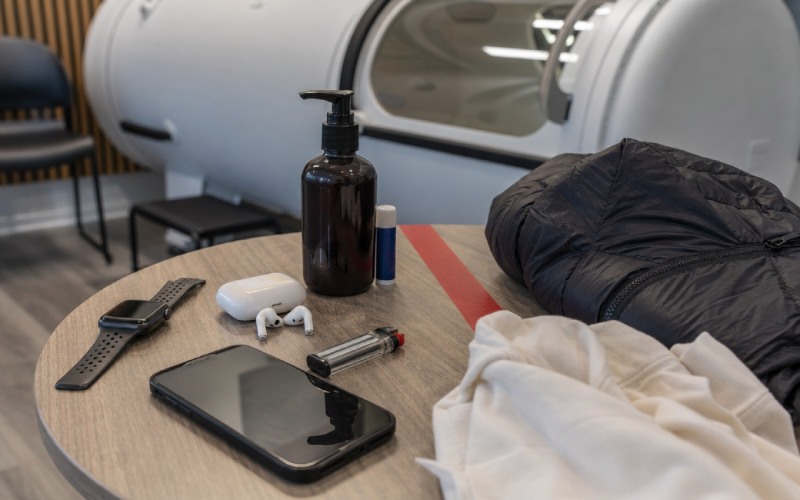
Follow your chamber manufacturer’s prohibited-item list exactly. Common restrictions often include:
- Electronics (phones, smartwatches, earbuds)
- Non-approved clothing or fabrics in oxygen-enriched settings
- Petroleum-based products or other prohibited personal-care items
- Lighters, matches, vape devices
- Unapproved accessories or loose items
In many oxygen-enriched setups, 100% cotton clothing is the standard recommendation. This is one of those rules that exists for a reason 3 5.
Confinement Anxiety — More Common Than People Admit
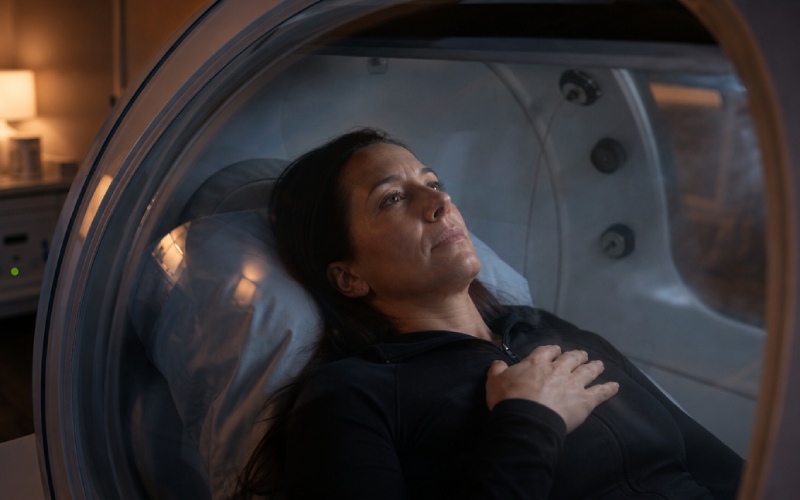
Not everyone loves enclosed spaces. That’s not a character flaw. It’s just how some nervous systems are wired.
Some people experience mild anxiety related to the enclosed environment of a hyperbaric chamber, especially during the first session 1. The official adverse event data usually captures the severe cases — full-on panic attacks, sessions that had to be stopped. The milder versions, sweaty palms, a tight chest, the urge to get out, are harder to count because people often push through them and never mention them afterward.
If small spaces bother you, here are a few things that actually help:
- Visit beforehand. Sit in the chamber with the door open. Just being inside it without pressure changes removes a lot of the unknown.
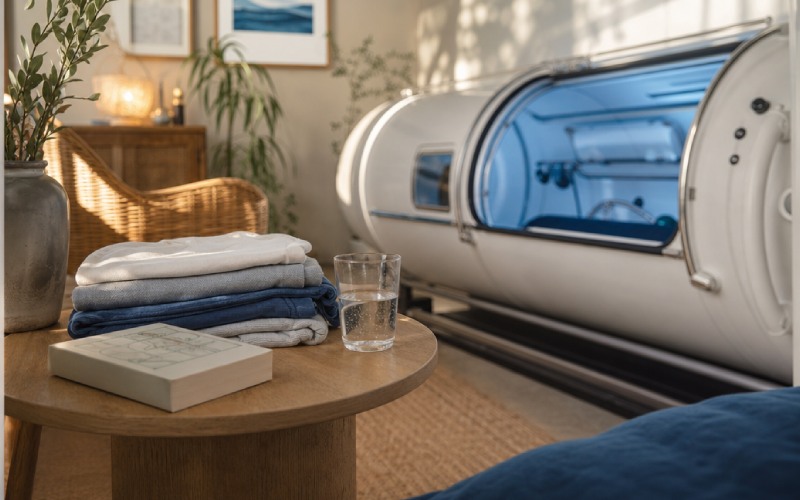
- Choose a chamber with a viewing window. Being able to see outside makes a significant difference psychologically.
- Bring something to focus on. Some chambers allow books or printed materials (no electronics). Having something to occupy your mind pulls your attention away from the space itself.
- Breathing exercises. Slow, deliberate breathing — four counts in, hold for four, out for six — activates your parasympathetic nervous system and physically slows your heart rate.
- Know you can stop. A well-designed chamber setup should include a clear way to communicate with the operator or end the session according to the unit’s instructions.
For most people, the anxiety peaks during the first session and drops dramatically by the second or third. The unfamiliarity is the biggest driver, not the actual experience.
Who Should Think Twice Before Getting In
Not everyone is a good candidate for a hyperbaric chamber session. Some people should avoid it entirely. Others should wait until circumstances change.
You should hold off or reconsider if you:
- Have an active cold, flu, or sinus congestion (ear equalization becomes difficult or impossible)
- Have had recent ear or jaw surgery
- Have an untreated collapsed lung (this is the one absolute contraindication recognized universally) 1
- Have certain respiratory conditions involving trapped air in the lungs
- Are significantly claustrophobic and haven’t had a chance to acclimate
- Are currently using medications or have medical conditions that may affect oxygen tolerance — discuss this with a qualified professional first
This list isn’t exhaustive. The point is simple: a five-minute conversation about your current state of health before your first session can prevent almost every foreseeable problem.
What You Should Do Before Your First Session
Preparation is boring. It’s also the single biggest factor in whether your first experience goes smoothly or becomes a story you tell with a grimace.
48 Hours Before:
- Review the chamber’s pre-session instructions and prohibited-item list.
- If you’re congested, reschedule.
Day Of:
- Eat a light meal about an hour or two beforehand. Not heavy. Not nothing.
- Avoid applying lotions, oils, aerosols, or any other products your manufacturer or provider tells you not to use before the session 3.
- Wear or bring approved clothing for your specific chamber setup.
Right Before:
- Use the restroom. You’ll be inside for 60–90 minutes with no break.
- Change into approved clothing — often 100% cotton in oxygen-enriched settings 3 5.
- Remove restricted items and practice clearing your ears a few times so the motion feels natural.
Inside:
- Stay calm. Breathe normally. Equalize your ears during pressurization.
- If anything hurts — ears, sinuses, chest — signal the operator immediately. Discomfort is manageable. Pain means something needs to change.
Chambers in the 1.3–2.0 ATA Range vs. Higher-Pressure Clinical Protocols
This distinction matters more than most people realize.
Many first-time buyers looking at wellness, recovery, or performance use cases are shopping in the 1.3–2.0 ATA range, and that range includes both soft-shell and hard-shell designs. These chambers can offer very different user experiences, pressure profiles, oxygen-delivery setups, and safety protocols. A well-built 1.3 ATA soft-shell unit and a well-built 2.0 ATA hard-shell unit are not interchangeable products — but both can fall within a sensible first-time buying conversation when the equipment is matched to the user, the intended use, and the operating environment.
Higher-pressure clinical HBOT protocols, often above 2.0 ATA, are where the adverse-event profile becomes more demanding. The 2023 meta-analysis mentioned earlier found that pressures above 2.0 ATA were associated with a measurably higher incidence of adverse effects compared with lower-pressure exposures 4.
So what should a first-time buyer take from that?
Not “lower pressure good, higher pressure bad.” That’s too simplistic. The smarter takeaway is this: match the chamber to your goals, your comfort level, and your ability to operate it responsibly. Pressure is only one part of the decision. Chamber design, oxygen protocol, safety systems, maintenance requirements, training, and support matter just as much.
What Happens After You Step Out
Most first-timers describe the experience as anticlimactic — in a good way. You might feel a little tired, maybe slightly lightheaded for a few minutes, sometimes oddly clear-headed. Some people feel hungry. Some feel like they just woke up from a good nap 6.
None of that is unusual, and none of it automatically requires concern.
The one thing to watch for after repeated sessions — not typically after a single first-time session — is a subtle shift in vision, usually temporary nearsightedness. This is a known effect of repeated oxygen exposure and it usually reverses after sessions stop 6. After a single first-time session, you almost certainly won’t notice this.
Drive yourself home if you feel fine. But if you feel drowsy or “off,” wait a bit. There’s no rush.
Frequently Asked Questions
Can a hyperbaric chamber explode?
Properly manufactured and maintained chambers built to recognized safety standards are engineered to prevent catastrophic failure. The ASME PVHO-1 standard exists specifically for pressure vessels for human occupancy, and recognized safety guidance emphasizes engineering, fire safety, and operating practice together — not pressure alone 5 7. Buy from reputable sources. Follow maintenance schedules. Don’t modify the chamber yourself.
Will I be able to breathe normally inside?
Yes. The chamber is continuously supplied according to its design and operating protocol. You shouldn’t feel short of breath. The air pressure is higher, but the breathing sensation is usually normal — some people say the air feels “thicker” or “richer,” but it’s not labored.
Can I use a hyperbaric chamber if I’m pregnant?
This falls outside the scope of general wellness guidance. Pregnancy involves considerations that require professional evaluation on a case-by-case basis. Consult a qualified professional before making any decisions.
How long does a session last?
Most sessions run 60 to 90 minutes at steady pressure, with additional time for pressurization and depressurization. Plan for roughly 90 minutes to 2 hours total.
Can children use a hyperbaric chamber?
Age-related considerations depend on the specific chamber, supervision level, and context. This is another area where professional guidance is needed before proceeding.
What happens if I panic inside?
You signal the operator or follow the chamber’s stop procedures. In a properly managed setup, the session can be ended in a controlled way. You should understand that process before your first session.
Is one session enough to see any difference?
Some people report feeling refreshed or clear-headed after a single session. Others notice nothing until several sessions in. Responses vary widely and depend on what you’re hoping to achieve.
Do I need to bring my own oxygen mask?
Most facilities and many home or professional setups include the oxygen delivery components if the chamber uses them. Check with the provider or manufacturer. Some providers assign a personal mask that they store between sessions.
Can I fall asleep inside the chamber?
Yes. Many people do — sometimes without meaning to. The environment is quiet, the pressure is stable, and there’s nothing to do. Falling asleep is generally not a problem as long as the session is being run according to the equipment instructions and monitoring procedures.
Will my phone be safe to bring inside?
Not unless your manufacturer specifically says it is — and most do not. Electronics are commonly prohibited inside hyperbaric chambers because spark and fire risk must be controlled in oxygen-enriched environments 3. Leave it outside. Bring a printed book if your chamber allows it.
The Bottom Line
A hyperbaric chamber, used properly and matched to the user, is not an unusually dangerous piece of equipment for a first-time user. In the 1.3–2.0 ATA range, the safety record is generally reassuring when the chamber is properly designed, properly maintained, and used according to instructions 1 3 5.
The bigger risks usually show up when people skip preparation, ignore fabric and prohibited-item rules, pressurize with congested sinuses, buy poorly documented equipment, or use a chamber without adequate guidance and maintenance. That is why the best first chamber is rarely just the cheapest one or the highest-pressure one. It’s the one with the clearest safety standards, the best fit for your goals, and the support system to help you use it correctly.
Follow the guidelines. Start conservatively. Pay attention to how your body responds. And if something doesn’t feel right, say so. The chamber isn’t the boss. You are.
References
- Sadri, R.A., & Cooper, J.S. (2025). Hyperbaric Complications. StatPearls. National Library of Medicine. https://www.ncbi.nlm.nih.gov/books/NBK459191/
- Heyboer, M., Wojcik, S.M., Grant, W.D., Chambers, P., Jennings, S., & Adcock, P. (2014). Middle ear barotrauma in hyperbaric oxygen therapy. Undersea & Hyperbaric Medicine. https://pubmed.ncbi.nlm.nih.gov/25558548/
- U.S. Food and Drug Administration. (2025). Follow Instructions for Safe Use of Hyperbaric Oxygen Therapy Devices — Letter to Health Care Providers. https://www.fda.gov/medical-devices/letters-health-care-providers/follow-instructions-safe-use-hyperbaric-oxygen-therapy-devices-letter-health-care-providers
- Zhang, Y., Zhou, Y., Jia, Y., Wang, T., & Meng, D. (2023). Adverse effects of hyperbaric oxygen therapy: a systematic review and meta-analysis. Frontiers in Medicine, 10, 1160774. https://www.frontiersin.org/journals/medicine/articles/10.3389/fmed.2023.1160774/full
- Undersea and Hyperbaric Medical Society. Safe Design and Operation of Hyperbaric Chambers. https://www.uhms.org/images/Safety-Articles/safe_design_and_operation_of.pdf
- Johns Hopkins Medicine. Complications of Hyperbaric Oxygen Treatment. https://www.hopkinsmedicine.org/health/treatment-tests-and-therapies/complications-of-hyperbaric-oxygen-treatment
- ASME. Safety Standard for Pressure Vessels for Human Occupancy (PVHO-1). https://www.asme.org/codes-standards/find-codes-standards/safety-standard-for-pressure-vessels-for-human-occupancy