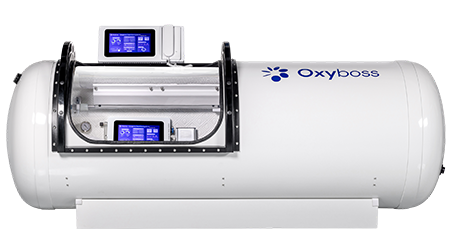
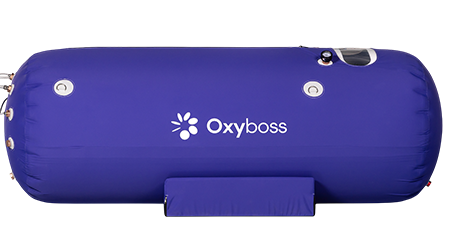
Disclaimer: This guide covers home and wellness hyperbaric chambers — including soft-shell and hard-shell models that may operate in the 1.3-2.0 ATA range, depending on the model and setup. It is not a diagnosis or treatment guide, and it does not replace the manufacturer’s instructions for use for your specific chamber. If you have questions about whether a chamber is appropriate for you, speak with a qualified professional before use.
Your first session doesn’t have to feel intimidating. It takes a little prep, some common sense, and a willingness to actually read the manual.
What This Guide Covers
If you’re about to use a home hyperbaric chamber for the first time, this guide is for you. Not a clinic overview. Not a deep dive into physics. Just practical, plain-spoken safety guidance for beginners who want to know what to wear, what to leave outside, what the experience actually feels like, and what to do if something doesn’t feel right.
We’re talking specifically about home and wellness hyperbaric chambers — including soft-shell and hard-shell units used outside a clinical treatment setting. Depending on the model, these systems may use compressed air and, in some setups, a compatible oxygen source specified by the manufacturer. The day-to-day reality of using one at home or in a wellness setting is different from operating clinical equipment, and this guide is written for that context.
One thing worth saying up front: your specific chamber’s manual overrides everything here. The tips below reflect widely shared safety principles, but chambers differ. Different models, different pressure ranges, different manufacturer rules. When in doubt, the manual wins. Every time. [1]
The Safety Basics Every Beginner Should Understand
Why Pressure, Materials, and Good Habits Matter
A home hyperbaric chamber works by increasing the atmospheric pressure around you in a controlled way. If your setup includes a compatible oxygen source specified by the manufacturer, the oxygen level in parts of the system may be higher than normal room air, which is one reason manufacturers set rules about what materials and items are appropriate nearby. [1]
Here’s the practical takeaway: pressure, materials, and setup habits all matter. This isn’t a reason to be alarmed. It is a reason to take the basics seriously every single time — especially what you wear, what you bring inside, and how closely you follow your chamber’s instructions.
Think of it less as something to fear and more as something to handle with consistency. Home chambers are designed to be used safely when the setup is correct and the rules are followed. The trouble starts when people get casual, improvise, or assume all chambers work the same way.
Why Your Manual Comes First
Generic safety advice — including this article — can only take you so far. Your chamber’s manufacturer has tested their specific unit and published specific instructions about approved materials, setup requirements, cleaning steps, and operational limits. [1]
Some chambers allow items that others don’t. Some have specific fabric requirements. Some need particular ventilation conditions in the room. If your manual says something different from what you read here, go with the manual.
Keep it somewhere accessible — not buried in a drawer. You’ll want it handy during setup and for periodic reference, especially in the first few weeks.
Home Hyperbaric Chamber Dos Before a Session
Clothing and Fabric Basics
What you wear matters more than you’d expect — though not for dramatic reasons. The concern is mainly about static electricity and keeping the interior of your chamber clean and compatible with its materials.
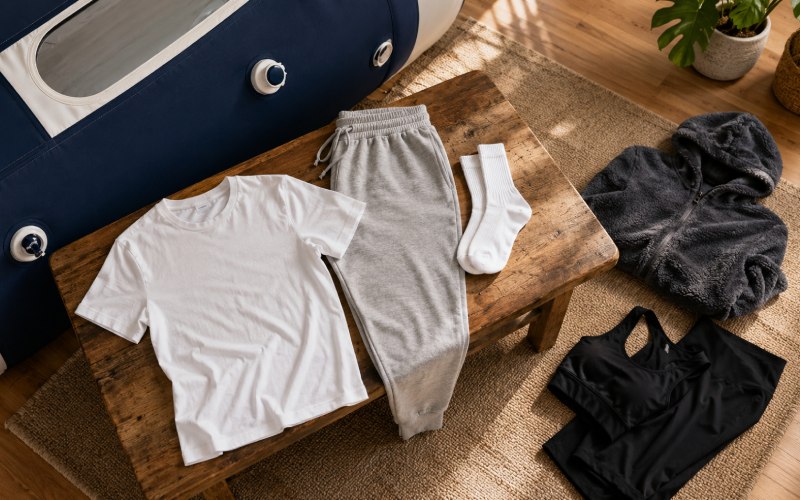
Cotton is commonly recommended by many chamber manufacturers because it tends to generate less static than many synthetic fabrics. That fleece hoodie you love? Probably not the best choice for a session. Same goes for wool socks, nylon athletic wear, or polyester-heavy blends — unless your manual explicitly says they’re fine. [1]
A few practical pointers:
- Stick to simple, chamber-compatible clothing. For most people, that means a cotton t-shirt, cotton pants or shorts, and cotton socks.
- Keep clothing simple and low-fuss. Avoid extra trims, hardware, or accessories unless your manual says they’re fine.
- Remove belts with metal buckles and anything with components your manual advises against.
A reasonable rule of thumb: keep it simple, keep it soft, and keep it cotton unless told otherwise.
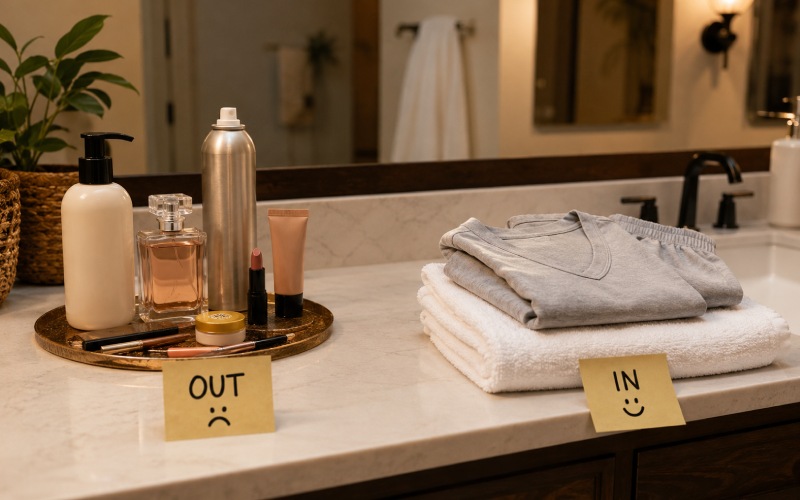
Personal Items, Skincare, and Hair Products
This is where beginners trip up most often. You’ve just moisturized, spritzed on some cologne, applied lip balm, styled your hair — and now you need to undo most of that.
Many manufacturers restrict petroleum-based products, perfumes, hairsprays, and heavy lotions. The reasoning varies: some of it is about material compatibility with the chamber’s interior, some relates to residue in an enclosed pressurized space, and some is simply about keeping the environment clean and neutral. [1]
Before a session:
- Wash off lotions, creams, and makeup — especially anything oil-based.
- Skip aerosol-based products before entry unless your manual specifically allows them.
- Remove jewelry, watches, and accessories unless your manufacturer says otherwise.
The general rule: go in clean, bare, and simple.
Room Setup and Quick Equipment Check
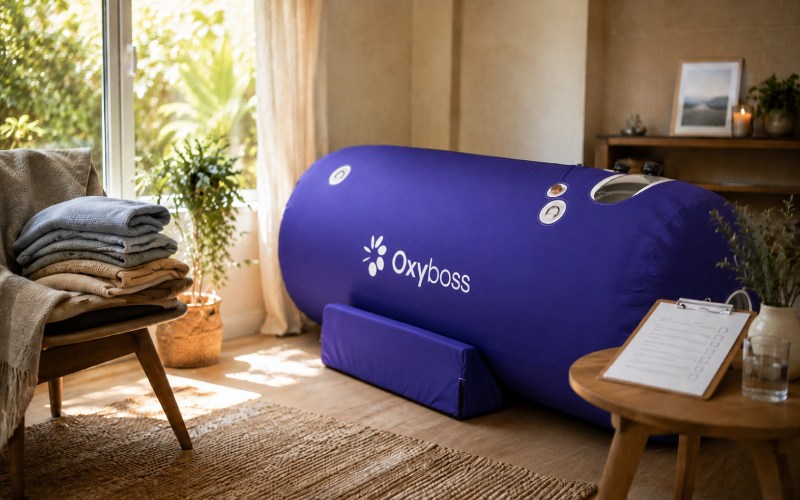
If you’re using a chamber at home, the space around it matters almost as much as what’s inside it.
Before each session, run through a quick check:
- [ ] Is the area around the chamber clear of clutter?
- [ ] Is ventilation adequate per the manufacturer’s setup instructions?
- [ ] Are the zippers, seals, and hoses in good condition — no visible wear, cracks, or debris?
- [ ] Is the power setup correct and stable? No extension cords unless the manual approves them.
- [ ] Is another person nearby or at least aware that you’re about to use the chamber?
That last point gets overlooked. Having someone nearby — or at least aware of your session timing — is a simple safety step that costs nothing. Even experienced users benefit from it. [1][2]
Home Hyperbaric Chamber Don’ts Before and During Use
Items That Commonly Stay Outside the Chamber
The list of restricted items can feel long at first, but there’s a reason behind every entry. The basic logic: if it can spark, store energy, or carry residue that doesn’t belong in a pressurized enclosed space, it probably stays outside.
Commonly restricted items include:
- Phones, tablets, e-readers — electronics are often not approved for use inside the chamber.
- Smartwatches, fitness trackers, earbuds — yes, even the small ones.
- Lighters, matches, hand warmers — obvious, but worth stating.
- Glasses with certain coatings — ask your manufacturer. Some frames and lens materials are fine; others aren’t.
- Heating pads or any battery-powered device.
- Blankets or pillows not specifically approved for use in your chamber model.
A good mental shortcut: if it isn’t your body and your approved clothing, it stays outside unless the manual says otherwise. [1]
Habits That Create Avoidable Issues
Beyond specific items, certain habits introduce unnecessary problems:
- Don’t improvise. Using a non-standard adapter, modifying the chamber setup, or adding accessories not covered in the manual is never a good idea. If it’s not in the manual, don’t do it. [1]
- Don’t skip pre-session checks because “it was fine yesterday.” Seals can wear. Hoses can develop small issues between sessions. A 60-second look is worth it.
- Don’t treat generic internet advice as model-specific permission. What works for one chamber may not be appropriate for another.
- Don’t rush pressurization. If your chamber allows you to control the rate, take it slow — especially as a beginner. Your ears will thank you.
- Don’t ignore maintenance schedules. Cleaning the chamber, inspecting components, replacing parts per the manufacturer’s timeline — all of it matters. [1][2]
What to Do If Something Feels Off
This is simple, and it doesn’t need to be complicated:
If something feels wrong — unusual discomfort, persistent ear pressure that won’t equalize, lightheadedness, anxiety, or anything that just doesn’t seem right — follow your device’s depressurization instructions and exit.
You can always try again another day. There is no session so important that you should push through genuine discomfort. Listening to your body isn’t weakness; it’s exactly what responsible use looks like.
What to Expect During a Beginner Session
Pressurization and Ear Pressure
The most common question from first-timers: “What does it feel like?”
Honestly? It feels a lot like descending in an airplane. As pressure gently increases, you’ll notice fullness in your ears. This is normal. Your body just needs to equalize.
Simple ear-clearing techniques:
- Swallow repeatedly.
- Yawn (even a fake yawn works).
- Gently pinch your nose and blow softly — the same thing you’d do on a flight.
Most people get the hang of it within the first minute or two. If the pressure sensation doesn’t ease or becomes painful, signal to stop (or stop the session yourself if you’re operating the controls). Don’t just endure it. Persistent ear pain during pressurization is your body telling you something needs to adjust.
Staying Comfortable Without Bringing Extra Items
Since most personal items stay outside, comfort inside the chamber comes down to preparation:
- Use the pillow or pad that came with your chamber, if one was included. Don’t substitute a random throw pillow from your couch unless your manual allows it.
- Get comfortable before pressurization starts. Adjusting your position is easier before things tighten up.
- Expect the pace to feel quiet. Without your phone or a book, you’re left with fewer distractions than usual. Some people find this surprisingly relaxing. Others just use the time to rest.
If your specific chamber setup includes an approved entertainment option (some manufacturers design viewing windows compatible with an external screen, for example), use it as directed. But don’t bring anything inside on your own initiative.
What to Do After a Session
The post-session routine is short but worth doing consistently:
- Exit slowly and as instructed. Depressurization should happen at the rate your device is designed for. Don’t rush it.
- Take a moment before standing up. Give yourself 30 seconds to adjust before stepping back into your routine.
- Check the chamber. Look at the interior, the seals, and the zipper area. Wipe it down per the manufacturer’s cleaning instructions. If something looks worn, note it and address it before your next use.
- Store accessories properly. Hoses, connectors, and pads should be stored as the manual directs — not tossed on a shelf.
- Log anything unusual. If you noticed a sound, a sensation, or a visual irregularity with the equipment, write it down. Patterns emerge over time, and they’re easier to catch when you track them.
Common Beginner Mistakes
Even with the best intentions, beginners tend to make a handful of predictable mistakes. Recognizing them ahead of time saves you the trouble of learning the hard way.
| Mistake | Why It Happens | What to Do Instead |
| Wearing synthetic workout clothes | They’re comfortable and seem clean enough | Switch to approved fabrics — cotton is a common default in many manuals |
| Sneaking in “just one” personal item (phone, earbuds) | Boredom feels worse than risk in the moment | Leave it outside. Every time. No exceptions unless the manual says so |
| Skipping the pre-session equipment check | “It worked fine last time” | Build a 60-second checklist habit — seals, hoses, zippers, power, clothing |
| Pushing through ear discomfort | Not wanting to “waste” a session | Stop and equalize. If it doesn’t clear, end the session and try again later |
| Assuming all chambers follow the same rules | Reading one generic article and applying it everywhere | Read your manual. Rules vary by model and manufacturer |
| Using petroleum-based lip balm or lotion | Habit — you apply it without thinking | Wash it off before entry. Use only products your manufacturer allows |
| Ignoring manufacturer maintenance schedules | Procrastination, or not realizing it matters | Set calendar reminders. Routine maintenance protects both you and the equipment |
| Confusing one chamber’s rules with another’s | Information online often blends soft-shell and hard-shell systems together | Start with your exact model, setup, and manufacturer instructions |
Common Beginner Items and Habits: OK, Not OK, or Manual-Dependent?
| Item or Habit | Why It Can Be an Issue | Typical Guidance | Safer Alternative | Check Your Manual? |
| Cotton t-shirt and pants | Lower static; widely compatible | Commonly accepted | — | Yes, confirm fabric requirements |
| Fleece jacket or hoodie | Synthetic; higher static potential | Commonly restricted | Cotton sweatshirt | Yes |
| Smartwatch or fitness tracker | Battery-powered electronic | Commonly restricted | Leave outside; track session time externally | Yes |
| Phone or tablet | Battery, electronic device | Commonly restricted | Leave outside | Yes |
| Petroleum-based lip balm | Residue in enclosed pressurized space | Commonly restricted | Wash lips; use only approved alternatives | Yes |
| Perfume or cologne | Alcohol-based; residue concern | Commonly restricted | Skip it pre-session | Yes |
| Wedding ring (plain metal band) | Materials and model rules vary | Varies | Remove to be safe | Yes |
| Drinking water (in a bottle) | Container material may not be approved | Varies widely | Hydrate before and after instead | Yes |
| Eyeglasses | Frame and coating materials vary | Varies | Ask manufacturer; some frames are fine | Yes |
| Resting with your eyes closed during a session | Setup and supervision matter | Depends on the chamber and operator guidance | Stay alert during setup, pressurization, and exit | Yes |
FAQ
What should I wear in a home hyperbaric chamber?
Most manufacturers recommend simple cotton clothing — a t-shirt, pants or shorts, and socks. The reason is static: synthetic fabrics like polyester, nylon, and fleece can generate more static than cotton, and manufacturers prefer to minimize that inside the chamber. Always check your chamber’s manual for specific fabric requirements, because approved materials can vary by model. [1]
Can I bring my phone, smartwatch, or earbuds inside?
In most cases, no. Electronics contain batteries and components that manufacturers typically list as restricted items. Even small devices like wireless earbuds usually fall into this category. If your chamber has a manufacturer-approved option for audio or viewing, use that instead. Otherwise, plan to go device-free.
Why are lotions, perfumes, or hair products often restricted?
Many personal care products contain petroleum-based ingredients, alcohols, or oils. In an enclosed, pressurized space — especially if your setup includes a compatible oxygen source specified by the manufacturer — manufacturers often prefer to keep the environment clean and free of residue. The safest approach is to enter the chamber with little to no product on your skin or hair unless your manual says otherwise. [1]
What does ear pressure feel like, and what should I do?
It feels similar to the ear pressure you experience during airplane descent — a sense of fullness or mild tightness. You can equalize by swallowing, yawning, or gently blowing against a pinched nose. Most people adjust quickly. If the sensation becomes painful and doesn’t clear with these techniques, stop the session. Persistent discomfort means something isn’t equalizing properly, and pushing through isn’t the answer.
Can I read or listen to something during a session?
Only if your chamber’s setup explicitly supports it with approved methods. Some chambers are designed with external viewing windows or compatible audio setups. But bringing a book, magazine, tablet, or any unapproved item inside on your own is generally not recommended. When in doubt, ask the manufacturer directly.
Do all home hyperbaric chambers have the same rules?
No, and this is one of the biggest misconceptions for beginners. While certain safety principles are broadly shared — like using compatible fabrics, keeping electronics outside, and following maintenance schedules — the specific rules differ by manufacturer and model. What’s approved for one chamber might be restricted for another. Your manual is the final authority. [1]
It’s also worth understanding that soft-shell and hard-shell systems can have different approved materials, accessories, pressure ranges, and setup rules. Make sure the guidance you’re following actually matches your equipment.
What should I check before every session at home?
Run through a brief pre-session checklist: verify you’re wearing approved clothing with no restricted items, inspect the chamber’s seals, zippers, and hoses for visible wear, confirm the power setup is stable and correct, ensure the surrounding area is clear and ventilated per manufacturer instructions, and make sure someone nearby knows you’re starting a session. It takes about a minute and it’s worth building the habit early.
What should I do if I feel uncomfortable during use?
Stop. Follow your chamber’s depressurization or session-end instructions. Whether it’s ear pressure that won’t equalize, lightheadedness, anxiety, or just a feeling that something isn’t right — the correct response is always the same: end the session safely. You can try again another time. No single session is worth ignoring what your body is telling you.
References
- U.S. Food and Drug Administration. Follow Instructions for Safe Use of Hyperbaric Oxygen Therapy Devices — Letter to Health Care Providers. This is the key baseline source for manufacturer instructions, compatible materials, prohibited items, grounding, cleaning, and maintenance. https://www.fda.gov/medical-devices/letters-health-care-providers/follow-instructions-safe-use-hyperbaric-oxygen-therapy-devices-letter-health-care-providers
- Undersea and Hyperbaric Medical Society. Safe Design and Operation of Hyperbaric Chambers. This is useful background on pressure-vessel safety, fire safety, and operating practices. https://www.uhms.org/images/Safety-Articles/safe_design_and_operation_of.pdf