Written by: Dr. Carl Kirsch
Reviewed by: Dr. Carl Kirsch
Updated: April 2026
Disclaimer: This page is for educational purposes only and is not a substitute for professional medical advice.
Search this topic long enough and the same shape keeps returning.
The published human studies do not support a clean, sweeping claim. They do show a signal. Mostly around movement, sensation, and everyday function. Then that signal gets blurred by small sample sizes, uneven timing, different chamber pressures, different session lengths, different total session counts. So the honest read is not dramatic. HBOT for spinal cord injury looks promising in parts. Unsettled overall.
Quick Answer
- Current research leans positive, but not final.
- Earlier use carries the strongest logic in the published record.
- The spinal cord injury papers people cite are usually built around full-pressure chamber use, not mild home units.
- There is still no single protocol that everyone uses the same way.
- In the U.S., spinal cord injury generally sits outside the named HBOT indication and coverage lists used for routine access, which is one reason cost and logistics can get complicated fast.
What Research Suggests About HBOT for Spinal Cord Injury
When human studies are pooled, the direction usually points the same way: better movement scores, better sensation scores, and some lift in day-to-day function compared with non-HBOT groups. But the same pooled work also says larger, higher-quality studies are still needed. That part matters. The positive signal is there. The certainty is not.
Later reviews did not flip that picture. They mostly tightened it. The field still looks interesting, still mixed, still short on one agreed protocol. Long-run durability is still not well pinned down. A lot of the human work also leans toward cervical injury, which narrows how broadly the results can be read.
Why HBOT Results Vary: Timing, Pressure, and Protocol
This is where a lot of pages get sloppy.
The research does not describe one universal HBOT schedule for spinal cord injury. It describes a cluster of similar setups. Similar, not identical. Pressure changes. Timing changes. Session length changes. Total course length changes. What HBOT is paired with changes too. That spread is one reason the field still feels noisy even when the direction looks favorable.
Benefits the Research Points Toward
The narrow, defensible read looks like this:
- movement may improve more in some groups
- sensation may improve more in some groups
- everyday function may improve more in some groups
- earlier use appears to make more sense than delayed use
That last point matters most.
Not because it guarantees a better outcome. Because the logic of HBOT in spinal cord injury has always leaned toward the early window after injury, and the better-known human papers sit closer to that window, not far away from it. Recent reviews still describe timing, duration, and cycle count as unresolved rather than settled.
Hard Chamber vs. Soft Chamber: Not the Same Thing
This part should be plain.
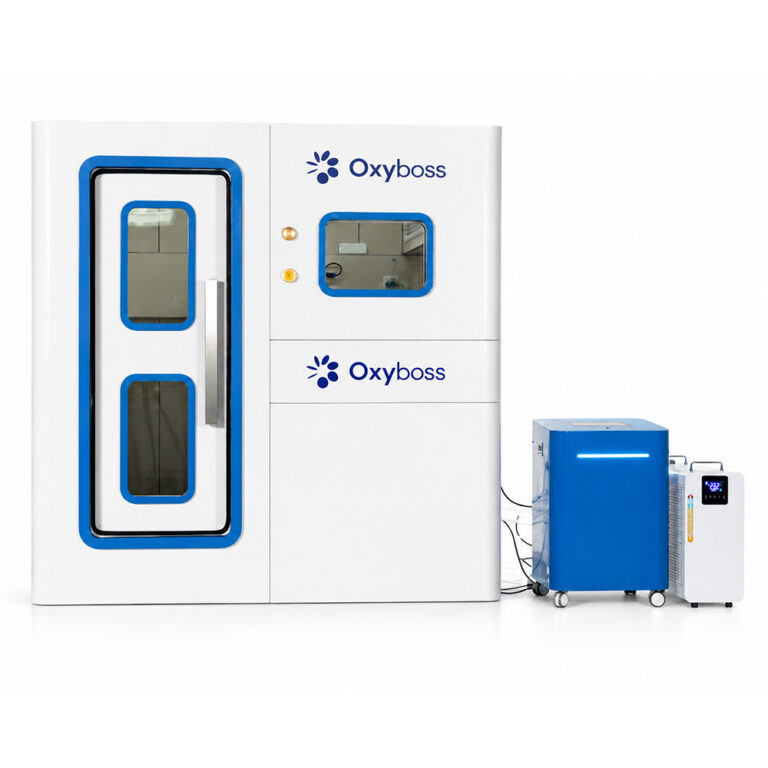
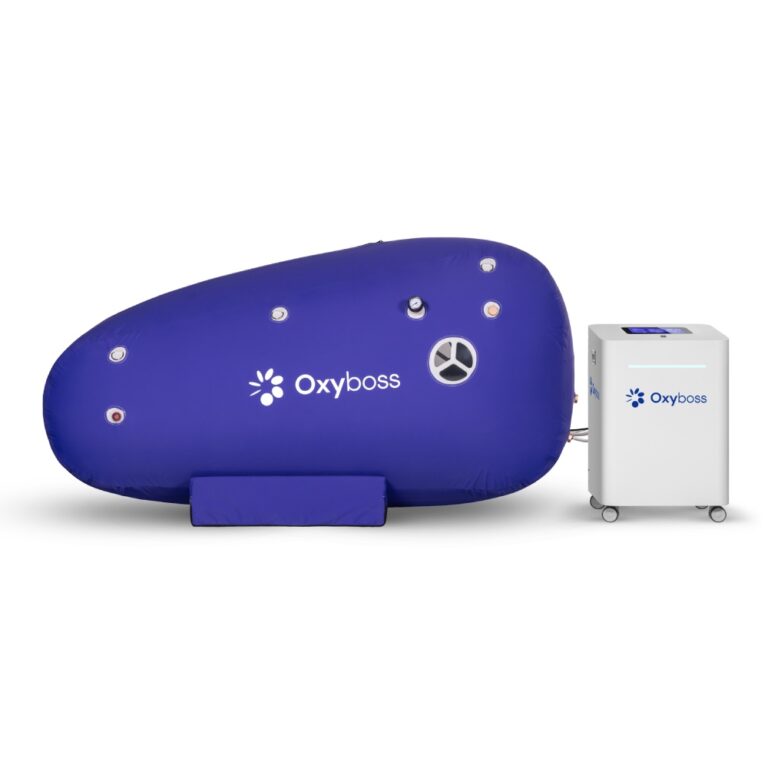
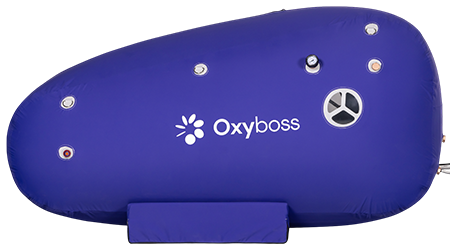
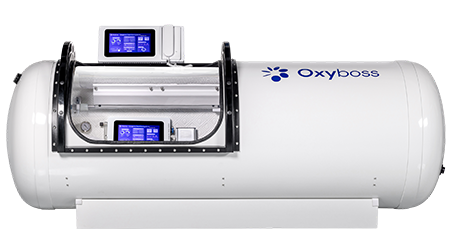
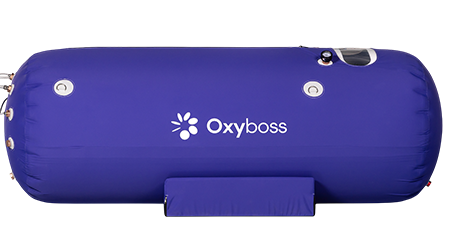
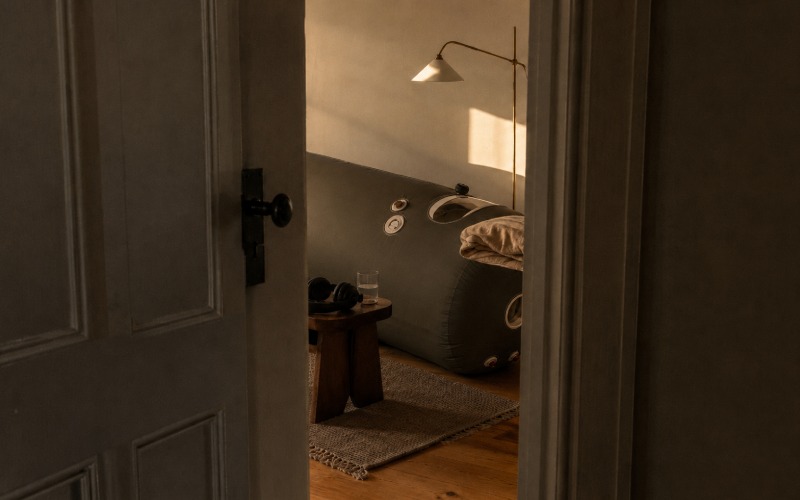
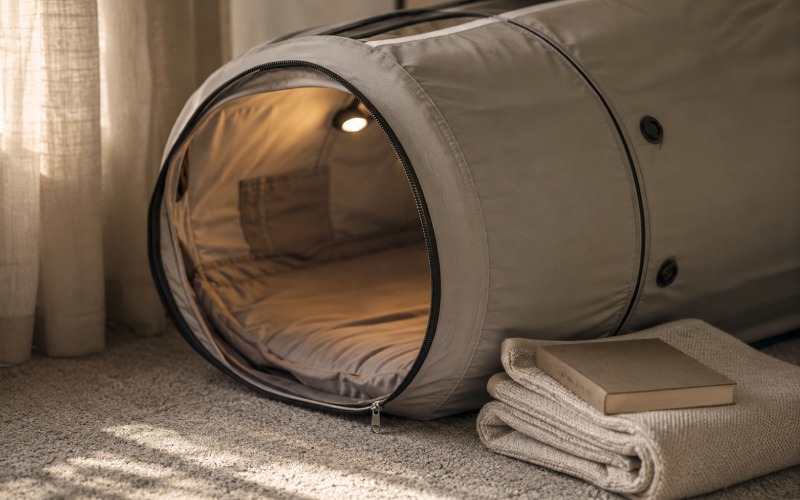
The spinal cord injury papers most people point to were not built around mild soft chambers used at low pressure in the home. They were usually built around full-pressure chamber settings. That is a different exposure. Different protocol. Different evidence base. So no, the published spinal cord injury research does not support treating these setups as interchangeable.
What a Typical HBOT Research Schedule Looks Like
There is no single standard schedule. Still, a pattern shows up often enough to be useful. Recent reviews of spinal cord injury studies commonly cluster around chamber pressures near 2.0 ATA, daily use, and course lengths ranging from about 10 days to 8 weeks. Individual studies in that review include 2.0 ATA for 10 days, 2.0 ATA once daily for 30 days, and 2.0 ATA six days a week for 8 weeks.
| Research Variable | What Commonly Appears | What That Means |
| Chamber pressure | Often near 2.0 ATA | Closer to full-pressure use than mild home formats |
| Session length | Often 45 to 90 minutes | Not a brief in-and-out exposure |
| Frequency | Usually daily or near-daily | The schedule is often intensive |
| Course length | About 10 days to 8 weeks | Total exposure varies a lot |
| Best-supported timing | Earlier use | The research logic is stronger near the front end |
Access, Cost, and Coverage
This is where theory runs into real life.
In the U.S., HBOT devices are Class II prescription devices, and current FDA-cleared device materials tie intended use to selected medical conditions already recognized for hyperbaric use. Spinal cord injury does not appear on those named lists, so it is generally discussed as an off-label HBOT context rather than a routine listed indication. Medicare also covers HBOT only for certain named conditions, and spinal cord injury does not appear on that routine list. That does not make HBOT irrelevant here. It does mean access is less standardized, coverage is less predictable, and self-pay enters the picture much more often.
What Holds the Evidence Back
The main weaknesses are not subtle.
1. Small studies
Some of the most cited papers are still too small to close the argument.
2. Uneven protocols
Pressure, timing, session length, and total sessions vary too much.
3. Limited follow-up
Short-run gains are easier to show than long-run stability.
4. Narrow study mix
Cervical injury appears more often than other segments in the published human work.
5. Noise around the signal
Positive direction, yes. Tight consensus, no.
Downsides That Show Up Most Often
HBOT is not chaos. It is not neutral either.
Across broader HBOT safety reviews, ear discomfort and ear barotrauma show up most often. Temporary vision changes, headache, and chamber intolerance also appear. A 2023 systematic review and meta-analysis also found higher rates of adverse effects when chamber pressure went above 2.0 ATA and when the course ran beyond 10 sessions. That does not erase the value question. It just means the downside profile is real, not decorative.
FAQ
Is HBOT proven for spinal cord injury?
No. The published work points in a positive direction more often than not, but the evidence is still too uneven to call final.
Does timing matter?
Yes, in the sense that the strongest research logic and the more encouraging human papers sit closer to the early window after injury.
Do soft chambers have the same support as hard chambers in spinal cord injury research?
No. The spinal cord injury papers most often discussed are usually based on full-pressure chamber use, not mild home setups.)
How many HBOT sessions do studies usually describe?
Daily or near-daily use is common. Reported course length ranges from about 10 days to several weeks, with no single schedule accepted as the standard one.
What issues come up most often during chamber use?
Ear pressure problems lead the list. Temporary vision changes, headache, and chamber intolerance also show up in safety reviews.
Is spinal cord injury a routine covered indication in the U.S.?
No. It does not appear on the current Medicare list of routine covered HBOT indications.
Bottom Line
HBOT for spinal cord injury is not backed by a clean final answer. It is backed by a pattern.
That pattern looks like this:
- there is a real positive signal
- earlier use makes more sense than delayed use
- full-pressure chambers sit much closer to the actual research base than mild home units
- protocol differences still make the field hard to compare
- the evidence is useful, interesting, and still incomplete