By mid-season, recovery is not a theory problem. It is an operations problem.
Sunday leaves a roster carrying contact load, sprint residue, travel drag, and not much patience. Monday disappears into meetings, lifts, manual work, and the usual fight for room time. Tuesday looks manageable until it is not. By Wednesday, the building needs players moving like football players again, not just looking less stiff walking past the training room.
That is where Hyperbaric Oxygen Therapy (HBOT) starts to earn its space in an NFL facility.
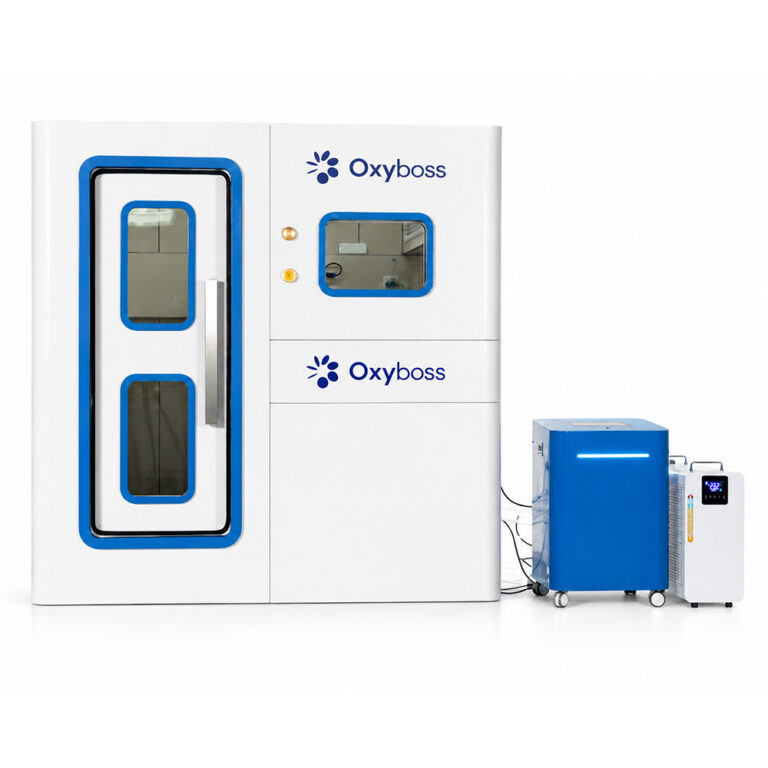
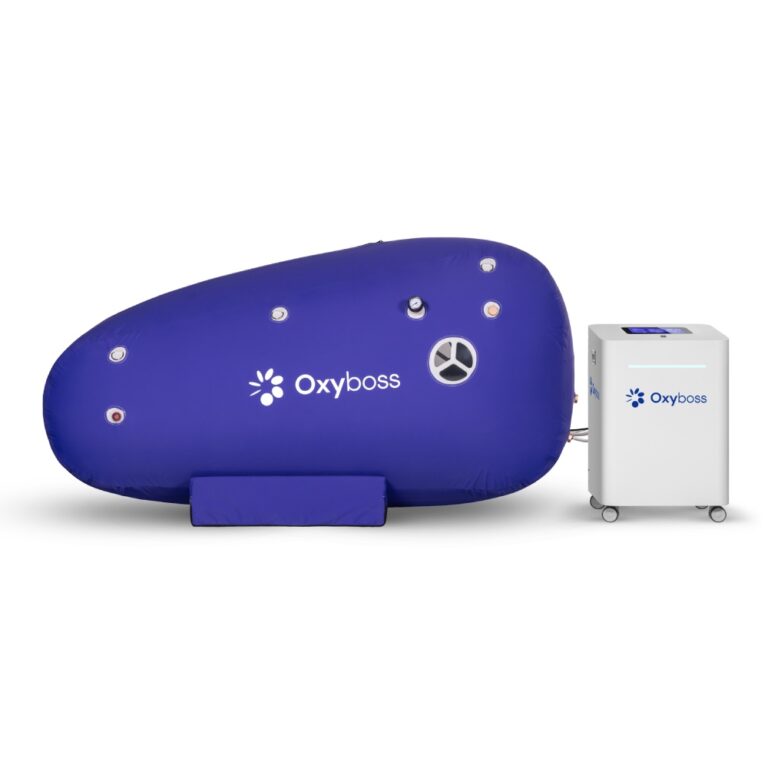
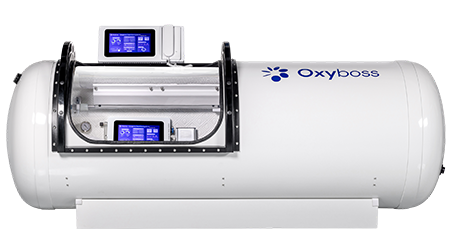
Not as a miracle room. Not as a standalone answer. As a controlled recovery lane that can be inserted into a crowded week without creating a second problem around noise, turnover, maintenance, or floor space. From our side, that is the real divide in this market. Plenty of hyperbaric chambers can reach pressure. Far fewer can handle repeated team use without becoming equipment the staff end up babysitting.
Why NFL Recovery Becomes a Throughput Problem
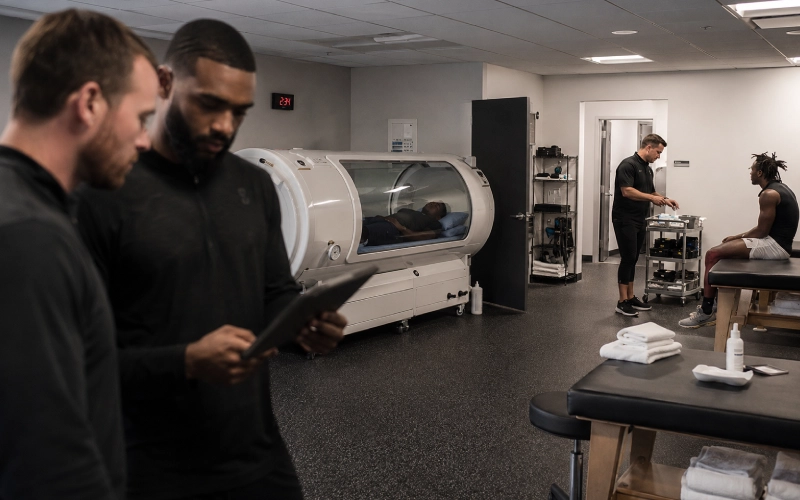
A pro football facility does not recover players one at a time. It recovers them in waves.
High-snap players come in first. Certain position groups bring a different kind of wear. Travel weeks distort the room schedule. Soft tissue work competes with film. Film competes with everything. The hyperbaric chamber has to live inside that traffic, not outside it.
That is why the buying conversation changes once a team gets serious. The question stops being, “Does the chamber work?” and becomes, “Can this setup handle repeated use, quick resets, and real facility conditions without slowing the day down?”
That second question is the one that matters. A hyperbaric chamber with polished brochure language but weak turnover logic will frustrate staff almost immediately. A hyperbaric chamber that runs hot after repeated compression cycles, adds sharp mechanical noise to the recovery room, or needs awkward maintenance between sessions will get used less, even if the pressure profile looks fine on paper.
In this market, adoption is practical. If the unit makes the week harder, the week wins.
What Teams Actually Need From an HBOT Setup
Most buyers do not need another abstract explanation of oxygen. They need equipment that behaves well under team conditions.
That starts with pressure stability. In a pro setting, a useful hyperbaric chamber usually operates in a practical range such as 1.3 to 1.5 ATA, but the number alone is not the story. The real question is whether the unit reaches and holds that range cleanly, then repeats the same behavior later in the day after several back-to-back sessions.
Then there is cycle discipline. Entry, pressurization, hold, release, surface cleaning, reset. If any part of that flow is clumsy, throughput drops. After that, the less glamorous issues show up, and those issues tend to decide whether the chamber becomes part of the weekly routine or gets pushed to the side: room noise, internal heat, airflow, seal wear, filter access, oxygen concentrator access, shell durability, and how the system behaves late in the day when the room is already busy.
For pro football, we evaluate HBOT equipment in four layers:
- Pressure behavior — stable operation across repeated compression cycles, with an ATA range that supports a realistic recovery schedule.
- Structural durability — shell construction, seam integrity, entry system reliability, and pressure-relief assemblies that hold up under repeated team traffic.
- Room behavior — noise control, vibration management, airflow routing, and interior conditions that stay usable when the room is crowded.
- Serviceability — oxygen concentrator access, filter checks, routine cleaning, and maintenance steps that can be handled without taking the unit offline for half a day.
That is the checklist. Not just whether the chamber inflates.
The Engineering Problems Show Up After Session Eight, Not Session One
This is where lighter-duty equipment usually gets exposed.
Single-session demos do not tell you much. Team use does. Repeated inflation cycles test the shell. Repeated entry and exit test the seal strategy. Long days test motor isolation, airflow management, and heat control. Quick resets test whether the operator interface is clean or irritating. By the back half of the season, anything marginal in the build tends to stop being subtle.
That is why seam construction matters more than many first-time buyers expect. Under heavy weekly rotation, standard zipper-based approaches can become a weak point. Staff move quickly. Players do not handle equipment gently. Rooms are not controlled showroom environments. In our builds, we prefer heat-welded polyurethane seam construction wherever possible because it holds up better under repeated team traffic and reduces the sort of small integrity issues that operators end up chasing between sessions.
The same logic applies to the pressure system. Teams do not need a hyperbaric chamber that merely reaches an ATA target once. They need one that reaches target pressure smoothly, holds it with minimal drift, releases cleanly, and repeats that cycle throughout a packed day without becoming temperamental.
Then there is airflow. In marketing copy, airflow sounds minor. In actual use, it does not stay minor. Back-to-back sessions make stale interior conditions more noticeable, and heat buildup becomes more important than many buyers expect. A chamber that feels fine during a morning demo can feel very different after repeated use in a warm room with the next player already waiting. That is why airflow routing, surface ventilation, and oxygen concentrator integration need real attention during evaluation.
The equipment has to respect the room.
Why Noise Matters More Than Buyers Expect
Some decisions get made by spec sheet. Others get made by how the room reacts once the machine is running.
HBOT falls into both categories.
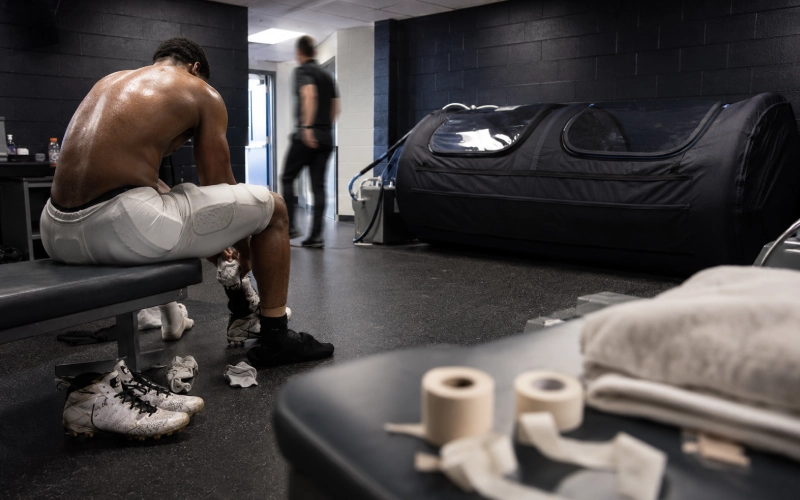
Recovery rooms in NFL facilities are not quiet labs. They are reflective spaces with rolling tables, taped ankles, turf particles on the floor, staff traffic, equipment bags, cold tubs nearby, doors opening and closing, and players trying to settle into a short block of stillness before the next obligation. A hyperbaric chamber that adds harsh compressor noise or noticeable vibration changes the room immediately.
This is why motor isolation deserves more attention during evaluation. In our view, chamber noise should sit low enough that it does not dominate the room. As a practical benchmark, many teams are far more comfortable with operation that stays below roughly 50 decibels at normal room distance, rather than a system that technically runs well but sounds sharper than the rest of the recovery floor. The point is not a vanity number. The point is whether the unit blends into the room or fights it.
Quiet equipment gets used. Disruptive equipment gets tolerated for a while, then quietly avoided.
How HBOT Fits a Mid-Season NFL Schedule
The hyperbaric chamber should be planned backward from the week, not forward from the machine.
Monday is different from Wednesday. Home weeks are different from travel weeks. A team does not need the same chamber logic every day, and that is often where generic HBOT content misses the point. The value is not in running everyone through the same session pattern. The value is in placing the chamber where it supports the next football demand without creating extra drag for the staff.
Here is the framework we use for a typical NFL facility.
Mid-Season HBOT Planning Table for NFL Teams
| NFL Week Window | Main Objective | HBOT Priority | Equipment Requirement | Operator Focus |
| 0–12 hours after game | Open the first recovery lane for high-load players | High | Clean startup, stable ATA hold, smooth turnover | Move high-snap players first and keep the queue tight |
| 12–24 hours | Extend recovery access across a wider group | High | Reliable repeat cycles, manageable room noise, easy surface reset | Keep flow consistent around meetings and manual work |
| 24–48 hours | Support the week without disrupting reload work | Medium to High | Back-to-back operating consistency, quick routine checks, controlled heat behavior | Prioritize players still trailing the group |
| 48–72 hours | Selective use only | Medium | Predictable operation, no room disruption, no maintenance surprises | Use chamber time with discipline, not habit |
| Travel / away-game weeks | Preserve continuity outside the main facility | Situational | Durable shell construction, compact pack-down, dependable redeployment | Protect schedule integrity and reduce setup drag |
That table is simple on purpose. Good planning usually is.
The chamber does not need to touch every player to justify itself. It needs to serve the week efficiently.
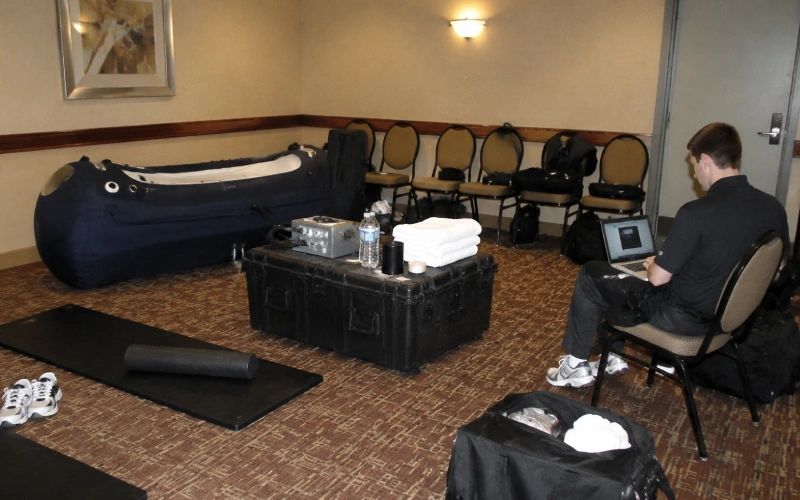
Travel Units Need a Different Standard
A road unit should not be judged as a smaller home unit. It has a different job.
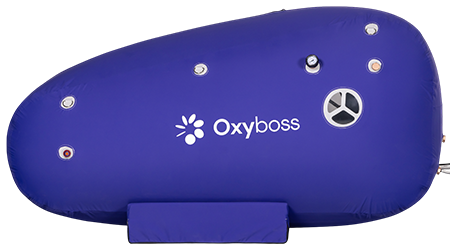
Portability matters, yes. But portability alone is cheap. The harder question is whether the system still behaves like serious equipment after repeated packing, movement, setup, and takedown. Shell construction matters more here. So do connection points, deployment logic, and how consistent the hyperbaric chamber feels after it has been moved through different environments over the course of a season.
Away weeks are not the place for delicate equipment. Staff already have enough variables to manage. A travel chamber should deploy quickly, hold its shape well, and avoid turning setup into a ceremony. If it arrives easily but introduces extra friction once it is in the room, it has not solved the right problem.
For NFL teams, a travel HBOT setup is worth the investment only when it protects the recovery standard away from home. That is the bar.
What Separates Useful HBOT Equipment From Expensive Furniture
Three things, mostly.
First, schedule fit. The hyperbaric chamber has to sit in the week naturally. If it fights the building schedule, it will always feel optional.
Second, throughput discipline. Team use exposes weak turnover design quickly. A chamber that cannot handle repeated traffic without slowing down is not built for this market.
Third, equipment behavior under real conditions. Dust, tape residue, turf particles, quick cleaning, long days, crowded rooms, impatient operators. The machine has to behave well there, not just in controlled demonstrations.
That is what teams are buying, whether they phrase it that way or not. They are buying consistency under pressure. Not just chamber pressure. Facility pressure.
FAQ
What should NFL teams look at first when evaluating an HBOT chamber?
Start with repeat-use durability, turnover speed, room behavior, and maintenance access. Pressure capability matters, but pro teams usually feel the pain first in daily operation, not in brochure numbers.
How important is ATA in a team setting?
ATA matters, but it should be part of a broader equipment conversation. Teams need a chamber that can reach and hold a practical operating range, typically around 1.3 to 1.5 ATA for many recovery workflows, and repeat that behavior throughout the week without becoming unpredictable.
Why does the oxygen concentrator matter so much?
Because it sits at the center of day-to-day reliability. Buyers should pay attention to oxygen concentrator access, airflow integration, routine checks, and how easy the unit is to service without disrupting the recovery schedule.
Are soft-shell units good enough for NFL teams?
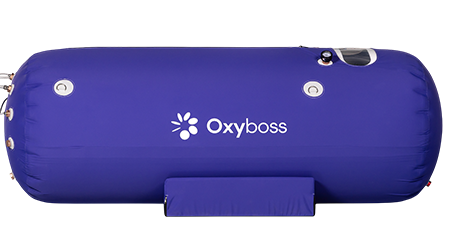
They can be, especially for travel use, but only if the shell construction, seam strategy, and deployment logic are built for repeated team handling. Portability does not excuse weak structural behavior.
What makes a chamber hard to live with in a facility?
Usually the same things: sharp noise, awkward maintenance steps, inconsistent reset times, stale interior conditions after repeated sessions, or an entry system that wears faster than expected. Teams notice those issues long before they complain about headline specs.
Should every player use HBOT every week?
Not necessarily. In a pro football environment, chamber time works best when it is prioritized around game load, schedule, and the next football demand. Blanket usage sounds organized, but often wastes capacity.
Final Word
HBOT has real value in pro football when it is treated as infrastructure, not theater.
The chamber has to fit the NFL week, support a crowded recovery block, tolerate repeated use, and stay out of the staff’s way while doing it. That is the version that lasts through the middle of the season. The version that gets used in real buildings. The version buyers remember once the novelty is gone and only the schedule is left.