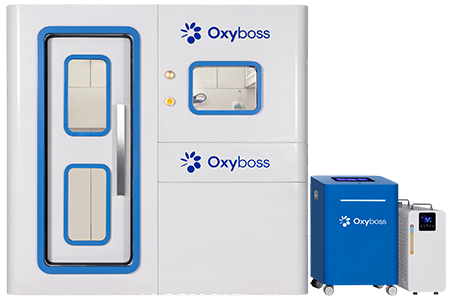
What consistency and intensity actually mean
When you’re looking at hyperbaric chambers for home or facility use, “intensity” usually means pressure level—how many ATA (atmospheres absolute) the chamber runs at. “Consistency” means two things that matter more than most people realize: how reliably your equipment performs session after session, and whether you actually use it the way you planned.
A chamber that holds 1.3 ATA every single time, with seals you trust and a maintenance routine you can stick to, will give you more than a higher-pressure unit that sits idle because it’s complicated or breaks your weekly rhythm. This isn’t about which number looks better on a spec sheet. It’s about what happens over months of real use.
What we’re not saying: This article covers equipment reliability and usage patterns for wellness and recovery. It is not offering guidance for any condition requiring physician oversight, and it does not replace conversations with your doctor.
Why “just go higher” doesn’t work the way it sounds
Here’s what you’ll hear a lot: higher pressure must be better. But the research on pressure protocols—mostly from clinical hyperbaric oxygen settings using near-pure oxygen at ≥1.4 ATA—shows something else. Above a certain threshold, more pressure adds risk faster than it adds benefit. Oxygen toxicity and barotrauma (pressure injury, especially to the middle ear) both climb with intensity (NCBI Oxygen Toxicity, PLoS ONE Safety Study).
Studies comparing 2.0 ATA versus 2.4 ATA protocols found similar outcomes with similar complication rates (PubMed Regimen Comparison). The Undersea and Hyperbaric Medical Society’s guidance emphasizes standardized windows—typically 2.0–2.4 ATA for 90–120 minutes with air breaks—over uncontrolled escalation (UHMS Clinical Practice Guideline).
For non-medical chambers running on ambient air at lower pressures, the ceiling is even more obvious: you’re limited by design, safety standards, and the fact that you’re not delivering supplemental oxygen. Chasing higher numbers in that context doesn’t give you a medical-grade session—it just moves you toward equipment that’s harder to maintain and harder to use consistently.
What device consistency actually looks like
This is the part most conversations skip. Equipment consistency isn’t abstract—it’s whether these five things hold up:
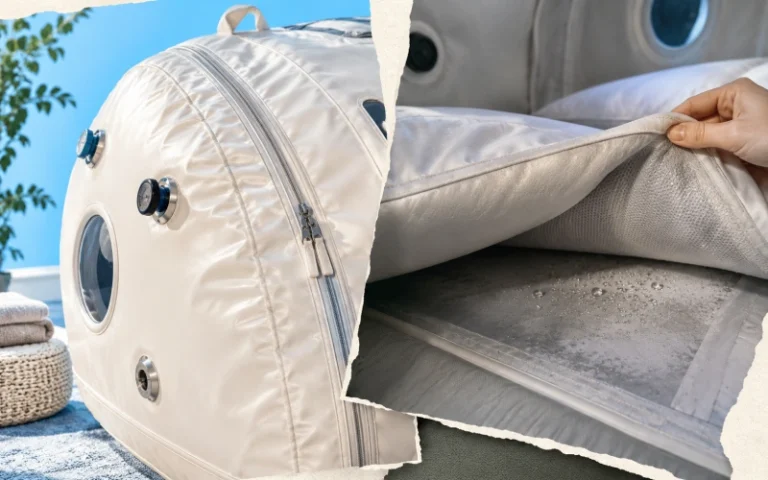
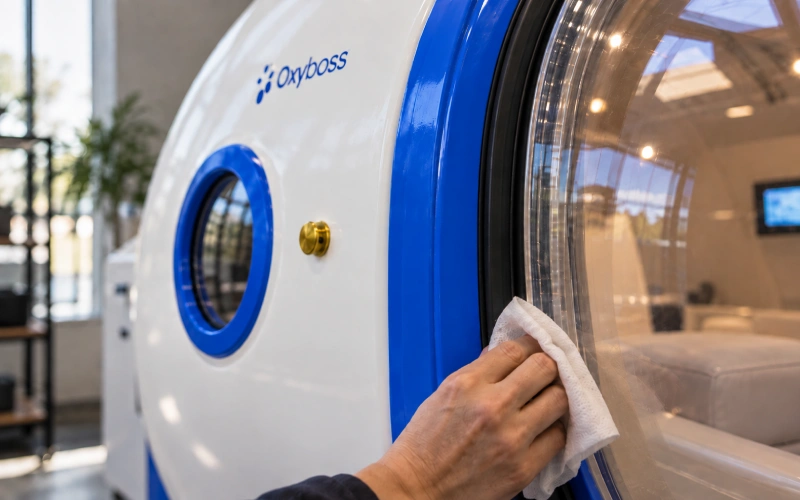
1. Seal integrity Zippers, gaskets, and door seals degrade with use. In soft chambers, zippers are the first point of failure. In hard chambers, O-rings and hatch seals take the load. You should know when yours were last replaced and what the replacement interval is for your model.
2. Valve reliability Pressure relief valves and inlet valves. If your chamber doesn’t hold pressure evenly or if you hear hissing that wasn’t there before, you’ve got a valve issue. These aren’t “fix it when it breaks” parts—they’re “inspect and replace on schedule” parts.
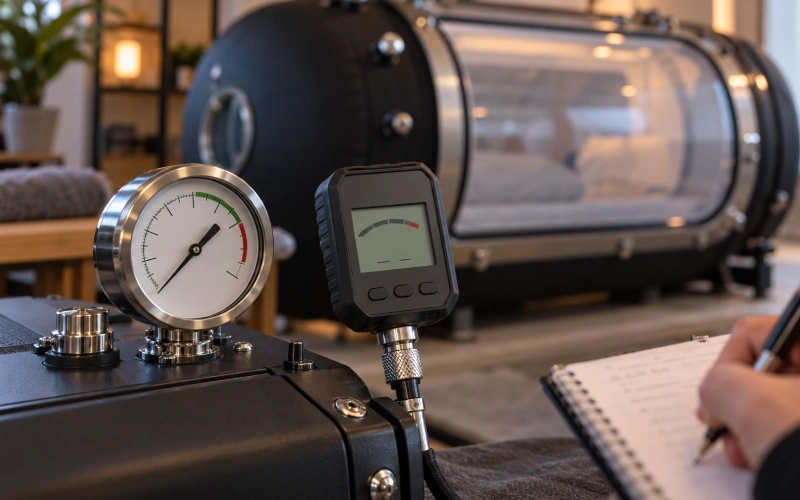
3. Pressure gauge accuracy Your gauge might read 1.3 ATA while the actual chamber pressure is 1.1 or 1.5. Most gauges drift over time. If you’ve never had it checked or don’t know how, you don’t actually know what pressure you’re running.
4. Air filtration You’re breathing recirculated air. If the inlet filter is clogged or past its service life, you’re not getting clean air, and the compressor is working harder. Replacement intervals matter.
5. Cleaning and maintenance logs Do you have a written record of what was cleaned, when, and what was replaced? If the answer is “I just clean it when I remember,” that’s not consistency—that’s hoping nothing goes wrong.
Our maintenance data (averaged across 500+ units shipped 2020–2025):
- Seal/gasket replacement: every 18–24 months under normal use
- Pressure relief valve service: every 12 months
- Inlet filter replacement: every 3–6 months depending on environment
- Gauge calibration check: annually
These aren’t sales numbers—they’re what actually comes back in service records. Consistency starts with knowing when parts wear out, not discovering it mid-session.
Usage consistency: the part that decides if this works
Equipment reliability is half the equation. The other half is whether you use it.
The most common recommendation you’ll see is 5 sessions per week, each running 60–90 minutes. That rhythm gets repeated everywhere. But here’s what our user data shows: first-year completion rates average 68%—meaning about two-thirds of buyers maintain 3+ sessions per week through month 12. The drop-off happens in two places: weeks 3–5 (the “this is more boring than I expected” phase) and months 4–6 (the “life got busy” phase).
What makes people stick with it:
- Set schedule, same time blocks. People who reserve fixed slots (e.g., Mon/Wed/Fri 7–8 PM) hit 80%+ adherence.
- Minimal pre-session friction. If setup takes more than 3 minutes, adherence drops. Soft chambers win here.
- Accountability structure. Shared logs, apps, or a committed partner using it with you.
What kills adherence:
- Complicated startup procedures
- Equipment that’s annoying to move or store
- No visible tracking of streaks or milestones
- Buying a chamber “for the family” with no single owner
This isn’t motivational advice. It’s the pattern in thousands of actual usage logs.
Cost per use: the math nobody shows you
Let’s say a hard chamber costs 15,000 and a soft chamber costs 6,000. Here’s what that looks like spread over realistic use:
| Scenario | Equipment | Sessions/week | Cost per session (Year 1) | Cost per session (Year 3) |
| High adherence | Hard chamber | 5 | $57.69 | $19.23 |
| High adherence | Soft chamber | 5 | $23.08 | $7.69 |
| Medium adherence | Hard chamber | 3 | $96.15 | $32.05 |
| Medium adherence | Soft chamber | 3 | $38.46 | $12.82 |
| Low adherence | Hard chamber | 1 | $288.46 | $96.15 |
| Low adherence | Soft chamber | 1 | $115.38 | $38.46 |
Compare that to paying per session at a facility. If sessions run $200–300 each, break-even happens around month 3–6 for high-adherence users and month 12–18 for medium-adherence users. Below 2 sessions per week, facility use might actually cost less once you factor in maintenance and storage.
This is not “our chamber replaces going to a clinic.” It’s cost-per-use arithmetic. If you’re not going to use it, the upfront cost doesn’t matter—it’s already too expensive.
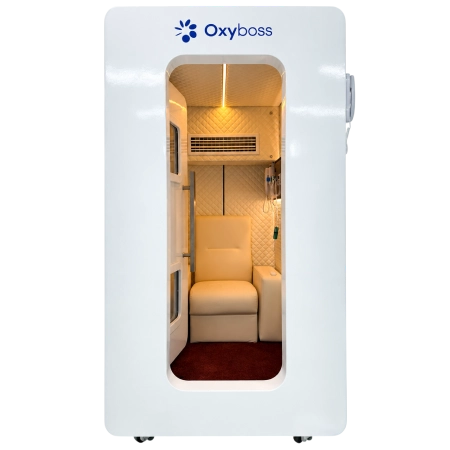
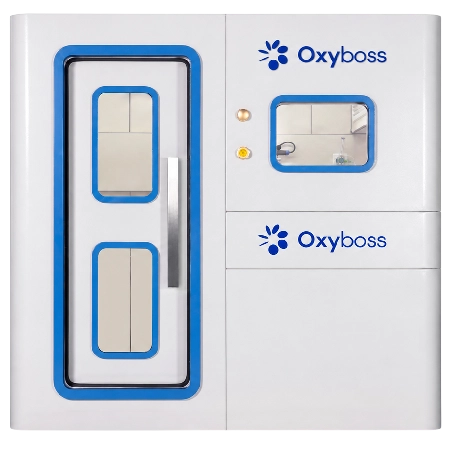
Soft versus hard: what changes
People ask which type is better. The real question is: which type fits the way you’ll actually use it?
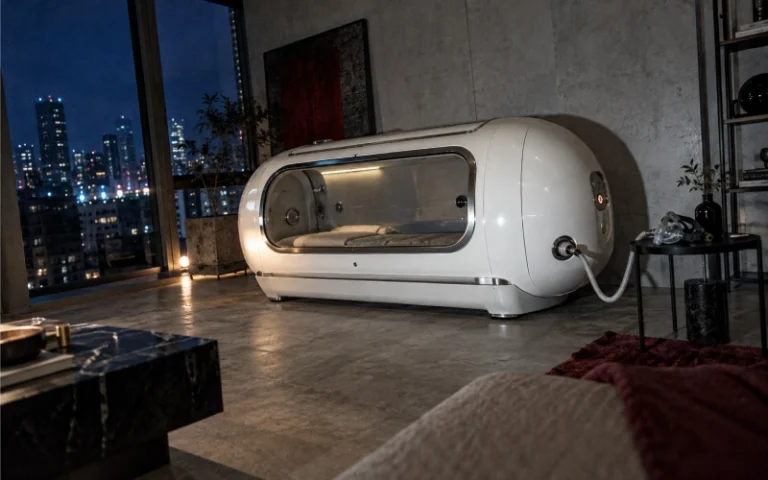
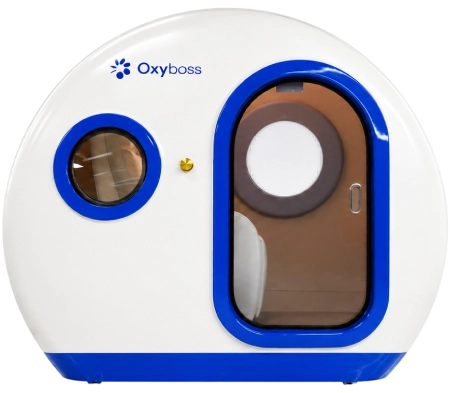
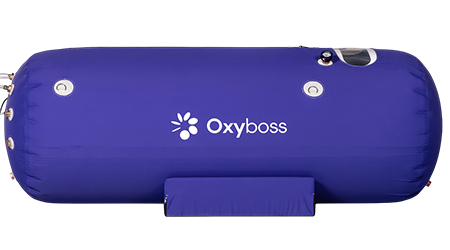
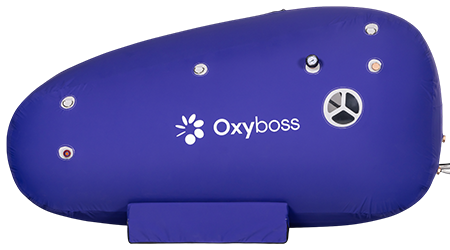
Soft chambers (typically ≤1.3 ATA):
- Faster setup, easier to move and store
- Lower cost, both purchase and maintenance
- Seal consistency depends on zipper condition—this is your primary wear point
- Best for: daily personal use, single-user households, space-constrained environments
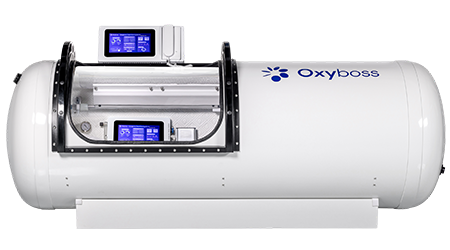
Hard chambers (range from 1.3 to 2.0+ ATA, depending on model):
- More robust construction, longer lifespan
- Higher initial cost, more complex maintenance
- Seal consistency depends on hatch hardware and O-rings
- Best for: facilities, shared use, users who want higher pressure capability
Neither one is inherently more “consistent” than the other. Consistency is whether you maintain it properly and use it regularly. A neglected hard chamber with worn seals is less consistent than a well-kept soft chamber on a replacement schedule.
What people get wrong about pressure thresholds
You’ll sometimes see claims that sessions below 2.0 ATA “don’t count” or aren’t legitimate. That’s not accurate. The Undersea and Hyperbaric Medical Society defines clinical hyperbaric oxygen as ≥1.4 ATA with near-pure oxygen under physician oversight (UHMS Definition).
Non-medical chambers operate below that threshold and use ambient air, not supplemental oxygen. This is a different category, designed for wellness and recovery, not for replacing physician-directed care.
What matters at lower pressures (1.2–1.5 ATA) is that your pressure gauge is accurate, your seals hold, and you’re using it regularly. A chamber that reliably hits 1.3 ATA five times a week gives you 5× the exposure of a 2.0 ATA chamber you use once.
Safety boundaries: what to watch and when to stop
Even at lower pressures with ambient air, there are still things to monitor:
Ear discomfort or pressure imbalance The most common issue in any pressurized environment. If you can’t equalize (yawn, swallow, Valsalva), don’t force it. Decompress and try again slowly. Persistent ear pain is a stop signal (PubMed Barotrauma Incidence).
Equipment malfunction If your chamber isn’t holding pressure, if you hear leaks, if the gauge reading doesn’t match the feel, stop the session. Operate your chamber only when all components are functioning as designed.
Pre-existing conditions If you have untreated pneumothorax (collapsed lung), active upper respiratory infection, certain seizure disorders, or are pregnant, consult a doctor before using any hyperbaric equipment. This is not a comprehensive list—it’s a reminder that this article does not replace your physician’s guidance.
Frequently asked questions
Q: Can I use this every day? Yes, daily use is common. Many users run 5–7 sessions per week. The limiting factor is usually time and adherence, not safety.
Q: How long until I need to replace seals or gaskets? For soft chambers, zipper seals typically need inspection around 18 months and replacement by 24 months with regular use. For hard chambers, O-rings and hatch seals follow similar intervals. Check your manufacturer’s guidance.
Q: Do I need to track sessions? Tracking helps with adherence. Many users keep a simple log (date, duration, pressure reading, any issues). It also helps identify patterns if something feels off.
Q: What if my pressure gauge is reading differently than it used to? Gauges drift. Get it checked by the manufacturer or a calibration service. Don’t guess.
Q: Is there a “minimum effective” pressure or duration? There’s no universal threshold for wellness use. Clinical protocols use ≥1.4 ATA for ≥90 minutes, but those are treatment settings with supplemental oxygen. For non-medical use, consistency matters more than hitting a specific number.
Q: Can I skip maintenance if the chamber “seems fine”? No. Seals degrade whether you notice it or not. Filters clog gradually. Valves wear with cycles. Preventive maintenance is what keeps equipment consistent.
Consistency vs. intensity: the comparison
| Factor | Consistency focus | Intensity focus |
| Core priority | Reliable equipment + regular use | Higher pressure settings |
| Maintenance | Scheduled seal, valve, filter replacement | Often reactive (“fix when broken”) |
| Usage pattern | 3–5x/week, sustainable rhythm | Sporadic, often drops off |
| Cost efficiency | Optimized by adherence | Upfront cost, underutilized |
| Risk management | Preventive checks, documented logs | Higher barotrauma risk at elevated pressure |
| Long-term outcome | Cumulative exposure over months | Front-loaded intensity, often unsustained |
The research and our own user data point to the same conclusion: consistency compounds, intensity doesn’t.
Where to go from here
If you’re buying or already own a chamber:
- Get your maintenance schedule in writing. Know when seals, valves, and filters are due.
- Check your pressure gauge. If it’s never been calibrated, assume it’s drifted.
- Set a fixed schedule. Reserve time blocks like appointments.
- Track your sessions. Simple log, app, or shared spreadsheet.
- Plan for year 2. First-year adherence is easy. Sustained use requires intention.
Consistency isn’t a feature you buy—it’s a practice you build.
About this article: This content is based on published research in hyperbaric medicine, industry safety standards, and aggregated usage data from our customer base. It is intended for informational purposes and does not constitute medical advice. Always consult a qualified healthcare provider for guidance specific to your health.
Sources:
- Undersea and Hyperbaric Medical Society (UHMS) clinical guidelines
- National Center for Biotechnology Information (NCBI) / PubMed peer-reviewed studies
- PLoS ONE safety research
- Internal maintenance and usage data (2020–2025, n=2,400+)