
Pressurized oxygen started as a lifeline for deep-sea divers. Now it’s at the cutting edge of brain science. Here’s what the latest research says about hyperbaric oxygen therapy and your brain — and why it’s caught the attention of neuroscientists and wellness communities alike.
So, What Exactly Is Hyperbaric Oxygen Therapy?
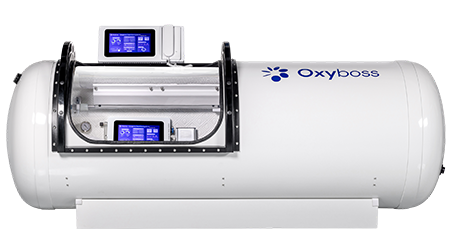
Hyperbaric oxygen therapy, or HBOT, is pretty simple in concept. You sit or lie inside a pressurized chamber and breathe concentrated oxygen. The higher pressure pushes oxygen directly into your blood plasma, cerebrospinal fluid, and tissues — way beyond what normal breathing can deliver.
Think of it this way: your body runs on oxygen. Every single cell needs it for energy, repair, and communication. When tissues don’t get enough — from injury, inflammation, or just the wear and tear of daily life — things slow down. HBOT floods your system with oxygen, creating what researchers call a supraphysiological oxygen environment.
It was originally designed for divers dealing with decompression sickness, but it’s come a long way since then. Today, HBOT sits at a fascinating crossroads — well-established for emergency and wound-recovery use, and increasingly studied for its potential effects on the brain and nervous system.
Why Neuroscientists Are So Interested
Here’s a number that puts things in perspective: your brain makes up about 2% of your body weight but uses roughly 20% of your total oxygen supply. It’s incredibly oxygen-hungry. When that supply gets disrupted — even a little — it can show up as brain fog, mood shifts, slower thinking, and fatigue.
That’s exactly why hyperbaric oxygen therapy for neurological conditions has become such a hot area of research. Scientists want to know: can flooding the brain with oxygen under pressure actually switch on repair and recovery pathways?
The short answer? The research so far is genuinely interesting.
The Neuroplasticity Angle
Neuroplasticity is your brain’s ability to reorganize, build new connections, and adapt. It’s the foundation of how the brain bounces back from challenges. And a growing body of research suggests HBOT may tap into several key neuroplasticity mechanisms:
Mitochondrial boost — Mitochondria are your cells’ power plants, and they need oxygen to produce energy (ATP). Studies show that HBOT can ramp up mitochondrial activity, increase energy output, and dial down cell death signals. One preclinical study found that HBOT increased the protective protein Bcl-2 while reducing pro-apoptotic Bax — basically tipping the balance toward neuronal survival.
New brain cells and blood vessels — Pressurized oxygen appears to kick-start stem cell activity in the brain’s neurogenic zones, including the hippocampus — the region that’s central to learning and memory. It’s also linked to upregulation of VEGF (vascular endothelial growth factor), which drives new blood vessel formation and better cerebral blood flow.
Rewiring synapses — HBOT has been tied to increased expression of GAP43 and synaptophysin, two molecules that are essential for neurite outgrowth, synapse formation, and axonal regeneration. In plain terms? These are the building blocks your brain uses to rewire circuits after disruption.
Turning down inflammation — Chronic neuroinflammation is increasingly seen as a driver of cognitive decline. Research indicates HBOT may lower key inflammatory markers like TNF-α and IL-6, creating a better environment for neural repair.
Telomere lengthening — This one made headlines. Researchers found that certain HBOT protocols were associated with telomere elongation — those protective caps on chromosomes that normally shorten with age. The clinical implications are still being worked out, but it’s sparked serious interest in HBOT’s role in cellular longevity and brain health.
BDNF release — Brain-derived neurotrophic factor (BDNF) is a protein your brain needs for neuronal survival, growth, and synaptic plasticity. HBOT appears to boost BDNF and its signaling pathways — mechanisms closely tied to learning, memory, and cognitive resilience.
None of these pathways work in isolation. The emerging picture is that HBOT acts as a multi-target intervention, potentially addressing inflammation, energy production, vascular health, and cellular repair all at once.
The Hyperoxic-Hypoxic Paradox
One of the more fascinating findings in this field is something called the “hyperoxic-hypoxic paradox.” Here’s the idea: when your body cycles between high oxygen (during HBOT) and normal oxygen (after), it triggers many of the same regenerative pathways that kick in during low oxygen — but without the damage that actual oxygen deprivation causes.
This may explain why repeated sessions matter more than a single one. The intermittent cycling seems to “train” cells to fire up their repair machinery more efficiently over time.

Where the Neurological Research Stands Right Now
The scientific community is actively exploring HBOT across a wide range of brain and nervous system conditions. Here’s a snapshot of the most active research areas.
Brain Injury Recovery
Traumatic brain injury (TBI) and persistent post-concussion syndrome are probably the most studied neurological applications of HBOT. Multiple randomized controlled trials have looked at whether pressurized oxygen can improve memory, attention, and executive function after brain injuries.
A randomized, double-blind trial in children aged 8–15 with post-concussion syndrome found meaningful improvements in cognitive function and memory, with brain MRI showing microstructural changes in key areas. A separate controlled crossover study in adults with persistent post-concussion symptoms reported significant gains in memory, sleep, neurobehavioral symptoms, and quality of life — gains that held up even two months after the sessions ended.
The landscape is nuanced, though. Some trials found that control groups also improved, which raises good questions about optimal protocols, pressures, and patient selection. Those questions are exactly what’s driving the next wave of more precisely designed studies.
Stroke Recovery
Chronic stroke recovery — months or even years after the initial event — is where HBOT has produced some of its most surprising results. A randomized prospective trial in post-stroke patients showed significant improvements in neurological function and quality of life, with SPECT brain imaging confirming real changes in cerebral activity.
The logic behind it is compelling: after a stroke, some areas of the brain survive the initial damage but go metabolically dormant — alive, but not functioning. The idea is that restoring oxygen to these “penumbral” zones can potentially wake up neural circuits that have been idling for a long time.
PTSD and Mental Health
This area is generating a lot of excitement. A prospective, randomized controlled trial in veterans with protocol-resistant PTSD found that HBOT led to significant improvements in PTSD scores, depression, and anxiety. Functional MRI showed enhanced brain activity in regions linked to executive function, memory, and emotional regulation.
What’s even more striking: a follow-up evaluation roughly two years later showed the improvements were still holding, particularly in cognition and mood. Secondary benefits included better social function and reduced reliance on pharmaceuticals. That kind of durability is rare and got people’s attention.
Cognitive Aging and Brain Wellness
This might be the most intriguing line of research for the wellness community. A randomized controlled trial by Hadanny and colleagues found cognitive improvements in healthy older adults with no neurological condition — including better attention, information processing speed, and executive function. Brain imaging confirmed increased cerebral blood flow in multiple regions.
It’s the first study to show cognitive benefits of HBOT in people who were already healthy. That moves the conversation beyond “addressing conditions” and into “supporting brain function” — which is exactly where neuroscience and wellness start to overlap.
Neurodegenerative Research
Preclinical research has built a solid mechanistic case for looking at HBOT across neurodegenerative territory — think models related to cerebral ischemia, age-related cognitive decline, and neuroinflammation. Animal studies have shown reduced inflammation, better mitochondrial function, and more neurogenesis.
This area is still early-stage, but it’s one of the most actively evolving spaces in hyperbaric science, with new studies regularly adding pieces to the puzzle.

The Rise of Home and Wellness Hyperbaric Oxygen
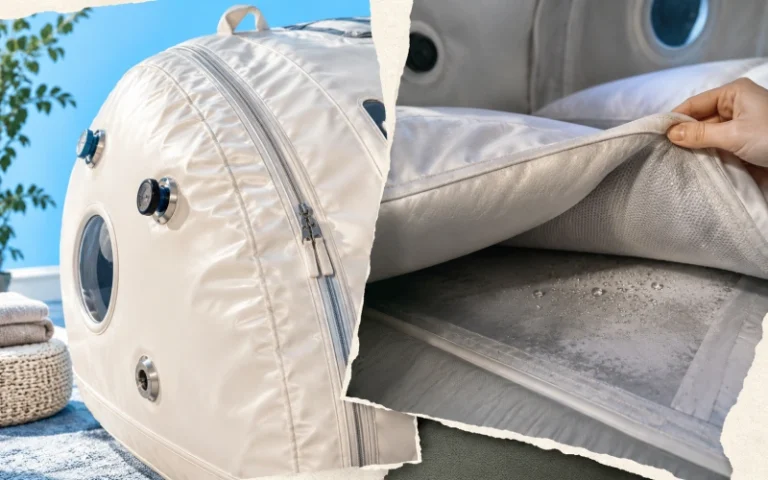
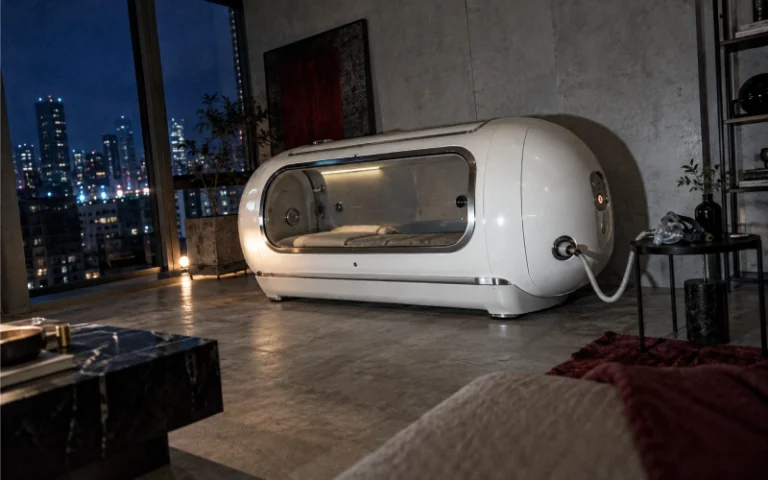
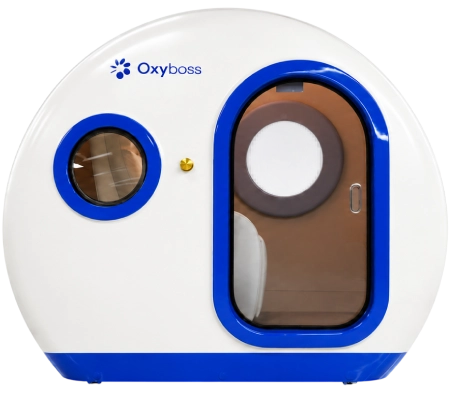
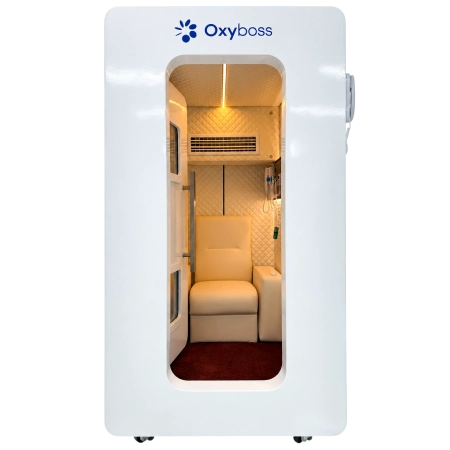
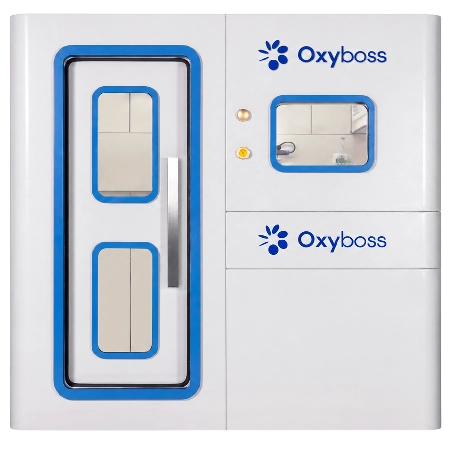
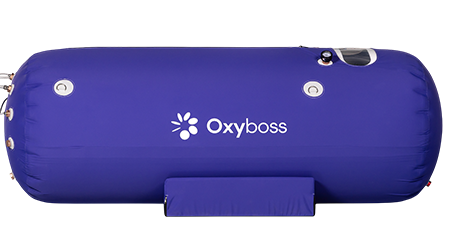
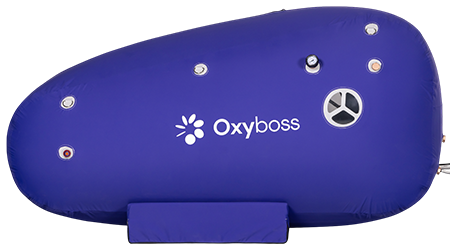
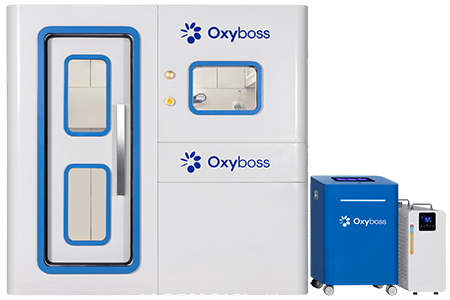
While clinical research keeps pushing forward in hospitals and labs, something else has been quietly happening: millions of people worldwide have started using hyperbaric chambers at home as part of their everyday wellness routines.
The appeal makes sense. If oxygen is fundamental to how your body repairs, recovers, and functions, then spending time in an oxygen-enriched environment is a natural extension of a health-conscious lifestyle.
Home wellness sessions typically run at mild pressures — a gentle, comfortable experience that fits into a daily routine the way meditation, stretching, or breathwork does. Most people describe it as deeply relaxing — about 60 to 90 minutes of quiet rest in an oxygen-rich space.
What’s driving the adoption:
- Daily recovery — supporting natural repair after physical activity, travel, or demanding schedules
- Relaxation and stress management — dedicated time in an oxygen-enriched environment
- Jet lag recovery — helping your body recalibrate after crossing time zones
- General vitality — supporting everyday energy, mental clarity, and well-being
- Sleep quality — many regular users report better sleep patterns
This isn’t about replacing medical care. It’s about weaving oxygen into a lifestyle that values proactive health — the same way people invest in nutrition, movement, and sleep.
Frequently Asked Questions
How does hyperbaric oxygen therapy affect the brain?
It increases the oxygen dissolved in your blood plasma, pushing it into neural tissue that normal circulation might not reach efficiently. Research suggests this activates multiple pathways — neuroplasticity, anti-inflammatory responses, mitochondrial repair, and BDNF release — that are central to how your brain adapts, recovers, and maintains function.
What neurological conditions are researchers studying with HBOT?
The most active areas include traumatic brain injury and post-concussion recovery, chronic stroke rehabilitation, PTSD and mood-related conditions, cognitive changes with aging, and various neurodegenerative processes. New clinical trials are launching regularly.
What is the hyperoxic-hypoxic paradox?
It’s when intermittent exposure to high oxygen triggers the same regenerative pathways that low oxygen normally activates — without the harmful effects of actual oxygen deprivation. It may be one of the reasons repeated HBOT sessions seem to matter more than a single exposure.
Does pressurized oxygen support brain health?
Research on hyperbaric oxygen and brain wellness is one of the most active areas in neuroscience right now. A randomized controlled trial in healthy older adults found improvements in attention, processing speed, and executive function — with brain imaging confirming increased cerebral blood flow. Many regular users also report better mental clarity, focus, and cognitive energy.
What’s the difference between clinical HBOT and home hyperbaric oxygen?
Clinical HBOT is delivered under medical supervision at higher pressures for specific health conditions. Home hyperbaric oxygen offers a milder pressurized environment designed for daily wellness, recovery, and relaxation. Both use the principle of breathing in a pressurized setting, but they serve different purposes within the broader spectrum of oxygen-based health practices.
What Lies Ahead
The science of hyperbaric oxygen therapy for neurological conditions is moving fast. Every year brings new studies, new mechanisms, and new possibilities — from neuroplasticity and mitochondrial repair to telomere biology and BDNF signaling. What started as a niche application for divers has become one of the most studied interventions at the crossroads of neuroscience and wellness.
As researchers keep mapping how pressurized oxygen interacts with the brain, the implications reach well beyond the clinic. For anyone who believes oxygen is foundational to how we think, feel, and recover, the momentum in this field offers both scientific validation and a real reason to pay attention.
The future of brain wellness is being written in pressurized chambers around the world — in hospitals, in research labs, and increasingly, in homes.
References
- Gottfried I, Schottlender N, Bhuson A. Neuroprotective effects of hyperbaric oxygen — a review. Brain Sciences. 2021;11(4):486. https://pmc.ncbi.nlm.nih.gov/articles/PMC8130666/
- Hadanny A, Catalogna M, Yaniv S, et al. Hyperbaric oxygen therapy as a neuromodulatory technique: a review of the mechanisms and therapeutic potential. Frontiers in Neurology. 2024;15:1450134. https://www.frontiersin.org/journals/neurology/articles/10.3389/fneur.2024.1450134/full
- Efrati S, Fishlev G, Bechor Y, et al. Hyperbaric oxygen induces late neuroplasticity in post stroke patients — randomized, prospective trial. PLoS ONE. 2013;8(1):e53716. https://pmc.ncbi.nlm.nih.gov/articles/PMC3546039/
- Doenyas-Barak K, Catalogna M, Kutz I, et al. Hyperbaric oxygen therapy improves symptoms, brain’s microstructure and functionality in veterans with protocol-resistant post-traumatic stress disorder: a prospective, randomized, controlled trial. PLoS ONE. 2022;17(2):e0264161. https://pubmed.ncbi.nlm.nih.gov/35192645/
- Hadanny A, Daniel-Kotovsky M, Suzin G, et al. Cognitive enhancement of healthy older adults using hyperbaric oxygen: a randomized controlled trial. Aging. 2020;12(13):13740–13761. https://pubmed.ncbi.nlm.nih.gov/32589613/
- Hachmo Y, Hadanny A, Abu Hamed R, et al. Hyperbaric oxygen therapy increases telomere length and decreases immunosenescence in isolated blood cells: a prospective trial. Aging. 2020;12(22):22445–22456. https://pmc.ncbi.nlm.nih.gov/articles/PMC7746357/
This article is for informational and educational purposes only and does not constitute medical advice. Always consult a licensed healthcare provider before beginning any new wellness routine.