
This article is for informational and educational purposes only. It does not constitute medical advice. The chambers and sessions discussed here operate below 2.0 ATA. Regulatory classification varies by jurisdiction, product configuration, and intended use. Always consult a qualified professional before beginning any new wellness routine, especially if you have a medical condition or are under medical care.
Nobody tells you how strange recovery feels. You come out of a demanding physical event expecting progress to follow a straight line — up and to the right, day after day. But that’s not how the body works. Recovery bends. It stalls on random Tuesdays. Some mornings the sore area looks better; other mornings you wonder if something went backward overnight. This kind of uncertainty is normal. And yet, most people never hear that part.
What they also rarely hear is what oxygen — the simplest molecule you breathe every second — can do when delivered under slightly elevated pressure. That’s where mild hyperbaric oxygen enters the conversation. Not as a fix. More like a quiet assist, working at the cellular level while you sit inside a chamber reading a book or scrolling your phone.
This post walks through how pressurized air and oxygen can support the body during recovery, what happens during a session, who may find it most useful, and what the science says at pressure levels that are realistic for home and commercial use — meaning under 2.0 ATA.
What Is a Mild Hyperbaric Chamber?
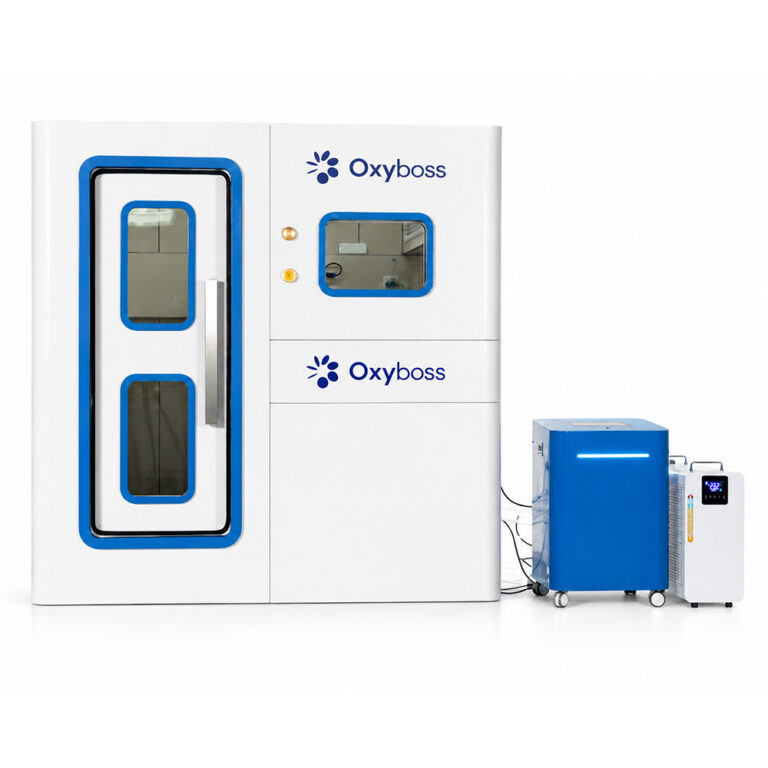
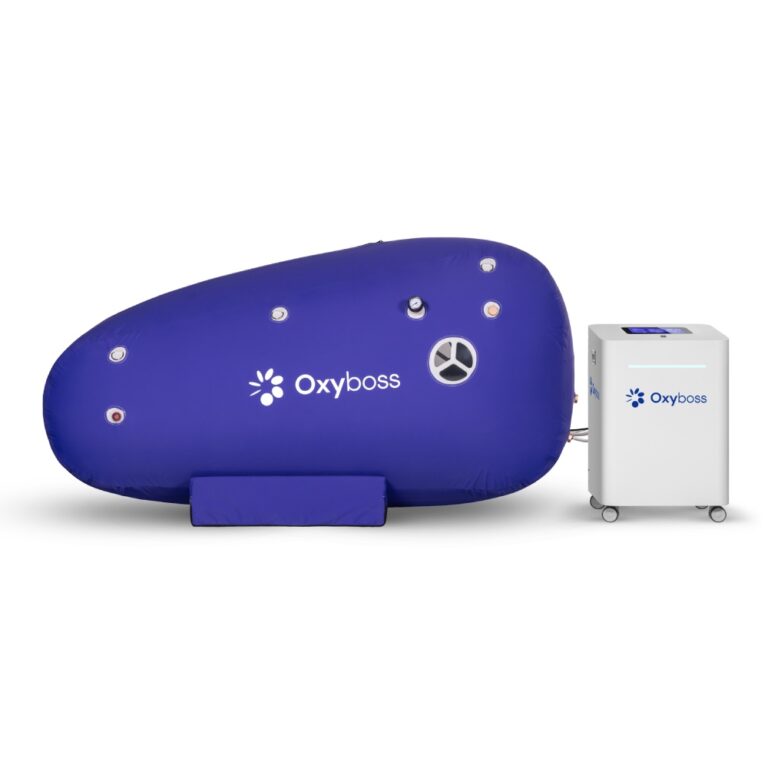
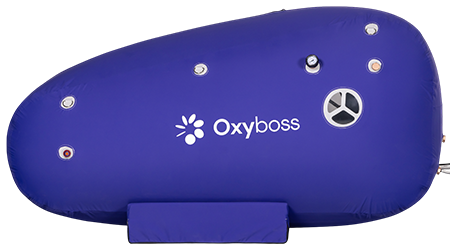
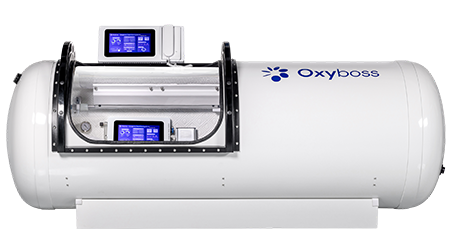
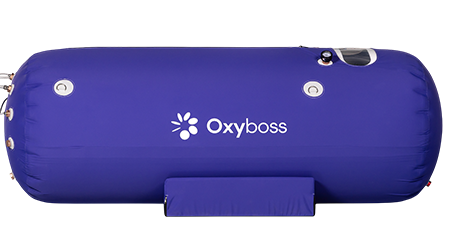
A mild hyperbaric chamber is a sealed environment — either a portable soft-shell unit or a compact hard-shell unit — where air pressure is raised above normal atmospheric conditions. Mild systems typically operate between 1.3 and 1.5 ATA (atmospheres absolute). Some hard-shell commercial units reach up to 2.0 ATA. You breathe either ambient air under pressure or air enriched with oxygen from a concentrator (commonly delivering 24–40% oxygen into the breathing environment, sometimes higher depending on the setup).
This is distinct from clinical hyperbaric systems in hospital settings, which operate at 2.0–3.0 ATA with near-100% medical-grade oxygen. Those are regulated systems used for specific medical indications. What we’re talking about here is the category often used in wellness studios, athletic recovery centers, and private homes.
The physics are the same regardless of the setting. Henry’s Law states that the amount of gas dissolved in a liquid is proportional to the pressure of that gas above it. Even a modest increase in pressure — 30% above normal — meaningfully increases the amount of oxygen that dissolves directly into blood plasma. Plasma-dissolved oxygen moves freely through the body, reaching areas that swollen or compressed capillaries might not serve well through red blood cells alone.
And after any physical stress — whether that’s an intense workout, prolonged exertion, or significant strain — the demand for oxygen spikes right when local delivery can be compromised.
How Mild Pressure Supports the Body During Recovery
Here’s what’s happening inside tissue that has been stressed or strained. The body immediately kicks off a cascade of repair processes. Those processes are hungry for oxygen. Let’s look at what even modest increases in pressure can do.
Collagen Formation and Tissue Rebuild
Collagen is the structural protein that helps tissue knit back together. The body cannot synthesize collagen without adequate oxygen — specifically, oxygen is required for the hydroxylation of proline and lysine, the amino acids that give collagen its cross-linked strength. When oxygen levels drop in swollen areas, collagen production either slows down or produces weaker fibers.
Even at 1.3 ATA, the increase in plasma-dissolved oxygen helps deliver this raw material to tissues that need it. The effect isn’t as dramatic as what you see at 2.0+ ATA in published wound studies, but for tissue that is recovering on schedule and just needs a better supply chain, the added oxygen is meaningful.
Reducing Puffiness
One of the less-discussed effects of pressurized oxygen is a temporary narrowing of blood vessels — a process called vasoconstriction. That sounds counterproductive at first, but the math works in the body’s favor. Even though vessels briefly narrow, the increased dissolved oxygen in plasma more than compensates. The net result: less fluid leaking into tissue (reduced swelling) while oxygen delivery can still go up.
For someone dealing with puffiness after hard training or a demanding physical event that makes every movement stiff and sore, this can feel like noticeable relief — even at mild pressure levels.
Immune Support
Normal immune function depends on oxygen. In low-oxygen tissue, those processes can become sluggish. Pressurized oxygen — even mild — may help support that function. Research at mild pressures has shown measurable reduction in oxidative stress and moderate physiological effects [1].
This isn’t a replacement for the basics. It works alongside them: rest, hydration, nutrition, and time.
Energy Production at the Cellular Level
Cells need oxygen to produce ATP — the body’s primary energy molecule. Stressed or swollen tissue is often functionally hypoxic (starved of oxygen) even when your pulse oximeter reads 98%. By increasing plasma-dissolved oxygen, mild hyperbaric sessions give mitochondria the fuel they need to keep the repair machinery running. This is why many people report feeling less fatigued during a recovery period that includes regular sessions.
What Happens During a Session

You enter a chamber — either a soft-shell portable unit or a larger hard-shell commercial unit. The pressure rises gradually. Most people notice a fullness in their ears, identical to descending in an airplane. Swallowing or yawning usually resolves it.
Sessions typically last 60 to 90 minutes. You breathe normally. In most setups, you wear a nasal cannula or mask connected to an oxygen concentrator while the chamber itself is pressurized with filtered air. Some larger units pressurize the full environment with enriched air.
People read, nap, watch shows on a tablet, or just sit. It’s uneventful on the outside while quite a lot is happening at the cellular level on the inside.
| Session Detail | Typical Range for Mild Hyperbaric |
| Pressure level | 1.3 – 1.5 ATA (up to 2.0 in some hard-shell units) |
| Session duration | 60 – 90 minutes |
| Frequency (recovery support) | 3 – 5 times per week |
| Common number of sessions | 20 – 40+ for a full protocol |
| Oxygen delivery method | Concentrator via mask/cannula (device output often 90–95% O₂) |
| Common sensation | Ear fullness, warmth |
| What you can do inside | Read, rest, listen to music, sleep |
Who Benefits Most?
Not every recovery requires or benefits equally from pressurized oxygen. The body handles most routine healing on its own — given time, rest, and decent nutrition. Where mild hyperbaric sessions become more compelling is when the body could use extra support:
- Active people recovering from intense physical stress. Athletes and fitness enthusiasts dealing with muscle damage, inflammation, and soft tissue strain. A 2025 study at 1.3 ATA showed that mild hyperbaric conditions enhanced aerobic capacity and suppressed cardiovascular stress during exercise — suggesting the body genuinely responds to even modest pressure increases [2].
- People looking for extra support when recovery feels slower than expected. During periods of physical stress, oxygen delivery at the tissue level can feel like the limiting factor. Mild hyperbaric oxygen increases the amount of oxygen dissolved in plasma, which may support the body’s normal recovery processes.
- Individuals under high physical and mental stress. Job-related exhaustion, poor sleep, and chronic low-grade inflammation all create an oxygen deficit at the cellular level. Regular sessions create a repeated oxygen “wave” that appears to trigger adaptive responses — a concept researchers call the “hyperoxic-hypoxic paradox,” where the body interprets the return to normal pressure as a relative oxygen shortage and upregulates its own repair pathways [3].
- Older adults focused on vitality. A 2024 randomized controlled trial in adults over 64 found that a hyperbaric protocol significantly increased maximal oxygen consumption (VO₂Max), cardiac blood flow, and cardiac blood volume compared to controls [4]. While that study used a higher-pressure clinical protocol, it points to mechanisms — improved mitochondrial function, angiogenesis, stem cell mobilization — that researchers continue to explore across different pressure ranges.
- Recoveries that feel flat. Sometimes the body just plateaus. Puffiness isn’t receding. Energy isn’t coming back. In these situations, added oxygen may help support normal biological processes that feel like they’ve slowed down.
For a routine, uncomplicated recovery in an otherwise healthy person, mild hyperbaric sessions are about optimization — giving the body an edge. That’s a personal decision, and it’s worth being honest about the distinction between “necessary” and “potentially beneficial.”

What the Research Says at Mild Pressures — Honestly
The strongest published evidence for hyperbaric oxygen sits at 1.5–2.5 ATA using medical-grade oxygen in clinical settings. That’s the domain of hospital wound centers and specialized clinics, and it’s not what we’re discussing here.
The research picture at mild pressures (1.3–1.5 ATA) is newer and smaller, but it’s growing quickly — and the findings are consistent enough to take seriously:
Where mild-pressure evidence is solid:
- Stem cell mobilization. A 2023 human trial published in Frontiers in Neurology showed that hyperbaric air at just 1.27 ATA mobilized circulating stem cells 2–4 times above baseline after 10 sessions. Effects persisted for at least 72 hours after the last session [5]. This was originally a “sham” control arm — and the researchers were surprised to find it produced real biological effects.
- Fatigue and oxidative stress reduction. A study using 1.3 ATA compressed air for 40 minutes found significant reduction in serum reactive oxygen metabolites (oxidative stress markers) and significant improvement in subjective fatigue scores across nearly all participants [1].
- Aerobic capacity. A 2025 study published in PLOS ONE found that mild hyperbaric hyperoxia at 1.3 ATA with 35% O₂ significantly raised the ventilatory threshold and reduced blood pressure and cardiovascular stress during exercise, compared to both normal conditions and hypoxic conditions [2].
- Anti-inflammatory and oxidative stress-related effects. Some research and reviews suggest that mild pressure may modulate oxidative stress and mild systemic inflammation, although higher-pressure clinical systems generally produce stronger physiological effects [6].
Where evidence is promising but developing:
- Recovery from physical stress specifically at mild pressures — the theoretical basis is strong, and case reports are positive, but large randomized trials at 1.3–1.5 ATA for this specific use haven’t been completed
- Long-term visible outcomes in skin and soft tissue at mild pressures
The honest takeaway: Mild hyperbaric oxygen appears to produce real, measurable biological effects in early human research. The question is less whether 1.3 ATA “does anything” and more about magnitude: how much benefit, for which specific outcomes, compared to doing nothing or compared to higher-pressure options.
Before and After: The Case for Preconditioning
Most people think of hyperbaric oxygen as a post-event tool. But there’s a growing logic for using it before a demanding physical event — a concept called preconditioning.
The idea is straightforward. If you increase the oxygen reserve in tissue, boost antioxidant defenses, and upregulate growth factors before the stress hits, the tissue arrives at the event in a better state to handle what’s coming. Think of it like charging your phone to 100% before a long trip rather than scrambling for a charger after it dies.
Some people schedule 3 to 5 sessions in the week before a planned event, then continue with a longer series afterward. The specifics depend on timing, individual health, and the guidance of any professionals already involved in the person’s care or training.
Side Effects and Safety
Mild hyperbaric chambers operating at 1.3–1.5 ATA have an excellent safety profile. At these pressures, the risks associated with clinical hyperbaric systems — oxygen seizures, pulmonary oxygen buildup — are far less likely.
The most common side effects are:
- Ear pressure or mild barotrauma — typically resolved with equalization techniques (swallowing, yawning)
- Temporary warmth and humidity inside the chamber — manageable with proper ventilation and dehumidification systems
- Mild fatigue — some people feel tired after sessions, especially the first few
People with an untreated collapsed lung, certain ear or sinus conditions, or active fever should consult a professional before use. Most facilities and responsible providers will screen for these before a first session.
Practical Tips for Getting the Most Out of Sessions
If you decide to make mild hyperbaric oxygen part of your recovery approach, a few practical things can help:
- Stay hydrated. Oxygen delivery works better when blood volume is adequate. Dehydration counteracts the whole point.
- Start early. The first few days after physical stress are when puffiness and oxygen demand peak. Earlier is generally better than later.
- Don’t skip sessions once you start. The effects build cumulatively. Stem cell mobilization, angiogenesis, and antioxidant upregulation take consistent signaling over multiple sessions. A single session is pleasant. Twenty sessions build toward measurable change.
- Coordinate with any professionals already guiding your training or recovery plan. Hyperbaric sessions should complement what you’re already doing, not exist in a separate silo.
- Wear comfortable, cotton clothing. Most facilities require natural fiber clothing inside the chamber for safety reasons, especially if supplemental oxygen is in use.
- Give your body time to adapt. Start with shorter sessions (30–45 minutes) and work up to full 60–90 minute sessions if you’re new to the practice.
Mild vs. Higher-Pressure Systems: An Honest Comparison
Since this comes up constantly, here’s a straightforward comparison:
| Feature | Mild Hyperbaric (1.3–1.5 ATA) | Clinical/Higher Pressure (2.0–3.0 ATA) |
| Setting | Home, wellness center, gym, office | Hospital, specialized clinic |
| Oxygen source | Concentrator (90–95% O₂) via mask | Medical-grade 100% O₂ |
| Regulatory status | Varies by jurisdiction, product configuration, and intended use | Regulated medical system in clinical settings |
| Session access | Daily, at your convenience | By appointment, supervised |
| Biological effect | Measurable: stem cell mobilization, reduced oxidative stress, improved aerobic markers | Stronger: greater dissolved oxygen, more pronounced cytokine modulation, broader approved indications |
| Risk profile | Very low | Low but requires supervision |
| Cost model | One-time purchase or affordable per-session | $150–$400 per session typical |
Neither is “better” in absolute terms. They serve different needs. If you need a regulated, supervised protocol for a specific condition, higher-pressure clinical sessions are where to look. If you want consistent, accessible, daily-use recovery support that fits into your life, mild hyperbaric chambers occupy a space that clinical visits often can’t — simply because consistency matters more than any single session’s intensity.
FAQ
How soon after a demanding physical event can I start sessions? This depends on the type of stress and your individual situation. Many people begin within a few days to a week. For planned events, some start sessions beforehand to precondition tissue. If you are under medical care, coordinate timing with the professional overseeing your recovery.
How many sessions will I need? Most recovery-focused protocols range from 20 to 40 sessions, scheduled 3 to 5 times per week. Some people notice changes after 5–10 sessions; deeper benefits like angiogenesis and stem cell-driven repair take longer and more consistent exposure. Research protocols commonly use 40–60+ sessions for chronic conditions.
Is it uncomfortable? Most people describe sessions as boring rather than uncomfortable. The main physical sensation is ear pressure during pressurization, similar to an airplane descent. If you can equalize by swallowing or yawning, you’ll be fine. Modern chambers are climate-controlled with viewing windows — far from the claustrophobic experience some people imagine.
Can I use a mild hyperbaric chamber at home? Yes. Soft-shell chambers operating at 1.3–1.5 ATA are widely marketed for home use. Availability, regulatory requirements, and pricing vary by jurisdiction, manufacturer, and configuration. For regular users, a home unit can become cost-effective compared to repeated per-session facility fees.
What’s the difference between a soft-shell and hard-shell chamber? Soft-shell chambers are portable, inflatable units that typically max out at 1.3–1.5 ATA. Hard-shell chambers are rigid units that can reach 1.5–2.0 ATA (or higher in clinical models). Hard-shell units are more durable, often quieter, and offer higher pressure options, but they cost more and require a dedicated space.
Are there people who should NOT use mild hyperbaric oxygen? Yes. People with an untreated collapsed lung should not enter a pressurized chamber. Those with severe claustrophobia, active seizure conditions, certain ear or sinus problems, or who are pregnant should consult a professional before starting. A responsible facility or provider will screen for these.
Can mild hyperbaric sessions replace physical rehabilitation? No. Pressurized oxygen supports the biological side of recovery — tissue rebuild, puffiness reduction, energy production. Physical rehabilitation restores function, range of motion, and strength. They address different parts of the recovery puzzle and work best together.
Is there any research specifically on mild pressure (1.3 ATA)? Yes, and it’s growing. Key studies include stem cell mobilization at 1.27 ATA (2023, Frontiers in Neurology), oxidative stress reduction at 1.3 ATA (2011, Health), and improved aerobic capacity at 1.3 ATA with 35% O₂ (2025, PLOS ONE). These studies suggest biological activity at these pressures, while research continues to focus on optimizing protocols and quantifying outcomes for specific applications.
The Bottom Line
Recovery is a biological project. Your body is the contractor. Oxygen is one of the most fundamental raw materials it needs to do the work — and during recovery, the demand spikes right when local supply is often compromised by puffiness and disrupted blood flow.
A mild hyperbaric chamber doesn’t do anything mysterious. It increases pressure modestly. It concentrates oxygen slightly. It lets physics and biology do the rest. The result is more oxygen reaching tissue that needs it, at a time when that tissue needs it most.
It won’t shortcut recovery into a weekend affair. Bodies don’t work that way regardless of what anyone’s marketing says. But for people who want to give their body a consistent, science-informed advantage during recovery — in their own home, on their own schedule — mild hyperbaric oxygen is one of the more practical and increasingly studied tools available.
The chambers exist. The physics work. The research is catching up. The rest is a conversation between you, your body, and whatever routines best support your recovery.
References
- Kim S, Yukishita T, Lee K, et al. The effect of mild-pressure hyperbaric therapy on fatigue and oxidative stress. Health. 2011;3(7):432–436.
- Hisamoto K, Okubo N, Fujita M, et al. Mild hyperbaric hyperoxia improves aerobic capacity and suppresses cardiopulmonary stress during the maximal cycle-ergometer test. PLOS ONE. 2025;20(5):e0323885.
- Hadanny A, Efrati S. The Hyperoxic-Hypoxic Paradox. Biomolecules. 2020;10(6):958.
- Hadanny A, Sasson E, Copel L, et al. Physical enhancement of older adults using hyperbaric oxygen: a randomized controlled trial. BMC Geriatrics. 2024;24:572.
- MacLaughlin KJ, Heyboer M, et al. Hyperbaric air mobilizes stem cells in humans; a new perspective on the hormetic dose curve. Frontiers in Neurology. 2023;14:1192793.
- Ishihara A. Mild hyperbaric oxygen: mechanisms and effects. J Physiol Sci. 2019;69(4):573–580.