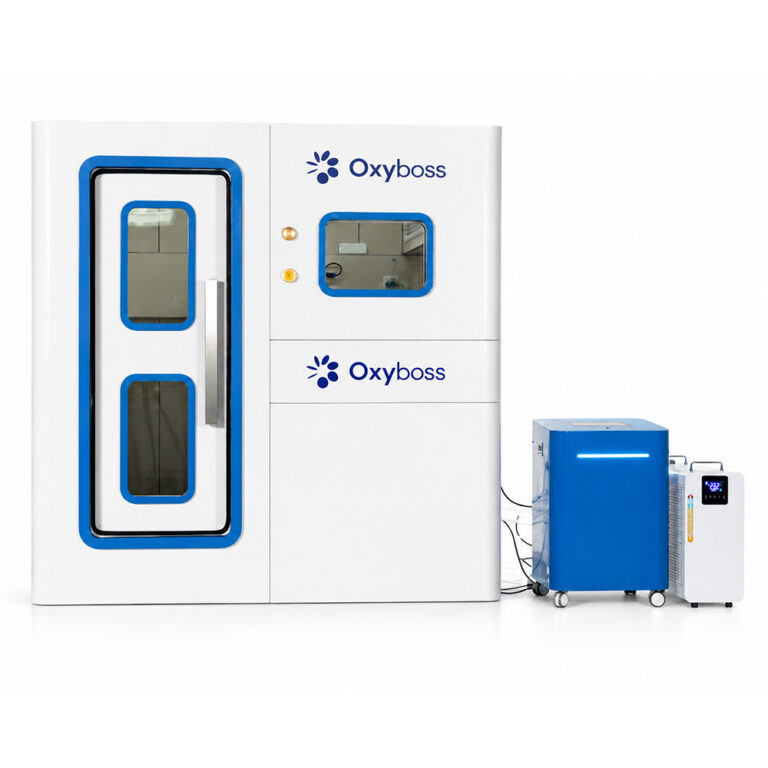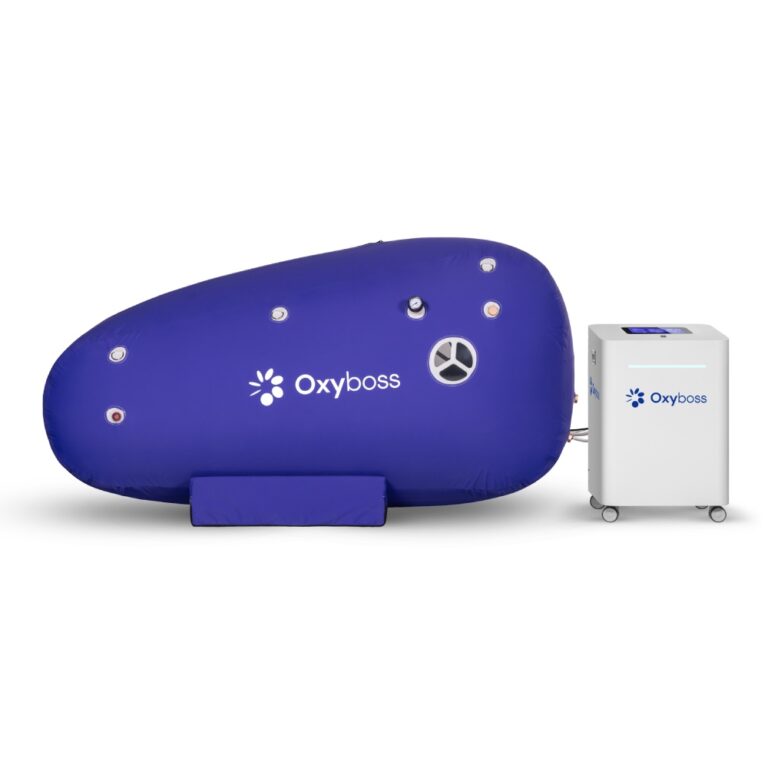
This article discusses non-medical home-use hyperbaric chambers as lifestyle equipment. It is not about clinical hyperbaric systems. Nothing here should be read as a health claim or a substitute for professional advice.
Most people asking this question have already made up their mind about wanting a chamber. What they haven’t figured out is the logistics. And honestly, the logistics are where most of the regret happens — not the decision to get one, but the way it enters (or exits) your house.
Rent First or Buy Now: The Real Decision
This isn’t a “which is better” question. It’s a “where are you right now” question.
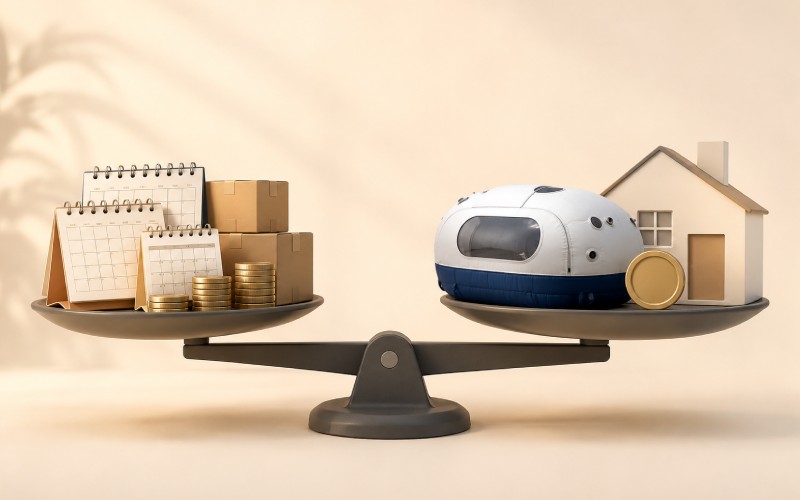
Renting and buying solve different problems. Renting solves uncertainty. Buying solves the cost of ongoing access. Picking the wrong one usually doesn’t ruin your life, but it does waste money in ways that are annoying to think about later.
The decision comes down to five things, and only five things:
- How sure are you that you’ll use it 3+ times a week for more than a few months?
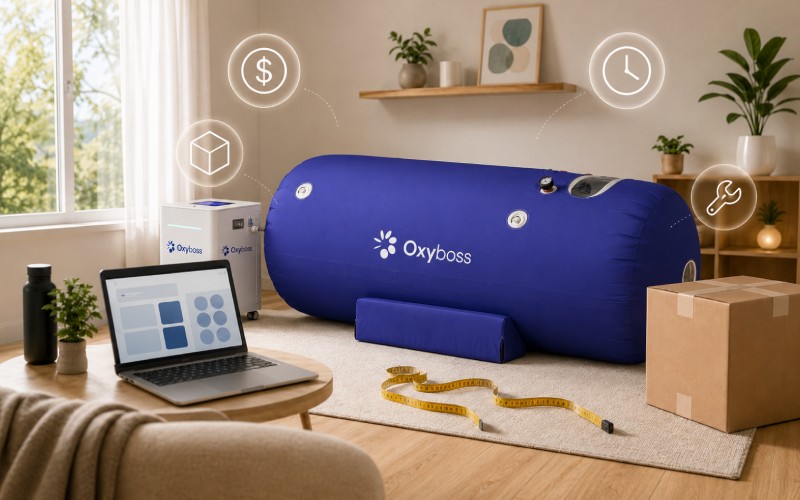
- Do you actually have a room for it? Not a theoretical room. A real room you’ve measured.
- Can your budget absorb $3,000–$20,000+ right now, or is $500–$2,000/month more realistic while you figure things out?
- Do you live alone, or does your household need to tolerate this equipment too?
- Have you ever actually been inside one?
If you answered “not sure” to two or more of those, rent first. If all five are settled, buying probably makes more sense. Everything below is the detail behind that simple split.
When Renting Makes More Sense
You haven’t lived with one yet
Reading about chambers online and actually having one inflated in your spare bedroom are completely different experiences. The compressor runs the entire time you’re inside. It’s not whisper-quiet. Depending on the model, it’s somewhere between a loud dehumidifier and a mid-size shop vacuum — usually in the 50–70 decibel range. That’s fine if the chamber is in a basement. It’s less fine if it shares a wall with your bedroom or your kid’s room.
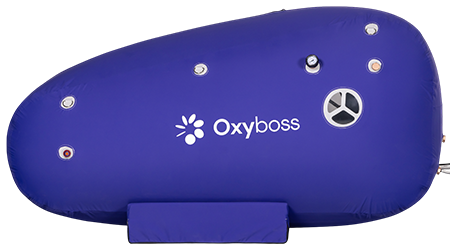
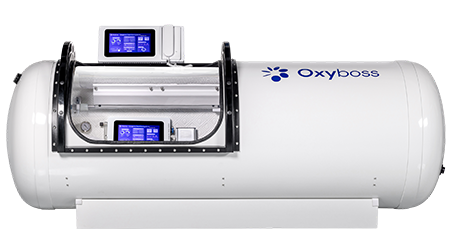
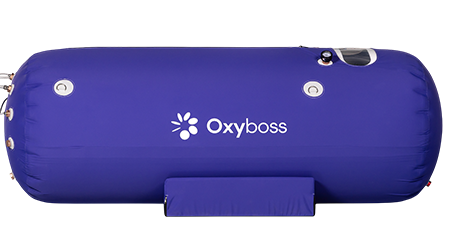
Then there’s the physical experience of getting in and out. Side-zip chambers are a different proposition from end-entry ones. If you’re over 6’0″ or have any kind of limited mobility, this matters a lot more than you’d expect from looking at product photos. Renting lets you answer “can I actually do this comfortably three times a week?” with your body instead of your imagination.
A rental also tells you something harder to quantify: whether you’ll actually keep using it. People overestimate their own consistency all the time. It’s not a character flaw; it’s just a pattern. Spending $500–$2,000/month for two or three months is a much cheaper way to discover you’re a twice-a-month person than spending $8,000–$20,000 to find out the same thing.
You want a lower entry point while you’re deciding
Most rental programs run somewhere between $500 and $2,000 per month, depending on the model and what’s included. On top of that, expect:
- A security deposit, often $500–$2,500.
- Delivery/shipping costs — which for a full-size chamber with compressor can run $200–$600 each way. Both ways. This trips people up.
- A minimum rental term, usually 1 to 3 months. Some providers have 30-day minimums; others won’t do less than 90.
That’s real money. But it’s still a fraction of a purchase, and you get to hand the whole thing back when you’re done — assuming you follow the return terms, which we’ll get to.
When Buying Makes More Sense
Your usage pattern is already established
If you’ve been renting for a few months and using the chamber consistently, or if you’ve been going to a local wellness center and paying per session ($75–$200/session adds up fast), the math starts favoring ownership pretty clearly.
A home-use chamber purchase typically runs somewhere between $3,000 for a basic lay-down soft chamber up to $20,000+ for larger or higher-spec models with upgraded compressors and accessories. The price range is wide because the market is wide — size, maximum pressure rating, entry style, zipper construction, shell material, and included accessories all move the number.
At a rental rate of $1,500/month, you’d spend $18,000 in 12 months — which is already in purchase territory for many mid-range models. Even at $750/month, you’d hit $9,000 in a year. Ownership doesn’t recoup itself overnight, but the crossover math is not complicated. More on that below.
More than one person in the household will use it
This is the factor people forget to weight properly. If two or three family members each want regular sessions, ownership eliminates scheduling friction entirely. Nobody is counting sessions or worrying about the rental clock running out. The per-person cost drops fast, and the utilization rate — which is really what determines whether buying was smart — goes up.
You want the return hassle off the table
Returning a rented chamber is not like dropping off a package at the post office. You’re repacking a large, heavy piece of equipment (sometimes 50–80 lbs for the chamber alone, plus compressor, hoses, and accessories), scheduling pickup or drop-off, paying return shipping, and hoping nothing got damaged in a way that eats your deposit. People who’ve done it once rarely describe it as fun.
The Practical Factors That Matter Most
Space and noise
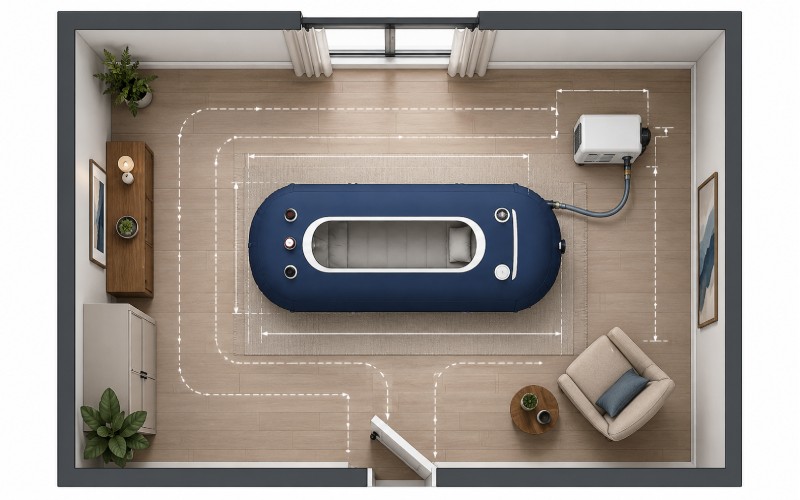
Measure first. Not “eyeball it.” Measure.
Most home-use chambers need a floor area roughly 8 feet long by 3–4 feet wide when inflated, plus at least 12–18 inches of clearance on the sides for airflow and safe access. You also need room for the compressor, which sits outside the chamber and connects via hose. Some setups include a separate oxygen concentrator — that’s another box on the floor, another cord, another sound source.
Noise is the number one “I didn’t expect that” issue. The compressor is the main source, and it runs continuously during a session. Cheaper compressors tend to be louder. Higher-end setups are better, but none of them are silent. If someone else is in the house trying to sleep, work, or have a phone call, put the chamber as far from their space as possible. Or test it during a rental before you commit.
One practical detail that rarely shows up in product listings: the room needs decent ventilation. Not because of any exotic risk, but because a compressor running for 60–90 minutes in a small, sealed room will warm the air noticeably. A spare bedroom with a door that closes and a ceiling fan is fine. A closet is not.
Maintenance, warranty, and what breaks
Here’s what actually fails on these units, roughly in order of frequency:
- Zippers. The main chamber zipper takes the most stress and is the most common replacement part. Some use heavy-duty YKK-style zippers; cheaper models use lighter ones that wear faster. A replacement zipper repair can cost $100–$400 depending on the model and who does the work.
- Compressor wear. Compressors have a service life. Most are rated for several thousand hours, but performance degrades gradually. A replacement compressor might run $300–$1,000+.
- Seams and bladder. Less common, but it happens. Small leaks can sometimes be patched; larger ones usually mean replacing the chamber body.
- Hoses, fittings, gauges. Minor stuff, but you need to be able to source the right parts. Ask the seller before you buy: can you order parts directly, or do you have to go through them?
When you rent, maintenance is usually the provider’s problem. You call, they fix or replace. That’s a genuine advantage, especially in the first few months when you’re still learning what’s normal (some noise, some initial odor from materials off-gassing) versus what’s not.
When you own, it’s on you. Warranties vary a lot. Some cover the chamber body for 1–3 years and the compressor for 1 year. Some exclude zippers and seams. Some require you to ship the defective component back at your own expense. Get the warranty terms in writing before you buy, and actually read them.
Rental fine print that matters
Not all rental agreements are created equal, and the differences are not always obvious upfront. Things to pin down before signing:
- What exactly is included? Chamber, compressor, hoses, masks, liners, carrying case — or are some of those add-ons? I’ve seen setups where the “rental” covers the chamber body only and the compressor is an extra $200–$400/month.
- What’s the damage threshold? Normal wear on a zipper is expected. A tear in the chamber body is probably on you. Where’s the line? Ask.
- What are the exact return requirements? Original packaging? Professional cleaning? Specific carrier? Some providers charge a restocking fee if items aren’t returned in the specified condition.
- Is there a rent-to-own option, and what does “credit toward purchase” actually mean in dollars? Some programs apply 50–100% of rental payments toward a later purchase of the same or similar model [2]. Others apply a smaller fraction, or limit the credit window to 6 months. Get the exact number and the exact terms. “Some of your payments go toward purchase” is not the same as “all of your payments go toward purchase.”
- What happens if you extend? Does the monthly rate stay the same? Is there a penalty for going month-to-month after the initial term?
A Simple Cost Comparison
The numbers below are representative ranges, not quotes. Your actual costs will vary based on the specific model, provider, and your location.
| Decision Factor | Rent First | Buy Now | Why It Matters |
| Upfront cost | $1,000–$4,500 (deposit + first month + delivery) | $3,000–$20,000+ (purchase + shipping) | Determines whether you need to save up or finance |
| Monthly cost | $500–$2,000/month ongoing | $0 after purchase (aside from electricity and parts) | Renting gets more expensive every month it continues |
| Break-even point | N/A — costs never stop | Typically reached within 6–18 months vs. renting, depending on model and rental rate | The single most important number in this decision |
| Setup support | Often included by the provider | Varies — some sellers offer video walkthrough, some ship with a manual only | First-time users benefit a lot from hands-on help |
| Maintenance | Provider’s responsibility | Owner’s responsibility + parts cost | Real ownership cost is purchase price + maintenance over time |
| Flexibility to stop | Return the unit at end of term | Sell it (resale market is thin and unpredictable) or store it | Renting has a defined exit; buying doesn’t |
| Return hassle | Repack, schedule pickup, pay return shipping ($200–$600) | N/A | Underestimated by almost everyone |
| Long-term cost (2+ years) | $12,000–$48,000+ in total rental payments | $3,000–$20,000+ purchase price + maybe $200–$800 in parts | Buying wins decisively over any long horizon |
| Warranty / resale | Not applicable | Warranty 1–3 years typical; resale value uncertain, often 40–60% of purchase | Don’t buy expecting to “get your money back” later |
| Best fit | Uncertain users, first-timers, short-term needs, small spaces | Committed users, multi-person households, dedicated wellness rooms | Match the option to where you actually are today |
Here’s the blunt version: if you know you’ll use it regularly for more than a year, buying is almost certainly cheaper. If you’re not sure, renting for 2–3 months will cost you maybe $2,000–$5,000 all-in — and that’s a reasonable price to pay for certainty.
Questions to Ask Before You Rent or Buy
Print this list. Or screenshot it. Then actually ask every one of these before you hand over money.
For rentals:
- What’s included in the monthly rate, and what costs extra?
- What’s the deposit, and what are the exact conditions for getting it back in full?
- Who pays for delivery and return shipping? Both ways?
- What’s the minimum rental term? What happens if I want to return early?
- Do any rental payments apply toward a purchase? How much, on what timeline?
- Who handles maintenance if something breaks during the rental?
- What are the return packaging and condition requirements?
For purchases:
- What’s included in the purchase price? (Compressor, concentrator, hoses, masks, liners, case — all of it or some of it?)
- What does the warranty cover, and what does it specifically exclude?
- Can I order replacement parts directly, or do I have to go through the seller?
- Is there any setup support — in person, video, or phone?
- What’s the expected service life of the compressor?
- What are the electrical requirements? Will it run on a standard 15-amp household circuit?
For both:
- What are the dimensions when inflated, and how much clearance do I need around it?
- How loud is the compressor, in decibels if possible?
- Is there any written safety guidance I should review before first use? (The FDA’s letter to providers on safe use of hyperbaric devices is a reasonable starting reference [1].)
Bottom Line
Rent first if you have unanswered questions. About your routine. About whether the room works. About whether the noise is tolerable. About whether you’ll actually use it enough to justify the space it takes up. A 2–3 month rental is an expensive test, but it’s a much cheaper test than a purchase you end up regretting.
Buy if the questions are already answered. You’ve used one before. You have the room. You have the budget. You know your routine. At that point, every month you spend renting instead of owning is money that doesn’t come back.
That’s it. Not more complicated than that.
Frequently Asked Questions
Is renting a hyperbaric chamber a good way to test home use?
For most first-time users, yes. A rental gives you real information you can’t get any other way: whether the chamber fits your space, whether the noise is acceptable to your household, whether you can get in and out comfortably, and — most importantly — whether you’ll actually use it consistently. Two months of real data beats any amount of reading.
At what point does buying become more cost-effective than renting?
It depends on the rental rate and the purchase price of the model you’d buy, but the crossover typically falls between 6 and 18 months. At $1,500/month rental, you’d hit the purchase price of many mid-range models ($8,000–$15,000) within 6–10 months. At $750/month, it takes longer — maybe 12–18 months. Pull up real quotes for the specific model you’re considering and do the division. It’s not complicated math.
What extra costs should I expect beyond the chamber price or rental fee?
For rentals: deposit ($500–$2,500), delivery and return shipping ($200–$600 each way), possible add-on fees for accessories not included in the base rental. For purchases: shipping ($150–$500+), replacement parts over time (zippers, compressor service), electricity, and any accessories not bundled with the chamber. Budget an extra 10–15% beyond the sticker price for the first year of ownership.
Does a rental usually include setup and training?
It varies. Some providers include a video walkthrough or phone setup session. Some offer in-person setup if you’re in their service area. Others ship the unit with a manual and leave it to you. Ask explicitly, and get the answer in writing. If you’ve never used a chamber before, hands-on setup help is worth paying for even if it’s not included.
What should I check before putting one in my home?
Measure the room — inflated chamber dimensions plus at least 12–18 inches on all sides. Check that you have a suitable electrical outlet on a circuit that isn’t already heavily loaded. Think about noise: will the compressor bother anyone in adjacent rooms? Make sure the room has some ventilation (a door and a fan are usually sufficient). Check that the floor can handle the combined weight of the chamber, equipment, and a person inside it — not usually an issue on ground-level floors, but worth considering for upper stories. The FDA recommends following all manufacturer instructions for setup and operation, including grounding requirements [1].
Who handles maintenance if something stops working?
With a rental, the provider handles it — that’s one of the main advantages. Call them, describe the problem, and they’ll either walk you through a fix or arrange a replacement. With a purchase, it’s your responsibility. That means contacting the manufacturer, identifying the failed component, ordering parts (if they’re available directly), and either doing the repair yourself or finding someone who can. Know your warranty terms before you need them.
Can rental payments count toward a later purchase?
Some providers offer rent-to-own or credit programs where a portion — sometimes 50–100% — of your monthly rental payments is applied toward the purchase price if you decide to buy [2]. But terms differ significantly between providers. Get the exact credit percentage, the eligible timeframe, and whether it applies to the same model you rented or any model. And get it in writing.
Is buying better for a household with more than one regular user?
Generally, yes. Multiple regular users increase the utilization rate, which is what makes ownership cost-effective. It also eliminates the scheduling friction of shared access and removes the pressure of a rental clock ticking while multiple people try to get their sessions in. If three people each want 3–4 sessions a week, that’s 9–12 sessions. At that volume, ownership math works out fast.
References
- U.S. Food and Drug Administration. “Follow Instructions for Safe Use of Hyperbaric Oxygen Therapy Devices — Letter to Health Care Providers.” https://www.fda.gov/medical-devices/letters-health-care-providers/follow-instructions-safe-use-hyperbaric-oxygen-therapy-devices-letter-health-care-providers
- Community Hyperbaric. “Rent-to-Own Programs.” https://communityhyperbaric.com/rent-to-own-programs/