
What we want to talk about here is simple: there are situations where stepping into a pressurized environment is the wrong call, or at minimum, something to pause and think through carefully before proceeding.
We’ve worked with wellness centers running high session volume and with individuals setting up a chamber at home. In both cases, the conversation before the first session matters more than the spec sheet. Ignoring basic safety questions is where trouble starts.
This guide is written for non-medical, wellness-use chambers. It is not medical advice, and it is not a substitute for evaluation by a qualified clinician. If there is any doubt about whether a person should use a chamber, the safest answer is to stop and get individualized guidance first.
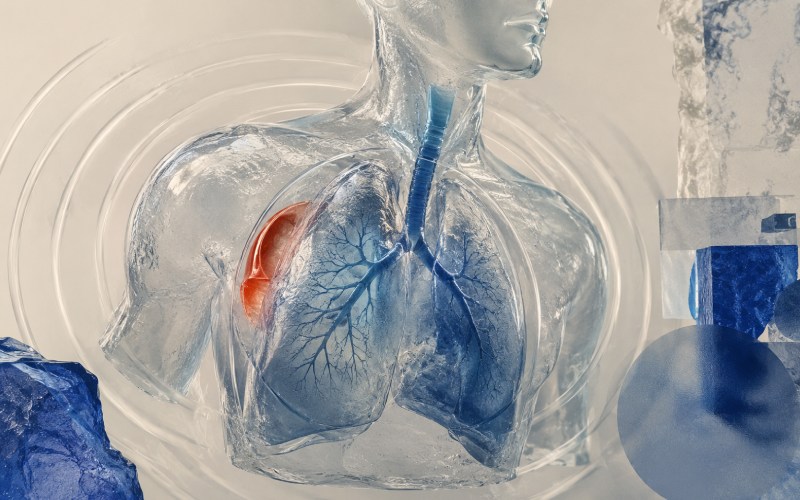
The One Clear Do-Not-Proceed Situation: Suspected or Unresolved Pneumothorax
If air is trapped between the lung and chest wall, a pressurized environment is not something to experiment with.
The physics here are not negotiable. Pressure changes affect trapped gas. What looks minor outside a chamber can become serious during or after a session. If pneumothorax is suspected, recently diagnosed, or not clearly resolved, do not proceed.
Use should wait until a qualified clinician has confirmed that the issue has been fully addressed.
Situations That Require Real Evaluation, Not Just a Checkbox
Most of the issues that show up on caution lists are not things to self-clear in five seconds and move past. They are situations where the individual circumstances matter, and where caution should come before convenience.
We tend to group them by what the pressure environment actually does to the body.
Pressure Equalization Issues
Your middle ear and sinuses are air-filled spaces. During pressurization, you need to equalize actively — swallowing, yawning, gentle jaw movement. Anything that interferes with that process raises the chance of discomfort or barotrauma.
Situations that can interfere with equalization include:
- Active sinus infection or heavy congestion
- Recent ear surgery
- Eustachian tube dysfunction
- History of tympanic membrane problems
If someone shows up congested, reschedule. For home users, if your ears will not clear during the first few minutes of pressurization, stop the session. Do not push through it.
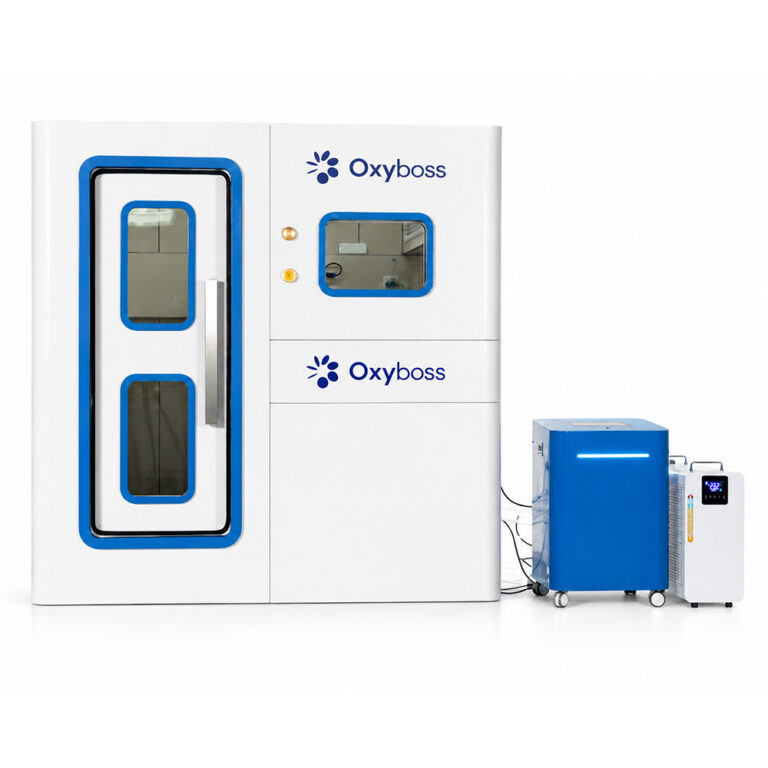
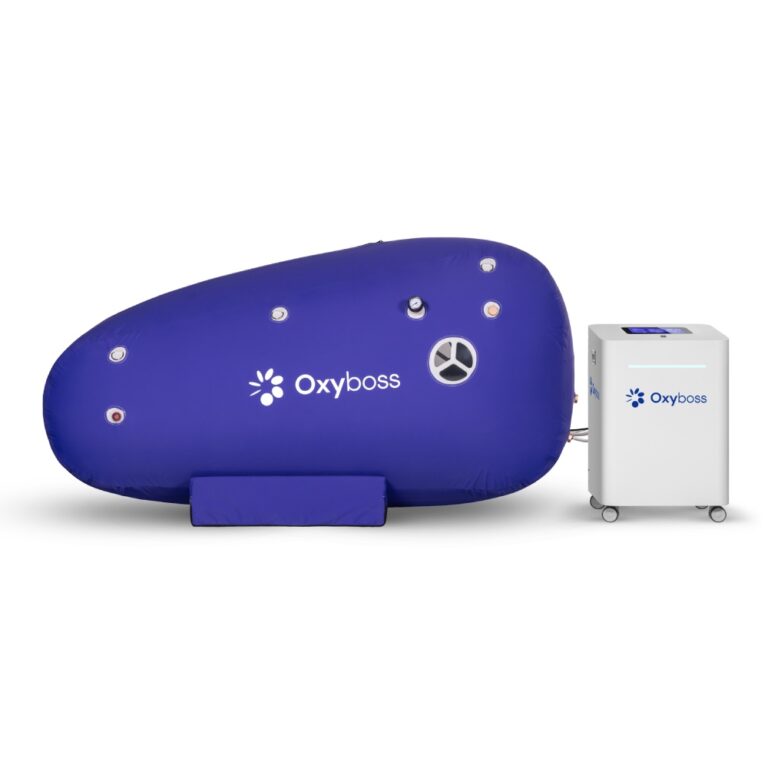
A chamber should make cautious use easier, not harder. That is one reason we favor clear visibility, easy communication, conservative rate control, and controls that are simple to stop or reverse when something does not feel right.
Lung and Respiratory Concerns
A pressurized oxygen-rich environment interacts with lung tissue in ways that matter more when there is pre-existing respiratory or structural lung history.
Examples that should be reviewed before use include:
| Situation | Why It Matters | Safer Approach |
| COPD or other chronic lung disease | Pressure and oxygen exposure may not be well tolerated in all users | Do not self-clear; get individualized guidance first |
| Asthma that is not well controlled | Air trapping and respiratory symptoms can complicate chamber use | Use should wait until the condition is stable and reviewed |
| Pulmonary blebs or bullae | Weak areas in the lung may carry added risk with pressure changes | Requires clinician review |
| History of spontaneous pneumothorax | Recurrence risk may still matter even after treatment | Requires clinician review |
| Active upper respiratory infection | Congestion affects equalization and comfort | Postpone until fully recovered |
This is not the area for guesswork. If there is meaningful lung history, stop and verify before using the chamber.
Seizure Risk Factors
Oxygen at elevated partial pressure can lower seizure threshold in some circumstances. That does not mean every person with seizure history is automatically excluded, but it does mean caution should go up, not down.
A few examples:
- High fever
- History of seizure disorder
- Recent unexplained loss of consciousness or seizure-like episode
If someone is febrile, postpone the session. If someone has a seizure history, do not treat that as routine consumer use without individualized guidance. Home users with this history should not use a chamber alone.
Certain Medications and Recent Medical Treatment
Some medications and recent treatments can change how appropriate chamber use is.
This is especially important with:
- Recent chemotherapy or specialty drug exposure
- Medications with known pulmonary, neurologic, or cardiac cautions
- Any treatment plan where the prescribing clinician has given pressure, oxygen, or activity restrictions
The safe rule here is straightforward: if a medication or recent treatment seems significant, do not rely on a generic blog post to sort it out. Review it with the prescribing clinician before use.
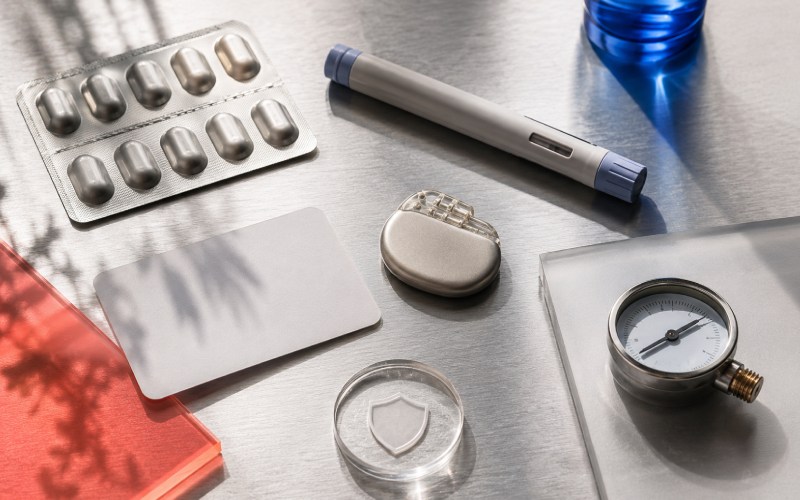
Heart Conditions
Pressurized oxygen can affect vascular tone and cardiovascular workload. For some people, that is inconsequential. For others, it is not.
If someone has heart failure, unstable cardiac symptoms, recent cardiac events, chest pain, unexplained shortness of breath, or significant cardiovascular disease, chamber use should not start until that situation has been reviewed by a qualified clinician.
Implanted Devices
This comes up constantly.
Pacemakers, defibrillators, infusion pumps, neurostimulators, and other implanted electronics may have specific pressure tolerances or manufacturer instructions. Some devices are rated for chamber pressures. Some are not. Some require case-by-case confirmation.
Do not assume. Verify the exact device model, pressure rating, and any manufacturer guidance before proceeding.
Insulin-Dependent Diabetes
Some users notice blood sugar shifts around sessions. That is not a reason to assume chamber use is off-limits, but it is a reason to treat it carefully.
If insulin-dependent diabetes is in the picture, do not be casual about timing, monitoring, or being alone during use — especially if the person is prone to lows.
Pregnancy
This is not the time to experiment.
For wellness-use chambers, pregnancy belongs in the category of “pause and get individualized medical guidance first.” If explicit approval has not been given by a qualified clinician familiar with the situation, do not proceed.
Claustrophobia
We think about this a lot in design, because transparency, visibility, interior space, and communication all matter. But design only goes so far.
Some people simply do not tolerate enclosed pressurized spaces well. And severe claustrophobia is not just a comfort issue. A panicked person inside a chamber can injure themselves, end a session abruptly, or create a preventable safety problem.
For facilities, orientation at ambient pressure helps. For home users with mild claustrophobia, shorter and more conservative sessions are the smarter starting point. But if someone is likely to panic inside the chamber, that is a reason not to proceed.
Common Myths We Hear on Our Factory Floor
“If I feel fine, I’m fine to use it.” Not necessarily. Some of the risks that matter most in a chamber do not announce themselves in advance.
“A little congestion doesn’t matter.” Actually, it does. Minor congestion can turn pressure equalization into a bad session quickly.
“More pressure or longer sessions are always better.” Not true. Conservative use is usually the smarter use, especially at the beginning.
“Home use means I can figure it out as I go.” Also not true. A chamber is still a pressurized environment. Instructions, checklists, and caution exist for a reason.
Pre-Session Safety Check
Whether you are operating a commercial wellness space or using a chamber at home, basic safety checks should happen every time.
Before any session, confirm:
- [ ] No active cold, flu, or sinus congestion
- [ ] No fever
- [ ] Ears equalize normally
- [ ] No recent ear, chest, or eye procedure that has not been cleared
- [ ] Medication and recent treatment history have been considered
- [ ] Blood sugar has been checked, if applicable
- [ ] No petroleum-based products on skin or hair
- [ ] Only clothing approved in the user manual is worn inside the chamber
- [ ] Electronics, metal objects, and non-approved items have been removed
- [ ] The pressure-release and stop procedure has been reviewed
For high-volume facilities, post the checklist. For home users, keep it visible. A short checklist prevents more problems than most people expect.
Special Note for Facility Operators: Collect, Pause, Refer
If you run a wellness facility, your role is not to diagnose, prescribe, or medically clear users.
Your role is to collect basic wellness information, identify obvious caution flags, pause use when those flags appear, and require outside medical guidance when appropriate. A form is a screening aid. It is not a diagnostic tool.
That distinction matters.
FAQ
Can I use a hyperbaric chamber if I have high blood pressure? That depends on how well controlled it is, whether it is stable, and whether there are other cardiovascular issues involved. If blood pressure is uncontrolled or significantly elevated, do not proceed without individualized guidance.
What about people over 70 or 80 years old? Age alone is not the real question. Overall health status, comfort with the chamber, and the caution items above matter more than the birth date.
Can children use a hyperbaric chamber? Only with careful adult supervision and only when the child can be monitored appropriately. A child should never be left unattended in a chamber.
I had eye surgery recently. Is that a problem? It can be, especially if the procedure involved intraocular gas. If there has been any recent eye procedure, do not proceed until the operating clinician has confirmed it is appropriate.
What if I feel fine but have a condition on this list? Feeling fine does not change the effect of pressure on the body. If a condition is relevant enough to raise the question, it is relevant enough to pause and check.
Is it safe to use a hyperbaric chamber every day? That depends on the person, the chamber, the pressure, the session length, and whether any caution factors apply. Follow the user manual, keep use conservative, and stop if symptoms or uncertainty show up.
How do I screen users in my wellness facility without being a medical professional? You collect information, identify obvious concerns, pause when necessary, and refer out when appropriate. Keep the process simple. Do not drift into diagnosis.
Important Notice
This guide reflects practical safety thinking from the engineering and operational side of chamber use. It is intended to support cautious decision-making for wellness-use equipment. It is not medical advice, and it is not intended to diagnose, treat, cure, or prevent any disease.
When there is uncertainty about any medical history, symptom, device, medication, recent procedure, or risk factor, the right move is to stop and get individualized guidance before using the chamber.