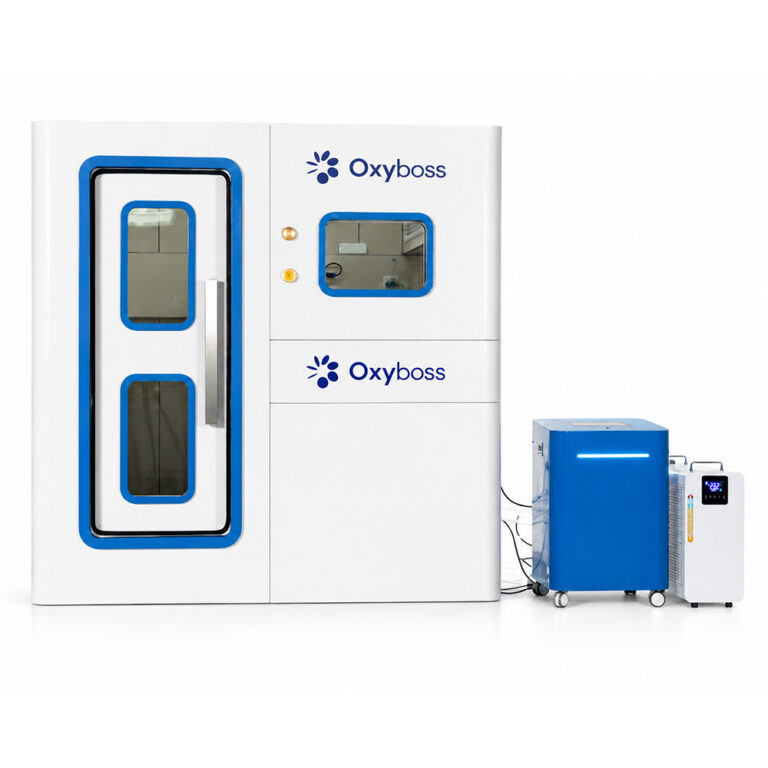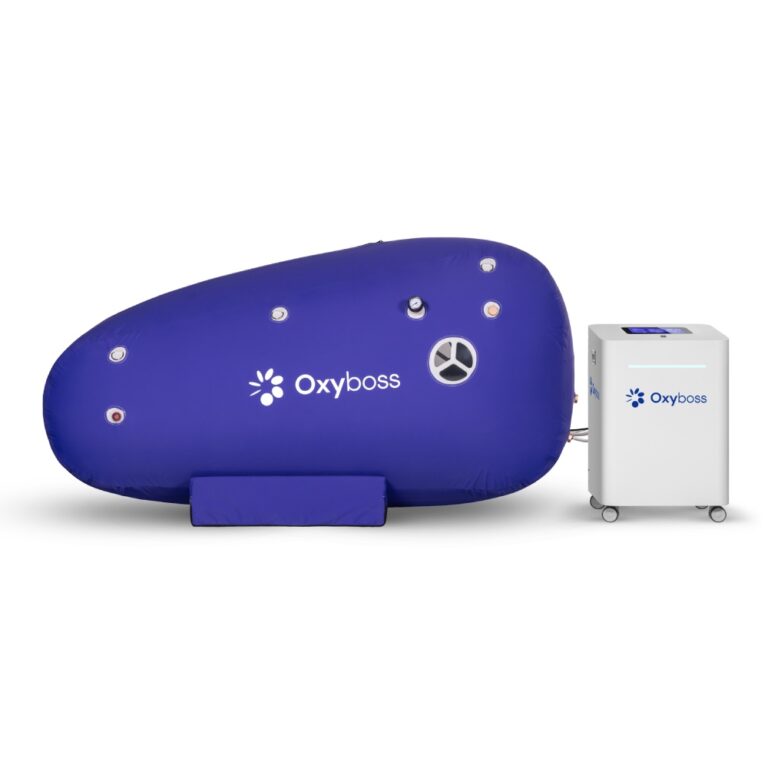
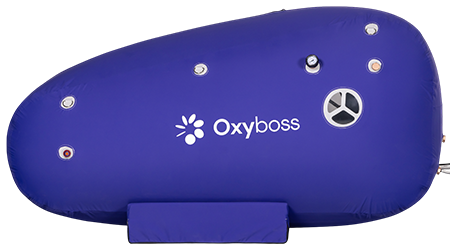
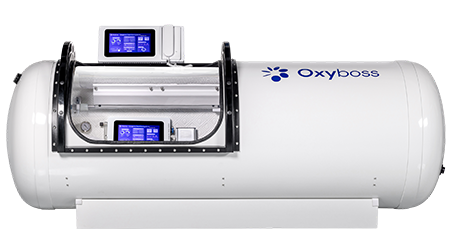
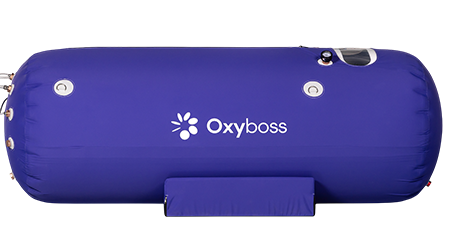
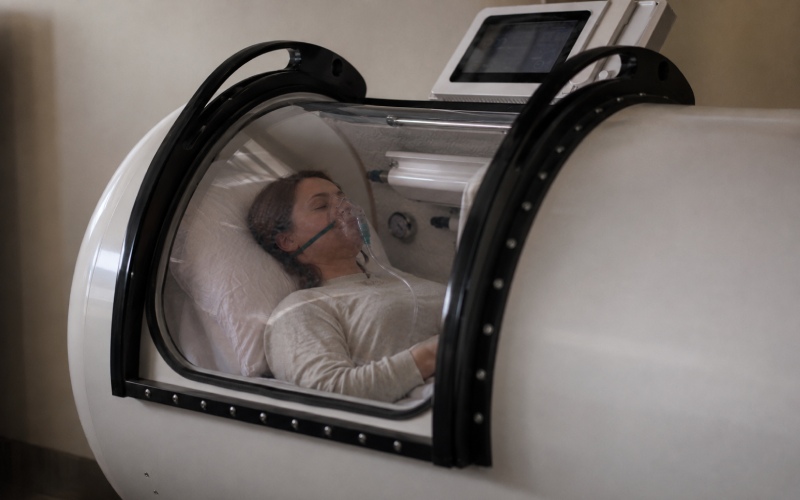
The phrase keeps circulating for one reason: published reviews and a widely discussed human study put hyperbaric oxygen into the longevity conversation, especially around telomere-related markers, senescence-related immune-cell markers, and the idea of repeated hyperoxic exposure acting as a signaling event rather than just “more oxygen.” The same literature is much more restrained than the headline. Promising, yes. Settled, no. Dose, schedule, and durability of effect are still open questions.
That distinction matters.
Because once the hype burns off, what remains is not a miracle object. It is a pressure-and-oxygen system. And systems are judged by repeatability.
Why Hyperbaric Chambers Enter the Longevity Discussion at All
Not because a hyperbaric chamber is mystical. Because it can create a physical pattern ordinary air cannot.
Pressure rises. Oxygen density rises. The hold stays steady. Then the system returns to normal. Repeated often enough, that cycle is the part people care about. Reviews in this area describe a hyperoxic-hypoxic signaling effect, and the most cited human protocol in the longevity conversation used 60 sessions at 2.0 ATA with 100% oxygen and three air breaks per session. That is why the topic persists. Not because a shell exists. Because a repeatable exposure pattern exists.
So the useful buyer question is not, “Does the hyperbaric chamber reverse aging?”
It is, “Can this system reproduce the type of session pattern people keep talking about?”
That is a much better filter.
The Science Is Interesting. The Chamber Still Has to Earn It.
Even the optimistic papers do not give hyperbaric chamber makers a free pass.
The 2020 human study that gets quoted most often reported changes after an intensive schedule, and the authors themselves noted limits including sample size, lack of a control group, and unresolved dose-response questions. The 2022 review makes a similar point in a broader way: the signals are interesting, but the mechanisms and protocol variables still need clarification.
Which leads to the hard part.
If the session quality drifts, the headline stops mattering. If pressure wanders, if oxygen handling is sloppy, if the cabin gets hot and stale halfway through, if decompression feels improvised rather than controlled, then the machine is no longer reproducing a serious protocol. It is just approximating one.
That gap is where buyers lose money.
The Five Variables That Decide Whether a Hyperbaric Chamber Is Worth Repeating
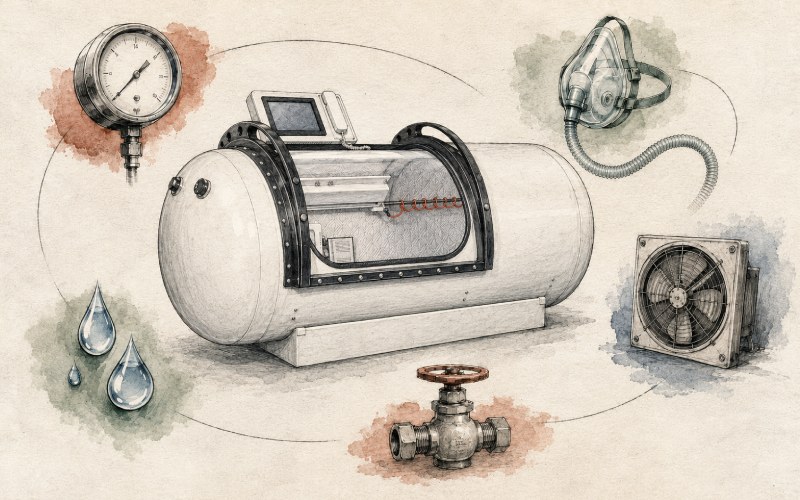
A longevity-oriented chamber is not really one thing. It is five systems behaving at the same time.
1. Pressure stability
Reaching a target number is easy to advertise. Holding it cleanly is harder.
Ask for actual operating data, not just the stated maximum. A serious answer sounds like hold stability, correction behavior, ramp consistency, and what happens after repeated cycles. If the system is constantly correcting itself, that is not polish. That is instability with a nice face.
2. Oxygen delivery architecture
“High oxygen” is not enough.
The route matters. Mask or hood logic matters. Switching behavior matters. The way oxygen is introduced while the hyperbaric chamber is already under pressure matters. The best systems are not dramatic here. They are controlled. Predictable. Uneventful.
That is exactly what you want.
3. Thermal load
Heat is where weak chambers start talking back.
Longer sessions expose compressor behavior, ventilation choices, cabin volume mistakes, and airflow shortcuts very quickly. Buyers who ignore heat early usually rediscover it later, after installation, when comfort becomes compliance and compliance becomes dropout.
4. Atmosphere management
A sealed interior still has to remain usable.
That means gas exchange, cabin feel, humidity, and the not-so-glamorous question of whether the chamber remains livable deep into a longer session. A lot of marketing material acts as if atmosphere management is an accessory. It is not. It is part of the product.
5. Decompression behavior
The return matters too.
If the chamber comes down in a way that feels rough, erratic, or obviously improvised, the session quality is not really under control. A serious system handles descent as deliberately as ascent. No drama. No guesswork.
What Serious Buyers Should Compare
| What to inspect | Why it matters | What a serious answer sounds like |
| Pressure hold data | A chamber that drifts is not reproducing the same session | Logged hold behavior, correction frequency, repeat-cycle consistency |
| Oxygen delivery path | Oxygen claims without delivery logic are brochure language | Clear routing, switching method, interface type, operating logic under pressure |
| Thermal behavior | Longer sessions expose weak cooling and poor airflow fast | Cabin temperature management approach, ventilation design, compressor isolation |
| Atmosphere management | Usability falls apart in stale or damp interiors | Gas refresh strategy, airflow path, cabin comfort over full session length |
| Decompression control | Session quality includes the way the chamber returns to normal | Controlled descent logic, predictable valve behavior, stable end-of-session feel |
| Service access | Repeat-use equipment eventually reveals weak points | Seal access, valve access, filter changes, realistic maintenance intervals |
| Safety compliance | Oxygen-rich pressure systems punish shortcuts | Clear build standards, cleaning rules, grounding approach, prohibited-item controls |
The point is not to turn a buyer into a design engineer.
The point is to stop buying a hyperbaric chamber as if it were furniture.
Why Safety Belongs in the Same Conversation
This is where a lot of longevity content becomes unserious.
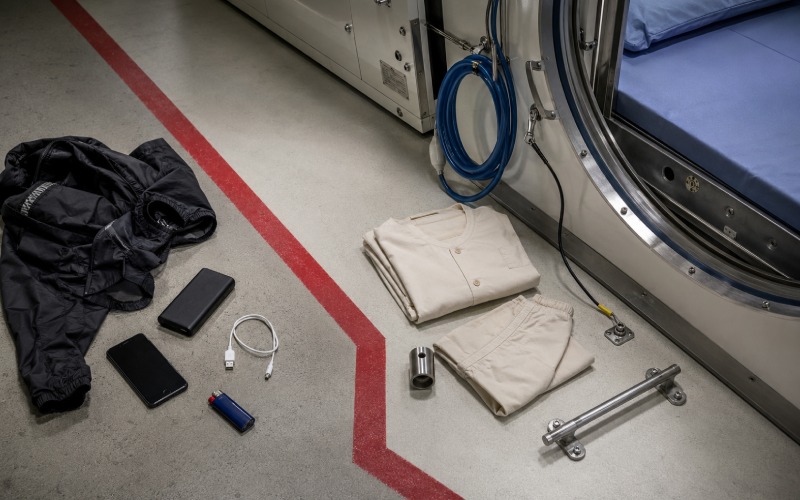
High-concentration oxygen carries a heightened fire risk. In August 2023, the FDA reminded facilities and operators that serious injuries and deaths had occurred in fires involving hyperbaric oxygen devices, and it specifically called out grounding, prohibited electrical or static-producing items, compatible clothing materials, training, maintenance intervals, and required safety checks. The same FDA letter points buyers toward recognized pressure-vessel and facility safety codes.
That changes the buying conversation immediately.
A hyperbaric chamber is not premium because it looks expensive. It is premium if the factory can answer boring safety questions without hesitation: build standard, pressure-vessel compliance, maintenance logic, cleaning rules, grounding, and documentation. Industry guidance aimed at buyers says the same thing in plainer terms: compare published codes, confirm regulatory clearance where applicable, ask about pressure-vessel standards, and ask about the manufacturer’s quality system rather than relying on appearance or marketing claims.
Good. That is how this category should be bought.
Soft Chamber or Rigid Chamber?
The lazy answer is “it depends.”
The better answer is: it depends on what you expect the session to do, and how often you expect the chamber to do it.
If the use case is occasional, light, and forgiving, the decision may lean one way. If the goal is repeated, longevity-focused use where pressure behavior, atmosphere control, oxygen routing, and service discipline matter every time, the standard gets stricter. Fast.
So do not ask only which category is cheaper, larger, or easier to place.
Ask which category can hold the session quality you are actually paying for.
That tends to clear the room.
So, Is It the Ultimate Biohack?
That depends less on the slogan than on the machine.
The published work that keeps this topic alive is based on repeated, structured exposure. Not random use. Not vague “oxygen wellness.” Structured exposure. Which means the chamber has to do more than survive pressure. It has to stay composed under pressure. Repeatedly.
That is the real standard.
A hyperbaric chamber is not a shortcut. It is a precision environment.
And precision is much harder to fake than marketing.
FAQ
Does hyperbaric oxygen have real overlap with longevity research?
Yes. That is why the topic has stayed visible. Published reviews discuss aging-related mechanisms, and the most cited human paper in this space reported changes in telomere-related and senescence-related markers after a structured, high-frequency protocol. The same sources also make it clear that the field is still early and not protocol-complete.
What protocol gets quoted most often in the longevity discussion?
The study people reference most often used 60 sessions at 2.0 ATA, with 100% oxygen and three air breaks during each session. That does not make it a universal template, but it does tell buyers something important: the conversation is built around repeatable structure, not casual chamber use.
What matters more: pressure or oxygen?
Neither stands alone. The literature and the engineering both point to the pattern: pressure, oxygen delivery, duration, air breaks, and the return to normal all interact. Buyers who reduce the decision to one number usually end up comparing the wrong things.
Is a higher pressure rating always better?
No. Higher pressure increases demands on controls, valves, fittings, thermal behavior, and maintenance discipline. Bigger numbers may improve the sales pitch. They do not automatically improve session quality.
What is the most overlooked buying factor?
Atmosphere management. Pressure gets the headline, oxygen gets the slogan, but airflow, heat, humidity, cabin feel, and decompression quality are what decide whether repeated use stays practical.
What safety questions should every buyer ask?
Ask about pressure-vessel compliance, grounding, prohibited-item controls, cleaning rules, maintenance intervals, staff training expectations, and the factory’s quality-management system. Those are not side questions. The FDA and industry safety guidance both treat them as core operating issues.
What is the clearest sign of weak chamber engineering?
Inconsistency. Pressure drift. Frequent correction behavior. Poor oxygen-handling logic. Heat buildup. Awkward descent. Hard-to-service wear points. Strong equipment feels composed. Weak equipment keeps reminding you it exists.