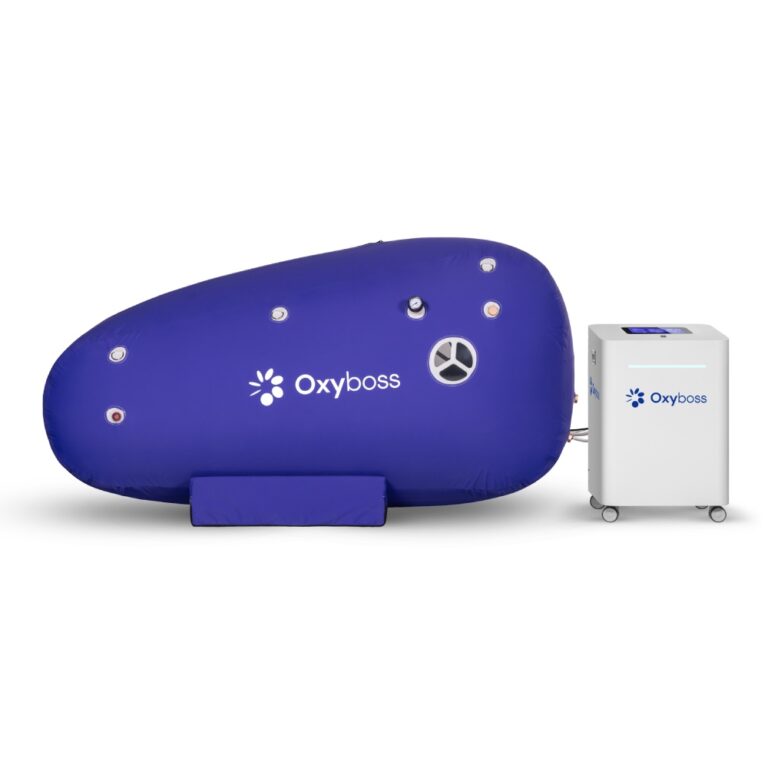
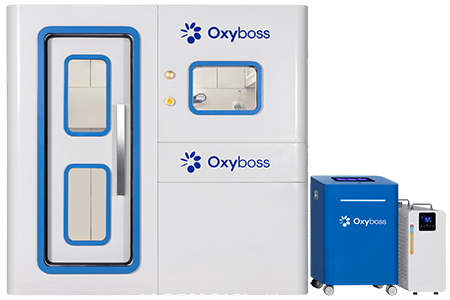
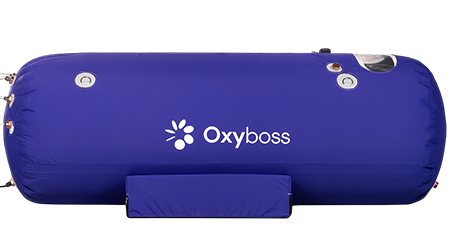
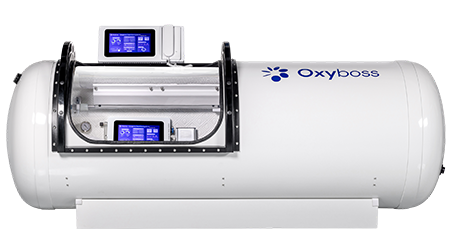
A hyperbaric chamber can feel warm for two different reasons, and people usually lump them together.
The first is the heat created during pressurization. Pressure rises, temperature rises with it. That part is expected.
The second is the warmth that stays around after the chamber has already settled. That is a different problem. Not always a chamber problem, either. More often it comes down to airflow, room conditions, hose routing, shell behavior, and how the system was set up in the first place.
That distinction matters. A brief temperature bump during the climb is normal. Warmth that lingers has to be read differently.
The first phase: heat during the pressure climb
When the hyperbaric chamber starts climbing to pressure, the gas inside heats up. On the factory floor, we see the same pattern every time: the ramp begins, internal temperature moves with it, and a faster ramp makes the spike more noticeable.
There is no mystery in that part. The system is compressing air inside a confined volume, and that work shows up as heat.
The compressor adds its own layer. Intake air does not always enter the chamber at room temperature. Mechanical compression warms it before it even reaches the shell, so the chamber is dealing with heat generated inside the hull and heat carried into the hull at the same time.
That is why two chambers can land at the same target pressure and still feel different inside. Pressure is only one number. It does not describe the thermal path, and it definitely does not describe how cleanly the system settles once the climb is over.
The second phase: warmth that does not clear the way it should
Once target pressure is stable, the initial heat spike should begin to ease. If the hyperbaric chamber still feels warm after that point, the question changes.
Not why did it heat up?
But why is it still holding heat?
That answer usually sits in one or more of these places:
- the room was already warm before the run began
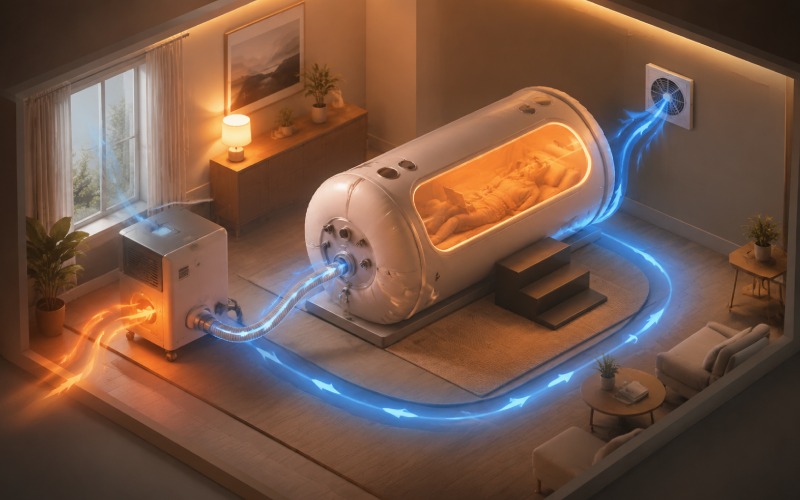
- the intake path carried too much compressor heat forward
- the hose run was too short to lose enough heat before entry
- air was moving, but not through the occupied zone in a useful way
- the shell material released heat slowly
- the free internal volume was small, so everything changed faster
This is where buyers often say the chamber “runs hot.” Sometimes that is true. Sometimes the chamber is only exposing a weak setup around it. Same complaint. Different cause.
A warm room raises the starting point for the whole system. The compressor cannot correct that. It takes in room air, compresses it, and sends it onward slightly warmer than before. So if the room starts high, the chamber starts high.
Then there is exchange rate. Inflow alone does not solve much. Heat has to be carried out, not merely introduced and left to find its own way out.
Why flexible hyperbaric chambers often feel warmer
Material changes the pace of the chamber more than most people expect.
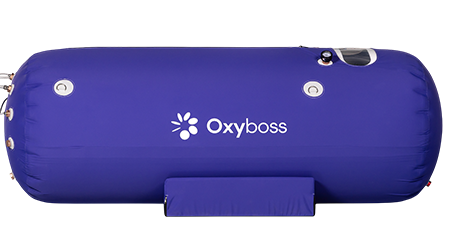
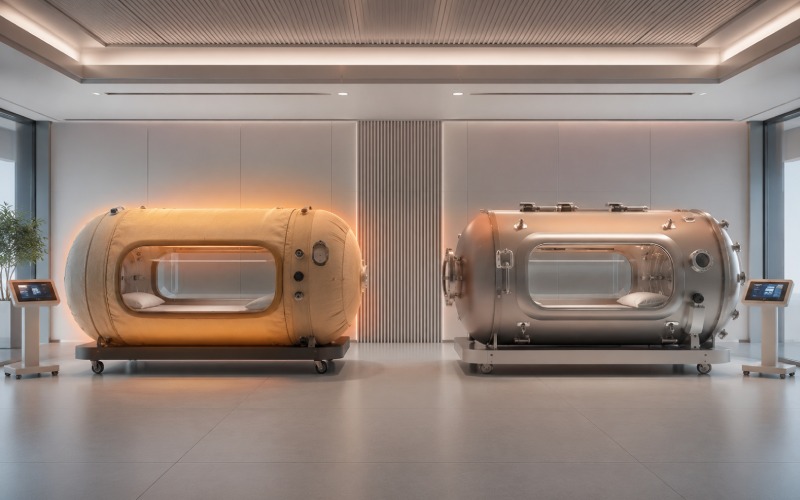
A rigid metal shell gives heat somewhere to go. A flexible shell tends to hold onto it longer. That does not make one format right and the other wrong. It changes the thermal strategy. With flexible chambers, ventilation matters sooner, room condition matters more, and hose routing stops being a minor detail.
Small chambers are less forgiving too. Less free internal volume means temperature and humidity change faster. A setup that feels acceptable in one room can feel noticeably warmer in another, even at the same pressure setting, simply because the margins are thinner.
That is why it is a mistake to reduce the whole issue to pressure alone. Pressure starts the story. It does not finish it.
What we check first on the factory side
When a chamber is described as too warm, we do not start by swapping parts. We work through the thermal chain in order.
- Pressurization rate
A chamber that climbs too quickly will create a sharper opening heat spike, even when the rest of the system is working as intended. - Intake path and hose routing
If warm outlet air reaches the chamber too directly, the system is carrying compressor heat into the shell with very little time for it to dissipate along the way. - Room baseline
A warm room creates a warm system. Obvious, yes. Still one of the most common misses. - Air exchange after target pressure is reached
We check not only whether air is moving, but whether it is moving through the chamber in a useful pattern. Dead spots matter. So does short-circuit flow from inlet to outlet. - Shell behavior and free internal volume
These do not create the initial heat spike, but they strongly affect how long the warmth remains noticeable once pressure has stabilized.
Usually it is not one thing. Usually it is two or three things leaning on each other.
How we map chamber warmth during engineering review
| Heat Source | What It Usually Means | What We Adjust First |
| Pressure ramp | Temperature spikes during the climb to target pressure | Slow the ramp and smooth the pressurization curve |
| Compressor outlet air | Intake air is already warm before chamber entry | Extend the intake path or improve passive heat loss before entry |
| Warm room environment | The whole system starts from a higher baseline | Lower and stabilize room temperature before operation |
| Weak air exchange | Heat and humidity remain inside too long | Increase exchange efficiency and verify actual airflow path |
| Flexible shell retention | Heat leaves the chamber more slowly | Tighten ventilation strategy and room control |
| Small free internal volume | The chamber atmosphere changes quickly and feels less forgiving | Match setup to chamber size and expected load |
That table usually settles the first round of troubleshooting. Is it a chamber issue, a room issue, or an airflow issue? Most of the time it is not just one of them.
The practical answer most buyers are actually looking for
If the hyperbaric chamber feels warm early in the cycle, that is usually compression doing what compressed gas does.
If it stays warm after pressure has already stabilized, the answer is somewhere else: in the room, in the intake path, in the exchange rate, in the shell, in the internal volume, or in a combination of all five.
So the useful question is not simply, Why does the chamber get warm?
It is this: At what stage does it get warm, and why does the warmth stay?
That is where real troubleshooting starts.
FAQ
Is a temperature rise during pressurization normal?
Yes. A noticeable rise during the climb is expected. What matters is how sharp the rise is and how quickly the chamber settles afterward.
When should lingering warmth be treated as a setup issue?
If pressure has already stabilized and the chamber still feels warmer than it should, start with room temperature, hose routing, and air exchange behavior before assuming a hardware fault.
Does hose length really affect how the chamber feels inside?
Yes. The intake path is part of thermal control. A short, direct run can carry more compressor heat into the chamber, while a better-routed path gives some of that heat time to dissipate before entry.
Why can two hyperbaric chamber s at the same pressure feel different?
Because target pressure is only one operating value. Ramp speed, shell material, free internal volume, room condition, and airflow design all change the internal feel.
Why do smaller chambers seem less forgiving?
Because the internal atmosphere changes faster. Heat builds faster, humidity builds faster, and weaknesses in airflow show up sooner.
Does lowering room temperature help?
Yes. Cooler, stable room air gives the system a better starting point and reduces the heat load the chamber has to manage during and after pressurization.
Is the chamber itself always the problem when it feels too warm?
No. In many cases, the chamber is working as designed and the real issue is environmental: warm room conditions, weak airflow planning, or an intake path that carries too much heat forward.
What should be checked first if a chamber feels too warm?
Start in this order: pressure ramp, room baseline, intake path, then airflow behavior after pressure is stable. That sequence usually finds the cause faster than chasing parts.