Most lifters frame this badly.
They ask whether hyperbaric oxygen works. That question sounds serious. It is still weak.
The better question is whether chamber time gives you more usable training. More good sessions. Fewer flat ones. Fewer weeks where the plan looks fine on paper and drifts in the rack.
That is the investment test.
From the factory side, we do not look at chambers as luxury recovery props. We look at them as pressure systems with scheduling consequences. If the system fits the athlete, the training block gets cleaner. If it does not, you paid for polished downtime.
What you are actually buying
Not oxygen. Everyone gets distracted there.
You are buying a combination of four things:
- working pressure
- oxygen concentration
- airflow stability
- repeatable access
Miss one of those and the whole pitch gets soft.
A lot of buyers stare at the max ATA number and stop thinking. That is how bad purchases happen. Hyperbaric chamber value is not created by pressure alone. It is created by pressure that can be held cleanly, with enough flow, often enough to matter.
Time still matters. So does frequency. So does whether the unit can be run without turning your week into a logistics problem.
That last part gets ignored. Then regretted.
The mistake we see all the time
Someone trains hard. Squats heavy. Pulls heavy. Volume climbs. Fatigue starts carrying forward. They go shopping for a hyperbaric chamber and compare it the same way people compare speakers or treadmills.
Wrong category.
A hyperbaric unit is closer to an operating system than a piece of gym furniture. It has pressure limits, cycle demands, material fatigue, maintenance rhythms, throughput constraints, safety rules, and a real cost every time it takes an hour out of the day.
The question is not “Can I sit inside it?”
The question is whether it changes the next week of training enough to justify the setup around it.
Pressure is part of the story. Not the whole thing.
Lower-pressure hyperbaric chamber use and higher-pressure chamber use do not belong in the same mental bucket. Buyers keep trying to flatten them into one category. They are not one category.
At the mild end, access is easier. Entry friction is lower. The hardware is usually simpler. That matters.
At the higher end, the system demands more of everything. Structure. Seals. valves. controls. materials. procedures. If you are building rigid systems for repeated pressure cycles, you do not get to be casual about any of that.
That is why cheap comparisons usually break down fast.
A lower-pressure unit may still have a place. It just should not be sold as the same tool with a smaller price tag. That is lazy sales language.
What the hyperbaric chamber is supposed to do for a weightlifter
Not perform miracles after one brutal session.
That expectation ruins the conversation before it starts.
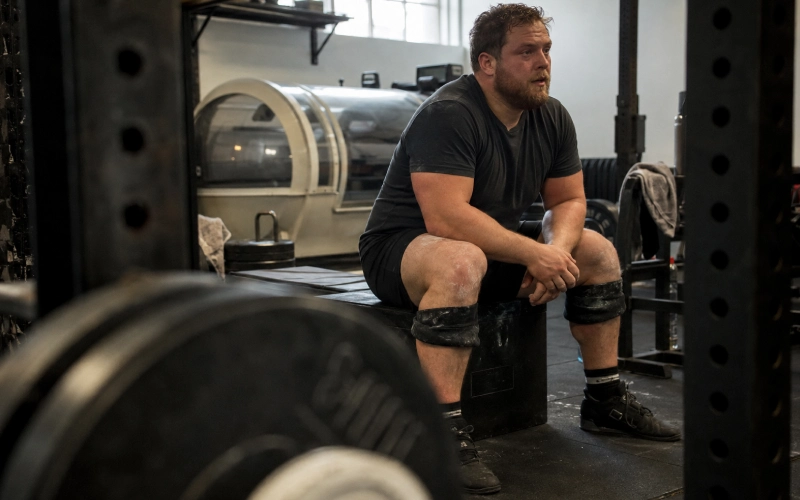
For a lifter, the practical value is narrower than people want to admit. A hyperbaric chamber earns its place when it helps keep training quality from sliding during dense blocks. Heavy squats on Monday. Pulling later in the week. Front squats, accessories, speed work, repeat. Recovery tools have one job in that environment: preserve rhythm.
Not impress you once. Preserve rhythm.
If the chamber can help you stay closer to planned loading and planned frequency, now the math changes. If it only gives you a temporary “felt pretty good” effect, the investment case weakens fast.
One-off use is usually overrated
This is where buyers get burned.
They book a single session after a rough leg day and expect a clear difference by the next morning. Sometimes they feel better. Sometimes they do not. Then they either dismiss the category or start chasing bigger claims.
Neither reaction is useful.
In our experience, hyperbaric chamber value is usually not a one-session story. It is a consistency story. Repeated use inside a hard block is where the conversation becomes serious. Not because the chamber suddenly becomes magical. Because repeated inputs have a chance to affect training continuity.
That is less exciting. Also more honest.
Why “just stay in longer” is not a real answer
We hear this all the time: if pressure is lower, just add time.
Sometimes extra time helps. Sometimes it does not solve the real limitation.
Pressure, oxygen delivery, and airflow are tied together. If the system is modest and the compressor is weak, stretching the session does not automatically create the same result as a more capable setup run properly. Session length can improve a decent protocol. It does not automatically rescue an underbuilt one.
There is also a practical limit. A chamber that only makes sense when used for very long sessions becomes harder to fit into actual life. At that point the hardware is competing against the rest of training, not supporting it.
Airflow matters more than people expect
Pressure sells the chamber. Airflow keeps it honest.
Inside the factory, airflow is not a side detail. It decides whether the chamber can maintain a stable working environment across the full session. If circulation is weak, if the concentrator lags, if the compressor strains, the spec sheet starts looking better than the lived reality.
That gap shows up fast with serious users.
Bigger lifters notice it. Facilities notice it sooner. Teams notice it first, usually because they are trying to move people through the unit on a schedule and the weak points stop being theoretical.
If you are evaluating equipment, do not just ask how high the gauge can climb. Ask what the system can hold. Ask how it performs repeatedly. Ask what happens after months of pressure cycling, not day one.
The build side of the investment
This is where buyers either get disciplined or get distracted.
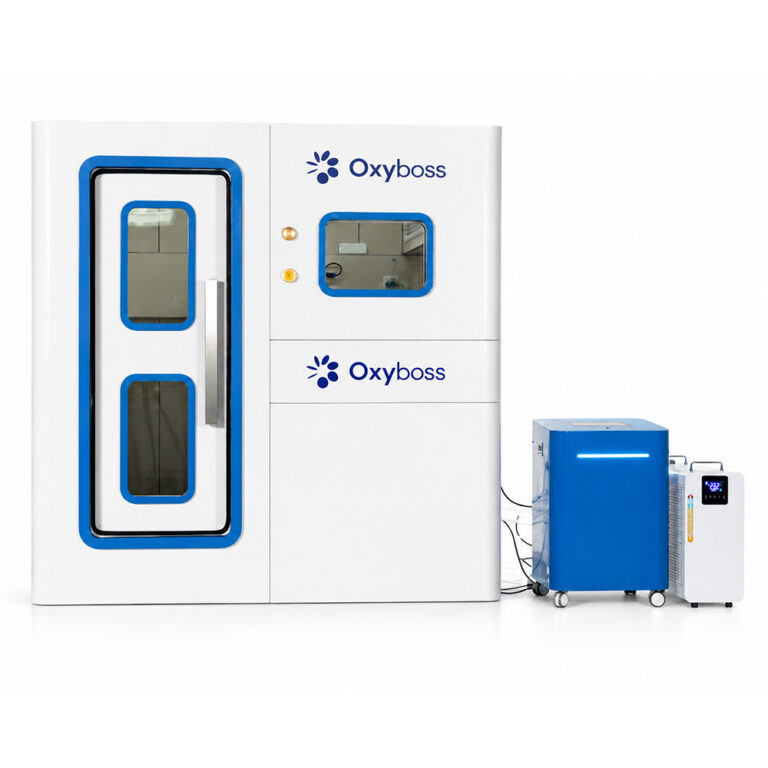
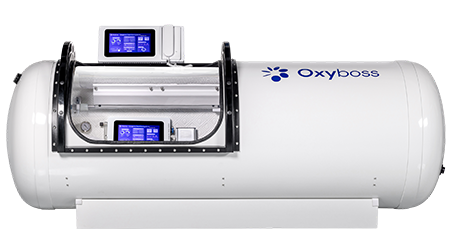
Rigid systems cost more for a reason. Repeated pressure cycling is real work. Viewports, seals, hinges, locks, valve assemblies, line routing, compressor duty, cooling, controls, service access. None of that is glamour. All of it matters.
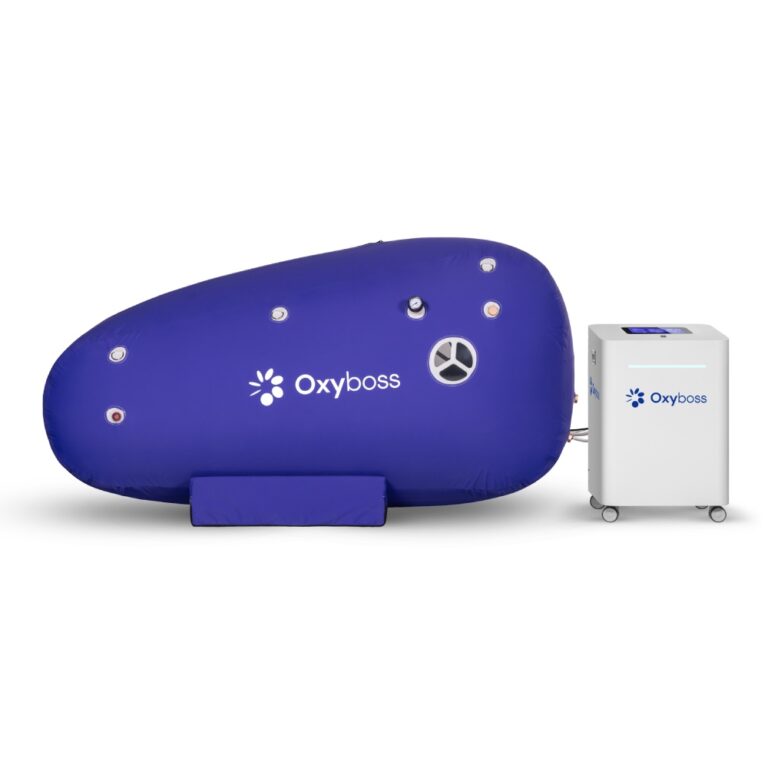
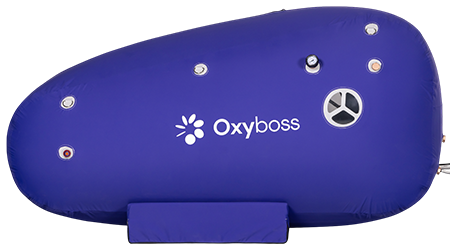
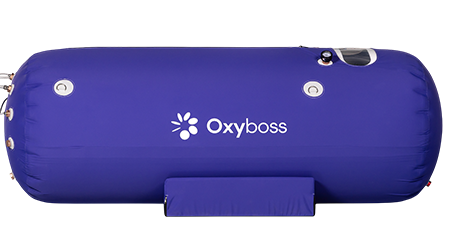
Soft systems have their place. We are not dismissing them. But buyers should stop pretending they are merely a cheaper version of the same engineering idea. They are a different compromise set.
And compromise is fine. As long as it is named clearly.
The trouble starts when mild hardware gets pushed into jobs it was never meant to carry.
A simple decision table
| Buyer situation | Best fit | Why it makes sense | Where people get it wrong |
| Recreational lifter, moderate training volume, wants occasional recovery support | Mild chamber or pay-per-session access | Lower commitment, lower overhead, easier scheduling | Expecting one session to change an entire week |
| Serious lifter in a dense strength block | Higher-capability system or reliable repeated access | Frequency and consistency matter more here | Shopping by price before thinking about use pattern |
| Small gym or private training studio | Depends on throughput and staffing | Can work well if usage stays high and procedures stay tight | Buying for marketing value without operational discipline |
| High-output coaching environment | Rigid system with strong support requirements | Better chance of making the economics work through utilization | Underestimating maintenance, turnover, and scheduling load |
| Buyer with weak sleep, poor programming, inconsistent nutrition | Usually not worth it yet | The base layer is still the main limiter | Using hardware to compensate for unstable fundamentals |
What “worth it” looks like in real life
Not a dramatic testimonial.
More like this:
- heavy sessions stop bleeding as much into the next two days
- bar speed stays closer to plan
- session quality holds deeper into the week
- less reshuffling of the program
- fewer recovery decisions made out of panic
That is the real win.
Notice what is missing. No miracle language. No fantasy of becoming untouchable. Just a cleaner training week.
For serious lifters, that is enough.
What we would check before buying
If you are shopping this category seriously, these are the questions that matter:
1. How often will it actually be used?
Not aspirationally. Actually.
Three to four clean uses per week is one conversation. One random session every ten days is another.
2. What is the pressure range under real operating conditions?
Not brochure language. Real operating conditions.
3. Can the airflow and oxygen delivery stay stable through the full cycle?
If not, the rest of the numbers start losing meaning.
4. What is the maintenance burden?
A chamber that is annoying to run becomes an expensive ornament.
5. Who is responsible for safety discipline?
This one should feel heavy. Because it is.
6. What problem are you trying to solve?
If the answer is vague, the purchase usually gets vague too.
The part people skip: safety and operating discipline
The recovery market likes soft language. This is not a soft-language category.
A pressurized oxygen environment comes with rules. Clothing rules. cleaning rules. material rules. entry rules. inspection routines. service intervals. facility behavior. Who is trained. Who is not. What can go inside. What never should.
If that sounds annoying, good. It should.
Any seller who talks about recovery benefits without talking seriously about operating discipline is leaving out the hardest part of ownership.
And ownership is where the money is, not the demo.
So, is it worth the investment?
For most lifters buying occasional chamber time because a block got hard for two weeks, probably not.
For serious lifters who train often, manage dense workloads, and can use the chamber repeatedly without creating new friction, maybe yes. The case gets stronger there.
For facilities with high utilization and disciplined procedures, stronger still.
For anyone hoping a chamber will rescue weak habits, bad scheduling, or sloppy programming, no. That is not what this is for.
The best way to think about the purchase is simple: does this system protect training quality often enough to justify the cost and the operating load?
If yes, the investment can make sense.
If not, the machine is just expensive confidence.
FAQ
Is a soft-shell chamber useless for weightlifters?
No. Useless is the wrong word. It may still fit a lower-friction, lower-intensity use case. The problem starts when buyers expect it to perform like a more capable rigid system in dense strength work. Those are different setups with different ceilings.
Can more time make up for lower pressure?
Not automatically. Extra time can improve a decent session, but it does not always close the gap between a mild system and a stronger one. The full setup matters: pressure, oxygen delivery, airflow stability, and how often the chamber is used.
Should I use the chamber right after a heavy session?
Usually we prefer not to turn chamber timing into a rigid superstition. What matters more is whether the schedule is repeatable and whether it fits the full training week. A clean routine beats a perfect-sounding one that never survives real life.
How often does chamber use need to happen before it is worth discussing?
Random use rarely makes a strong case. Repeated use inside a demanding block is where chamber value becomes easier to judge. If usage is too scattered, it gets hard to tell whether the hardware is doing anything meaningful for training quality.
What specs matter most besides max ATA?
Airflow stability, concentrator performance, seal quality, structural build, controls, maintenance access, and how the system behaves after repeated pressure cycles. A strong headline number can hide weak daily performance.
Is this a good purchase for a gym owner?
Only if utilization, staffing, and operating discipline are already part of the plan. A chamber should not be bought just because it looks premium on a tour. It needs a schedule, procedures, and enough demand to justify the footprint and the overhead.
What is the clearest sign that a chamber is worth it?
You stop guessing. Training weeks become more predictable. Session quality holds better. Programming changes less often under fatigue. That is usually the signal.
What is the clearest sign that it is not worth it?
The chamber creates its own friction. It takes too long, gets used inconsistently, requires more babysitting than expected, or ends up being asked to compensate for problems that belong elsewhere.
Final read on the investment
Buyers get into trouble when they shop chambers like accessories.
This is not accessory equipment.
It is a pressure system with a use pattern, an operating burden, and a narrow but real performance value when the fit is right. If you understand that going in, the category becomes easier to judge. Less romance. Better decisions.See when hyperbaric oxygen is worth the cost for weightlifters. A practical guide to pressure, frequency, safety, and real recovery value.