Quick answer: There’s no solid proof that hyperbaric oxygen relieves depression. The biology is intriguing — oxygen touches several brain systems tied to mood — and a handful of small studies have picked up hopeful signals, mostly while studying other conditions. But it isn’t an established approach for low mood, and the research conditions vary widely. Read on for the honest picture.
Depression is more than sadness
Most people picture depression as a low mood that hangs around too long. That’s part of it. But anyone who has lived through a real depressive stretch knows it goes deeper than feeling blue. It touches sleep, appetite, memory, concentration, the way the body carries itself through a Tuesday afternoon. Energy drains out. Motivation flattens.
And here’s the part that gets less airtime: depression has a biological side. It isn’t only about thoughts or circumstances. Researchers keep finding links to inflammation in the brain, to how well brain tissue gets oxygen, to the chemical messengers that carry signals between cells. That biological angle is exactly why some scientists have started asking an unusual question — could an oxygen-based approach nudge any of those systems in a helpful direction?
That’s where hyperbaric oxygen comes into the conversation. Not as a magic fix. As a research curiosity worth understanding.
What Is HBOT?
HBOT stands for hyperbaric oxygen therapy. The idea is fairly simple to picture, even if the biology underneath is not.
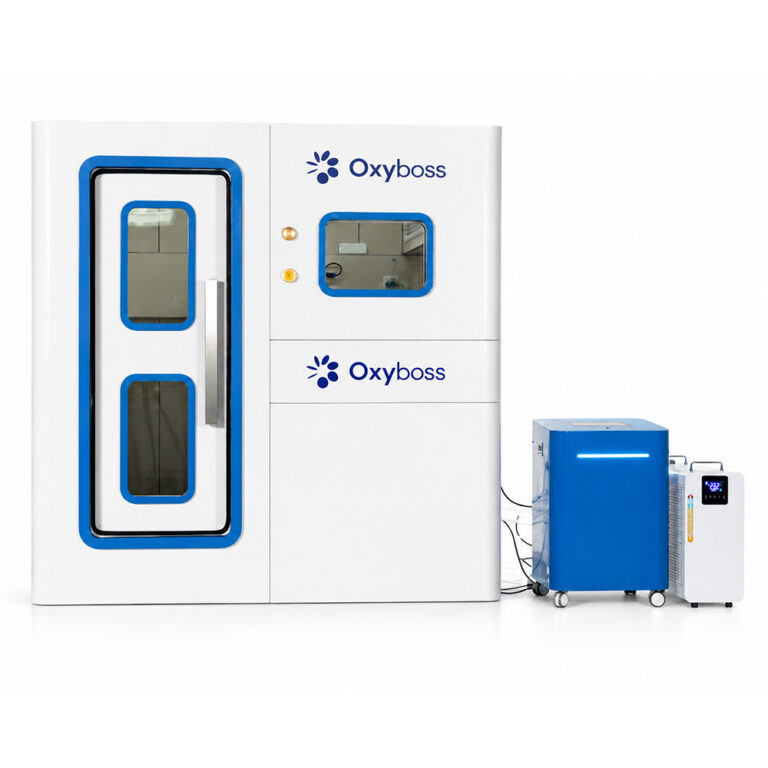
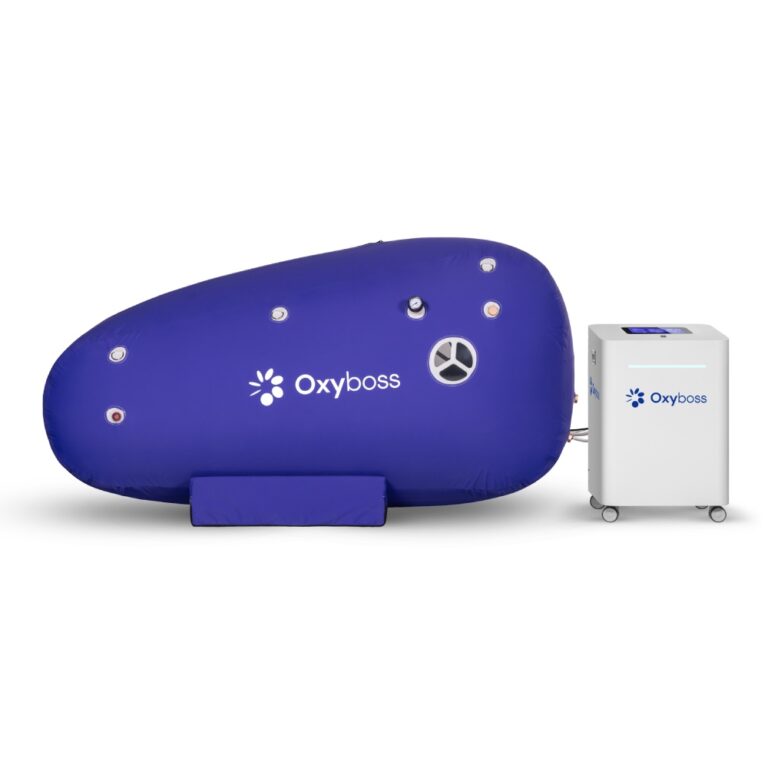
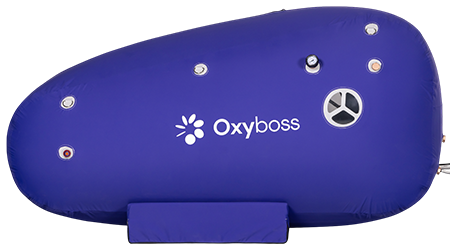
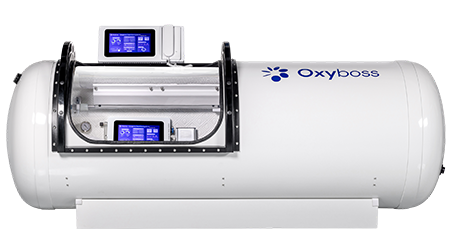
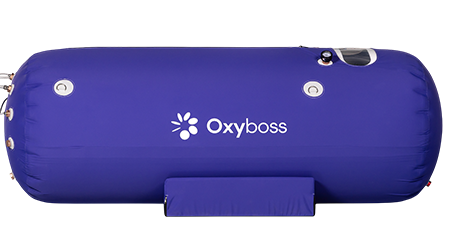
A person sits or lies inside a sealed chamber. The air pressure inside gets raised above what you’d feel standing outside. In the research setting, HBOT involves breathing oxygen inside a chamber pressurized above normal atmospheric pressure, and under these conditions, oxygen dissolves directly into the plasma — the liquid part of blood — in addition to binding to red blood cells. [1]
That last detail matters more than it sounds. Normally oxygen hitches a ride on red blood cells. Under pressure, extra oxygen dissolves straight into the fluid of the blood, which means it can reach places that are harder to supply. By breathing oxygen under elevated pressure, HBOT facilitates the dissolution of oxygen in the plasma, leading to enhanced tissue oxygenation even in areas with compromised blood flow. [2]
One thing worth flagging early, because it’s easy to gloss over: the setups aren’t all the same. The pressure level and the concentration of oxygen used can differ a lot from one setting to another — a home wellness environment and a specialized professional one are not running the same conditions. And that difference is not cosmetic. How much oxygen actually ends up dissolved in the blood scales with the pressure applied, so two sessions that look similar from the outside can deliver very different amounts of oxygen to the body. Keep that in the back of your mind, because nearly all the studies below were run under the higher-condition end of that range.
Originally the hyperbaric chambers were built for very different problems. The brain-and-mood angle is newer, and still being worked out.
Why Researchers Are Exploring HBOT for Depression
So why would breathing pressurized oxygen have anything to do with mood? The reasoning rests on a handful of biological threads. None of them prove anything on their own. Together, though, they explain why the question keeps getting asked.
Neurotransmitter Function
Mood chemistry leans heavily on a few molecules — serotonin, dopamine, norepinephrine. What’s easy to miss is that oxygen is baked into how the brain makes them.
The first step in catecholamine synthesis is catalyzed by tyrosine hydroxylase in a reaction requiring oxygen as a co-substrate, and because tyrosine hydroxylase is rate-limiting for the synthesis of dopamine, norepinephrine, and epinephrine, its presence is a valuable criterion for identifying catecholaminergic neurons. [3] Serotonin follows a similar logic. The synthesis of serotonin begins with tryptophan, which undergoes hydroxylation — an oxidation reaction — to 5-hydroxytryptophan and then decarboxylation, with tryptophan hydroxylase considered the rate-limiting enzyme. [4]
The takeaway isn’t that more oxygen equals more happy chemicals. Biology rarely works that cleanly, and oxygen supply is almost never the single bottleneck in a healthy body. It’s that oxygen sits right at the doorway of these pathways, so oxygen availability is at least part of the story.
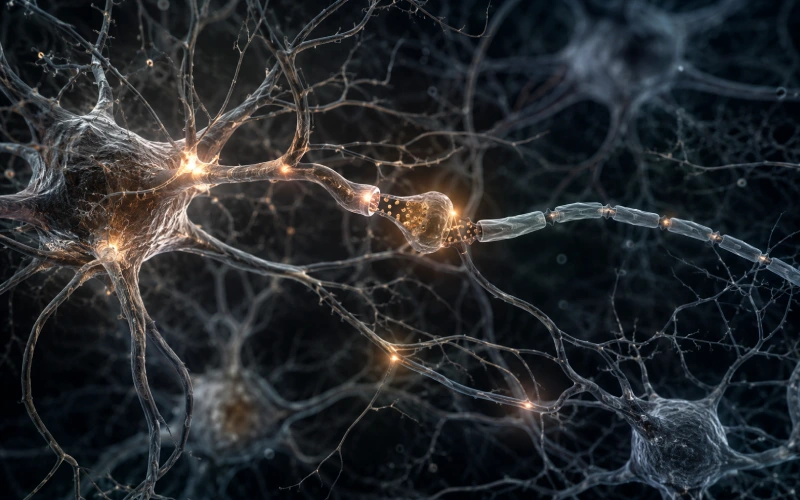
Neuroinflammation & Oxidative Stress
There’s a growing view that inflammation inside the brain plays a role in some cases of low mood. Oxidative stress — roughly, the wear and tear from unstable oxygen molecules — gets tangled up in this too.
This is where oxygen gets paradoxical. Too much of the wrong kind causes damage. But controlled, repeated exposure seems to trigger the opposite response in some studies. In animal work, hyperbaric oxygen has demonstrated anti-inflammatory, antioxidant, and neuroprotective properties. [5] Reviews of the mechanism describe anti-inflammatory responses including reduced TNF-α and IL-6, alongside effects on mitochondrial function and ATP production. [2] Whether that translates into meaningful mood changes in people is the open question.
Brain Oxygenation & Blood Flow
Some brain regions in people with persistent low mood show reduced activity on imaging. The hope with an oxygen-based approach is to reach tissue that isn’t getting well supplied.
Imaging studies point this direction. A 2022 randomized controlled trial published in Scientific Reports, looking at people recovering from lingering post-viral symptoms, tied the observed benefits to increased brain perfusion and neuroplasticity in regions associated with cognitive and emotional roles. [1] A 2024 review in Frontiers in Neurology described scans showing shifts in areas tied to emotional regulation, including the left dorsolateral prefrontal region, thalami, left hippocampus, and left insula — areas crucial for executive function, memory, and emotional regulation. [6]
Neuroplasticity
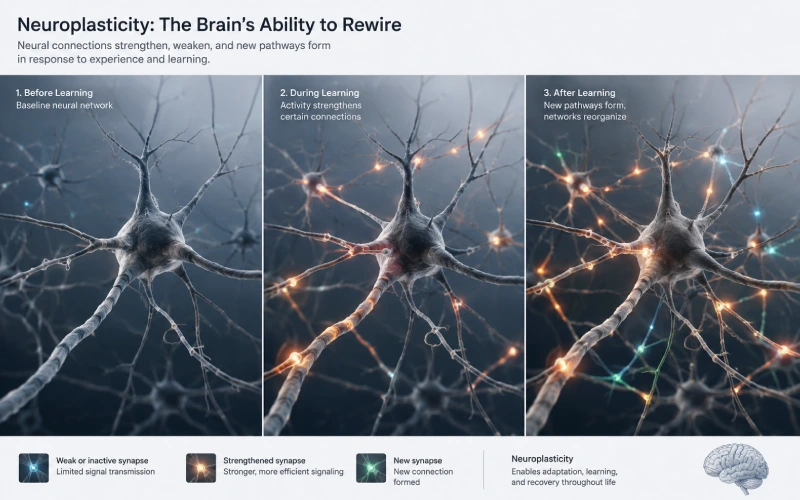
Neuroplasticity is the brain’s habit of rewiring itself — forming new connections, adapting. A rigid, stuck brain is part of what makes depression so heavy to move through.
Several trials have circled this idea. A review in Cureus on HBOT as a neuromodulatory technique noted that various studies suggest it can promote brain recovery and neuroplasticity through the modulation of key cellular and molecular mechanisms. [2] Some describe the driver as a so-called hyperoxic-hypoxic paradox, by which repeated fluctuation in both pressure and oxygen concentrations induces gene expression and metabolic pathways essential for regeneration. [1] In plain terms: the up-and-down of oxygen levels may be part of what wakes dormant processes.
What Does Current Research Say?
Here’s the honest picture. The findings are interesting, mostly indirect, and drawn from small groups. And — this bears repeating — nearly all of it comes from higher-condition setups, not casual home use.
A lot of the mood-related signal comes not from studies about low mood itself, but from studies about other conditions that happened to track mood as a side measure. In the 2022 Scientific Reports post-viral trial, researchers reported that HBOT could improve dysexecutive functions and psychiatric symptoms including depression, anxiety and somatization, plus pain interference and fatigue. [1]
A 2022 study in PLOS One working with veterans carrying long-standing stress-related difficulties found significant improvements in symptom inventory and depression inventory scores. [7] A separate review noted that cumulative evidence demonstrates HBOT induces neuroplasticity, with case-series studies indicating potentially positive effects for stress-related conditions. [6]
There’s also a stroke-recovery angle. In a prospective, randomized project archived on PMC, results indicated HBOT could lead to neurological improvements even at chronic late stages, implying neuroplasticity can still be activated long after damage onset in regions showing a mismatch between anatomy and physiology. [8]
A fibromyalgia study, also on PMC, reported mood-adjacent gains too, with improvement across quality of life and psychological distress, and brain imaging showing increased activity in the prefrontal cortex, orbital frontal cortex, and subgenual area. [9]
Now the caveats, because they’re big. These studies are small. In the post-viral trial, for example, the sample size was relatively small, larger cohort studies may identify who benefits most, and an optimal number of sessions has yet to be determined. [1] Most of this research targets specific conditions — post-viral recovery, stress disorders, stroke, fibromyalgia — not everyday low mood in an otherwise healthy person. Those are situations where something in the body was already disrupted, which is a very different starting point. Long-term data is thin. So the accurate summary is: promising threads, no firm conclusions.
Here’s a rough snapshot of how the evidence stacks up across the themes:
| Research thread | What studies suggest | Strength of evidence |
|---|---|---|
| Neurotransmitter pathways | Oxygen is a required ingredient in making mood-related chemicals | Strong on biochemistry, indirect on mood [3][4] |
| Neuroinflammation | Signs of reduced inflammatory markers in models | Mostly animal studies [2][5] |
| Brain oxygenation & blood flow | Imaging shows changes in emotion-linked regions | Small human studies [1][6] |
| Neuroplasticity | New connections and adaptive rewiring observed | Growing, but small samples [2][8] |
Potential Ways HBOT May Support Emotional Wellness
If you set aside the clinical framing and think about it in everyday wellness terms, a few possibilities float to the surface. Read these as areas researchers are watching — not promises, and not outcomes tied to any particular home setup.
- Mood support. Because oxygen threads through the pathways that build mood-related chemicals, better tissue oxygenation is one factor that gets studied in relation to how people feel day to day.
- Mental energy. That heavy, foggy, running-on-empty feeling shows up a lot with low mood. Some of the interest here connects to mitochondria — the little engines in cells. The mechanism reviews note effects on mitochondrial biogenesis and function and enhanced ATP production. [2] More cellular energy, at least in theory, may relate to feeling less depleted.
- Stress recovery. The brain’s ability to bounce back after stress ties into that neuroplasticity idea. If connections stay adaptable rather than stuck, recovery from rough patches may go more smoothly. That’s the working hypothesis, anyway.
- Brain wellness. Broadly, the oxygenation-and-blood-flow angle feeds into general brain health rather than one narrow outcome. Reaching under-supplied tissue is the recurring theme across the imaging work.
I’ll be blunt here so nobody walks away with the wrong idea. These are directions of research interest. They are not established outcomes you should count on — and the amount of oxygen actually delivered depends heavily on the conditions used.
Safety and Limitations
Any approach involving pressure and concentrated oxygen carries real considerations, and pretending otherwise would be dishonest.
The most common issue is ear-related. A 2024 analysis on PMC identified middle ear barotrauma as the most common complication, with reported incidence ranging widely across studies, arising from the inability to equalize pressure between the ambient atmosphere and the middle ear during pressurization or depressurization. [10] Most cases are mild. While many cases are self-limiting, more severe ones can result in persistent ear pain, conductive hearing loss, and, rarely, eardrum rupture. [10]
Beyond the ears, there’s a broader list to be aware of. According to a StatPearls overview, adverse events may include middle ear barotrauma, sinus discomfort, pulmonary barotrauma, and oxygen toxicity, along with claustrophobia or anxiety related to confinement in the chamber. [11] The complications generally split into two buckets — pressure-related effects, which can impact closed air-filled cavities like the ears, sinuses, teeth, lungs, and bowel, and oxygen-related effects, subdivided into pulmonary, neurological, and ophthalmological categories. [11]
Some effects are temporary and reversible. Vision can shift for a while, for instance, then settle. Still, none of this is trivial, and certain lung and health conditions raise the risk of the more serious complications.
The bigger limitation is the evidence gap itself. Small studies, short follow-up, mixed conditions, and — again — setups that don’t all match. That’s not a knock on the researchers. It’s just where the field currently sits. Enthusiasm has outpaced hard proof, which happens with emerging areas.
Frequently Asked Questions
Is hyperbaric oxygen a proven fix for depression? No. The research is early and mostly indirect. Much of the mood-related data comes from studies focused on other conditions that happened to also measure mood. Treat it as an area of active investigation, not a settled answer.
Does the type of hyperbaric chamber or setup matter? Yes, quite a bit. The pressure level and oxygen concentration used affect how much oxygen actually dissolves into the blood. Most of the research that shows a signal was run under higher-condition setups, so results seen in those studies won’t automatically carry over to every environment.
How does extra oxygen even reach the brain differently? Under raised pressure, oxygen dissolves directly into the blood’s fluid rather than only riding on red blood cells. This helps oxygen reach tissue even where blood flow is compromised. [2]
What’s the “hyperoxic-hypoxic paradox” people mention? It’s the idea that the fluctuation in oxygen — up during a session, back down after — may switch on repair-related genes and metabolic pathways, rather than a steady flood of oxygen doing the work. [1]
What are the main downsides to know about? Ear pressure problems are the most common by far. Sinus discomfort, temporary vision changes, confinement anxiety, and rarer oxygen- and pressure-related effects are also on the list. [10][11]
How many sessions do studies use? It varies a lot, and there’s no agreed-upon number. Several projects used repeated daily sessions over roughly two months, but researchers openly say an optimal number of sessions for maximal effect has yet to be determined. [1]
Can it replace other approaches to mood? Nothing in the current research supports swapping it in for established forms of support. At most, it’s discussed as a possible additional avenue being studied.
Conclusion
HBOT is not a cure for depression. That sentence deserves to sit on its own, because it’s the most important line here.
What the science actually offers is more modest and, honestly, more interesting for it. Oxygen sits at the crossroads of several systems that seem to matter for mood — the chemistry of mood-related messengers, inflammation, blood flow to the brain, and the brain’s capacity to rewire. Early studies, most of them small, run under higher-condition setups, and aimed at other conditions, have picked up signals worth following. Those signals aren’t conclusions.
So the fair place to land is curiosity with both feet on the ground. This is an emerging area of research into how oxygen-based approaches may support brain health and emotional wellness. Watch the space. Just don’t mistake the space for a finish line.
References
- Hyperbaric oxygen therapy improves neurocognitive functions and symptoms of post-COVID condition: randomized controlled trial. Scientific Reports, 2022. https://www.nature.com/articles/s41598-022-15565-0
- Hyperbaric oxygen therapy as a neuromodulatory technique: a review of the recent evidence. PMC. https://www.ncbi.nlm.nih.gov/pmc/articles/PMC11496187/
- The Biogenic Amines. Neuroscience, NCBI Bookshelf. https://www.ncbi.nlm.nih.gov/books/NBK11035/
- Physiology, Serotonin. StatPearls, NCBI Bookshelf. https://www.ncbi.nlm.nih.gov/books/NBK545168/
- Regulation of Nrf2/GPX4 Signaling Pathway by Hyperbaric Oxygen. PMC. https://www.ncbi.nlm.nih.gov/pmc/articles/PMC12053091/
- Frontiers in Neurology, HBOT neuromodulation article, 2024. https://www.frontiersin.org/journals/neurology/articles/10.3389/fneur.2024.1450134/full
- Hyperbaric oxygen therapy improves symptoms, brain’s microstructure and functionality in veterans with treatment-resistant PTSD. PLOS One, 2022. https://journals.plos.org/plosone/article?id=10.1371/journal.pone.0264161
- Hyperbaric Oxygen Induces Late Neuroplasticity in Post Stroke Patients. PMC. https://www.ncbi.nlm.nih.gov/pmc/articles/PMC3546039/
- Hyperbaric Oxygen Therapy Can Induce Neuroplasticity and Significant Clinical Improvement in Fibromyalgia. PMC. https://www.ncbi.nlm.nih.gov/pmc/articles/PMC6304433/
- Risk Factors for Middle Ear Barotrauma in Monoplace Hyperbaric Oxygen Therapy. PMC. https://www.ncbi.nlm.nih.gov/pmc/articles/PMC12072356/
- Hyperbaric Complications. StatPearls, NCBI Bookshelf. https://www.ncbi.nlm.nih.gov/sites/books/NBK459191/