Search interest in this combination has grown fast, and it’s not hard to see why. ADHD affects attention, planning, impulse control and working memory — all functions that lean on the frontal parts of the brain. Hyperbaric chambers, meanwhile, are marketed around oxygen, blood flow and cellular energy. If you connect those two ideas without stopping, you land on a tidy conclusion: more oxygen to the brain, better focus.
Tidy conclusions are usually the ones worth slowing down on.
This article walks through what ADHD involves biologically, what actually changes inside a pressurized chamber, where the two topics genuinely overlap in published research, and where the overlap is still just an idea. Nothing here is medical guidance, and nothing here should be read as a claim that a chamber addresses ADHD. If you’re making decisions about ADHD for yourself or a family member, that conversation belongs with a qualified professional.
What ADHD Actually Involves in the Brain
ADHD is described in the research literature as a neurodevelopmental condition with strong genetic loading — heritability estimates sit around 70–80% across twin and family studies [1]. It isn’t a motivation problem, and it isn’t caused by screens or sugar.
A few findings show up repeatedly:
Catecholamine signalling. Dopamine and norepinephrine pathways connecting the prefrontal cortex to the striatum behave differently. These circuits handle prioritisation, delay tolerance and effort allocation.
Structural differences, small but measurable. A large multi-site analysis of more than 3,200 brain scans found slightly reduced volumes in several subcortical regions, including the amygdala, caudate, putamen and hippocampus, with the largest differences in children [2].
Timing, not just size. Cortical maturation appears to follow a delayed trajectory in ADHD — one widely cited study found peak cortical thickness arriving roughly three years later on average, most noticeably in prefrontal regions [3].
Network switching. The brain’s default mode network doesn’t always step aside cleanly when a task starts. That intrusion is one proposed reason attention drifts mid-sentence, mid-page, mid-task.
Notice what’s absent from that list: nothing indicates that the ADHD brain is short of oxygen. That distinction matters for everything that follows.
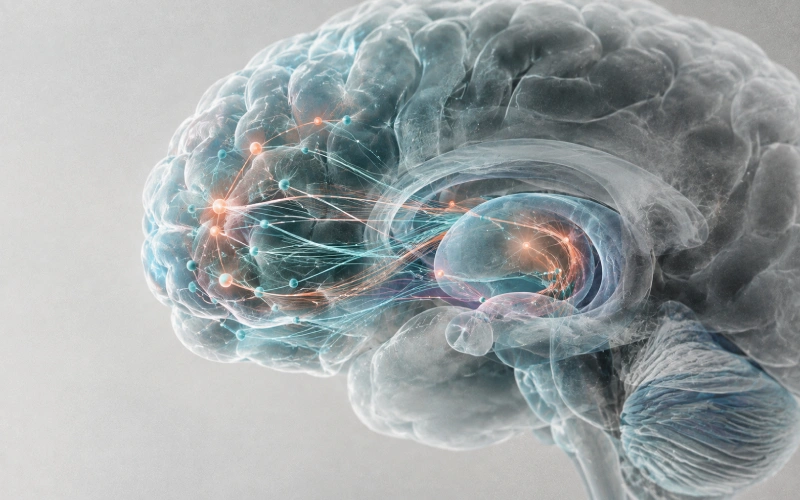
Why the Brain Depends So Heavily on Oxygen and Energy
The brain is metabolically expensive. It accounts for roughly 2% of body weight and consumes about 20% of the body’s oxygen and energy at rest [4]. Most of that goes toward restoring ion gradients after neurons fire and toward synaptic signalling — the housekeeping cost of thinking [5].
There’s no meaningful storage. Neurons need a continuous delivery of oxygen and glucose, matched second by second to local activity. When a region gets busy, blood flow to that region increases within a couple of seconds. That coupling is the basis of functional brain imaging.
So the brain is oxygen-hungry, and its energy supply is tightly regulated. Both statements are true. Neither one implies that adding more oxygen to a system already running at target levels produces better cognition. A well-fuelled engine doesn’t run faster because you top up the tank.
What Happens Inside a Hyperbaric Chamber?
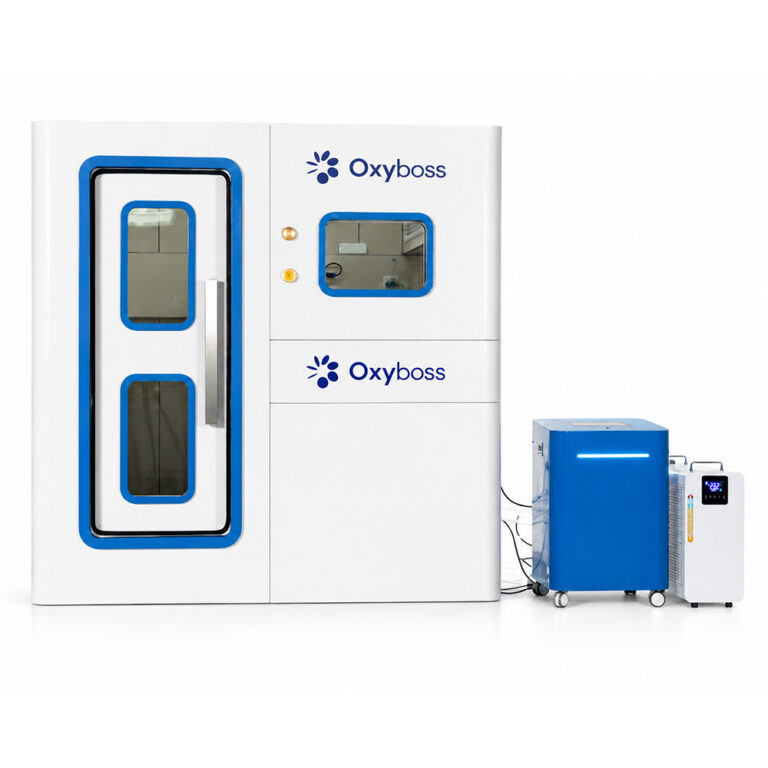
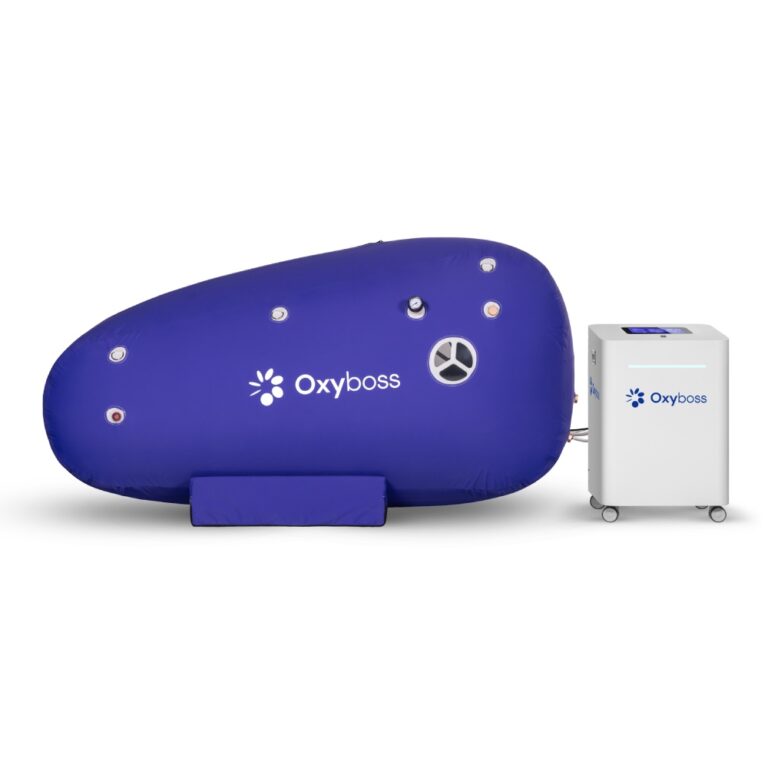
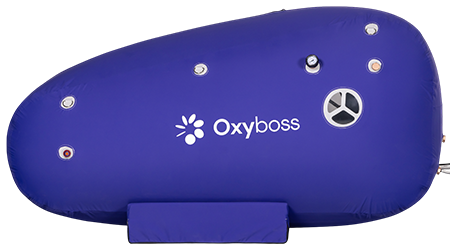
A hyperbaric chamber raises ambient pressure above sea level. Under increased pressure, breathing oxygen-enriched air dissolves considerably more oxygen directly into blood plasma, independent of haemoglobin — Henry’s law in practice.
Under normal conditions haemoglobin is already about 97–98% saturated, so there’s almost no room to load more onto red blood cells. The dissolved fraction is different. It can rise substantially, and that plasma-dissolved oxygen can reach tissue in ways ordinary breathing doesn’t achieve.
Two broad categories exist in real-world use:
| Configuration | Typical pressure | Oxygen source | Common setting |
|---|---|---|---|
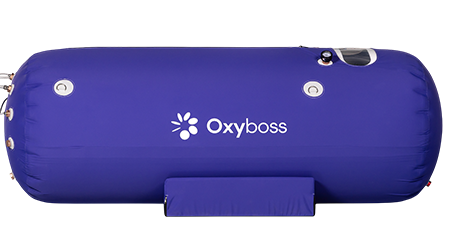
| Mild / soft-shell | ~1.3 ATA | Concentrated oxygen via mask or concentrator | Home, wellness studios, sports recovery |
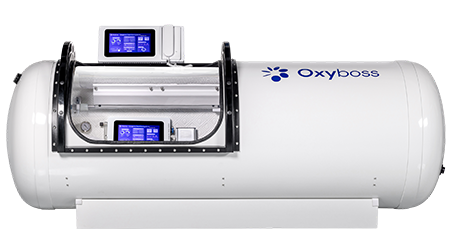
| Hard-shell, higher pressure | 1.5–2.0+ ATA | High-concentration oxygen delivery | Supervised, professionally operated facilities |
A session usually runs 60–90 minutes: a gradual pressurisation phase, a steady period at pressure, then a controlled return to normal. Ear fullness during pressure changes is the sensation most people notice first.
Important framing point: the pressures used in wellness and recovery settings are not interchangeable with those used in regulated clinical protocols, and the research base behind each is different.
Why Researchers Are Interested in Oxygen, Pressure and Brain Function
The scientific interest is real. It’s just narrower than the marketing suggests.
Brain energy metabolism
Mitochondria use oxygen as the terminal electron acceptor in oxidative phosphorylation. Research suggests that intermittent hyperoxic exposure can influence mitochondrial function and biogenesis signalling — one of the more actively studied mechanisms in this field [6].
Neuroplasticity
Repeated hyperbaric exposure has been shown to affect growth factor expression, including VEGF, and to influence stem cell mobilisation [7]. A concept described as the “hyperoxic–hypoxic paradox” proposes that fluctuating oxygen levels — not sustained high oxygen — act as the biological signal, mimicking aspects of oxygen shortage while oxygen is actually abundant [6].
Blood flow and oxygen delivery
Oxygen dissolved in plasma can diffuse into regions where circulation is compromised. Interestingly, high oxygen also causes short-term vasoconstriction, which is part of why researchers pay close attention to protocol design rather than assuming “more is better.”
Cognitive function
The most relevant study for general readers looked at healthy older adults over a 12-week course of sessions. Researchers reported improvements in attention, processing speed and executive function scores alongside measured increases in cerebral blood flow [8]. That’s a genuinely interesting result. It was also conducted in adults aged 64 and above, in a specific protocol, and it was not designed to say anything about ADHD.
Where Hyperbaric Research and ADHD May Intersect
Here’s the honest map of the overlap.
Some older imaging work reported reduced blood flow in frontal and striatal regions in children with attention difficulties [9]. Separately, hyperbaric research has documented effects on cerebral perfusion and on executive-function test scores in other groups [8]. Those two findings sit adjacent to each other, and adjacency is where speculation grows.
But the mechanisms don’t join up as neatly as they appear:
- Perfusion differences in ADHD are regional and functional, not a shortage of oxygen availability in the blood.
- ADHD is fundamentally a signalling and developmental-timing story, centred on catecholamine systems.
- Nothing in the ADHD literature identifies impaired oxygen delivery as the driver of attention difficulties.
Adding oxygen to a system whose bottleneck is neurotransmitter signalling and network timing is not an obvious fix. It might do nothing. It might do something indirect. Both remain open questions.
Can a Hyperbaric Chamber Help ADHD? What the Evidence Says
Direct answer: there is no published randomised controlled evidence that hyperbaric chamber use improves ADHD traits. Not weak evidence — essentially no dedicated trials at all.
The closest adjacent research comes from autism studies, and those results are genuinely mixed. One randomised trial reported improvements in parent-rated measures at 1.3 ATA [10]. A subsequent trial using a comparable approach found no benefit over control conditions [11]. When two similar designs disagree, the cautious reading is that the effect is either small, inconsistent, or heavily influenced by expectation.
Regulators have also weighed in. The U.S. FDA has issued consumer warnings specifically noting that hyperbaric oxygen devices are not cleared for conditions including ADHD, autism and cerebral palsy, and that consumers may risk delaying properly supported care while spending money on unproven claims [12].
| What’s being claimed | Evidence status |
|---|---|
| Increases dissolved oxygen in plasma | Well established physics and physiology |
| Influences growth factors, mitochondrial and plasticity signalling | Supported in laboratory and mechanistic research [6][7] |
| Changed cognitive scores in specific studied groups | Reported in defined populations and protocols [8] |
| Improves attention or executive function in ADHD | No dedicated controlled trials |
| Reduces reliance on professional ADHD support | Unsupported |
Why a Biological Mechanism Is Not the Same as Proven Support
This is the part most articles skip.
A plausible mechanism tells you how something could work. A trial tells you whether it does, in whom, at what dose, and at what cost. The gap between those two is where a large share of health products live.
Three reasons mechanisms mislead:
Direction is unpredictable. Oxygen is both fuel and oxidant. The same exposure that stimulates useful signalling at one pressure and duration can push oxidative stress at another.
Compensation happens. Bodies push back against changes. Short-term shifts don’t reliably become long-term ones.
Expectation is powerful, especially with children. ADHD outcomes are usually rated by parents, teachers and self-report. Spend an hour a day, several weeks running, in a novel and calm environment, and ratings can move for reasons unrelated to oxygen — routine, one-on-one time, reduced stimulation, hope. Without a sham-controlled design, none of that can be separated out.
What ADHD Support Usually Looks Like Today
Approaches with substantial evidence behind them, as described by professionals working in the field, generally fall into a few categories: behavioural and environmental strategies, structured skills coaching, school or workplace accommodations, sleep and exercise routines, and prescription options that a licensed professional evaluates and monitors [1][13].
Large comparative analyses have examined the relative effects and tolerability of the available prescribed options across age groups [13]. Those decisions belong entirely with a qualified professional who knows the individual — not with a blog, and not with a chamber operator.
A chamber, whatever else it may or may not do, does not replace any of that.

What to Consider Before Using a Hyperbaric Chamber
If someone is exploring a chamber for general wellness or recovery reasons, several practical points are worth thinking through.
Physical considerations. Middle-ear and sinus discomfort during pressure changes is the most commonly reported issue. Temporary changes in vision have been described with extended courses of sessions. Fire safety in oxygen-enriched environments is taken seriously for good reason, and certain conditions make pressurised environments unsuitable altogether [14]. Anyone with existing health conditions should get clearance from a qualified professional first — this isn’t a formality.
Children specifically. Younger children may struggle to equalise ear pressure or to stay still and calm for an hour. That’s worth honest consideration before committing.
Claims screening. Any operator promising ADHD improvements, permanent results or reduced need for professional support is describing something the published evidence doesn’t currently support.
Cost and time. Protocols in the research literature typically involve 20–60 sessions. The realistic question is what else that time and money could buy — including approaches with stronger evidence behind them.
| Before booking, ask | Why it matters |
|---|---|
| What pressure is used, and how is oxygen delivered? | Determines what physiological change actually occurs |
| Who operates and supervises the chamber? | Training and maintenance standards vary widely |
| What are the maintenance and safety records? | Oxygen-rich environments require strict protocols |
| Are outcomes being promised? | Guarantees signal a marketing claim, not a research finding |
| Has a qualified professional cleared this? | Some conditions make pressurised environments inappropriate |
The Bottom Line
The mechanisms behind hyperbaric chambers are real. Dissolved oxygen does increase. Signalling pathways tied to plasticity and mitochondrial function do respond. In certain studied groups, measurable changes in blood flow and cognitive test performance have been reported.
None of that has been tested for ADHD. The core biology of ADHD points toward catecholamine signalling and developmental timing rather than oxygen supply, which makes the theoretical case weaker than it first appears.
So the reasonable position is a boring one: interesting mechanism, no established application here. If a chamber appeals to you for general recovery or wellness reasons, that’s a separate decision — made with a qualified professional’s input, clear expectations, and no assumption that it addresses attention or executive function.
FAQ
Is a hyperbaric chamber approved for ADHD? No. Regulatory bodies have specifically flagged ADHD among conditions for which hyperbaric oxygen devices are not cleared, and have cautioned consumers about unproven marketing claims [12].
Are there any studies on hyperbaric chambers and ADHD? No dedicated randomised controlled trials exist. The closest adjacent research involves autism, with conflicting results across similar designs [10][11].
Does more oxygen improve concentration in general? Not in people whose oxygen levels are already normal. Haemoglobin is nearly fully saturated under ordinary conditions, so the limiting factor for attention isn’t oxygen availability.
What about the studies showing improved cognitive scores? The most cited work involved healthy adults aged 64 and older across a defined 12-week protocol, reporting changes in cognitive scores and cerebral blood flow [8]. Those results don’t transfer to ADHD or to children.
Is mild hyperbaric use at 1.3 ATA safer than higher pressures? Lower pressure generally means a smaller physiological change and fewer pressure-related issues. It also means the mechanisms studied at higher pressures may not apply. Lower risk and lower effect tend to travel together.
Could it help indirectly, through sleep or recovery? Possible in principle, unstudied in practice for this purpose. Anyone claiming otherwise is going beyond current evidence.
This article is general information about hyperbaric chambers and published research. It is not medical advice and does not describe any medical use. Decisions about ADHD should be made with a qualified professional.
References
- Faraone SV, et al. “The World Federation of ADHD International Consensus Statement.” Neuroscience & Biobehavioral Reviews, 2021. https://pubmed.ncbi.nlm.nih.gov/33549739/
- Hoogman M, et al. “Subcortical brain volume differences in participants with ADHD.” The Lancet Psychiatry, 2017. https://pubmed.ncbi.nlm.nih.gov/28219628/
- Shaw P, et al. “Attention-deficit/hyperactivity disorder is characterized by a delay in cortical maturation.” PNAS, 2007. https://www.pnas.org/doi/10.1073/pnas.0707741104
- Raichle ME, Gusnard DA. “Appraising the brain’s energy budget.” PNAS, 2002. https://www.pnas.org/doi/10.1073/pnas.172399499
- Attwell D, Laughlin SB. “An energy budget for signaling in the grey matter of the brain.” JCBFM, 2001. https://pubmed.ncbi.nlm.nih.gov/11598490/
- Hadanny A, Efrati S. “The Hyperoxic-Hypoxic Paradox.” Biomolecules, 2020. https://www.mdpi.com/2218-273X/10/6/958
- Thom SR. “Hyperbaric oxygen: its mechanisms and efficacy.” Plastic and Reconstructive Surgery, 2011. https://pubmed.ncbi.nlm.nih.gov/21200283/
- Hadanny A, et al. “Hyperbaric oxygen therapy effects on cognitive functions and cerebral blood flow in healthy aging adults.” Aging (Albany NY), 2020. https://pubmed.ncbi.nlm.nih.gov/32589613/
- Lou HC, et al. “Focal cerebral hypoperfusion in children with dysphasia and/or attention deficit disorder.” Archives of Neurology, 1984. https://pubmed.ncbi.nlm.nih.gov/6547191/
- Rossignol DA, et al. “Hyperbaric treatment for children with autism: a multicenter, randomized, double-blind, controlled trial.” BMC Pediatrics, 2009. https://pubmed.ncbi.nlm.nih.gov/19284641/
- Granpeesheh D, et al. “Randomized trial of hyperbaric oxygen therapy for children with autism.” Research in Autism Spectrum Disorders, 2010. https://pubmed.ncbi.nlm.nih.gov/20678022/
- U.S. Food and Drug Administration. “Hyperbaric Oxygen Therapy: Get the Facts.” https://www.fda.gov/consumers/consumer-updates/hyperbaric-oxygen-therapy-get-facts
- Cortese S, et al. “Comparative efficacy and tolerability of medications for ADHD in children, adolescents, and adults.” The Lancet Psychiatry, 2018. https://pubmed.ncbi.nlm.nih.gov/30097390/
- Heyboer M, et al. “Hyperbaric Oxygen Therapy: Side Effects Defined and Quantified.” Advances in Wound Care, 2017. https://pubmed.ncbi.nlm.nih.gov/28768083/