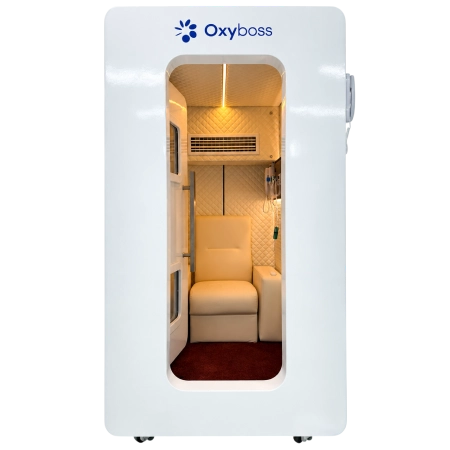
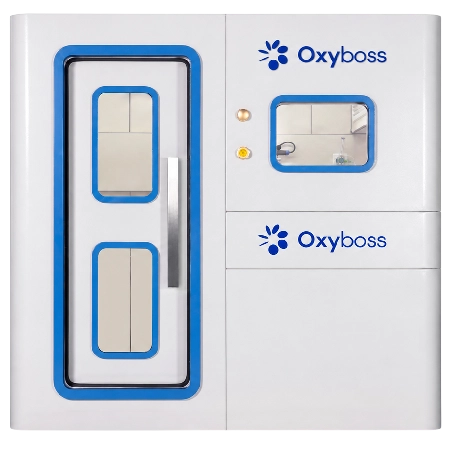
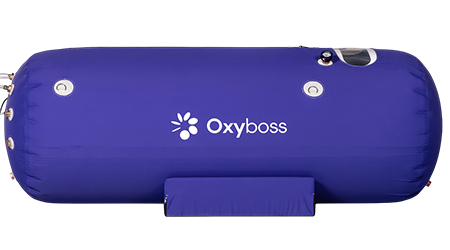
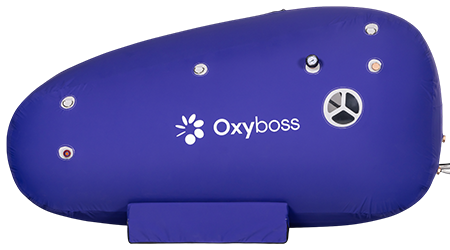
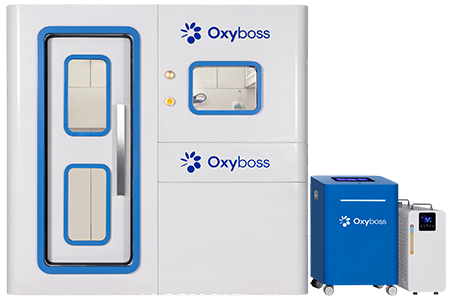
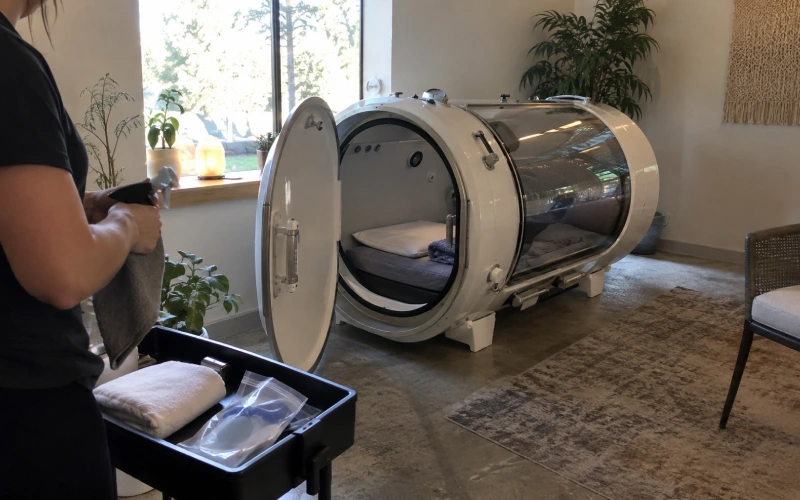
A practical, step-by-step handoff built for owners and operators — not a clinical protocol.
Read this first. The chambers discussed here are not medical devices. They are not cleared or approved by the U.S. FDA for any medical use. Nothing on this page is a claim about diagnosing, mitigating, or managing any condition. If your facility is a regulated clinical setting, follow UHMS, NFPA 99 Chapter 14, and your local authority having jurisdiction. This guide is for owners and operators of non-medical chambers running shared-use programs.
A clean handoff is the single most overlooked thing in a shared-use chamber program. Most problems — smells, residue, complaints, the worry that the last person left something behind — come from a missing handoff, not from a missing product.
This guide walks through what to do between two users, in the order you actually do it. It covers what to clean, what not to put on which surface, how long contact time really takes, when the next user can go in, and what to write down. It draws on public guidance from the CDC, FDA, UHMS, OSHA, NFPA, and ASME, plus what chamber operators run into day to day.
The 15-second version (start here if you’re in a hurry)
- Open the chamber and let it breathe for a minute before you reach in.
- Strip anything that touched the user — linens, mask, head cover, hoses for that user.
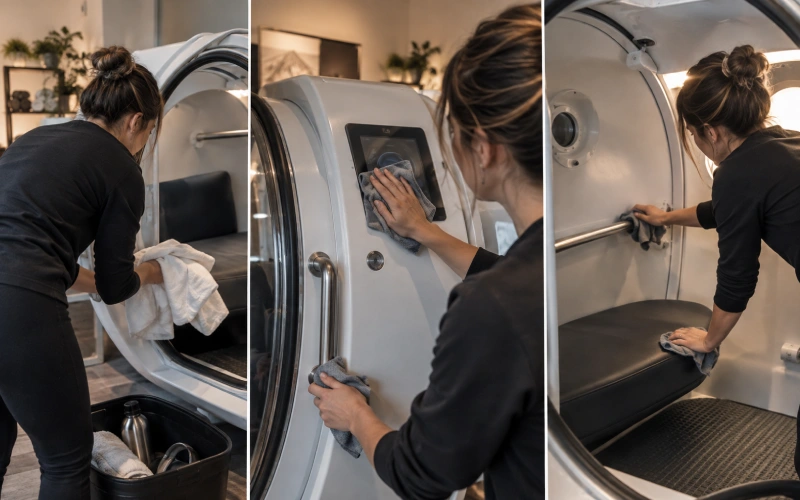
- Wipe high-touch surfaces first (door handles, control panel, inside grab bar, the seat edge), then the wider interior. Cleaner to dirtier, top to bottom. Never re-dip a cloth in the clean solution.
- Apply your approved disinfectant. Stay wet for the full contact time on the label. Don’t wipe it off early.
- Air-flush the chamber with the blower running on a fresh-air cycle, with the door open or vent open, until any smell is gone. Wipe dry only what the manufacturer says to wipe.
- Inspect — visually clean, dry, no residue, no odor, accessories back in place. Sign and date. The next user is now cleared to enter.
Who is responsible (and why it has to be written down)
A handoff without a name on it isn’t a handoff — it’s a hope. Three roles need to be clear before you open the door to user two:
- The cleaner. The person who actually wiped, sprayed, waited, and flushed.
- The releaser. The person who inspected and signed off. Can be the same person, but the inspection step still has to happen.
- The operator on duty. The person who accepts the release and tells the next user the chamber is ready.
For a small home setup with two family members, this can be the same person every time — but write it down anyway. For a studio or gym running sessions back to back, separate roles are the only way to keep a missed step from turning into a complaint.
Why records matter. If a user reports a smell, a rash, or anything off after a session, the first thing anyone will ask is what was done between sessions, by whom, and when. A one-line log with names and times answers that question in seconds. A blank wall answers it in days.
Materials — what you can put on what
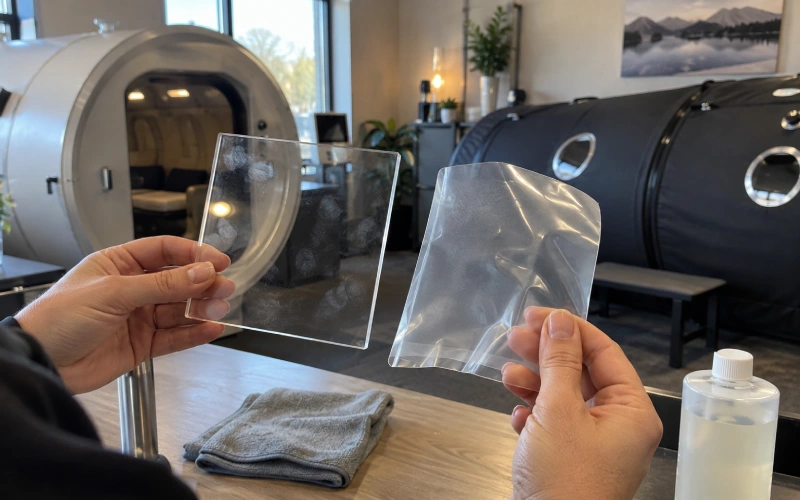
This is the part where most products get damaged. Acrylic and soft-shell chambers want different things. Read your own owner’s manual first — if the manufacturer has a list of approved cleaners, that list wins.
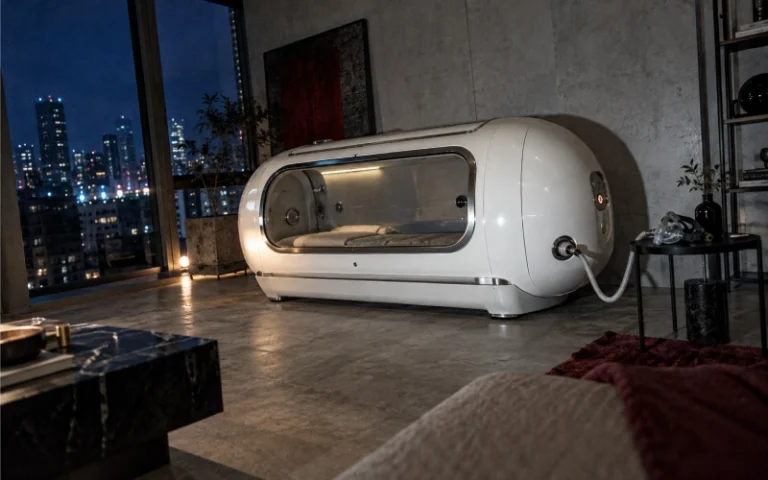
Hard-shell acrylic
- Use a soft, lint-free cloth. Microfiber works.
- Mild, fragrance-free dish soap diluted in warm water is fine for routine cleaning.
- Isopropyl alcohol and ammonia-based glass cleaners will craze acrylic over time. Skip them.
- Abrasive pads (including the green scrubbing side of a sponge) will scratch. Don’t.
- If you use any disinfectant at all, check the label for acrylic compatibility and confirm with the chamber manufacturer.
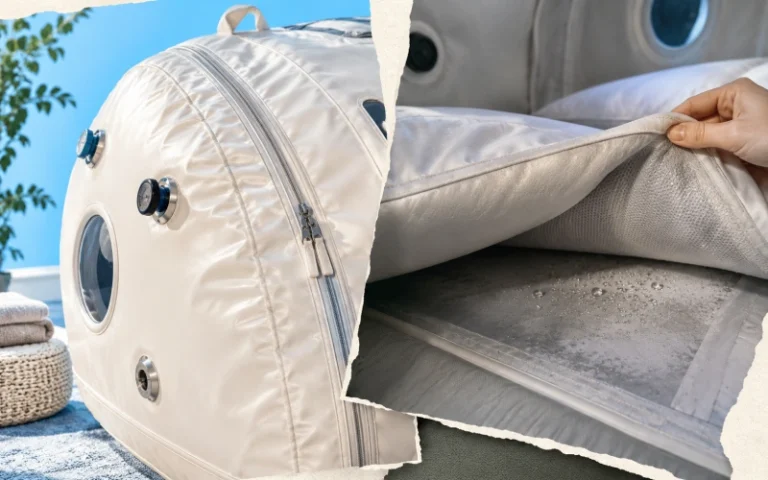
Soft-shell (TPU, vinyl, fabric)
- Wipe, don’t soak. Water trapped in seams and zippers grows what you just cleaned off.
- Use the mildest soap that does the job. A small amount of fragrance-free dish soap in water is the usual starting point.
- Bleach, hydrogen peroxide at high concentration, and most quat sprays will discolor or embrittle the bladder. Test on a hidden spot first.
- Leave the zipper open and the chamber unsealed until the interior is fully dry. Trapped moisture is the number one cause of odor complaints in soft-shell units.
- Wipe down the zipper track and the seal around it — that’s where residue builds up.
If your owner’s manual and the cleaner’s label disagree, the owner’s manual wins. No cleaner is “approved” for a chamber just because it’s on a shelf.
Choosing a disinfectant — the four-question filter
Any product you use inside or on the chamber has to clear four checks. If any one fails, pick a different product.
- Is it EPA-registered for the use you intend? Look for the EPA registration number on the label. Registration for one surface type doesn’t cover another.
- Is the manufacturer of your chamber OK with it? Ask the chamber maker for their approved-cleaner list. Lists are not interchangeable between chamber models.
- Is it compatible with the surface? Acrylic, TPU, vinyl, silicone seals, and metal fittings each behave differently.
- Have you read the SDS? The Safety Data Sheet tells you what PPE to wear, how long the wet contact time is, and what the ventilation requirements are. OSHA requires the SDS to be available where the product is used.
Contact time — the most common mistake
“Apply and let dry” is not how disinfectants work. The surface has to stay wet for the full contact time listed on the label — usually 3 to 10 minutes, depending on the product and the target. Wiping it off early because it looks dry is the single most common reason a disinfectant “doesn’t work.” If your product dries before the contact time is up, re-wet it.
Clean first, then disinfect, and respect the label, in line with the CDC guidance on cleaning and disinfecting.
Air flush and ventilation
After the contact time is up, run the chamber through a fresh-air or vent cycle before the next user goes in. The door open or vent open, blower on, until you can’t smell the product anymore. This step is not optional. It’s also the step most often skipped because nobody times it.
Rule of thumb: if you can still smell the product, the next user shouldn’t be inside yet.
Release — the four checks before the next user
A release is not the same as “I think it’s clean.” A release is a checklist with a signature. Four things have to be true:
- Visually clean. No visible soil, smears, droplets, hair, or skin flakes on any surface the next user will touch or sit against.
- Dry. No standing moisture on acrylic or seams. Moisture is what grows what you just cleaned off.
- No chemical smell. If your nose catches it, the next user’s nose will too.
- Accessories back. Mask, head cover, hoses for the next user are in place and identified. Reusable accessories have gone through their own five-step reprocessing (disassemble, clean, disinfect, dry, sealed storage).
If any check fails, the chamber stays out of service until it’s fixed. Document why and what you did.
Scheduling — how much time to leave between users
Plan a minimum 15-minute gap between scheduled start times. That’s not a marketing number — it’s the floor that lets cleaning, contact time, and air flush all happen without rushing the next user.
What actually takes the time:
- Manual wipe-down of the interior and high-touch surfaces.
- The disinfectant contact time on the label (often 3–10 minutes).
- Air flush until the product smell is gone.
- Visual inspection and signature.
For a small home setup used by family members back to back, the routine is shorter and one person can do all of it. For a studio or gym with strangers sharing the chamber, separate cleaner and releaser roles and don’t compress the schedule.
Disposable and personal items
Anything that touches a user’s face or breathing should be single-use or assigned to that user. That covers:
- Masks and head covers — one per user, or cleaned per the manufacturer’s five-step reprocess (disassemble, clean, disinfect, dry, sealed bag).
- Hoses for individual breathing — dedicated to one user, or single-use.
- Linens and seat covers — changed between users, laundered in hot water with detergent and dried fully before reuse.
- Any barrier sheet or underlay — single-use is the simplest policy.
Each user’s items should be labeled, stored separately, and sealed between uses. Mixing them up is how a clean chamber becomes a contaminated one.
What not to put in the chamber
Inside an oxygen-rich environment, materials matter. This is engineering, not opinion.
Materials and personal items to keep out of the chamber during operation
- Petroleum-based products (Vaseline, oily lotions, certain lip balms).
- Synthetic fibers that shed — polyester fleece, acrylic, nylon, rayon.
- Wool and silk.
- Hair products that contain alcohol or propellants — apply before entry, let them dry, and don’t bring the can in.
- Any electronics not rated for the chamber.
- Lighters, matches, e-cigarettes, vape pens.
The reference for what is and isn’t allowed in oxygen-enriched spaces is ASME PVHO-2 Mandatory Appendix V, Partial List of Harmful Substances and Acceptable Products. If your facility operates under NFPA 99, that’s the controlling standard.
Ozone, UV-C, fogging — what they actually do
None of these replace a manual clean. They are add-ons at best.
- Ozone. Ozone is not approved by the FDA for general surface disinfection and is not endorsed for that use by the EPA. Where ozone is used at all, it needs manufacturer authorization, controlled concentration, exposure monitoring, and a full air flush before the next user enters. Don’t run an ozone cycle and seat the next user immediately.
- UV-C. UV-C can drop the bacterial load on a surface that’s already been cleaned manually, but it does not replace the manual clean, and it can damage acrylic windows. Use it only as a supplement, with manufacturer sign-off on placement and dose.
- Fogging or spraying. Spray onto a clean cloth, then wipe. Spraying directly into a closed chamber puts fine droplets into the air the next user will breathe and can leave pooling that doesn’t dry cleanly. Always follow the product label and the chamber manufacturer’s guidance.
Special situations
A user reports a skin or respiratory reaction after a session
Pull the chamber out of service. Don’t clean and reuse. Document the report with the date, the user, the symptoms, and which session number it was. Notify the chamber manufacturer. If the user sought care, keep a copy of any report they share. Resume only after you have a written reason to resume.
Visible contamination — bodily fluid, vomit, blood
Handle it the way a body-fluid spill is handled anywhere: appropriate PPE, absorb and dispose, then clean and disinfect the underlying surface. Don’t reuse any porous material that absorbed the spill. Log it.
A user has a known communicable condition
This is not medical advice. The general rule: the chamber should be cleaned and aired before the next user enters, and items that touched the user should be single-use or reprocessed per the manufacturer’s protocol. If your program serves people with a range of health situations, write a policy and stick to it.
Odor that won’t go away
Usually trapped moisture in a seam, zipper, or under a floor mat. Open the chamber fully and let it air-dry for several hours. If the smell persists, contact the manufacturer — it can be a bladder or seal issue.
Records you actually need to keep
You don’t need a software system. You need a paper or spreadsheet log with five fields per session:
| Field | What goes in it |
|---|---|
| Date and time | When the handoff started |
| Outgoing user | Identifier (initials, member ID — whatever your program uses) |
| Cleaner | Name and initials of the person who cleaned |
| Releaser | Name and initials of the person who inspected and signed off |
| Status | Released for use, or Held for reclean (with reason) |
Keep these logs for the period your local authority requires, or longer if you want a defensible history. The point isn’t paperwork — it’s being able to answer “what happened between user A and user B” in one minute, not one week.
Common mistakes that cause the most problems
- Wiping the disinfectant off before the contact time is up. It looks dry. It is not done.
- Reusing the same cloth from surface to surface. One cloth per chamber per handoff, or change sides mid-way.
- Cleaning in circles. Start clean, end dirty. Top to bottom. Never go back to a clean surface with a used cloth.
- Skipping the air flush. The next user shouldn’t be able to smell the cleaner.
- Storing the next user’s mask or head cover with the last user’s. Bag it and label it.
- No signature on release. If no one signed, no one released, and you can’t prove the chamber was clean when the next user entered.
FAQ
Do I need to clean a chamber after every use?
Yes. The interior and anything reusable that touched the user should be cleaned after every use. A weekly deep clean is the floor, not the ceiling.
Can I clean and seat the next user right away?
No. Allow time to clean, to meet the disinfectant contact time, to flush and air out, and to inspect. Plan a minimum 15-minute gap between start times.
Are ozone, UV-C, or fogging enough on their own?
No. They work only as add-ons after a manual clean, not as a replacement. Ozone is not approved for general surface disinfection; UV-C can damage acrylic and needs manufacturer sign-off.
Is this equipment a medical device?
No. The chambers discussed here are not medical devices. They are not cleared or approved for any medical use. Operators in regulated clinical settings should follow UHMS, NFPA 99, and applicable local rules.
References
- U.S. Food and Drug Administration. Letter to Health Care Providers: Recommendations for the Safe Use of Hyperbaric Oxygen Therapy Devices. fda.gov.
- Undersea and Hyperbaric Medical Society. Infection Prevention for Hyperbaric Facilities. uhms.org.
- Centers for Disease Control and Prevention. Guideline for Disinfection and Sterilization in Healthcare Facilities. cdc.gov.
- U.S. Occupational Safety and Health Administration. Hazard Communication Standard / Safety Data Sheets. osha.gov.
- National Fire Protection Association. NFPA 99 Health Care Facilities Code, Chapter 14 (Hyperbaric Facilities). nfpa.org.
- ASME. PVHO-2 Safety Standard for Pressure Vessels for Human Occupancy, Mandatory Appendix V (Partial List of Harmful Substances and Acceptable Products). asme.org.
- U.S. Environmental Protection Agency. Selected EPA-registered disinfectants. epa.gov.