Disclaimer: The following content is for general wellness and informational purposes only. It is not intended to diagnose, treat, cure, or prevent any disease or medical condition. Hyperbaric chambers discussed in this article refer to mild-pressure, wellness-oriented units (typically around 1.25–1.3 ATA). If you have any health concerns, consult a qualified healthcare professional before use. The statements below have not been evaluated by the FDA.
You just finished a leg day that left you gripping the stair rail on the way out of the gym. Tomorrow is supposed to be back and biceps. Your quads are already stiffening up, sleep will be restless, and you know that by 6 AM you’ll be bargaining with yourself about whether to go or skip.
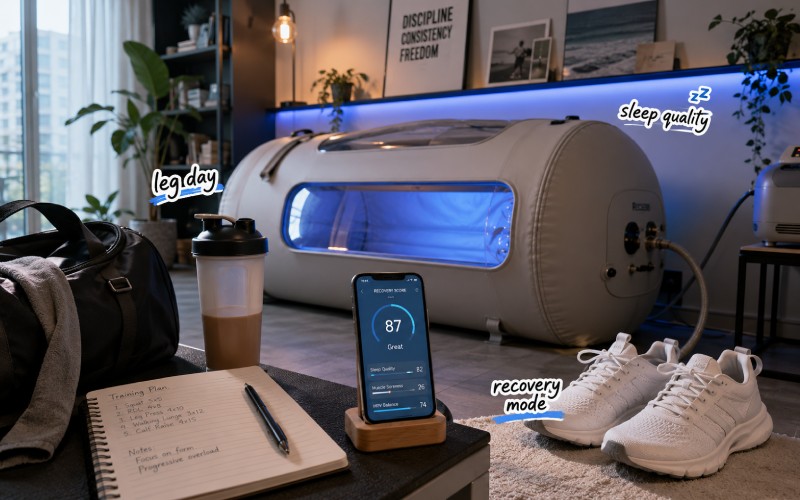
This is the reality bodybuilders live in. The gap between sessions matters as much as the sessions themselves. And it’s inside that gap—those 24 to 48 hours of soreness, swelling, and general misery—where a mild hyperbaric chamber has started to show up in more recovery-focused home gyms, garage setups, and wellness studios.
But does sitting in a pressurized enclosure actually speed anything up? Or is it expensive air?
Let’s walk through what’s happening in your body after a heavy session, how pressurized oxygen interacts with that process, and where the honest evidence stands right now—with careful attention to what the research actually tested and whether it applies to the kind of equipment you can realistically access.
What Actually Happens to Your Muscles After a Heavy Lift
Every hard set creates micro-tears in your muscle fibers. That’s not a bad thing—it’s the stimulus your body needs to rebuild bigger and stronger. But the aftermath has a timeline, and that timeline is what separates a productive training week from an overtrained one.
Here’s the rough sequence:
- Micro-damage occurs during the eccentric (lowering) portion of lifts especially. Heavy squats, Romanian deadlifts, controlled negatives—these stress fibers at the microscopic level.
- Inflammation kicks in within hours. Your immune system sends specialized cells to the damaged area, which causes localized swelling and heat.
- Oxygen demand spikes. Damaged tissue needs more oxygen than normal to produce ATP (the energy currency your cells run on). But the swelling from step two actually compresses tiny capillaries, restricting blood flow right when you need it most.
- Metabolic waste accumulates. Byproducts from energy production and from the repair process itself build up in the tissue.
- Delayed-onset muscle soreness (DOMS) peaks somewhere around 24–72 hours, making your next session feel like punishment.
This entire cascade is normal and necessary. The problem is that when it drags on too long or becomes excessive, your next workout suffers. You lift less weight, your form breaks down, and you accumulate fatigue without accumulating growth stimulus.
That’s the window where a mild hyperbaric chamber enters the conversation.
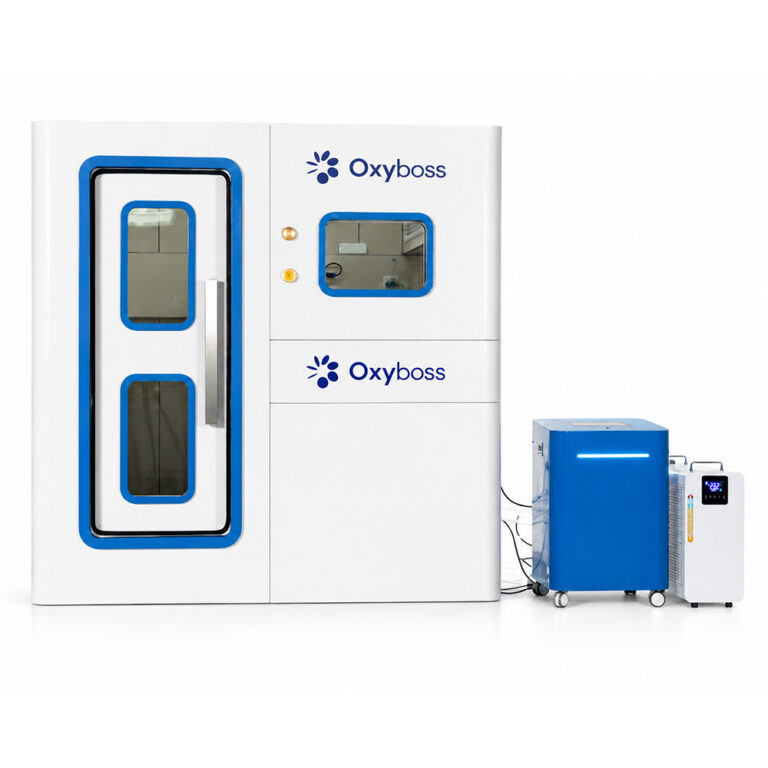
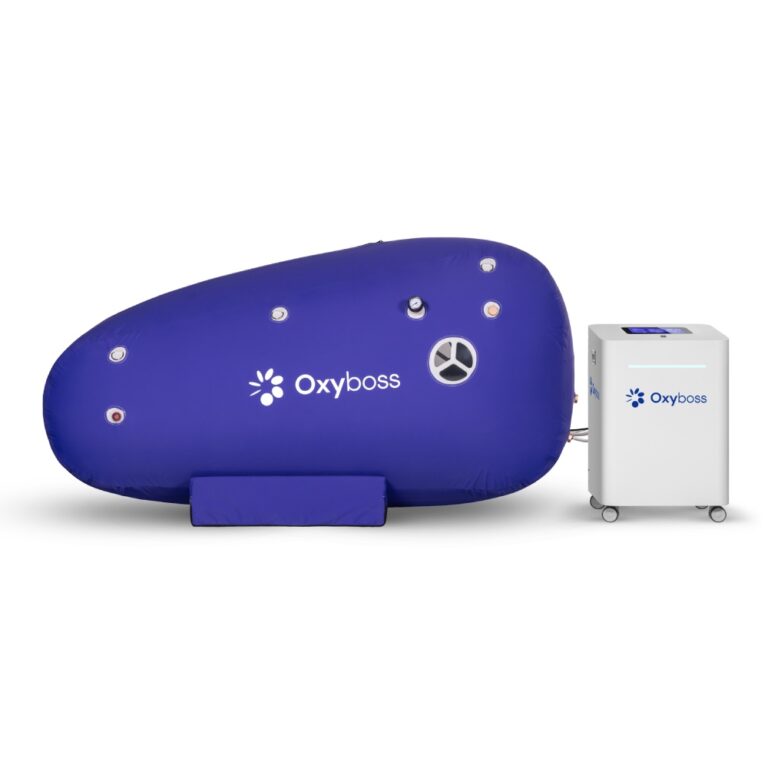
How a Mild Hyperbaric Chamber Works (the Short Version)
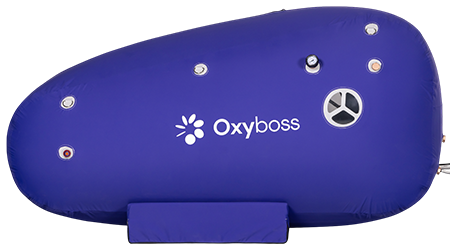
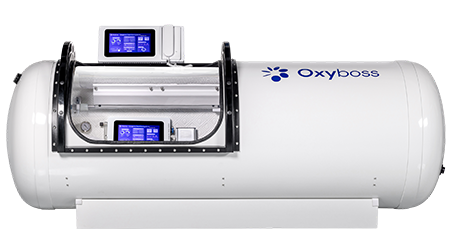
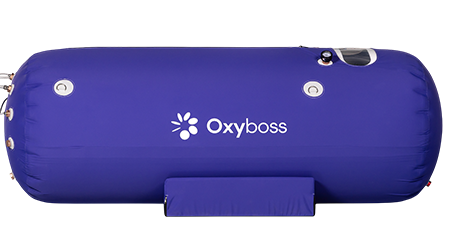
A hyperbaric chamber is a sealed enclosure that raises the air pressure around you above normal atmospheric levels. Standard atmospheric pressure at sea level is 1.0 ATA (atmosphere absolute).
There are two broad categories you need to understand:
| Feature | Mild-Pressure Chamber (Soft-Shell) | Higher-Pressure Unit (Hard-Shell) |
| Typical Pressure | 1.25–1.5 ATA | 2.0–3.0 ATA |
| Oxygen Source | Ambient air or mildly enriched oxygen | Concentrated oxygen (90–100%) |
| Accessibility | Home use, wellness studios, gyms | Specialized facilities, usually supervised |
| Regulatory Position | Commonly marketed in wellness settings (jurisdiction-dependent) | Typically used in clinical or specialized settings |
| Approximate Cost (Own) | $4,000–$15,000 | $25,000–$100,000+ |
| Per-Session Cost (Studio) | $50–$150 | $150–$400 |
This distinction matters enormously for everything that follows. When you read a research paper about pressurized oxygen and recovery, the first question should always be: what pressure and oxygen concentration did they actually use? A finding at 2.5 ATA with pure oxygen does not automatically tell you what will happen at 1.25–1.3 ATA with ambient or mildly enriched air. I’ll flag the pressure level for every study cited in this article so you can judge for yourself.
Why does pressure matter at all? Because of a principle in physics called Henry’s Law: the amount of gas that dissolves into a liquid increases in direct proportion to the pressure of that gas above the liquid. Your blood is mostly liquid (plasma), and under higher pressure, more oxygen dissolves directly into it—beyond what your red blood cells can carry on their own [1].
Under normal conditions, only a small fraction of the oxygen in your blood travels dissolved in plasma. The rest rides on hemoglobin. Inside a pressurized chamber, that dissolved-oxygen fraction rises, and this extra oxygen can reach tissues that are swollen, compressed, or otherwise hard to access through normal circulation [1]. The magnitude of this increase scales with pressure and oxygen concentration—which is exactly why the mild vs. higher-pressure distinction is not trivial.
What the Research Says—Organized by Pressure Level
Rather than mixing all the evidence together and hoping you don’t notice the protocol differences, let’s separate things clearly.
Studies Using Higher Pressure (2.0+ ATA, Concentrated Oxygen)
These findings are robust in their own context, but they describe conditions above what a mild home chamber provides. They’re worth knowing because they establish the biological plausibility of the mechanisms—but you should not assume a 1.25–1.3 ATA session will replicate these outcomes at the same magnitude.
Mitochondrial and aerobic capacity gains (2.0 ATA, 100% O2, 40 sessions)
A blinded, controlled trial on middle-aged athletes found that 40 repeated sessions at 2.0 ATA led to significant increases in VO2max, power output at anaerobic threshold, and—confirmed through muscle biopsies—mitochondrial mass and respiration capacity [2]. The subjects were physically active adults (not competitive bodybuilders), and the protocol required 40 sessions over several months. This is strong evidence that repeated pressurized oxygen exposure can change something measurable at the cellular level, but it was done under conditions most home users won’t replicate.
Connective tissue and immune cell modulation (2.5 ATA, animal model)
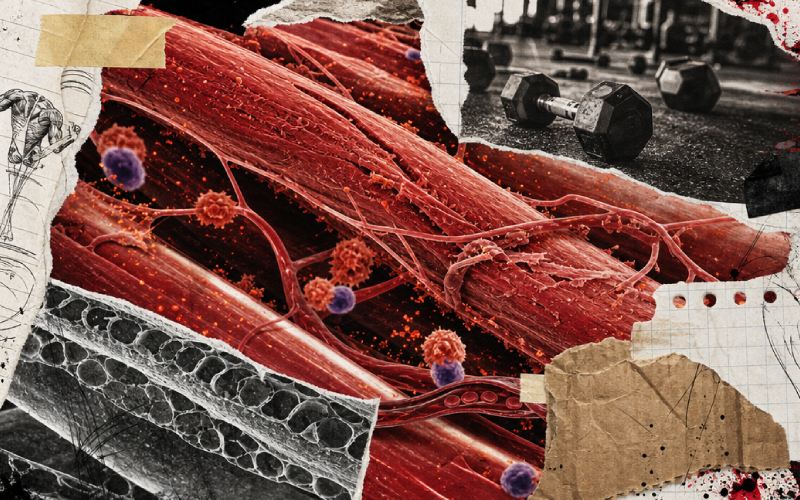
A study using a mouse model of muscle injury found that pressurized oxygen at 2.5 ATA redirected immune cell activity toward a repair-oriented profile—dampening the aggressive early inflammatory response while supporting collagen deposition and satellite cell activation for tissue rebuilding [3]. This is relevant because bodybuilders don’t just stress muscle fibers—they stress tendons, fascia, and joint capsules too. But this was an animal study at a pressure well above the mild-chamber range.
2025 Meta-analysis on exercise-induced muscle damage (mixed pressures, 10 RCTs)
A 2025 systematic review and meta-analysis of 10 randomized controlled trials (299 total participants) found that pressurized oxygen sessions significantly accelerated recovery from exercise-induced muscle damage. However, that same meta-analysis found no significant overall effect on muscle soreness when looking at pooled data. Subgroup analyses suggested that longer sessions and pressures above 2.0 ATA may be more favorable for soreness outcomes [4]. This is the most comprehensive look at the topic, and the takeaway is nuanced: functional recovery may improve, but soreness doesn’t budge reliably.
Single-session fatigue reduction (2.5 ATA, 60 min)
A 2025 single-blind crossover trial found that one 60-minute session at 2.5 ATA after moderate-intensity exercise improved subjective fatigue ratings compared to control conditions, but the effect was not clearly supported by objective blood markers [5]. The subjects were healthy adults, not bodybuilders specifically.
Perceived recovery in Brazilian jiu-jitsu athletes (2.39 ATA, 100% O2)
A crossover study on Brazilian jiu-jitsu athletes found no significant differences in hormonal or cellular damage markers between the hyperbaric oxygen condition and the control condition. But the hyperbaric oxygen group reported feeling significantly more recovered at both 2 hours and 24 hours post-session [8]. The subjects were combat sport athletes, not bodybuilders—but perceived recovery influences behavior across all sports. Whether this reflects placebo, physiology, or a mix of both is still an open question. Importantly, this protocol used a multiplace chamber at 2.39 ATA with 100% oxygen, not a mild home chamber.
No effect found—eccentric damage (2.5 ATA, pure O2)
A 2001 study specifically targeting eccentric exercise-induced muscle damage found no difference between the pressurized oxygen group and the control group across multiple markers: cross-sectional area, MRI signal, isometric strength, creatine kinase, and perceived soreness [6]. This is a reminder that not every study at high pressure shows positive results, and eccentric damage—the exact kind bodybuilders create—may be particularly stubborn.
Studies Using Mild Pressure (1.25–1.3 ATA)—Most Relevant to Home Users
This is the evidence that most directly applies to the equipment readers of this article are most likely to use.
Sleep quality and muscle oxygenation (1.25 ATA, 26–28% O2, 6 sessions) ⭐ Key Study
A 2026 controlled crossover study on male university athletes found that six consecutive mild-pressure sessions at 1.25 ATA with 26–28% oxygen led to significantly improved subjective sleep quality, along with improved brain and muscle tissue oxygenation compared to controls [7]. Sleep is where a large share of repair and adaptation happens. This study is particularly valuable because it used the mild-pressure range available in wellness-oriented chambers and showed measurable results with only six sessions.
The Honest Summary
A 2021 systematic review and meta-analysis concluded that pre-exercise and post-exercise pressurized oxygen sessions had no statistically significant effect on performance and recovery when pooling the available evidence, though intra-exercise sessions (using the chamber during exercise—impractical for most people) showed some promise for endurance outcomes [9]. The authors also noted that this type of oxygen-based intervention is not prohibited by WADA [9].
So what do we actually know?
Direct evidence for mild-pressure chambers is still limited. The early signal is encouraging—especially around sleep quality and tissue oxygenation—but the broader sports-recovery literature remains mixed, and many of the strongest positive findings come from pressures above what most home users will ever access.
A Side-by-Side Look: What the Research Supports (and Doesn’t)
| Claimed Benefit | Research Support | Pressure Tested | Subjects | Practical Relevance for Bodybuilders |
| Improved sleep quality & tissue oxygenation | Encouraging early evidence [7] | 1.25 ATA ⭐ | Male athletes | High—sleep is one of the biggest recovery variables |
| Improved perceived recovery & reduced fatigue | Partially supported [5][8] | 2.39–2.5 ATA | Combat sport athletes, healthy adults | Moderate—subjective readiness matters, but current evidence comes from higher-pressure protocols |
| Faster functional recovery from muscle damage | Supported in meta-analysis [4] | Mixed (above & below 2.0 ATA) | Mixed populations | Moderate—effect is promising but not tied specifically to mild pressure |
| Increased VO2max & mitochondrial function | Supported [2] | 2.0 ATA | Middle-aged active adults | Moderate—relevant for work capacity, but tested above mild range |
| Connective tissue support & collagen activity | Supported in animal model [3] | 2.5 ATA | Mice | Low-to-moderate—mechanism is plausible but not confirmed in humans at mild pressure |
| Reduction in DOMS / subjective soreness | Not reliably supported [4][6] | Various | Various | Low—don’t expect soreness to disappear |
| Complete muscle repair from a single session | Not supported [6][9] | Various | Various | Very low—this is not a magic reset button |
What a Mild Chamber Can Realistically Do for Bodybuilders
Based on an honest reading of the evidence that actually applies to mild-pressure equipment, the clearest case is not about directly repairing muscle damage. It’s about improving the environment in which your body does its own repair work. Specifically:
1. Better Sleep
The 2026 study [7] is the most directly relevant piece of early evidence for mild-pressure users. Six repeated sessions at 1.25 ATA improved subjective sleep quality in athletes. Sleep is where a large share of recovery and adaptation happens. Anything that genuinely improves sleep quality can have a multiplier effect on everything else.
2. Subjective Readiness to Train
Studies [5][8] suggest that people can feel more recovered after pressurized sessions, even when blood markers don’t always confirm a difference. You might dismiss that as placebo. Maybe partially it is. But in the real world of bodybuilding, the question isn’t just “did your creatine kinase drop?”—it’s “did you show up to your next session and perform well?” Perceived recovery drives behavior. Behavior drives results.
That said, it’s worth keeping perspective: the clearest evidence here comes from higher-pressure protocols, not mild home chambers.
3. Improved Tissue Oxygenation
Even at mild pressures, dissolved plasma oxygen rises above baseline, and the 2026 study [7] showed measurable improvements in brain and muscle tissue oxygenation after repeated mild-pressure sessions. For muscle tissue that is swollen and has compressed capillaries post-training, this extra oxygen delivery—even if more modest than what 2.0+ ATA provides—is a plausible contributor to a better recovery environment.
4. A Structured Recovery Ritual
This one is harder to quantify, but it’s real. Spending 60–90 minutes in a chamber means you’re lying still, breathing calmly, not rushing around, and not adding more stress to a system that’s already trying to recover. The forced downtime itself has value. Is that worth the price of a chamber? That’s your call. But don’t underestimate structured rest in a culture that treats rest as laziness.
A Realistic Weekly Protocol Example
There is no universally validated bodybuilding-specific protocol for mild-pressure chamber use. Still, incorporating one into a recovery routine might look something like this:
| Day | Training | Chamber Session |
| Monday | Chest & Shoulders (heavy) | 60–90 min session later that day |
| Tuesday | Back & Biceps (volume) | 60–90 min session later that day |
| Wednesday | Legs (heavy squats & RDLs) | 60–90 min session later that day |
| Thursday | Rest / Active recovery | Optional session for accumulated fatigue |
| Friday | Arms & Weak Points | 60–90 min session later that day |
| Saturday | Legs (lighter / accessories) | Skip or short session |
| Sunday | Full rest | Skip |
This is illustrative, not prescriptive. Adjust based on how your body responds, what your schedule realistically allows, and the manufacturer instructions for the unit you’re using. Most research showing measurable results used repeated sessions—often 6 to 40 sessions—before outcomes were assessed, so judge it over a block of consistent use rather than after one or two tries.
What a Chamber Cannot Replace
No pressurized enclosure can substitute for:
- Adequate protein intake — generally 1.6–2.2 g/kg of bodyweight daily for hypertrophy-focused lifters
- 7–9 hours of quality sleep — the chamber may support sleep quality, but it doesn’t replace sleep itself
- Intelligent programming — built-in deload periods, proper volume management, progressive overload
- Hydration and micronutrition — basics that are boring to talk about but non-negotiable
A chamber is an addition to a strong foundation. Not a shortcut around a weak one. If your nutrition, sleep, and programming are still full of holes, fix those first. The return on investment will be dramatically higher.
Frequently Asked Questions
How soon after training should I use a mild hyperbaric chamber?
Sooner is generally more logical than much later if you’re using it as a post-workout recovery tool, and many users prefer to do it the same day as training. But research protocols vary, so there isn’t a single universally established post-workout window for mild-pressure use. Think in terms of consistency rather than chasing an exact hour.
Will a mild hyperbaric chamber make my DOMS go away completely?
Probably not. The pooled research doesn’t show a consistent, significant reduction in subjective soreness, even at higher pressures than what a home unit provides [4][6]. Some individuals report feeling noticeably less sore, but the effect is not universal. What seems more realistic is an improvement in your readiness to perform again, even if some soreness remains.
Can I use the chamber every day?
Many research protocols use daily sessions for anywhere from 6 to 40 consecutive days [2][7]. At mild pressures, many users tolerate repeated sessions well, but individual tolerance varies and you should follow manufacturer instructions carefully. The most common issue is pressure-related ear or sinus discomfort during pressurization, similar to what some people feel on an airplane descent. Long-term wellness use patterns still haven’t been studied as extensively as medical HBOT protocols.
Do I need to breathe pure oxygen, or is regular air under pressure enough?
Most research showing the strongest effects on muscle damage markers uses concentrated oxygen (90–100%) at pressures above 2.0 ATA. Home mild-pressure chambers typically use ambient air or slightly enriched oxygen at around 1.25–1.3 ATA. This delivers meaningfully less dissolved oxygen per session than what’s used in many controlled studies. However, the 2026 athlete study used mild pressure specifically and still found measurable effects after six repeated sessions [7]. Be honest with yourself about what you’re buying and what the evidence directly supports at that pressure level.
Is there anyone who should NOT use a mild hyperbaric chamber?
People with certain ear or sinus conditions may find the pressure changes uncomfortable. Anyone with a history of a collapsed lung (pneumothorax) should avoid pressurized environments. If you’re pregnant, have seizure disorders, or have any active health concerns, check with a qualified professional before your first session.
Does WADA allow hyperbaric chamber use?
The 2021 review notes that oxygen-based interventions of this kind are not prohibited by WADA [9]. That makes them a legal recovery option for competitive athletes.
How long before I notice anything?
One session is unlikely to produce noticeable differences for most people. The research showing measurable changes—sleep quality gains, oxygenation improvements, aerobic capacity changes—typically involves repeated exposure, often 6 to 40 sessions [2][7]. If you try it once or twice and feel nothing, that doesn’t necessarily mean it’s doing nothing. It may simply mean you haven’t used it consistently enough to judge.
Is this the same as what hospitals use?
No. Hospital-based protocols typically use hard-shell chambers at 2.0–3.0 ATA with 100% oxygen for specific approved conditions. The mild-pressure soft-shell chambers available for home and wellness-studio use operate at significantly lower pressures with ambient or lightly enriched air. They are different categories of equipment, and research results from one category should not be assumed to transfer directly to the other.
The Honest Bottom Line
The strongest current case for mild-pressure chambers in bodybuilders is about improving the recovery environment—primarily sleep quality, perceived readiness, and tissue oxygenation—rather than directly accelerating the repair of damaged muscle fibers. The latter claim is supported by some research, but mostly at pressures and oxygen concentrations above what home equipment delivers.
If you’re already nailing nutrition, sleep, and training design—and you’re looking for the next marginal gain—a mild hyperbaric chamber may be worth exploring with realistic expectations. The 2026 mild-pressure research [7] is genuinely encouraging for the kind of equipment consumers can actually buy. But if those fundamentals are still shaky, fix them first. The chamber will still be there when you’re ready.
The science is still catching up. More and larger studies specifically testing 1.25–1.3 ATA protocols on resistance-trained athletes are needed before anyone can claim this is a proven recovery tool. For now, it sits in the category of biologically plausible, partially supported, and genuinely interesting—which is further along than most recovery gadgets ever get.
References
- Moghadam, N., Hieda, M., Ramey, L. N., Levine, B. D., & Guilliod, R. (2020). Hyperbaric Oxygen Therapy in Sports Musculoskeletal Injuries. Medicine & Science in Sports & Exercise, 52(6), 1420–1426. https://pubmed.ncbi.nlm.nih.gov/31876671/
- Hadanny, A., Hachmo, Y., Rozali, D., et al. (2022). Effects of Hyperbaric Oxygen Therapy on Mitochondrial Respiration and Physical Performance in Middle-Aged Athletes: A Blinded, Randomized Controlled Trial. Sports Medicine – Open, 8, 22. https://sportsmedicine-open.springeropen.com/articles/10.1186/s40798-021-00403-w
- Oyaizu, T., Enomoto, M., Yamamoto, N., et al. (2018). Hyperbaric oxygen reduces inflammation, oxygenates injured muscle, and regenerates skeletal muscle via macrophage and satellite cell activation. Scientific Reports, 8, 1288. https://www.nature.com/articles/s41598-018-19670-x
- Luo, X., Yu, Y., Zhang, S., & Qi, F. (2025). Effects of Hyperbaric Oxygen Therapy on Exercise-Induced Muscle Injury and Soreness: A Systematic Review and Meta-analysis. Archives of Physical Medicine and Rehabilitation. https://doi.org/10.1016/j.apmr.2025.07.017
- Yagishita, K., et al. (2025). Effect of one session of hyperbaric oxygen (2.5 ATA for 60 min) after moderate-intensity exercise on fatigue: a single-blind crossover randomized trial. Frontiers in Sports and Active Living, 7, 1690794. https://www.frontiersin.org/journals/sports-and-active-living/articles/10.3389/fspor.2025.1690794/full
- Harrison, B. C., Robinson, D., Davison, B. J., Foley, B., Seda, E., & Byrnes, W. C. (2001). Treatment of exercise-induced muscle injury via hyperbaric oxygen therapy. Medicine & Science in Sports & Exercise, 33(1), 36–42. https://pubmed.ncbi.nlm.nih.gov/11194109/
- Qu, C., Xu, M., Lorenzo, S., et al. (2026). Mild hyperbaric oxygen therapy on subjective sleep quality, aerobic, anaerobic exercise test, brain and muscle tissue oxygenation response in Chinese University male athletes after muscle fatigue. BMC Sports Science, Medicine and Rehabilitation, 18, 181. https://link.springer.com/article/10.1186/s13102-026-01587-y
- Branco, B. H. M., Fukuda, D. H., Andreato, L. V., Santos, J. F. da S., Esteves, J. V. D. C., & Franchini, E. (2016). The Effects of Hyperbaric Oxygen Therapy on Post-Training Recovery in Jiu-Jitsu Athletes. PLOS ONE, 11(3), e0150517. https://journals.plos.org/plosone/article?id=10.1371/journal.pone.0150517
- Huang, X., Wang, R., Zhang, Z., Wang, G., & Gao, B. (2021). Effects of Pre-, Post- and Intra-Exercise Hyperbaric Oxygen Therapy on Performance and Recovery: A Systematic Review and Meta-Analysis. Frontiers in Physiology, 12, 791872. https://www.frontiersin.org/journals/physiology/articles/10.3389/fphys.2021.791872/full
Disclaimer: This article is for general wellness information only and does not constitute professional advice of any kind. The content has not been evaluated by the FDA or any regulatory body. Mild-pressure chambers are discussed here in a general wellness context and are not presented as treatment for disease. Always consult a qualified professional before beginning any new wellness protocol.