Disclaimer: This article is provided for informational and educational purposes only. Hyperbaric chambers sold for personal wellness use are not intended to diagnose, treat, cure, or prevent any disease. Consult a qualified professional before beginning any new wellness routine.
Key Takeaways
- Immune cells depend on oxygen availability for cellular energy production and several core antimicrobial functions [1][2].
- A single 70-minute session in a mild hyperbaric chamber (1.4 ATA) has been shown to increase natural killer (NK) cell counts in healthy young women — without triggering an increase in oxidative stress markers in that study [4].
- Higher-pressure protocols (2.0 ATA and above, available only in supervised facilities) have demonstrated stem cell mobilization and telomere lengthening in immune cells across multi-session studies [6][8].
- Mild chambers (1.3–1.5 ATA) and higher-pressure systems produce different categories of effects. Knowing the distinction matters before you invest.
Your immune system doesn’t get tired the way you do after a long week. It doesn’t yawn or hit snooze. But it does slow down — quietly, in ways you won’t notice until you’re waking up congested for the third time in two months wondering what changed.
And here’s the thing most people miss: oxygen has a lot to do with how well your immune defenses actually work. Not in a vague, “breathing is good” sort of way. In a very specific, cellular, measurable way.
That’s where hyperbaric chambers come in. Not as a replacement for sleep, diet, or exercise. But as a tool that shifts the oxygen environment inside your body — and, as it turns out, research suggests immune-related markers can respond to that shift.
How Oxygen Feeds Your Immune Defenses
Every immune cell in your body runs on energy. Oxygen plays a central role in efficient ATP production and in several oxygen-dependent immune functions [1][2].
This isn’t complicated. It’s basic biology. But the implications are big.
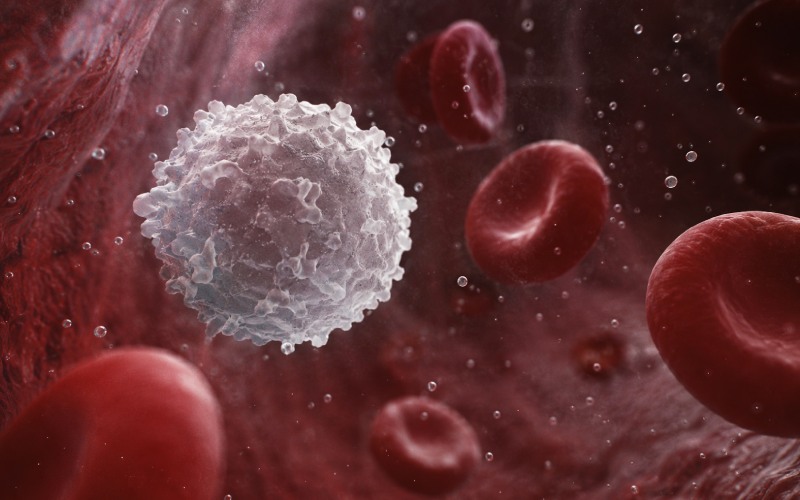
White blood cells — the ones responsible for identifying and neutralizing foreign invaders — depend on oxygen for some of their most important antimicrobial functions. Neutrophils, which make up the largest proportion of your white blood cell population, rely on an oxygen-dependent mechanism to destroy harmful microbes. When oxygen drops, their ability to do this drops with it [2].
So the question isn’t really “Does the immune system need oxygen?” Of course it does. The better question is: Can you meaningfully increase the oxygen available to immune cells by sitting inside a pressurized chamber?
The answer appears to be yes, though the degree of change depends on what pressure level you’re working with.
What Actually Happens Inside the Chamber
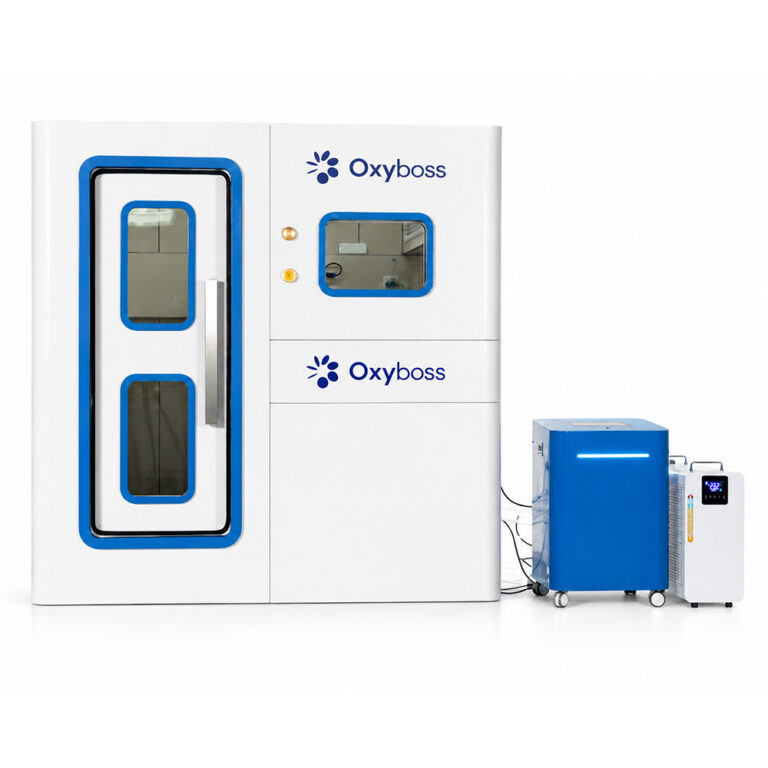
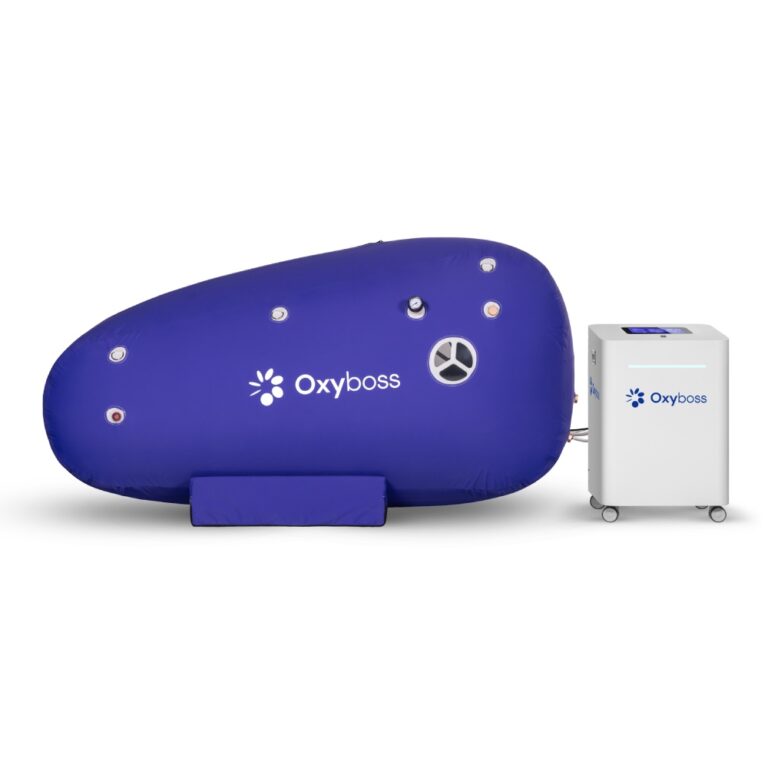
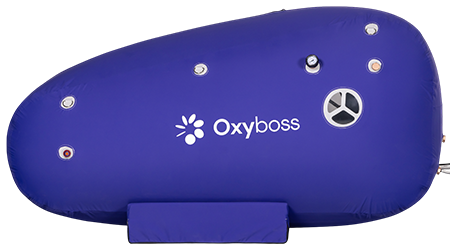
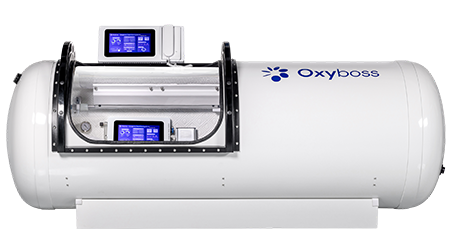
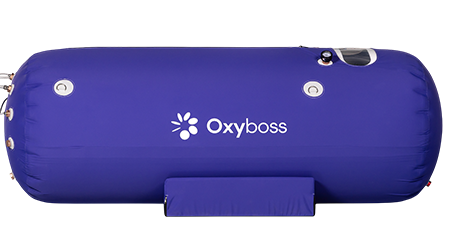
A hyperbaric chamber works by raising the atmospheric pressure around your body. Under standard conditions — sitting at your desk right now, for instance — you’re at about 1.0 ATA (atmospheres absolute). Wellness-oriented hyperbaric chambers typically operate at 1.3 to 1.5 ATA, which is roughly equivalent to being about 10 feet underwater.
Here’s what that changes: under increased pressure, oxygen doesn’t just ride around on hemoglobin inside red blood cells anymore. It begins dissolving directly into your blood plasma. This is a physics principle (Henry’s Law), and it means oxygen availability can increase beyond what hemoglobin-bound oxygen alone delivers [3].
That matters because immune activity doesn’t happen only in your bloodstream. It happens across tissues. Change the oxygen environment, and you may change the conditions those cells are working under.
Natural Killer Cells: What Mild Pressure Can Do
Here’s where things get specific — and this is research conducted at mild pressure levels, the kind found in personal-use chambers.
A 2023 crossover randomized trial studied the effect of mild hyperbaric oxygen (1.4 ATA, 35–40% oxygen) on healthy young women. After just 70 minutes of exposure, their natural killer (NK) cell count increased significantly compared to a control group exposed to normal air pressure [4].
NK cells are a type of immune cell that patrols your body looking for cells that have been compromised. They don’t need prior exposure to recognize something is wrong. They act fast.
What’s notable is that the researchers also measured oxidative stress markers. The mild hyperbaric exposure did not trigger an increase in those markers in that study [4]. That’s a meaningful distinction, because one common concern about pressurized oxygen is whether it creates too many free radicals. Under this mild-pressure protocol, that was not observed.
The same study also observed increased parasympathetic nervous system activity — the body’s “rest and restore” mode — which may explain why many regular users report feeling simultaneously calm and alert after sessions.
The Oxygen-Inflammation Connection
Inflammation is a normal part of how your body responds to challenges. Your body needs it — in the right amount, at the right time.
The issue arises when that inflammatory response doesn’t dial back. Chronic low-grade inflammation can wear your defenses down over time, diverting resources away from readiness and toward managing a slow-burning internal load.
A study published in Frontiers in Physiology examined healthy male volunteers who completed three hyperbaric sessions over three days under a higher-pressure protocol, not a mild home-use one [5]. The researchers found no induction of systemic inflammatory responses and no increase in systemic oxidative stress markers. What they did observe was a shift in neutrophil behavior — specifically, a change in reactive oxygen species production patterns under that protocol [5].
That’s a nuance worth sitting with. It’s not that hyperbaric oxygen “boosts” everything indiscriminately. It suggests oxygen exposure can influence immune-related signaling without producing a blanket inflammatory surge under the conditions studied.
What Higher-Pressure Research Shows (And Why the Distinction Matters)
Some of the most striking findings in hyperbaric oxygen research come from studies using higher pressure levels (2.0 ATA and above with 100% oxygen). These are not the same conditions produced by personal-use mild chambers, and it would be dishonest to blur that line. But the data is worth understanding if you’re evaluating the full landscape of how pressurized oxygen interacts with immunity.
Stem Cell Mobilization
A 2014 study demonstrated that after hyperbaric exposure at 2.0 ATA with 100% oxygen, circulating CD34+/CD45-dim stem and progenitor cells roughly doubled in number [6]. That shows a measurable mobilization effect under higher-pressure oxygen exposure, though it does not by itself establish the same outcome for mild chambers.
A separate 2025 study found that even normobaric 100% oxygen (atmospheric pressure, but pure oxygen) could mobilize certain stem cell populations after repeated daily sessions [7]. This suggests oxygen concentration — not just pressure — plays a role.
Telomere Length and Immune Cell Aging
A 2020 prospective trial involving 35 healthy adults over 64 years old studied the effects of 60 daily sessions at 2.0 ATA with 100% oxygen. The researchers found that telomere length in several types of immune cells — T helpers, T cytotoxic, NK cells, and B cells — increased by over 20%. B cells showed the largest increase, at nearly 38% [8].
At the same time, senescent (worn-out) T helper cells decreased by about 37%, and senescent T cytotoxic cells dropped by roughly 11% [8].
Telomeres are the protective caps on the ends of chromosomes. They shorten as cells divide and age. Shorter telomeres are associated with diminished immune efficiency. The idea that repeated high-pressure oxygen exposure could actually lengthen telomeres in immune cells and clear out dysfunctional ones is compelling — but this data comes from a specific protocol that requires supervised facilities, not home-use equipment.
Bottom line: If someone tells you a mild 1.3 ATA chamber will lengthen your telomeres, they’re extrapolating beyond what the science currently supports. What mild chambers have demonstrated — NK cell changes, parasympathetic support, and no rise in oxidative stress markers in one single-session study — stands on its own merit without borrowing from higher-pressure findings.
Mild vs. High-Pressure Chambers: A Clear Comparison
| Feature | Mild Hyperbaric Chamber (1.3–1.5 ATA) | Higher-Pressure Systems (2.0–3.0 ATA) |
| Oxygen Source | Ambient air or concentrator (up to ~95%) | Typically 100% medical-grade oxygen |
| Setting | Home, wellness center, gym | Supervised professional facility |
| Oxidative Stress Findings | No increase in oxidative stress markers in one mild-pressure study [4] | Protocol-dependent; requires professional oversight |
| Demonstrated Immune Effects | NK cell increase, parasympathetic activation [4] | Changes in oxidative stress/immune-response markers [5]; stem cell mobilization [6]; telomere lengthening [8] |
| Session Duration | 60–90 minutes typical | 60–120 minutes typical |
| Accessibility | Available for personal use | Restricted access in most regions |
| Comfort Level | Generally well-tolerated in published mild-pressure studies | May require acclimatization |
| Research Volume | Growing, especially post-2020 | Larger and longer-established body of evidence |
Both categories have legitimate research behind them. They just do different things at different intensities. Knowing which effects belong to which pressure level protects you from misleading expectations — and helps you make an honest decision about what fits your situation.
Practical Notes for Personal-Use Chambers
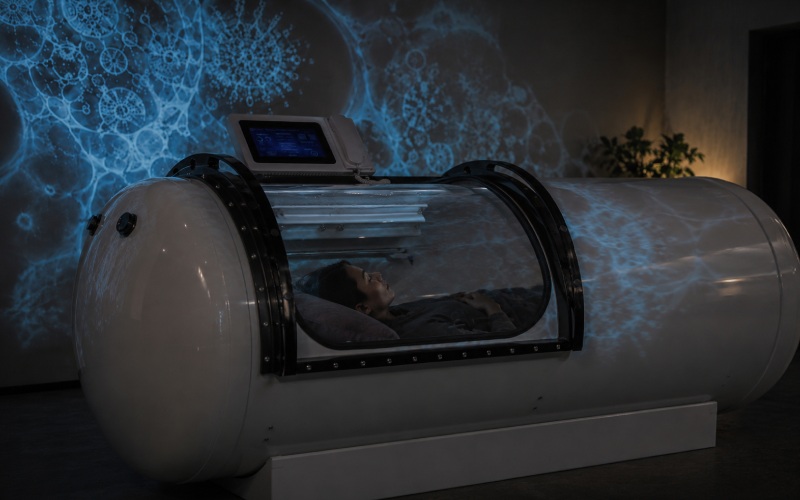
A typical session is simple. The chamber pressurizes gradually over a few minutes. Your ears may pop — the same sensation as descending in an airplane — and swallowing or yawning usually helps equalize the pressure. Sessions commonly run 60 to 90 minutes, followed by a gradual depressurization. Most people return to normal activity right away.
How often should you use one? There’s no single answer here, and anyone who gives you one is oversimplifying. Research protocols vary widely. The telomere study (high-pressure) used 60 sessions over 90 days [8]. The NK cell study (mild pressure) found measurable changes after a single 70-minute session [4]. That tells us frequency matters in research design, but it does not mean every protocol transfers cleanly to mild home-use equipment.
A few practical considerations are worth keeping in mind. Ear and sinus sensitivity matters. Space and electrical requirements matter. And a 1.3 ATA mild chamber is not the same tool as a 2.0 ATA system used in supervised research settings. Sleep, nutrition, movement, and stress management still do most of the heavy lifting.
Frequently Asked Questions
Can a hyperbaric chamber replace a healthy lifestyle for immune support?
No. Think of it as adding a tool to an existing toolkit. If you’re sleeping four hours a night and eating poorly, sitting in a pressurized chamber isn’t going to override those fundamentals. But if your baseline habits are solid, changing the oxygen environment may become one more variable worth paying attention to.
Is there an age limit for using a mild hyperbaric chamber?
Published studies span specific groups rather than every age group. Anyone considering use — especially children, older adults, or people with a specific health concern — should consult a qualified professional before starting.
How quickly can you notice changes?
Some people report subjective improvements — better energy, improved sleep quality, feeling more resilient overall — within the first few weeks of consistent use. Research shows measurable cellular changes (like NK cell increases) can occur within a single session at mild pressure [4], but longer-term markers like telomere changes require sustained high-pressure protocols that aren’t replicable in home-use equipment [8].
Does higher pressure always mean better results?
Not necessarily. Higher-pressure systems and mild-pressure chambers are different tools studied under different conditions. Mild-pressure chambers (1.3–1.5 ATA) have shown specific effects on NK cells and parasympathetic activity in limited research [4]. Higher-pressure systems have shown additional effects, but those findings should not be copied over automatically [5][6][8].
Can you use a hyperbaric chamber too often?
The studies cited here do not establish the long-term safety of daily use for mild chambers. More is not always more. A sustainable routine, device instructions, and qualified guidance matter more than assuming maximum frequency is best.
Are there people who should avoid hyperbaric chambers?
People with certain ear, sinus, or lung conditions may need medical clearance before any pressurized oxygen exposure. Anyone who is pregnant or managing a specific health concern should speak with a qualified professional beforehand.
What’s the difference between a mild chamber I can use at home and the ones used in research studies?
Most home-use chambers operate at 1.3–1.5 ATA with concentrated air. Many of the most-cited immune studies used 2.0 ATA or higher with 100% oxygen in supervised settings. Both have demonstrated effects, but the specific effects differ. The table above breaks this down in detail.
The Bigger Picture
Your immune system isn’t something that just works or doesn’t. It exists on a spectrum — performing well one month, not as well the next — depending on dozens of factors you may or may not be aware of. Oxygen supply is one of those factors, and it’s one that most people never think to address directly.
A hyperbaric chamber doesn’t do anything mysterious. It increases the pressure around you. That changes how oxygen is carried and dissolved in the body. Research has shown measurable shifts in some immune-related markers under specific protocols.
That’s a simple chain of events. But simple doesn’t mean insignificant.
What matters is being honest about which effects have been demonstrated at which pressure levels — and choosing the tool that actually matches your expectations.
References
- Thom, S.R. (2011). Hyperbaric oxygen: its mechanisms and efficacy. Plastic and Reconstructive Surgery, 127(Suppl 1), 131S–141S. https://doi.org/10.1097/PRS.0b013e3181fbe2bf
- Camporesi, E.M. & Bosco, G. (2014). Mechanisms of action of hyperbaric oxygen therapy. Undersea & Hyperbaric Medicine, 41(3), 247–252. https://pubmed.ncbi.nlm.nih.gov/24984320/
- Moon, R.E. (Ed.). (2019). Hyperbaric Oxygen Therapy Indications (14th ed.). Undersea and Hyperbaric Medical Society. https://www.uhms.org/images/UHMS-Reference-Material.pdf
- Nisa, B.U., Nakanishi, R., Tanaka, M., et al. (2023). Mild hyperbaric oxygen exposure enhances peripheral circulatory natural killer cells in healthy young women. Life, 13(2), 408. https://doi.org/10.3390/life13020408
- de Wolde, S.D., Hulskes, R.H., de Jonge, S.W., et al. (2022). The effect of hyperbaric oxygen therapy on markers of oxidative stress and the immune response in healthy volunteers. Frontiers in Physiology, 13, 826163. https://doi.org/10.3389/fphys.2022.826163
- Heyboer, M., Milovanova, T.N., Wojcik, S., et al. (2014). CD34+/CD45-dim stem cell mobilization by hyperbaric oxygen — changes with oxygen dosage. Stem Cell Research, 12(3), 638–645. https://doi.org/10.1016/j.scr.2014.02.005
- MacLaughlin, K.J., Barton, G.P., MacLaughlin, J.E., et al. (2025). 100% oxygen mobilizes stem cells and up-regulates MIF and APRIL in humans: a new point on the hormetic dose curve. Frontiers in Cell and Developmental Biology, 12, 1377203. https://doi.org/10.3389/fcell.2024.1377203
- Hachmo, Y., Hadanny, A., Abu Hamed, R., et al. (2020). Hyperbaric oxygen therapy increases telomere length and decreases immunosenescence in isolated blood cells: a prospective trial. Aging, 12(22), 22445–22456. https://doi.org/10.18632/aging.202188
Disclaimer: This content is provided for informational and educational purposes only. It is not intended as a substitute for professional advice. Hyperbaric chambers marketed for personal wellness use have not been cleared by the FDA for immune-related applications. Always consult a qualified professional before making decisions about your health and wellness routine.