Most of the confusion around hyperbaric oxygen has nothing to do with the technology itself. It has to do with language. Two very different categories — one clinical, one wellness-oriented — keep getting lumped into the same conversation, and that is where the noise starts.
This post is here to untangle that. Not to make medical claims, not to oversell, but to explain what mild hyperbaric chambers are generally understood to be, what the wellness experience may look like, and why the so-called “controversy” often begins when different use cases, evidence standards, and safety contexts are treated as if they were the same thing.
The Real Source of the Confusion
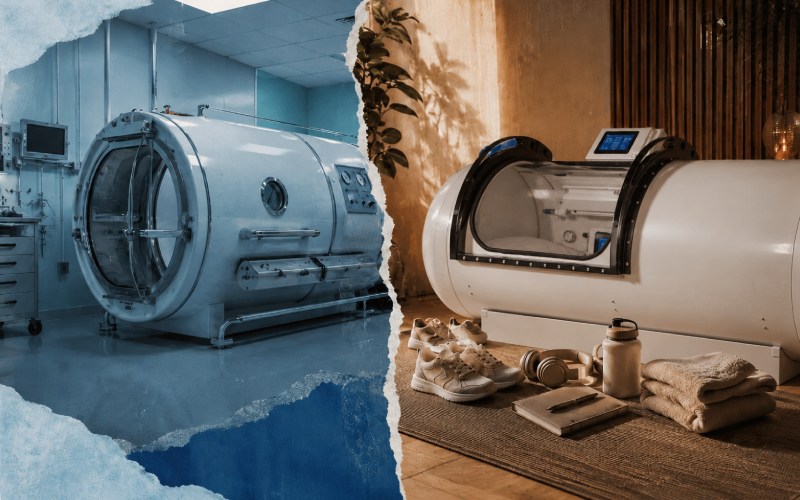
Here is the short version: when people hear “hyperbaric oxygen,” they tend to picture a hospital. And that picture is not wrong — there is a clinical version of this technology. According to Harvard Health, medical hyperbaric oxygen involves breathing pure oxygen inside a pressurized chamber under physician supervision for specific approved indications.1 That version requires trained staff, medical oversight, and hospital- or clinic-grade equipment.
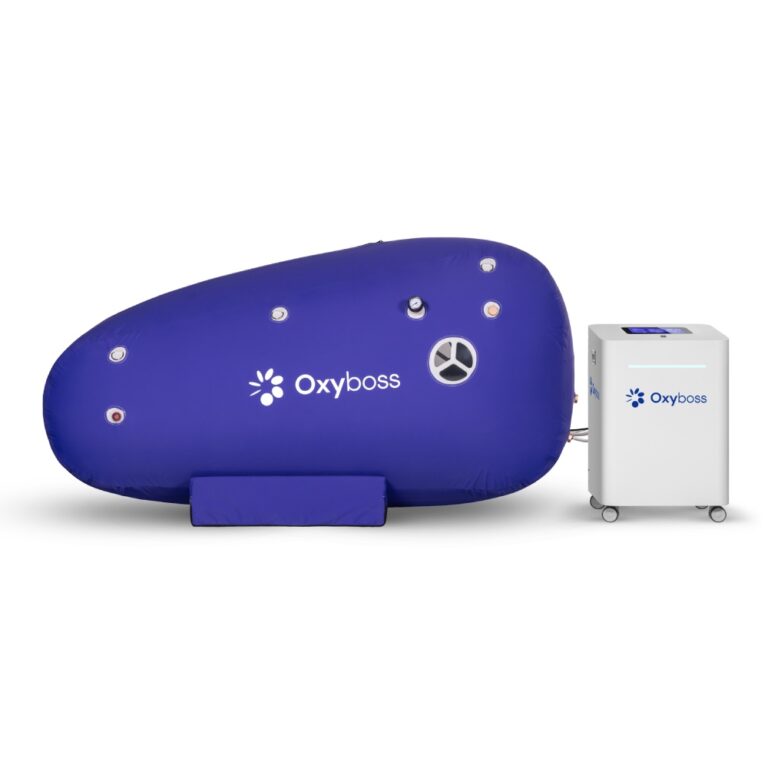
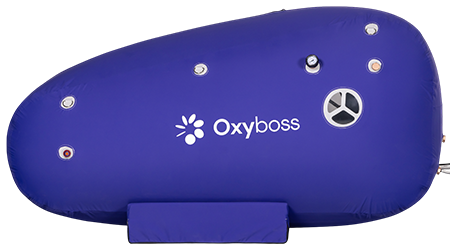
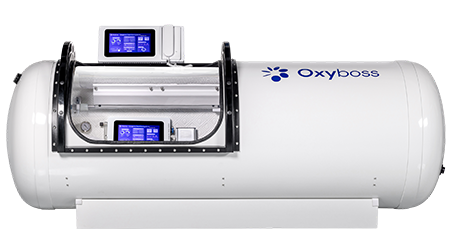
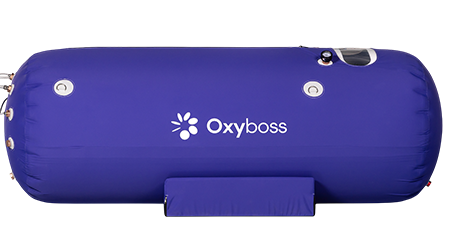
But there is another category entirely. Mild hyperbaric chambers — sometimes called soft chambers or wellness chambers — operate at much lower pressures, generally below 1.5 ATA, and typically involve breathing gas mixes that are lower in oxygen concentration than clinical hyperbaric oxygen therapy.2 They are often discussed in wellness settings rather than hospital settings. The context is different: general wellness, recovery support, relaxation, and non-clinical use.
The controversy? A major source of it comes from people talking about both categories as if they are interchangeable. They are not. And once you separate them, much of the confusion becomes easier to understand. But the distinction is not only about language — it also involves different evidence standards, safety controls, and use contexts.2
A Side-by-Side Look
This table is the fastest way to see how these two categories actually differ:
| Medical-Grade Chambers | Mild Wellness Chambers | |
| Typical Pressure | 2.0–3.0 ATA | Generally below 1.5 ATA |
| Oxygen Source | Near-100% medical-grade oxygen | Oxygen-enriched air or lower-concentration breathing gas mixes |
| Setting | Hospitals, specialized clinics | Wellness studios, recovery spaces, and other non-clinical settings |
| Supervision | Physician oversight required | Varies by product and setting; manufacturer instructions should be followed |
| Prescription? | Physician-directed clinical treatment | Availability and requirements vary by product, claims, and jurisdiction |
| Primary Purpose | Approved clinical indications | Wellness-oriented, non-clinical use |
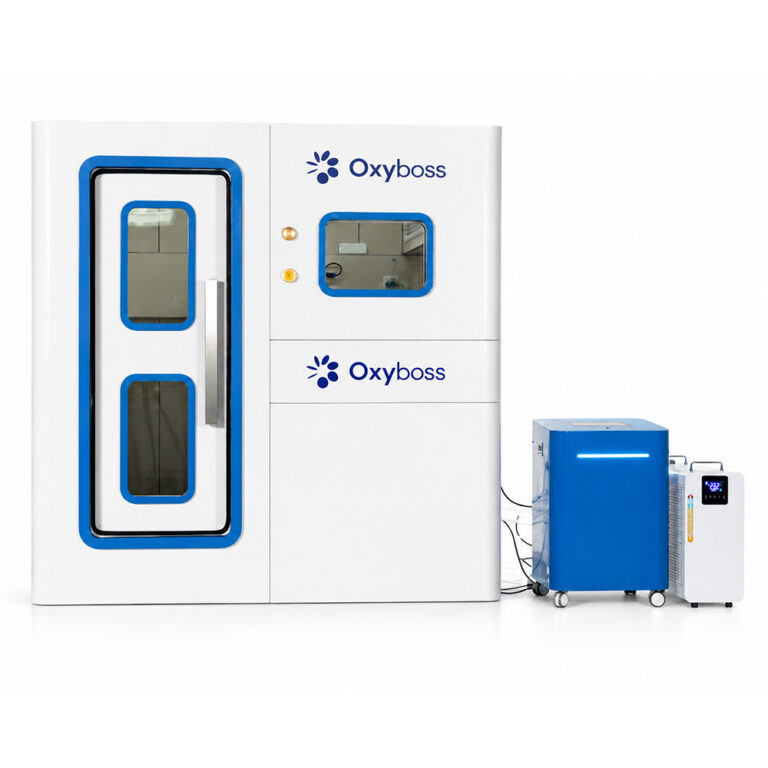
| Chamber Type | Commonly rigid, steel or acrylic | Often soft-sided and portable |
The difference is not subtle. It is more like comparing two very different uses of oxygen-under-pressure technology: one medical and tightly supervised, the other lower-pressure and generally discussed in a wellness context.
What Actually Happens in a Mild Chamber
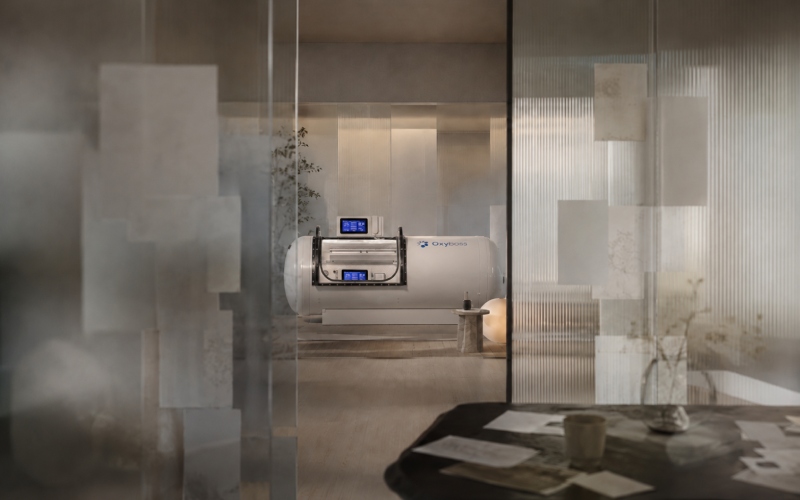
You lie down inside a soft-sided chamber. The pressure gradually increases — gently. Some people notice their ears pop, similar to what happens on an airplane. That is normal and tends to settle quickly.
A typical session runs somewhere between 60 and 90 minutes. You can read, listen to a podcast, nap, or just do nothing. Depending on the setup, you may simply rest in the chamber or use an oxygen delivery interface provided with the system. Either way, the basic experience is restful: you are in a mildly pressurized environment where oxygen availability is higher than it would be under normal room-air conditions.2
A Note on Oxygen Levels Inside the Chamber
Normal room air contains roughly 21% oxygen.1 In some mild systems, an oxygen concentrator feeds high-purity oxygen into the chamber or to a breathing interface. Once that oxygen mixes with the ambient air already inside the chamber, the actual breathing environment settles at a concentration below the outlet purity. Published research on mild hyperbaric exposure, for example, tested conditions of 1.25 ATA with approximately 36% ambient oxygen.4 That is still a meaningful increase over normal air, though it is not the same as clinical HBOT.
How meaningful? That same research estimated dissolved oxygen in plasma under those mild conditions was roughly 2.76 times greater than under normal atmospheric conditions.4 This is a straightforward physical consequence of higher pressure plus higher oxygen availability — not a dramatic intervention, but a real shift in the oxygen your body has access to while you rest.

The “Calm + Charge” Effect
One thing that trips people up: they expect the experience to be either relaxing or energizing. In practice, some users describe it as both — and that seeming contradiction is actually the most interesting part.
Research on mild hyperbaric exposure found that after roughly 50 minutes in these conditions, the body showed signs of being calmer (heart rate trended downward) while simultaneously showing increased circulatory and metabolic activity.4 In plain terms: participants’ bodies appeared more settled and more metabolically engaged at the same time.
That dual quality — feeling at ease in the moment but more ready afterward — may help explain why some people are interested in mild chambers as a regular wellness practice. It is not about framing the experience as a medical intervention. You lie down, do less, and let a mildly pressurized, oxygen-enriched environment do its work quietly.
Some users describe better sleep, sharper focus the next day, or less lingering soreness after physical activity. These are subjective reports, not established clinical outcomes, and they should not be read as treatment claims.
Why “Passive Recovery” Makes Sense
We live in a culture that treats recovery like another workout. Ice baths, compression boots, foam rolling — all useful, all requiring you to do something. A mild hyperbaric session flips that script. You show up, lie down, and rest. That is the whole routine.
For people who already push hard — whether through exercise, demanding work schedules, or just the accumulated fatigue of daily life — there is something genuinely appealing about a recovery format that asks very little of you. No effort, no pain tolerance, no learning curve.
And because sessions are designed to be low-intensity and repeatable, some people choose to incorporate them into a regular weekly routine. There is no single standardized schedule for general wellness use, and actual usage patterns vary by device, setting, and individual preference.2 Think of it less like a one-time event and more like a routine some people experiment with, similar to how they might approach meditation or regular stretching.
So Where Does That Leave the “Controversy”?
Honestly, in a much less dramatic place once you look at it clearly.
Regulatory and medical bodies recognize clinical hyperbaric oxygen for a specific list of medical indications, delivered under defined conditions.1 At the same time, some providers have made unsupported claims about what hyperbaric technology can do beyond those uses, and that has — understandably — drawn scrutiny.1
But mild wellness chambers are not the same thing as clinical HBOT. They are often discussed alongside other wellness tools because people are interested in the experience of using them, not because they are substitutes for physician-directed care. The experience is generally gentler, the routine is simpler, and the appeal for some users is straightforward: a quiet period of rest in a mildly pressurized, oxygen-enriched environment.
The confusion persists when people treat the clinical conversation and the wellness conversation as one and the same. They are not. And once you are clear on which category you are looking at, the discussion becomes easier to evaluate on its own terms: intended use, evidence level, and safety context.2
Frequently Asked Questions
What does a mild hyperbaric session actually feel like? Most people describe it as quiet and uneventful — in a good way. You may feel a slight pressure in your ears as the chamber pressurizes, similar to being on a plane. After that, you simply rest. Some users say they feel unusually calm during the session and more alert afterward. As with any pressurized environment, setup and instructions matter.3
How is a mild chamber different from what hospitals use? Medical-grade chambers typically operate at much higher pressures with near-100% medical oxygen and require physician supervision. Mild chambers operate at much lower pressures, are commonly discussed in non-clinical settings, and are generally positioned around wellness rather than approved clinical applications.1
Do I need a prescription to use a mild hyperbaric chamber? That depends on the specific product, how it is marketed, and the rules in your jurisdiction. Clinical HBOT is physician-directed. Non-clinical products are positioned differently, but regulatory requirements are not identical everywhere.2
What is the actual oxygen level inside a mild chamber? The concentrator attached to a mild system may output high-purity oxygen, but once it mixes with the air inside the chamber or delivery setup, the actual breathing environment is lower than the outlet concentration. Published research tested mild conditions at approximately 36% ambient oxygen under 1.25 ATA, which still resulted in dissolved plasma oxygen roughly 2.76 times higher than normal atmospheric conditions.4
How often should I use a mild chamber? There is no single answer. Some people use mild chambers occasionally, while others build them into a regular wellness routine. The right cadence depends on the device, the setting, comfort, and applicable guidance. Following manufacturer instructions and seeking qualified advice when needed is the most grounded approach.3
Why do some people feel both relaxed and energized after a session? Research on mild hyperbaric exposure observed that heart rate tended to decrease while circulatory and metabolic activity increased simultaneously.4 That combination — a calmer body with more activity underway — may help explain the dual sensation that some users describe.
References
- Harvard Health Publishing. Hyperbaric Oxygen Therapy: Evidence-Based Uses and Unproven Claims. https://www.health.harvard.edu/healthy-aging-and-longevity/hyperbaric-oxygen-therapy-evidence-based-uses-and-unproven-claims. (Harvard Health)
- Undersea & Hyperbaric Medical Society. Guidelines for Credentialing, Privileging and Supervision of Hyperbaric Oxygen Therapy (2023). https://www.uhms.org/images/Position-Statements/UHMS_Cred_and_Priv_Guide_2022_final_Mar_2023_V3_Final.pdf. (Undersea & Hyperbaric Medical Society)
- U.S. Food and Drug Administration. Follow Instructions for Safe Use of Hyperbaric Oxygen Therapy Devices – Letter to Health Care Providers. https://www.fda.gov/medical-devices/letters-health-care-providers/follow-instructions-safe-use-hyperbaric-oxygen-therapy-devices-letter-health-care-providers. (U.S. Food and Drug Administration)
- Ishihara A, Nagatomo F, Fujino H, Kondo H. Exposure to Mild Hyperbaric Oxygen Increases Blood Flow and Resting Energy Expenditure but not Oxidative Stress. Journal of Scientific Research & Reports. https://journaljsrr.com/index.php/JSRR/article/view/138. (JSciRes Reports)
- Ishihara A. Mild hyperbaric oxygen: mechanisms and effects. The Journal of Physiological Sciences. https://link.springer.com/article/10.1007/s12576-019-00678-5. (PubMed)
- Mayo Clinic. Hyperbaric oxygen therapy. https://www.mayoclinic.org/tests-procedures/hyperbaric-oxygen-therapy/about/pac-20394380. (Mayo Clinic)