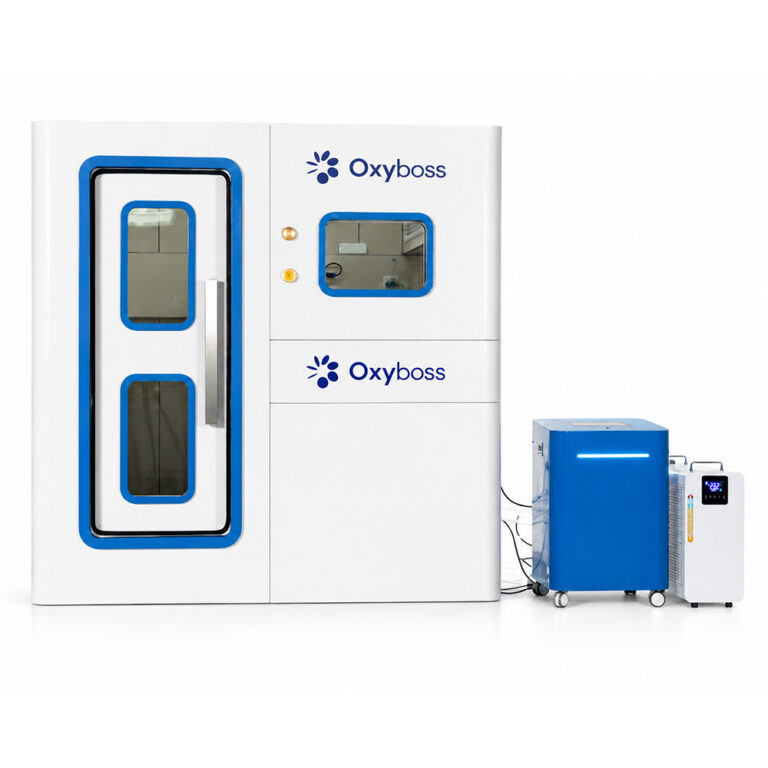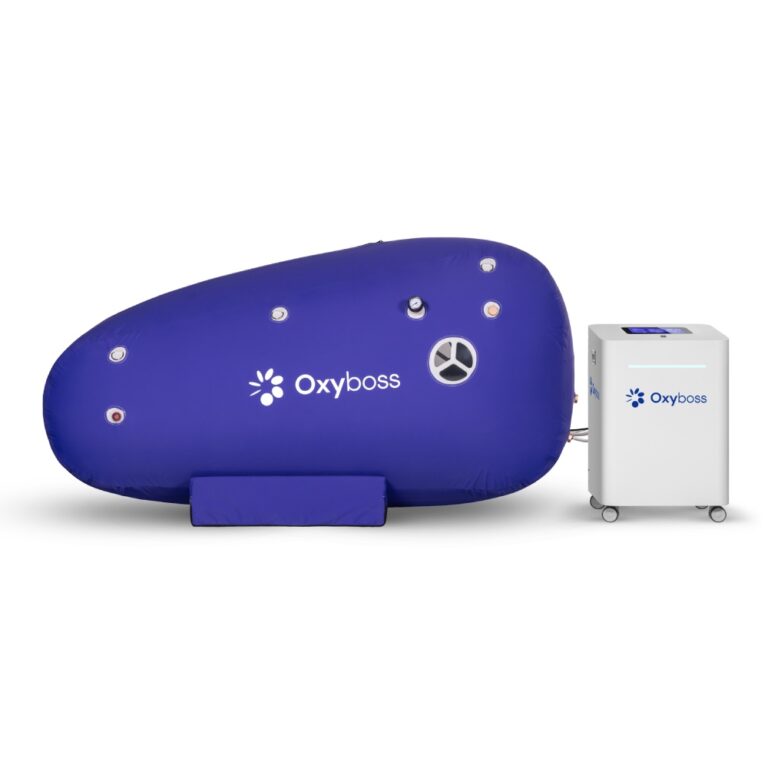
Yes — if the pressure, oxygen level, time, and recovery intervals are managed badly.
That is the real answer.
A hyperbaric chamber does not become risky just because it can build pressure. The risk shows up when oxygen exposure is allowed to sit too high, for too long, without enough verified recovery time in between. The shell is not the issue. The control path is.
So the better question is not can a chamber do it. It can.
The better question is what kind of chamber design and operating logic keeps it from happening.
That is where the serious differences start.
The risk is not random
Oxygen toxicity is not a mystery event. It follows a pattern.
Pressure goes up.
Oxygen stays high.
The dwell runs long.
The break is counted too early.
Gas turnover is weaker than the screen suggests.
A sensor drifts.
A run that looked acceptable on paper stops being acceptable inside the vessel.
Usually not because one thing failed. Because several small things lined up.
That is how margin gets lost.
The chamber itself is only part of the story
People talk about chambers as if the safety question starts and ends with the pressure vessel. It does not.
The real exposure profile comes from:
- operating pressure
- oxygen concentration
- dwell length
- air-break timing
- ventilation quality
- sensor accuracy
- fault response when something goes wrong
A hyperbaric chamber that reaches target pressure is not automatically a well-controlled chamber. That point gets missed too often. Reaching pressure is easy. Holding a clean, verified, repeatable exposure profile is the harder part.
And that harder part is where safety lives.
Where the safety margin usually starts to slip
1. The air break is logged before the chamber atmosphere has actually changed
This is one of the quietest mistakes in chamber control.
A valve opening is not the same thing as the chamber atmosphere dropping. Inside a sealed pressure vessel, gas transition takes time. Internal volume has to turn over. The old high-oxygen mix has to clear. Only then does the break become real.
If the timer starts when the command is sent, instead of when the atmosphere actually shifts, the log may look clean while the exposure is still running high.
That is not a paperwork problem. That is a control problem.
2. The system trusts one oxygen sensor for too long
Single-sensor confidence looks neat. It is fragile.
Sensors age. Readings drift. Output softens. And when one sensor is treated like absolute truth, the machine can slowly move away from the intended gas condition without sounding dramatic alarms. The display stays calm. The internal atmosphere may not be.
Good systems do not just read gas. They verify gas. If two channels stop agreeing within a tight window, the chamber should not keep acting certain.
3. Software is treated as the final barrier
Software should manage the sequence. It should not be the last line of protection.
If a transducer fails, if a board freezes, if a command sticks high, the chamber still needs hardware that limits what can happen next. Mechanical relief. Real fail-safe behavior. Power-loss logic that moves the chamber toward a safer state without asking the operator to improvise.
Code is useful. Hardware still matters.
4. Ventilation is treated like a comfort feature
It is not.
Weak turnover inside the chamber changes the quality of the internal atmosphere even when the oxygen number on the display looks stable. If gas is not moving properly, margin narrows. Quietly. This is why airflow design should be treated as part of exposure control, not cabin comfort.
A hyperbaric chamber with poor internal gas handling can look normal longer than it should.
5. The run is built around the timer instead of the chamber state
Timers are useful. They can also hide lazy logic.
A serious control system watches chamber state, not just elapsed minutes. Gas condition, transition confirmation, sensor agreement, pressure ceiling, purge completion, fault events. These matter more than a countdown box in the corner of a screen.
The clock does not tell the whole truth. It never did.
What a controlled exposure profile actually looks like
Not flashy. Just disciplined.
| Factor | Controlled Condition | Riskier Condition | What It Changes |
| Pressure selection | Pressure matched to the intended dwell | Pressure pushed upward without adjusting dwell | Narrows exposure margin |
| Air-break timing | Break begins after the atmosphere actually drops | Break begins when the valve command is sent | Extends real oxygen exposure |
| Oxygen sensing | Redundant sensing with variance checks | One sensor trusted indefinitely | Increases hidden drift risk |
| Pressure protection | Hardware backs up software limits | Software acts as the last barrier | Increases fault exposure |
| Ventilation | Active gas turnover through the chamber | Stagnant internal atmosphere | Reduces control quality |
| Fault response | System defaults toward purge or safer decompression | System waits for manual rescue | Slows recovery from errors |
| Operator behavior | Quiet, low-demand dwell | Excess movement, talking, strain | Tightens tolerance margin |
That table is the practical split. Not between good marketing and bad marketing. Between a chamber that verifies what is happening, and one that mostly assumes.

What operators should not ignore during a run
The early signs are usually there before the situation gets worse.
Vision may narrow.
Ringing in the ears may start.
Facial twitching can appear.
Nausea can show up fast.
Behavior can turn restless or oddly unfocused.
When that starts, the correct move is not to squeeze in the last few minutes because the schedule is almost complete. The correct move is to reduce exposure. Shift out of the high-oxygen phase. Start purge if the protocol allows it. End the run if the chamber state is no longer where it should be.
Fast action matters more than neat explanations.
The design rules we follow in our factory
We keep this simple on purpose.
1. Pressure means nothing without time
A pressure number on its own is not a safety plan. Exposure only makes sense when pressure and dwell are tied together from the start.
2. An air break only counts when the chamber atmosphere has actually changed
Command state is not chamber state. The break starts when the gas condition changes, not when a valve clicks.
3. Sensor disagreement is a real event
If sensing channels drift apart, the chamber should stop acting confident. The safer move is verification, purge, or lockout — not optimism.
4. Software should manage. Hardware should protect.
Critical safety limits need physical backup. Always.
5. Ventilation is part of dose control
Poor gas turnover weakens the whole exposure model, even when one headline number looks fine.
6. Fault response should move toward safety automatically
Power loss, sensor failure, unstable control behavior — none of these should depend on perfect human reaction in the moment.
So, can hyperbaric chambers cause oxygen toxicity?
Yes — if exposure is not controlled properly.
That wording matters.
The chamber shell is not the culprit by itself. The problem is unmanaged exposure inside a pressurized oxygen-rich environment. When design logic is weak, when transitions are assumed instead of verified, when sensing is fragile, when ventilation is lazy, when software is trusted too far, the risk goes up.
When those parts are engineered properly, the risk becomes much easier to contain.
That is the truth of it. Not magical. Not vague. Just pressure, gas, time, and control.
FAQ
Can a hyperbaric chamber cause oxygen toxicity at moderate pressure?
Yes. Pressure is only one part of the exposure profile. Moderate pressure combined with long dwell time, weak break structure, or poor gas turnover can still narrow the safety margin.
Is the chamber shell itself the problem?
No. The shell is the pressure vessel. The bigger issue is how the chamber manages oxygen level, time, transitions, sensing, and ventilation inside that vessel.
Do air breaks always solve the issue?
No. They help only when they are real. If the chamber atmosphere is still high in oxygen while the timer says “break,” the protection is weaker than it looks.
Why is sensor drift such a concern?
Because hidden error compounds. If the system believes it is controlling one gas condition while the actual chamber atmosphere is different, exposure can shift without obvious warning.
Is software-only protection enough?
No. Software is useful, but hard limits should also exist in hardware. Pressure relief, purge logic, and fault-default behavior should not depend only on code.
Does ventilation still matter when oxygen concentration is being controlled?
Yes. A chamber can show a stable oxygen value and still have poor internal gas quality if turnover is weak. Ventilation is part of exposure control.
What should happen if power fails during a high-oxygen phase?
The chamber should move toward a safer state by design. That usually means the system supports controlled depressurization and return toward ambient air without waiting for ideal manual response.
Can users manually override the gas profile?
In a well-designed system, emergency depressurization should be available. Unsafe override of oxygen profile, break logic, or protective limits should not be.
Final answer
Yes — hyperbaric chambers can cause oxygen toxicity if exposure conditions are allowed to drift outside a controlled window.
That is the point worth keeping.
Not all risk comes from dramatic failure. Often it comes from small design shortcuts that stack up: air breaks counted too early, weak sensing, poor turnover, soft fault response, too much trust in the timer. A serious chamber does the opposite. It verifies the atmosphere, controls the transition, backs software with hardware, and responds to faults in a safer direction automatically.
That is what keeps pressure work from turning sloppy. And in this category, sloppy is the part you cannot afford.